
Key takeaways
- Scouting flights show stress patterns across a large planting far faster than a walk down every row.
- A flight tells you where to walk, so crew hours go to the spots that need a closer look.
- Early detection research is promising but still limited, so pilot on one block before you commit.
- Hour savings depend on your blocks, terrain and processing routine, so time a test on your own rows.
Can drones for coffee farms catch pests and disease before the far rows are walked?
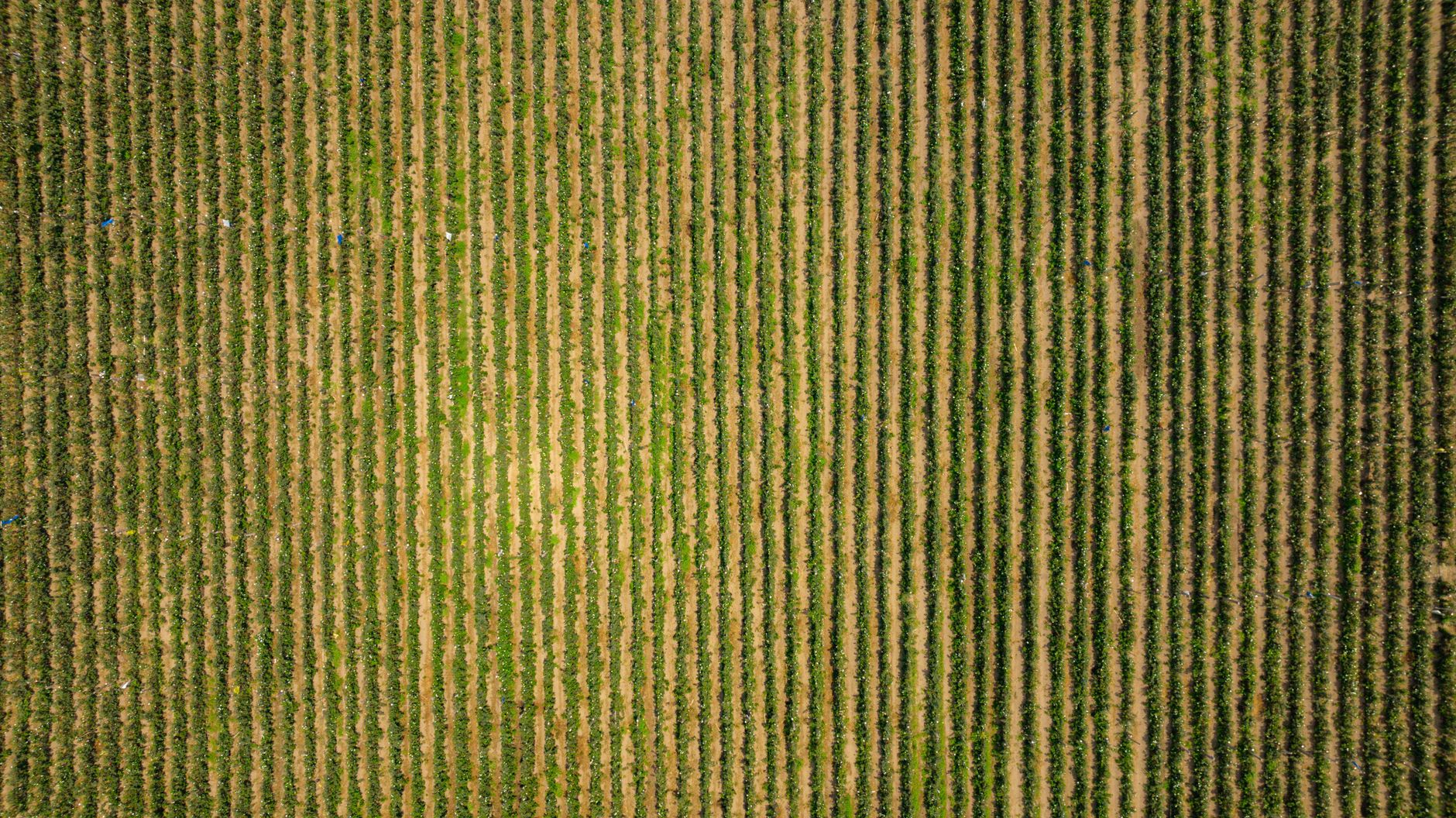
Yes, with a clear limit. Drones for coffee farms work best as a scouting tool: one flight can show stress patterns across a large planting, which tells you where to send people. A pest or disease can spread across a big planting before anyone walks the far rows, and aerial scouting narrows that gap.
Aerial imagery helps because stress usually shows up in patches. Standard color cameras and multispectral cameras can reveal uneven canopy color, thinning, or patchy growth that is hard to pick out from a single row. The drone does not name the cause on its own. It gives you a map of where to look, and a trained person confirms what is happening on the ground.
Research is promising but still early. Most work on drones for coffee farms so far comes from pilots, feasibility studies and project announcements rather than large field validation. That is a reason to start small on your own blocks, not a reason to wait.
What does scouting look like on a coffee farm today?
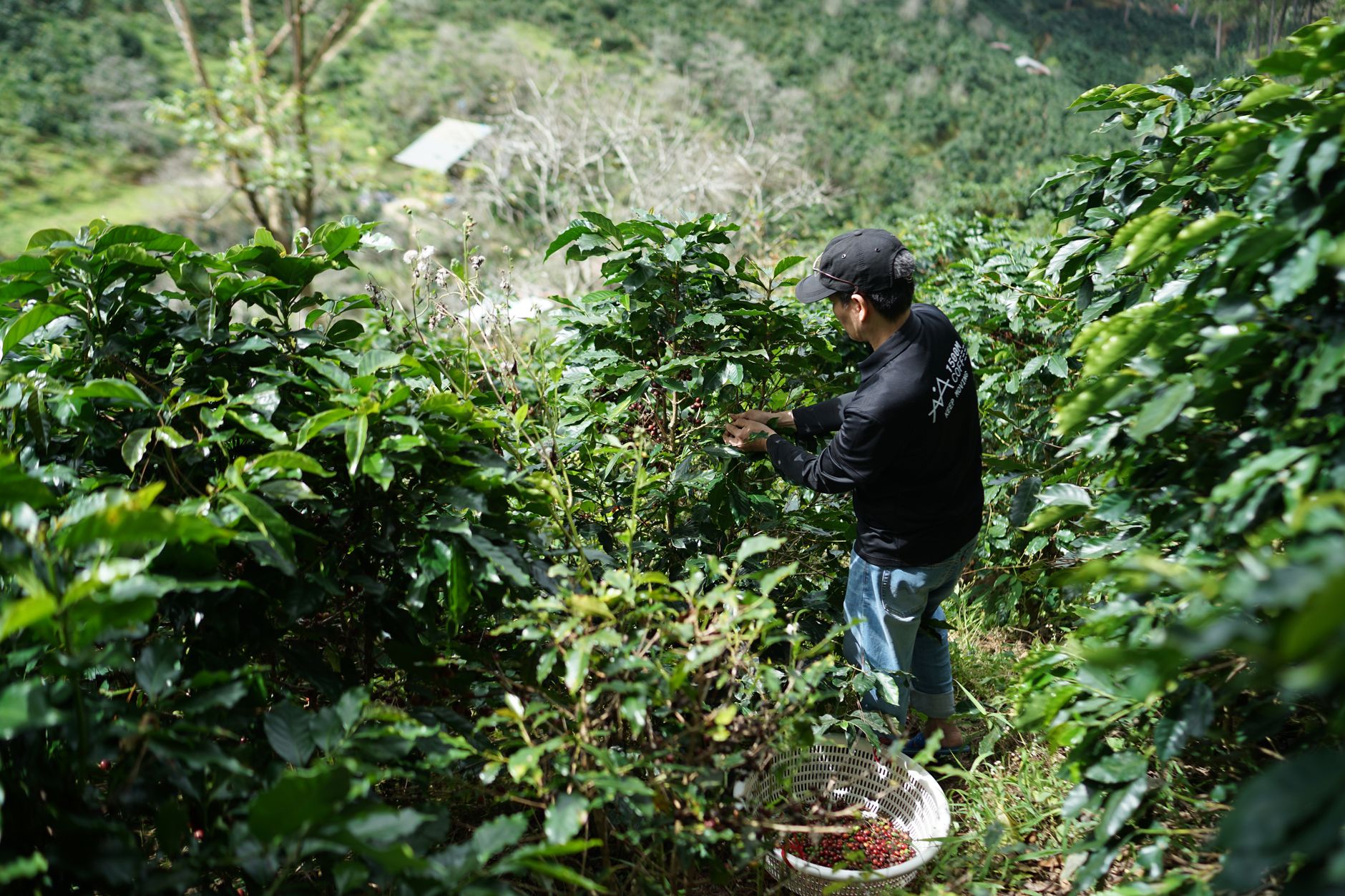
On most coffee farms, scouting is still a walking job. Someone moves row by row, checks leaves and berries for rust, insects and damage, and writes down what they find. On a large planting that takes a long time, and the blocks walked first may already need a second look by the time the crew reaches the far end.
The scale of the sector makes this harder. According to the Hawaii Department of Agriculture, coffee in the 2023-2024 season was grown on about 1,000 farms across 7,400 acres on five islands. Every acre of that planting needs someone to look at it, and the walking load adds up quickly across the season.
A Big Island roaster's summary of USDA data put bearing acreage at 6,900 acres for 2015-2016, and described farm counts as fairly stable over the past decade. Stable acreage means the scouting task is not shrinking, and the same planting keeps needing the same attention year after year.
What are the main benefits of drones on coffee farms?
The first benefit is earlier, broader visibility. Research teams testing drones on hillside coffee in Thailand plan to use multispectral imagery to find early signatures of coffee leaf rust before visible symptoms appear, according to a UK university research news release. The aim is to let growers act before losses spread, and it is a research goal rather than a proven result.
The second benefit is a map you can compare over time. Flying the same blocks on a repeat schedule shows whether stress is spreading, shrinking or holding steady. Uganda Flying Labs uses multispectral and color drones to find stress and pest attacks that the human eye cannot see, according to its published work on coffee imagery.
The third benefit is targeted walking. A 2025 study of low-cost drone images combined with machine learning looked at early detection of mealybug infestation in coffee, which points toward flagged zones that send inspectors straight to the trees that need them. Each pest needs its own signals, so the method has to match the problem you are chasing.
How does a drone work a coffee block day to day?
A scouting day starts with planning, not flying. Block boundaries, flight height and image overlap are set in advance, so the drone covers the same rows the same way on every pass. The operator also checks wind, cloud and recent rain, since gusty or wet conditions reduce image quality and can make a flight unsafe.
After the flight, imagery is processed into a map and compared with the last pass over the same rows. Blocks showing new stress are flagged, and those flags become the walking list for the crew. Processing time belongs in any comparison with walking, because the images must be assembled before anyone can use them.
A two-stage approach is common in the research. A university thesis modeled drones surveying broadly while walkers check only flagged spots, and it compared the time needed to walk a set of fields with the time needed to fly them, according to that thesis. The pattern puts the crew's walking time where the map says it matters.
Which areas of a coffee farm does the drone cover?
A drone suits any area where you need a view across many rows or a quick look at an edge. The strongest use is usually the main planting blocks, where stress from a pest or disease can spread from tree to tree. Smaller areas get their own pass when they matter most.
Young replant blocks and nursery beds deserve their own schedule. Young plants can show trouble fast, and cover is often limited, so a closer, more frequent pass helps. Shade-tree strips and the canopy above the coffee are visible from above too, which shows how light and wind move through the block.
Processing areas and boundaries finish the picture. The wet mill yard, water ponds and access roads fit in a single flight, and a boundary pass helps you keep dated records of fence lines, washouts and storm damage. The zones below summarize the main areas.
Who works alongside the drone on the farm?
A drone does not replace the people on the farm. It changes how they spend their time. A trained operator runs the flights, an experienced crew lead or agronomist reads the maps, and walkers check the flagged spots. The crew stays, and its hours move toward the places that need them most.
Walking does not disappear. Confirming the ground truth is what turns a stress patch into a diagnosis, and that step still needs a trained eye. The two-stage pattern in the research reflects this, with drones surveying broadly and people checking only the spots that are flagged.
We are a US commercial robot integrator. We choose the drone for the site, arrange the lease through financing, deploy and integrate it, train the staff who fly and read it, and service it nationwide. Training matters most in the first season, when the team is still learning what normal looks like on its own rows.
What drives the savings in hours and labor?
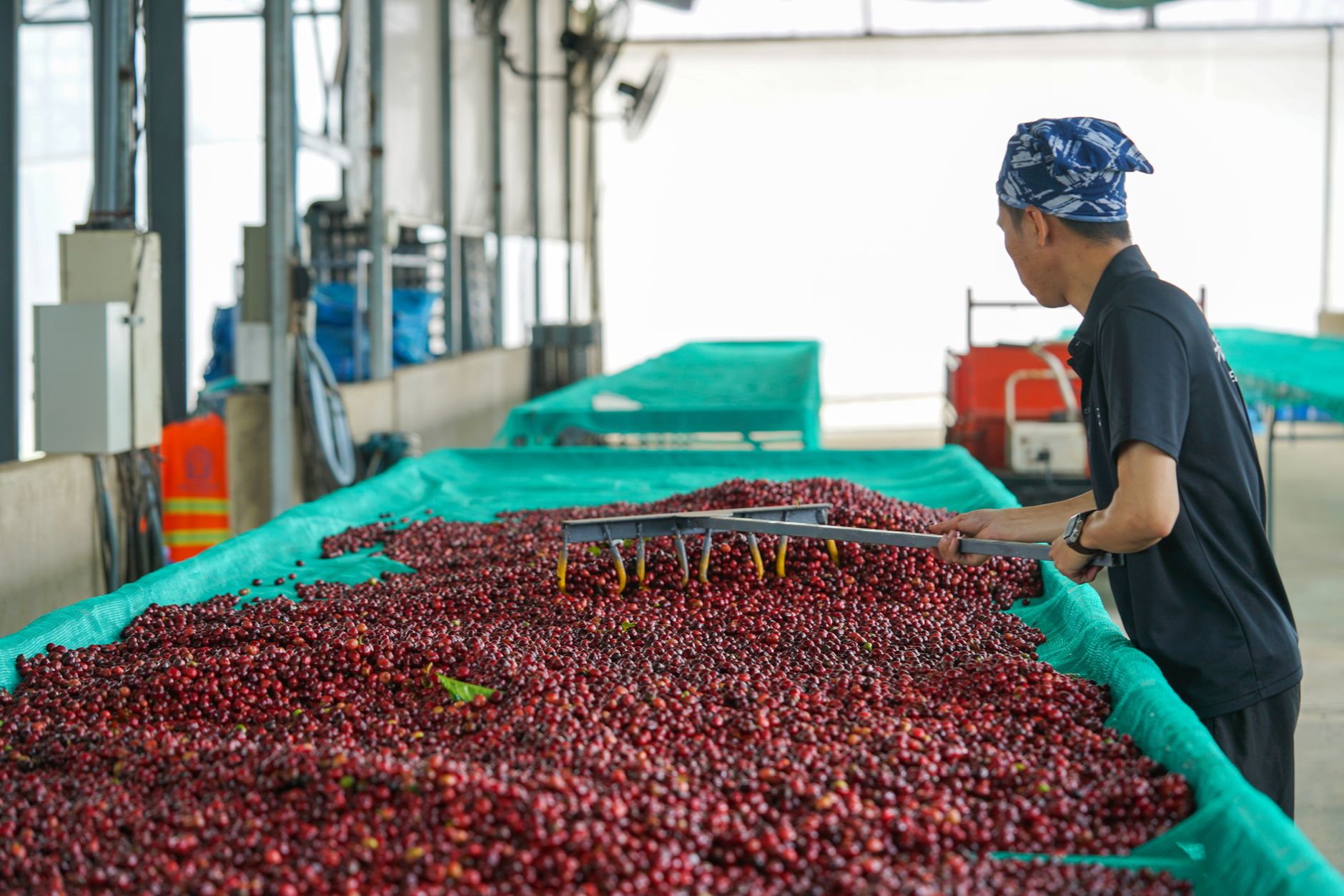
Savings show up in hours, and the best public figure comes with a caveat. A Minnesota seed dealer, quoted in a farm publication, said flying a field takes about half an hour compared with roughly three hours on foot, according to that article. That is one field and one person's estimate rather than a controlled study, so treat it as a starting point for your own timing test.
Vendor figures point the same direction but are less checked. A crop scouting software vendor reported that users saved over 750 hours in the first growing season, and that a 2.5 release is 10 times faster than traditional crop walking, according to a farm technology article. No published methodology was found behind those claims, so ask for the method before you plan around them.
The savings depend on the number of blocks, the size of the flight plan, how many flagged spots need walking, processing time and how often you fly. Terrain and weather change the picture as well, and a steep planting may gain less than a flat one. A free site assessment and a quote give you a better estimate than any general number.
What can a drone not do on a coffee farm?
A drone cannot diagnose on its own. Imagery shows patterns, not causes. A rust patch, a nutrient problem and drought stress can look alike from above, and only a person on the ground can tell them apart. Some pests, especially those inside berries or on leaf undersides, may not show clearly in aerial images.
Weather limits flying. Wind, rain, low cloud and steep terrain can cancel flight days and lower image quality. A drone also needs an operator who follows the flight rules and any local permits for the site.
The aircraft does not treat the crop. A scouting flight finds and records problems, but spraying, pruning, harvesting and repairs still need people and equipment. Keep your usual scouting going while you pilot a drone, because the detection tools are still being studied.
- Cannot confirm the cause of a stress patch without a walk
- Cannot reliably see some pests inside berries or under leaves
- Cannot fly well in heavy rain, strong wind or thick cloud
- Cannot treat, prune or harvest the crop
How do you get started with drones for coffee farms?
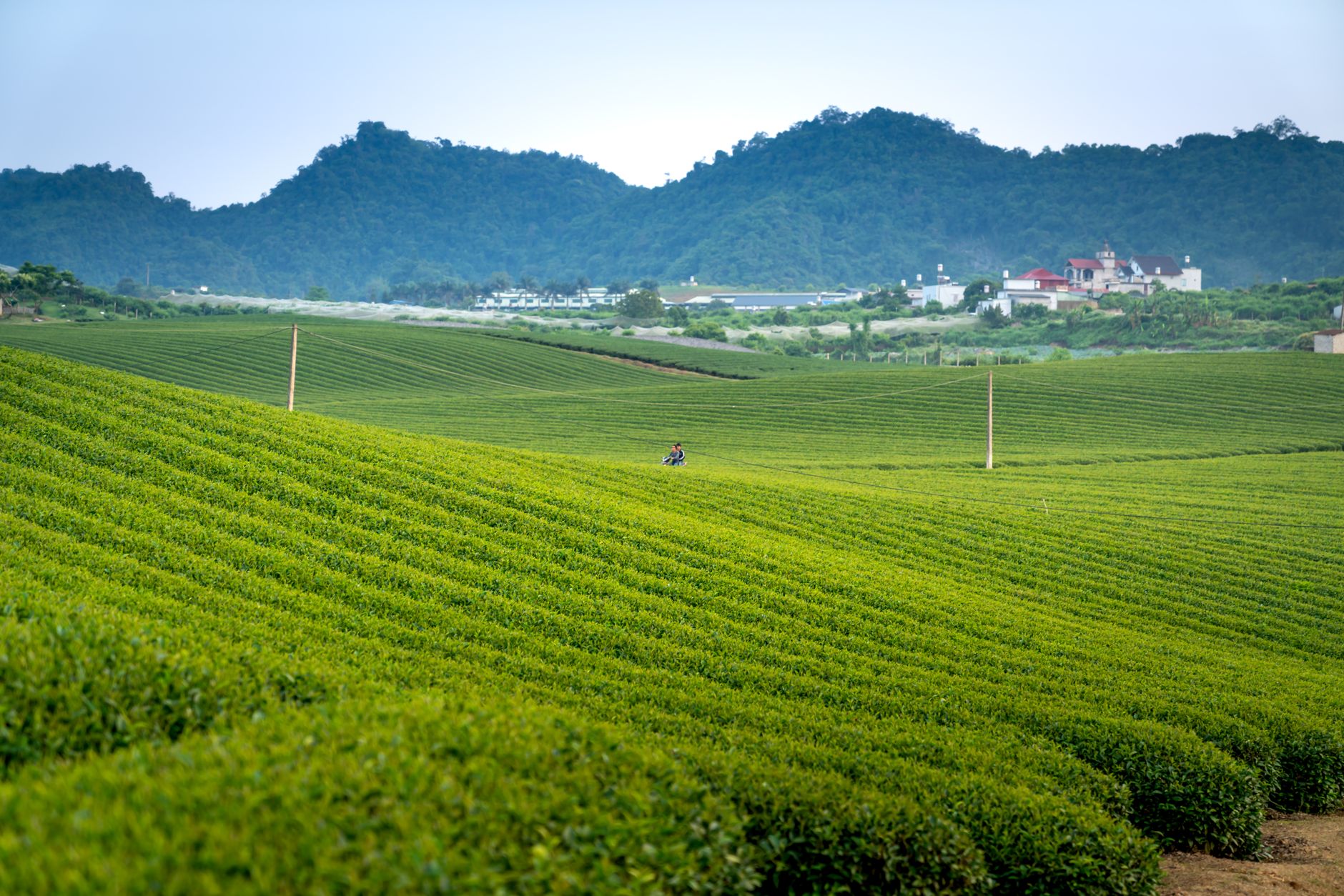
Start with one block, not the whole farm. A robot pilot program lets your crew learn the routine on a small planting, compare the map with what walkers find, and decide whether to expand. The lowest-risk start is one leased unit, with more coverage added only when the results justify it.
The first step is a free site assessment. We map the planting, check slopes, obstacles and flight constraints, pick the drone that fits the site, and prepare a quote. The lease runs through financing, and the payment comes in that quote, so you can compare it with the walking hours you spend today.
After the quote, we handle deployment and integration, go live support and staff training, with maintenance included in the plan. Remote triage and on-site dispatch cover problems in the field, and spare unit coverage keeps scouting running while a unit is repaired. We service it nationwide, so a planting far from our office is still covered.
Frequently asked questions
Want a drone at your coffee farm?
Tell us about your site. We will recommend the robot, quote the lease, and keep it serviced.
Sources
- UK university research news release on drones for coffee leaf rust
- 2025 study listing on drone imagery and mealybug detection in coffee
- Farm publication article on drone field scouting
- Farm technology article on drone crop walking software
- University thesis on two-stage drone and walking scouting
- Hawaii Department of Agriculture coffee production document 2025
- Uganda Flying Labs article on UAV coffee imagery
- Big Island roaster summary of USDA coffee production data