
Key takeaways
- Drones for ethanol plants photograph stacks, tanks and piping from the air, so staff spend less time at height.
- The Energy Information Administration counts 191 U.S. fuel ethanol plants, and each one has tall equipment that needs regular checks.
- Case reports show hours saved on stack work and fewer climbs, though several figures come from vendor case studies.
- A drone works best alongside a small crew, with the people who know the equipment still making the calls.
- Start with a free site assessment, then get a lease quote through financing.
How can drones for ethanol plants help?
Drones for ethanol plants mainly help with one job: looking at tall structures without sending people up to them. A drone can photograph stacks, tanks and process piping from the air, so staff spend less time working at height. For the person running the plant, the appeal is practical. The same look gets done with fewer climbs, fewer scaffolds and fewer permit steps.
The need is real across the sector. According to the Energy Information Administration, there were 191 U.S. fuel ethanol plants with 18,477 million gallons per year of capacity, using data as of January 1, 2025. Each site has stacks, tanks and piping that get checked on a schedule, and many of those checks still start with someone going up.
Drones do not replace the engineers, operators or inspectors who decide what a finding means. They shorten the time people spend at height and give the team a set of images to review at a desk.
How many ethanol plants face this problem today?
The sector is large and steady. According to the Energy Information Administration, 191 U.S. fuel ethanol plants held 18,477 million gallons per year of capacity as of January 1, 2025. Every one of those sites depends on tall stacks, storage tanks and process piping, so the height work is common across the whole fleet.
The plant count has moved. According to the Alternative Fuels Data Center, the number of plants peaked at 201 in 2020 and fell to 187 by 2022. It stayed unchanged from 2022 to 2023, while capacity and production rose slightly. Fewer plants producing more means each site's equipment matters more to the output.
Output keeps climbing. According to a farm broadcast report citing the Energy Information Administration, U.S. ethanol output reached 16.49 billion gallons in 2025, a record. Higher output leaves less room for taking equipment offline, which makes inspections that can be done with the plant running worth more to the team.
What does height work look like at an ethanol plant now?
Ethanol plants have a lot of vertical and overhead work. Stacks and vents rise above the process area, storage tanks hold product, and pipe racks run across the site. Rail loading adds more, since loaded train cars have manhole covers that need checking.
The traditional route depends on access equipment. According to a vendor case study on stack inspection, a stack check using scaffolding or a man lift could take a full day. Staff arrange access, sort out permits, climb or ride up, take readings and photos, then take the equipment down again.
Every step adds time and risk. Work at height brings fall exposure and extra planning, and each climb pulls people away from other tasks on the shift. That is why plant managers look for ways to see a structure without someone standing on it.
What are the main benefits of drones for ethanol plants?
The first benefit is fewer climbs for the same information. According to an industry summary of ethanol uses, drones with visible and thermal cameras check vertical structures such as stacks, pipe racks and pipeline tops. The same summary says they inspect manhole covers on loaded ethanol train cars.
The second is time. According to a vendor case study, five stack inspections were flown in three days, where traditional methods managed about one stack per day. A separate case report from a power plant says a gas turbine stack inspection took one hour by drone, avoided a worker lowered by crane and a permit process, and saved three days of work.
The third is uptime. The vendor case study also says the drone approach gave more measurements while the plant stayed online. A refinery case in a trade article reports that drone inspection of an FCC reactor riser avoided cutting open the top cap, and inspectors reported 170 man-hours saved.

How does a drone work at the plant day to day?
The day starts with a flight plan built around the site. The pilot and the plant contact agree on which stacks, tanks and racks to photograph, which areas must stay clear, and where the flight path can run. The plant contact stays close to the work, because they know where people and vehicles move.
The camera work is the core of it. Visible cameras record surface condition, and thermal cameras show heat patterns that can point to a problem worth a closer look. For tanks, automated drones at an energy company's site in the Rheinland region check whether the roof seal is intact, detect rainwater, and check the condition of the grounding cable, according to a case page.
After the flight, the images go to the team for review. A person decides what needs a closer look, and the crew climbs or sends a lift only to those spots. The rest of the site keeps running without a crew at height.
How do drones work alongside existing plant staff?
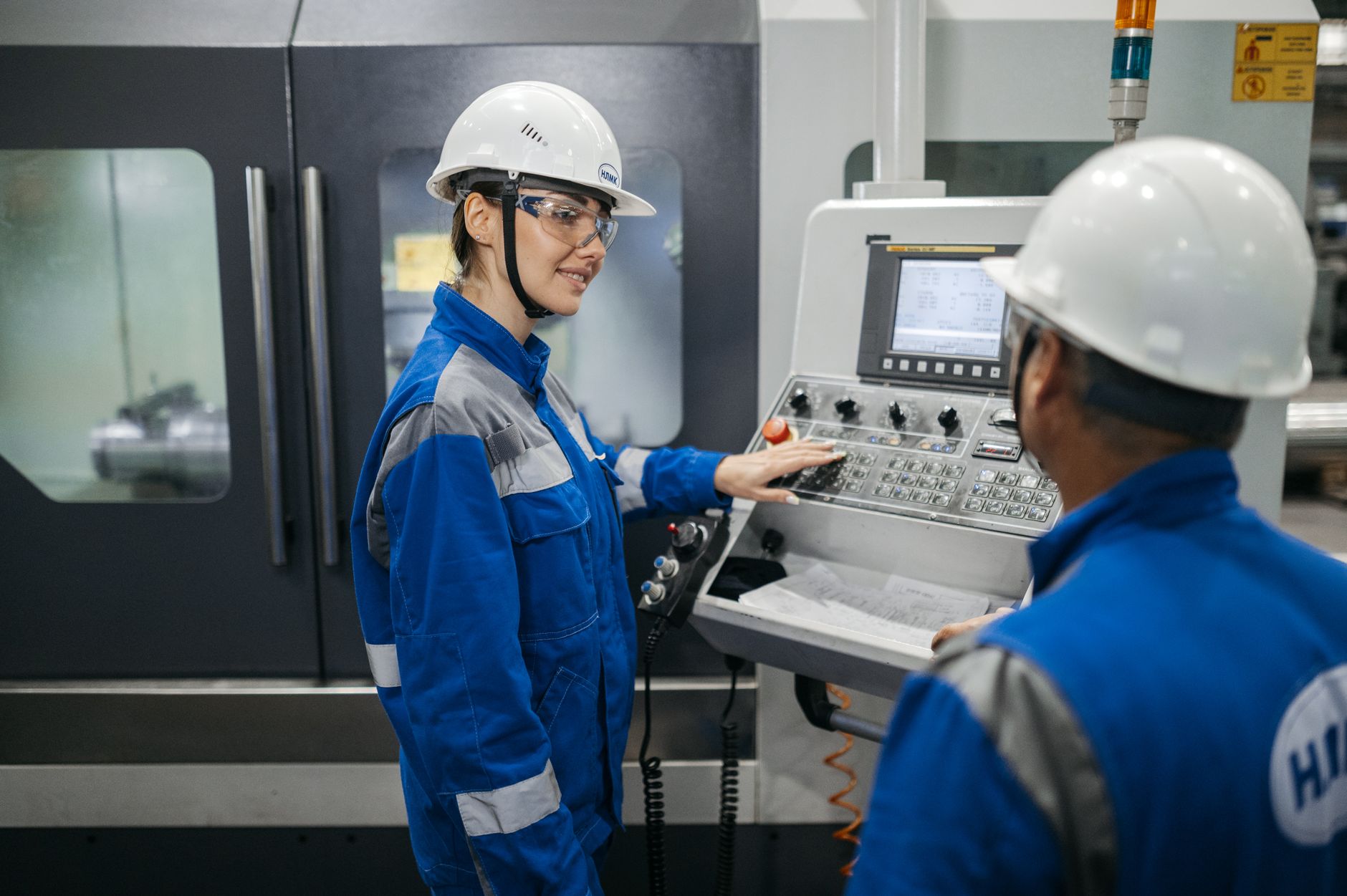
A drone does not run the plant alone, and it does not replace the people who know the equipment. A typical setup keeps a small team: a trained pilot, a plant contact who knows the stacks and tanks, and the engineers who read the results. The climbing side of the work gets smaller, but it does not drop to zero.
The plant contact has the most to gain from a clear handoff. They decide which assets are in scope on a given day, handle site access and the safety briefing, and flag hazards a camera will not show. Staff who fly and review images can build that skill with training, and the in-house team keeps the knowledge of the site.
We match the right aerial robot to the site, lease it through financing, deploy and integrate it, train your staff, and service it nationwide. Most of the planning happens before the first flight, with your plant team in the room.
What drives the savings in hours and labor?
The savings come from hours that never go to setup, permits and climbs. According to a vendor case study, five stack inspections fit into three days with drones, against about one stack per day with traditional methods. The gap is in how many structures a team can cover in the same window, not in any single flight.
Single-task figures are more striking, though they come from individual cases. A refinery case reported 170 man-hours saved on one FCC reactor riser inspection, and a power plant case reported three days of work saved on one stack. These are reported examples, not averages, so they show where the hours go rather than what your plant will save.
Your own number depends on how many stacks, tanks and racks are on your list, how often each one needs a look, and how much access equipment each one takes. A site assessment measures those inputs before anyone quotes a lease, so the hours estimate starts from your plant.
What can a drone not do at an ethanol plant?
A drone does not replace hands-on measurement everywhere. Some checks need a person to touch or test a surface, and a camera view cannot confirm everything. Weather also matters, since wind, rain and low light can stop flights, so the plan should include days when the aircraft stays on the ground.
The evidence base is thinner than the headline figures suggest. The research pass found no peer-reviewed or regulator-backed study that quantifies a drop in fall injuries from drone stack inspection, and no independent data on accuracy or cost for ethanol-specific drone work. Most of the figures on this page come from case studies, and they should be read that way.
A drone also does not decide what a finding means. The engineers, operators and inspectors who know the equipment still make that call. The drone shortens the path to the information they need, and we set up that path carefully.
How do I get started with drones for ethanol plants?
Start with a free site assessment. We walk the plant with you, list the stacks, tanks, pipe racks and rail areas that get checked, and note where access is hardest. That list shapes the aircraft choice, the flight plan and the training plan.
The lease comes through financing. Lease figures come only in a quote after the site assessment, because they depend on your site, your list of structures and the service plan you need. Once the lease is signed, we deploy and integrate the aircraft, train your staff, and service it nationwide, so one partner handles the calls.
A good first step is a pilot on one group of stacks or one tank farm, followed by a review of the images and the hours spent. That gives your team a clear picture before any wider rollout, and it keeps the lease decision grounded in your own site.
Frequently asked questions
Want a drone at your ethanol plant?
Tell us about your site. We will recommend the robot, quote the lease, and keep it serviced.
Sources
- U.S. Energy Information Administration
- Alternative Fuels Data Center
- Farm broadcast report citing the Energy Information Administration
- Industry summary of ethanol plant drone uses
- Vendor stack inspection case study
- Power plant gas turbine stack inspection case report
- Refinery FCC reactor riser inspection article
- Tank roof inspection case page