
Key takeaways
- Drones can photograph piping and vessels at height, so crews need scaffolding less often for routine visual checks.
- The main areas to fly are pipe racks, vessel shells, furnace tops, compressor skids, storage vessels and the site perimeter.
- Reported hour savings are large, but most figures come from vendors and contractors, so measure your own access work first.
- Contact checks, internal inspection and hazardous area limits keep scaffolding and experienced crews in the plan.
Can drones for hydrogen plants reduce scaffolding?
Yes, in one specific and useful way. Drones for hydrogen plants can photograph piping at height and the shells and heads of vessels from the air, so crews need scaffolding less often just to look. The drone takes the routine look, and people climb only when the images show something that needs hands on.
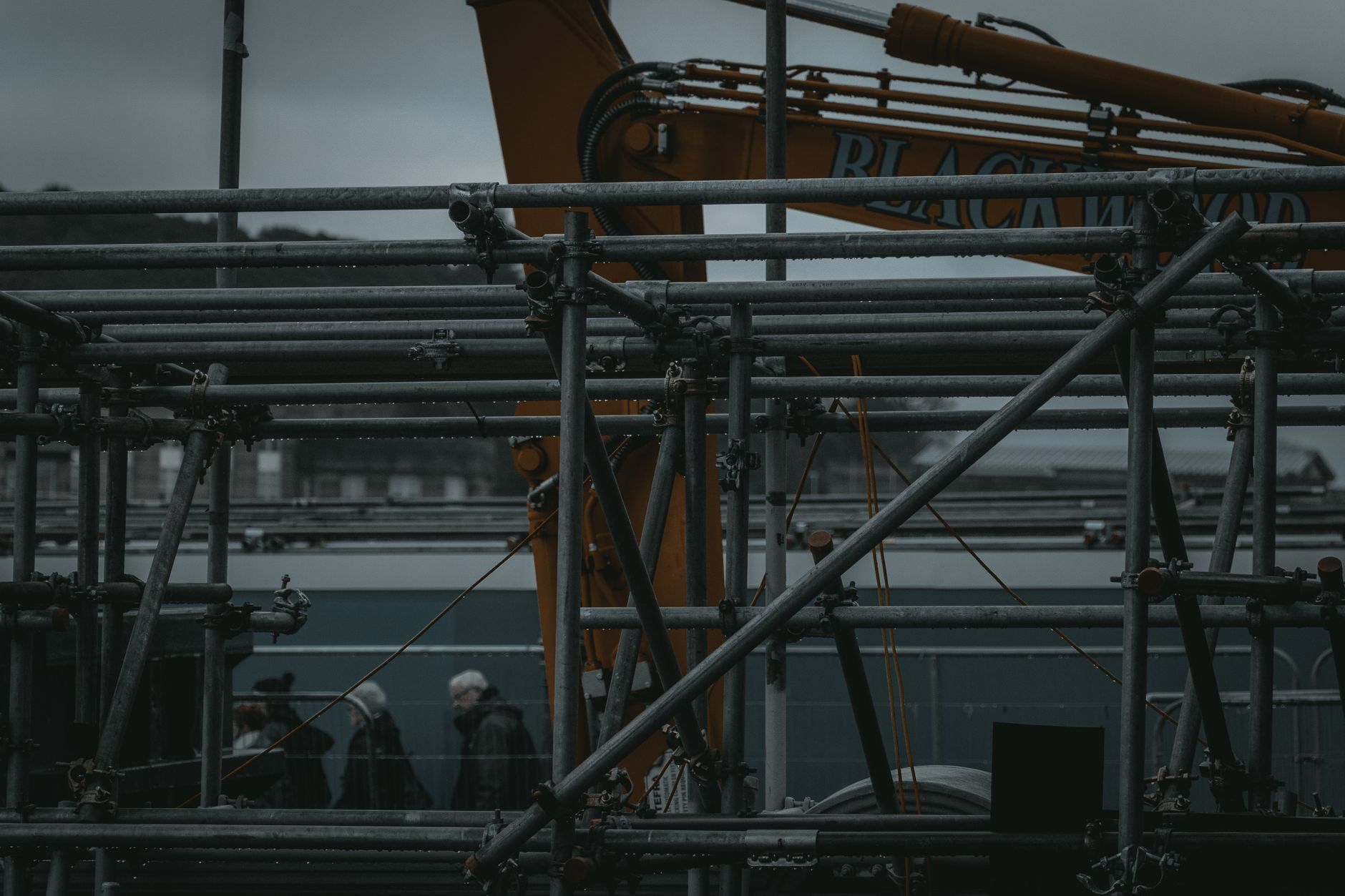
The benefit is about visual checks, not every inspection. Scaffolding still goes up for work that needs contact, such as thickness testing, weld repair or entry into equipment. What changes is the number of times a crew must erect and take down access only to look at a line, a support or a vessel and decide if it needs a closer look. A hydrogen plant has a lot of that kind of equipment, so those calls add up.
Scaffolding calls are the hardest part of this work to schedule, because access has to be built around a running unit, a crew and a permit. A drone changes that schedule more than it changes the inspection itself.
What does inspection at a hydrogen plant look like today?
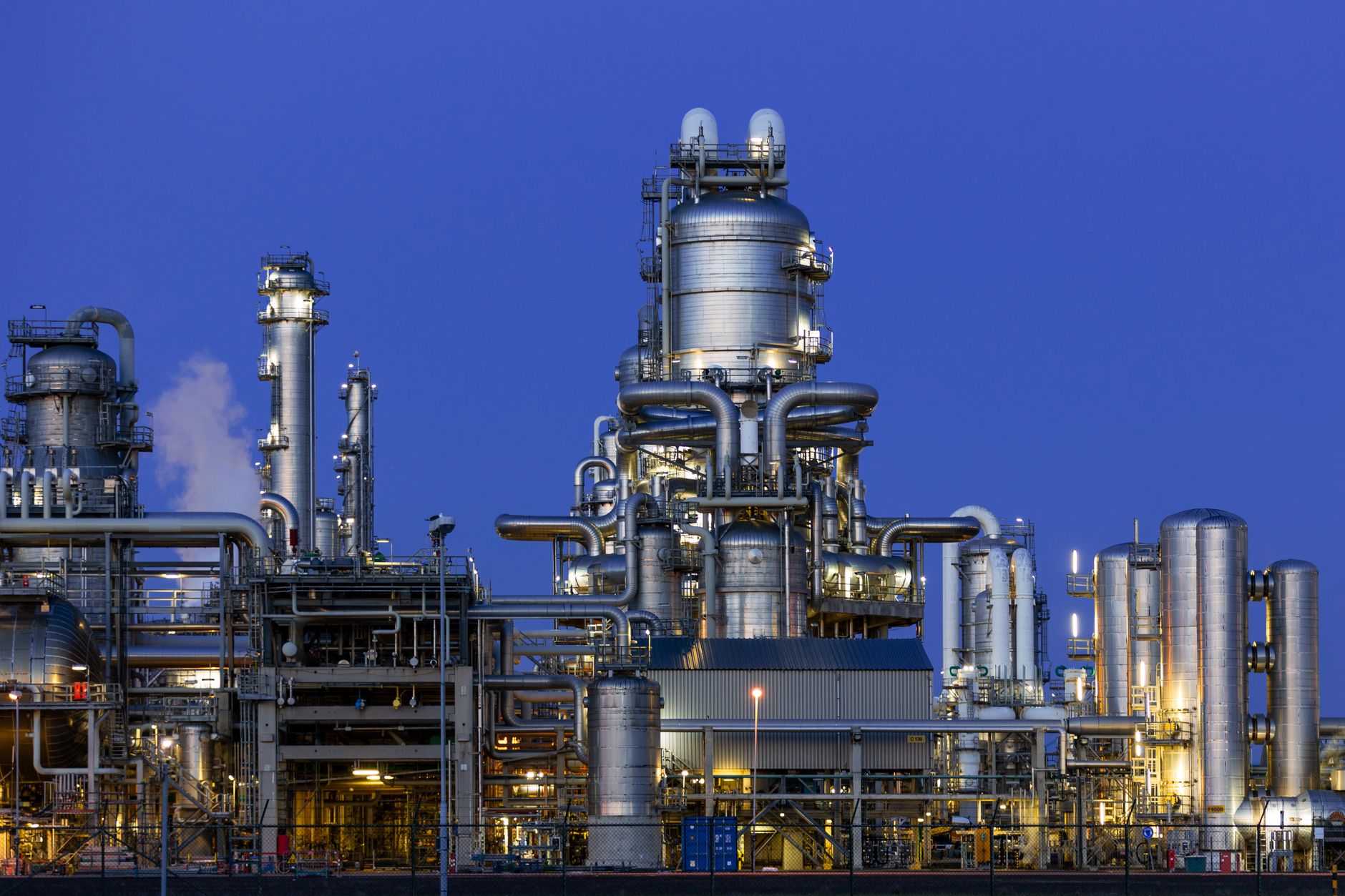
A hydrogen plant is compact but tall. Reformers, shift vessels, purification skids, compressors and storage vessels sit on structural steel, joined by pipe racks that run between units. Many of the lines that matter most for safety carry gas under pressure and heat, and their supports, insulation jackets, nozzles and vessel heads all need regular visual checks.
Today a visual check at height usually means booking access. Scaffolding or a lift is erected, a crew climbs, looks, photographs what it can reach, and then takes the access down. Each step competes with other work on the unit, and every extra check adds another round of setup. The spots that are hardest to reach can end up with the oldest look.
The problem is common. According to the North American Hydrogen Production Report from January 2025, there are 225 hydrogen production locations across the US and Canada, sorted by production method, capacity and company. For an operator, that means many sites face the same access work at height, not a rare edge case.
Refining is a big part of the picture too. EIA data republished on a statistics site shows roughly 3 billion cubic feet per day of hydrogen production capacity at US petroleum refineries as of January 1, 2025. An energy market analysis puts Texas and Louisiana at around 45 percent of total US hydrogen production and about 65 percent of merchant hydrogen, the kind sold to outside customers, so a large part of the sector sits in one region.
What are the main benefits of flying piping and vessels?
The first benefit is fewer hours at height. In a 2025 inspection described on an industrial contractor's project page, nearly 100 electrical components in a Louisiana facility would otherwise have needed scaffolding, and the team finished in two days. That is an electrical example rather than a hydrogen unit, but the access logic carries over: the drone does the looking, and scaffolding is saved for places that need it.
The second is less exposure to fall hazards. A pipeline drone program described in a National Safety Council case study reported that it significantly reduced worker exposure to fall hazards and minimized downtime. The case is qualitative, with no measured rate, and it did not involve a hydrogen plant, so treat it as direction rather than proof.
The third is a record you can compare. Each pass produces dated photos tagged to a position on the plant layout, so the next pass can be set against the last. Operators can see whether a support has moved, a jacket has torn or staining has spread, instead of relying on memory of the last climb.
The fourth is schedule. A multi-site refining group using a drone software vendor's approach reported that its turnaround inspection duration was cut 40 percent, according to the vendor's own case study. Turnarounds are planned shutdowns, so shorter inspection time matters when the whole unit is down.
How does a drone work at a hydrogen plant day to day?
A routine pass starts before anything leaves the ground. The pilot and the plant's operations lead agree on the units to fly, the route, the exclusion zones and what must stay clear during the pass. Permits, hot work restrictions and any hazardous area limits get checked first, since the plant's own permit system decides if the flight goes ahead that day.
Once cleared, the drone flies a set path along the racks and around each vessel at a planned distance, shooting stills and video. Images are reviewed on the ground, and anything that looks changed gets a closer photo or a flag for a crew to check in person. The pass repeats on a schedule, and the comparison over time is what makes the images useful.
A standard pass should capture the following.
- Pipe supports, saddles and the points where lines meet steel
- Insulation jackets, with any tears, staining or missing sections
- Nozzles, flanges and vessel heads that can be seen from the air
- Stack tops, roof edges and the areas around any flare or vent
Which areas of a hydrogen plant does a drone cover?
Most of the work falls into six areas, and each has its own reason to be flown. Pipe racks carry the most lines at height, so they usually come first. Vessel shells and heads are hard to see from the ground, so they come next.
The rest are about access and reach. Furnace tops and stacks are high and hot, and they are often the hardest places to reach safely. Compressor and purification skids are dense and outdoors, with many small fittings. Storage vessels and their bays cover a lot of ground. The site perimeter comes last, useful for checking fence lines, drainage and vegetation along the boundary.
Who works with the drone, and what stays with your team?

Drones for hydrogen plants work best as one part of a team, not a stand-in for one. A drone does not run a plant, and it does not replace the people who do. It works alongside a trained drone pilot, an operator who knows the process, and an inspection or reliability engineer who reads the imagery. The operators still control the unit, call the stops and decide which findings get a closer check.
We are a US commercial robot integrator. We choose the aircraft that fits the site, lease it through financing, deploy and integrate it into your permit and reporting routine, train your staff, and service it nationwide. Your team keeps the authority and the knowledge of your plant. Our job is to make the drone fit into that, not to take it over.
What drives the savings in hours?
The savings come from hours spent on access, not from a promise about totals. The reported figures show the range of what can change. In one scrubber inspection at a utility, described by a drone service provider, work fell from 280 manual hours to 10 drone hours, a 98 percent cut. That figure is the provider's own and has not been independently verified, so it shows the shape of the change rather than a result to plan on.
Other reported figures point the same way. According to a trade publication relaying a vendor's figures, a pipe rack survey covered about 600 m in two days. According to the vendor's case study, a multi-site refining group's turnaround inspection was 40 percent shorter. Each number means fewer hours at height and fewer people tied up for the same look.
Fewer scaffold erections, fewer climbs per check, less waiting for access to clear and fewer people tied up per look are what drive the hours down. The close inspection, the repair crew and the time your staff spend reviewing images are what keep hours from falling to zero. Your own hours depend on layout, check frequency and the access work you do now, and the site assessment is where that gets measured.
What can a drone not do at a hydrogen plant?
A drone does not see inside a vessel or through a wall. It cannot measure wall thickness, confirm internal corrosion or check the inside of a weld. Those checks still need contact, internal methods or access, so scaffolding stays in the plan for them.
Site and weather rules set limits too. Wind, rain and low light can stop a flight, and some areas may be off limits while a unit runs or during hot work. Near a flare, a vent or any classified area, the plant's own assessment decides what is allowed.
A drone also gives a view, not a verdict. Photos from above and the side can miss what hides under insulation jackets or behind dense steel. Thermal or other sensors can help in some cases, but they bring their own limits and still need a person who knows what the readings mean.
How do you start with drones at your hydrogen plant?
Start with one area, not the whole site. Choose the pipe rack or unit where scaffolding calls are most frequent, and run a few passes so you can compare the images with what your crews already know. A small first step shows if the flight plan, the permit routine and the review process fit your plant before anything bigger is decided.
We begin with a free site assessment. We map the racks, vessels and access points, review your permit and flight rules, and identify where a drone would replace scaffolding and where it would not. The lease is quoted after that assessment, through financing, and the payment comes in the quote. From there we handle robot deployment and integration, staff training, go live support, and on-site dispatch when something needs attention, with service nationwide.
Frequently asked questions
Want a drone at your hydrogen plant?
Tell us about your site. We will recommend the robot, quote the lease, and keep it serviced.
Sources
- National Safety Council case study on a pipeline drone program
- Industrial contractor project page on drone inspection in Louisiana
- Drone service provider blog on a utility scrubber inspection
- Trade publication on drone pipe rack inspection
- Drone software vendor case study on refinery turnaround inspection
- North American Hydrogen Production Report, January 2025, via a community post
- EIA refinery hydrogen capacity data, republished online
- Energy market analysis of US hydrogen production