
The question, in the buyer's words
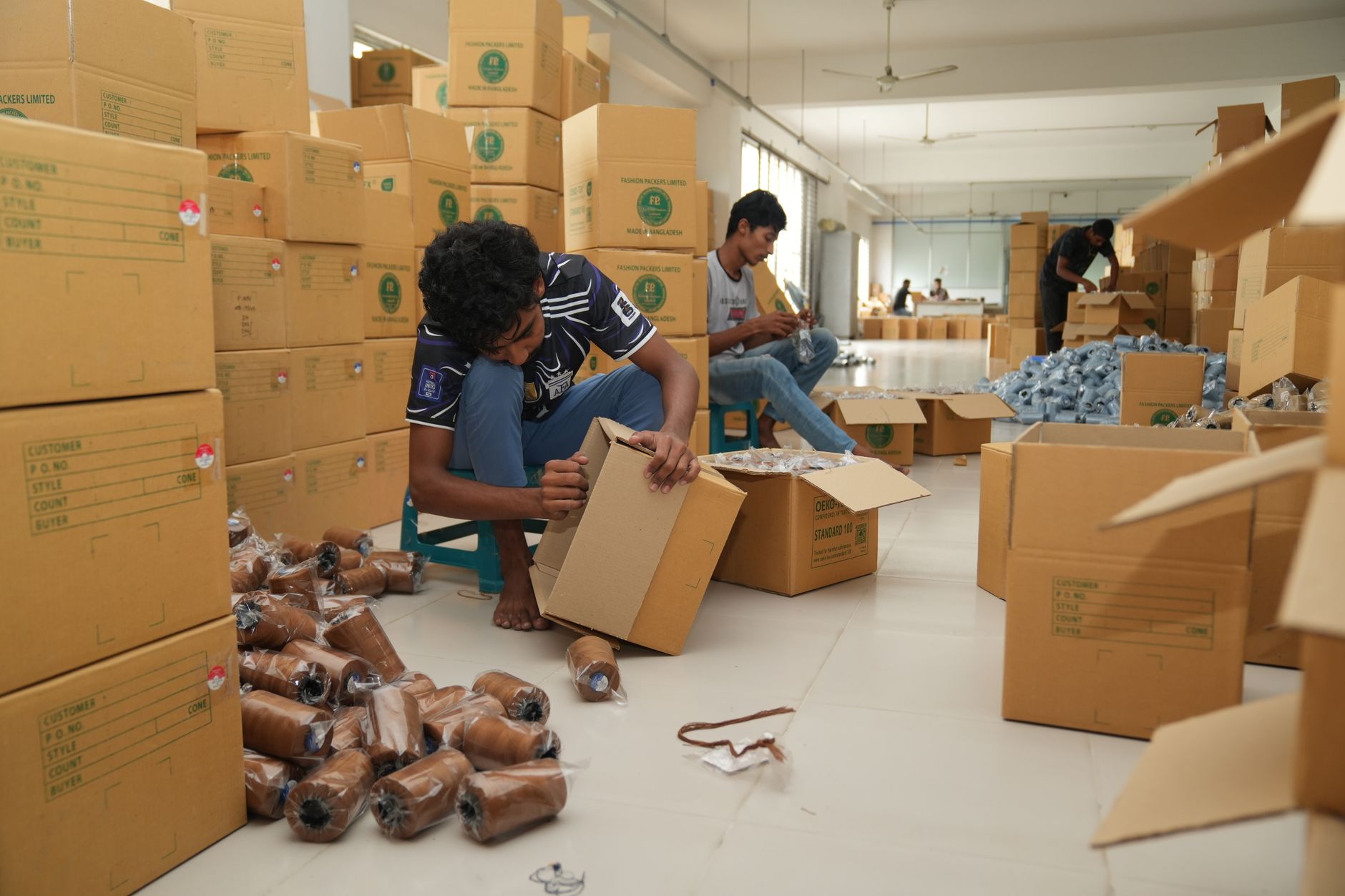
I run a frozen potato line in Idaho where packers quit every harvest season and cases stack up at the end of the line; could a cobot stack cases while the crew handles bag checks and labels?
Key takeaways
- A cobot can take the case stacking on an Idaho frozen potato line, while bag checks and labels stay with trained staff.
- Stacking is the strongest fit because it is repetitive and easy to measure, but the crew still sets the limit on the rest of the end of line.
- Case weight, grip on frozen cases and peak case flow decide whether one cell keeps pace during harvest.
- Cold conditions and the risk assessment should be confirmed in writing before any lease is signed.
- Start with one leased unit, measure a full harvest week, then widen only if the stack keeps up.
Can a cobot take case stacking on an Idaho frozen potato line during harvest?
An Idaho frozen potato line is a long chain of steps, and the end of it is where harvest trouble shows up first. When packers leave, finished cases keep coming off the line and pile up at the stacker or on the floor until someone can clear them. Case stacking is a repetitive pick and place job with a fixed pattern, which is why it is the step most often considered for a cobot in this kind of plant. Cobots tend to get serious attention when the job is steady and the cases are predictable, and stacking fits that profile better than most tasks at the end of the line.
Idaho's scale explains why the problem comes back every season. The Idaho Farm Bureau notes that Idaho typically accounts for about one-third of U.S. potato output. The USDA November 2025 crop production report put U.S. output at about 412 million cwt, 2% lower than the year before, on harvested acreage of about 895,000 acres, the lowest in a decade, with record yields.
Those figures describe the national crop, not your line. The numbers that should decide this are your own: cases per hour at peak, case weight, the number of stacking patterns you run, and the hours your crew spends clearing the stacker today. Those four figures show whether one cobot can carry the load or whether the job needs a larger plan.
How big is Idaho's food processing workforce, and where do packers come from?
Food processing is a large share of Idaho's economy, not a side activity. An Idaho Department of Labor food processing report puts the sector at 2.5% of Idaho jobs in 2013, against 1.1% nationally. That concentration means packing jobs in a plant town often compete with other food plants for the same local workers, and a plant that loses packers at harvest may find the replacement pool already committed elsewhere.
The seasonal labor pool also moves. Idaho Department of Labor estimates show migrant seasonal farmworkers rising from about 37,700 in January 2025 to about 63,400 in August 2025. Those figures measure farm labor, not packers, so they do not prove who leaves your line, but they show how much of the local workforce shifts toward the fields, and that shift can overlap with your harvest weeks.
Treat the 2013 processing share as background only, since it is an older figure. Pull up-to-date county employment and wage data for your location before you use it in an internal case, and ask your staffing agency how its harvest season fill rates looked last year.
Why do packers quit at harvest, and what does it do to the end of the line?
Public data does not measure packer turnover directly, so the honest starting point is the labor pressure around it. The USDA crop report shows a smaller harvested area with record yields, and a 2025 trade report on Idaho potatoes said labor and truck shortages compounded heat and smoke effects on potato sizing at harvest. When labor is short upstream, pack-out gets harder too, because fruit arrives late, uneven or out of spec.
Food manufacturing carries its own injury burden. The Bureau of Labor Statistics publishes a total recordable injury and illness rate of 3.3 per 100 full-time workers for food manufacturing (NAICS 311). That rate covers the whole sector and does not isolate case handling, so use it as context for taking repetitive lifting off people, not as proof for one station.
Turnover costs show up in three places: cases stacked at the end of the line, overtime for the crew that stays, and slower changeovers when the line has to run short. Track those three during your next harvest weeks, because the case for a lease rests on your numbers, not a general trend. Ask your supervisors which weeks of last season produced the most stacker backups, and check whether those weeks match the busiest weeks in the crop data. A plain log of stacker backups by hour will tell you more than any industry average.
Which end of line jobs can a cobot take, and which should stay with the crew?
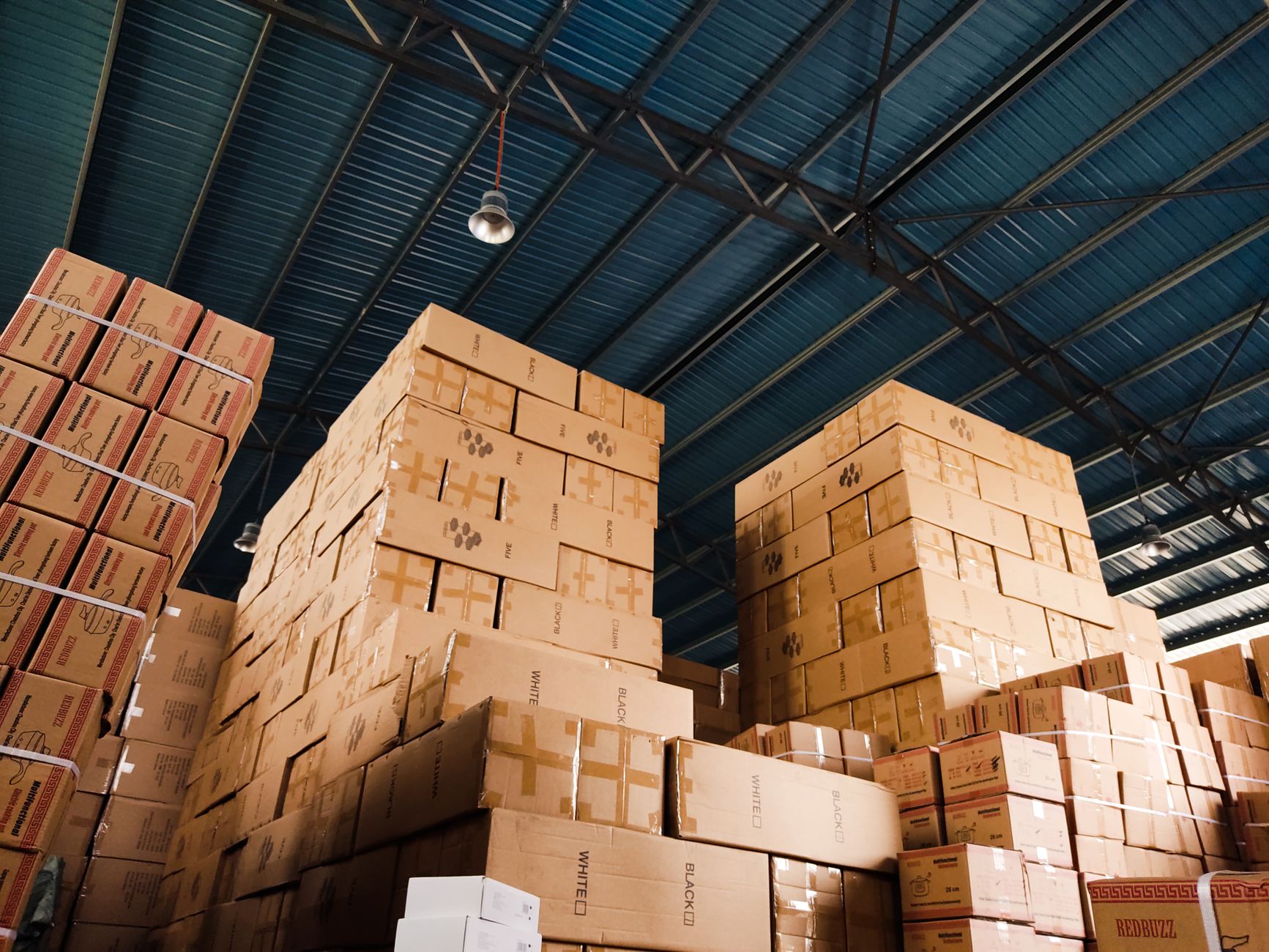
The split is clean if you draw it at the case, not at the line. A cobot can pick finished cases from the conveyor and place them on a pallet in a set pattern, then keep that pattern across shifts. Bag checks and label checks need a person to look at each item, read printed text and catch defects that a fixed program would miss.
Cases from a frozen line bring their own difficulties. They can be cold, stiff or wet with condensation, and case weight varies with pack size and fill. Check the heaviest case against the robot's rated payload with a margin, confirm the gripper suits your case format, and test grip on frozen cases before you commit to a design.
Speed is the other limit. A cobot shares space with people, so its throughput is set by the cell and its rated speed, not by a high speed palletizer. If your harvest week case flow exceeds what one cell can clear with margin, one cobot will not carry it, and a second cell or another type of palletizer belongs in the plan.
- Cases per hour during your busiest harvest week
- Heaviest case weight on your pack line
- Number of stacking patterns used in one shift
- Hours per shift the crew spends clearing the stacker today
- Temperature range at the stacker and the cold dock
Will a cobot handle frozen cases in Idaho winter cold and freezer conditions?
Idaho's winter cold is a planning fact for the plant, not just weather. A weather history site summarizing 1991 to 2020 normals puts Boise's January average high at about 38.8 F and average low at about 25.1 F, with a record low of minus 26 F on January 23, 1930. Those figures describe Boise, so measure the conditions at your own loading area and cold dock, which may differ.
The robot's rated operating temperature range matters more than the outdoor forecast. Ask the manufacturer for the stated range in writing, then compare it with the air at the stacker, including the effect of cold dock doors that open and close, and with the condensation that forms when warm air meets cold cases. Freezer design temperatures are not in our research, so confirm them with your refrigeration engineer.
Ask for cold duty specifications for the arm, gripper and controller separately, since each may carry its own limit. Then run a test at the real cold temperature before harvest starts, not after the first stacking fault. A test that runs a full shift will show grip problems, frost and cable issues that a short demonstration misses. Frost on cases can also change how a gripper releases a load, so inspect release, not just pick, during the test.
What safety rules apply when a cobot stacks cases beside people?
Collaborative robots are designed to work near people, but that design does not replace a site-specific review. ISO/TS 15066 sets safety requirements for collaborative robot systems and supplements ISO 10218-1 and ISO 10218-2. A 2025 revision of ISO 10218-2 is reported to use the term collaborative application for integrated cells, so confirm which edition your integrator works to.
A risk assessment has to cover the whole cell, not only the arm. The case infeed, pallet area, gripper and peripheral equipment all change the hazards at the stacker. An older industry article on food lines notes that speed and payload can limit cobots there, so the assessment must be specific to your line and written down for your own team. Confirm the integrator's experience with food lines specifically, since washdown, condensation and frozen product change the cell's exposure over time.
Adoption is growing, which helps with parts and trained integrators. An IFR-linked summary reports about 64,500 cobots sold in 2024, nearly 12% of new industrial robot installations, up 13% year on year. That growth shows supplier depth, but it does not replace your own review of stop behavior, guarding and operator access.
How much of the harvest labor gap can one cobot cover?
One stacking cell covers one task, not the whole gap. If packers leave, stacking is a sensible place to start because it is repetitive and easy to measure, but bag checks and labels still need people. Plan staffing as the crew minus the stacking job, then test whether the remaining crew can run the line at harvest volume.
Start small. A phased deployment lets you install one leased unit, run it through a harvest week with the crew in place, and widen the job only if the stack keeps up. That approach aims to keep the line running and gives you real data on case flow, grip and downtime before you commit to a second unit.
Keep a fallback plan. Decide in advance who clears the stacker if the cell stops, how many staff that takes, and what happens to case flow during an outage. Ask whether a spare unit or loaner is part of the service arrangement for your site, since that decides how much fallback labor you keep on the line. Write that plan down and walk it with the crew before harvest, because a fallback that exists only on paper will not hold on a busy shift.
- Shift coverage
Cobot
Runs the stacking cell for scheduled hours, including a later shift if your plant runs one, under the supervision set by your plan.
Staff
Needs breaks, shift rotation and hiring, and turnover resets the skill level of the crew.
- Pattern changes
Cobot
Repeats the programmed pattern exactly. Changes need a new recipe or reprogramming.
Staff
Adjusts the pattern on the fly and handles an odd case without stopping.
- Case inspection
Cobot
Moves cases but does not judge bag seal, weight or label.
Staff
Checks seal, count, label and damage by eye and by hand.
- Cold work
Cobot
Works within its rated temperature range. Condensation and grip need testing before harvest.
Staff
Works in the cold with gloves and rotation, though fatigue builds over a long shift.
- Peak volume
Cobot
Throughput is fixed by the cell, the payload and its rated speed, and may fall short at peak.
Staff
Can add hands at peak, within the limits of breaks and who is available that week.
- Faults and downtime
Cobot
Stops for faults and needs a service response, so a spare unit or fallback labor may be needed.
Staff
Absences are covered by moving staff around, but the pool of available people is the limit.
- Onboarding
Cobot
Training is delivered to the team and the cell then runs the same way every shift.
Staff
Training takes time for each new packer, and the skill leaves when the packer does.
How do you lease a cobot for an Idaho plant without shutting the line?
We handle the whole path with one partner, from selection to service. We pick the right robot across manufacturers for your cases and floor, lease it through financing so the full equipment cost is not paid at once, and then deploy and integrate it. We train your staff and service every unit under our service plan, backed by regional service engineers in the states we service.
The first step is a free site assessment. We map the end of line, measure case weight and flow, check cold conditions, and confirm that a regional service engineer covers your plant. Bring your harvest calendar and case counts to that visit, because the assessment is only as good as the numbers you can show. The lease is quoted after that assessment, so the terms reflect your site rather than a generic catalog.
Ask for a written plan before signing. It should include the risk assessment, the training schedule, the harvest week deployment window, the service response for your site and the fallback staffing. That document lets your operations, safety and finance teams see what the lease covers before the first case is stacked.
Frequently asked questions
Want a cobot at your frozen food packing lines?
Tell us about your site. We will recommend the robot, quote the lease, and keep it serviced.
Sources
- Idaho Farm Bureau, a look at Idaho crop acres in 2025
- USDA November 2025 crop production report, as reported by RFD-TV
- Idaho Department of Labor, agricultural employment estimates 2025
- Bureau of Labor Statistics, food manufacturing injury and illness rates (NAICS 311)
- Idaho Department of Labor, food processing report
- Boise January weather history, 1991 to 2020 normals
- IFR-linked summary of global cobot sales
- Trade report on Idaho potato sizing during the 2025 harvest