
The question, in the buyer's words
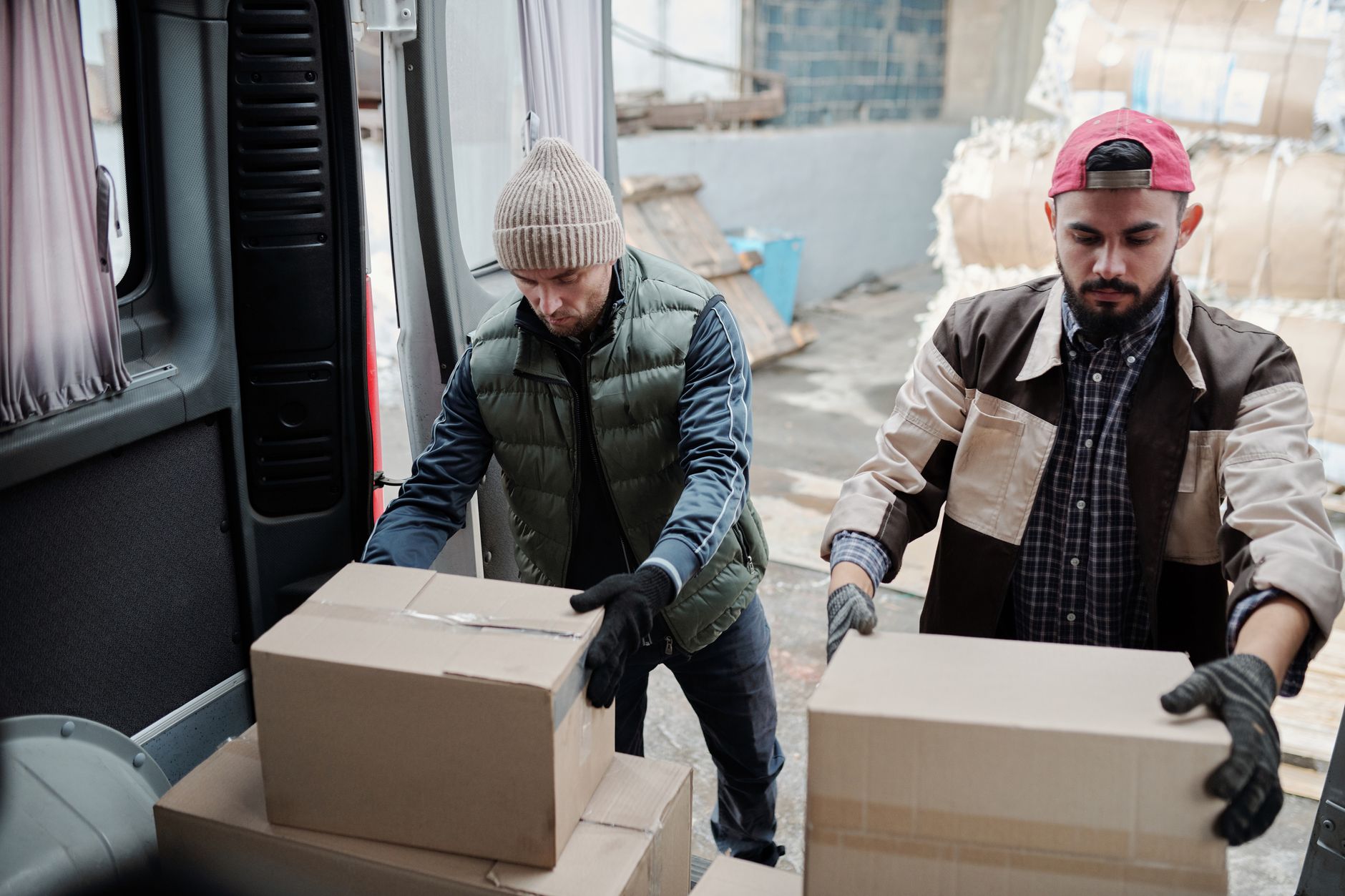
I run a 45-person contract packaging shop where blister cards are packed into cartons by hand all shift, and rush orders keep piling up behind the packing tables; how soon could a cobot take the carton loading so the shop catches up?
Key takeaways
- A cobot can take blister card carton loading, but the backlog clears only if card feed keeps pace with the robot.
- About 645,210 people were employed as packers and packagers, hand, in May 2023, according to the Bureau of Labor Statistics.
- Repetitive placing is a known injury driver, so the carton station is a sound place to start looking.
- We found no verified timeline or hours figure for this task, so measure your own line first.
- Start with a free site assessment, then a quote built on your real cards and cartons.
Can a cobot take carton loading on a blister card line?
Carton loading on a blister card line is the step where finished cards are placed into shipping or retail cartons, usually counted, oriented and packed by hand. A collaborative robot arm, or cobot, can pick each card from a feed point, place it in the carton, and pass the carton to the next station. In contract packaging, that placing step is often what sets the pace of the whole line, so it is the first place to look when rush orders stack up behind the packing tables. Service Robot Co. picks the robot for the site, leases it through financing, and deploys and integrates it, which is how this step is set up in practice.
A cobot changes who places each card, not what a card is. It takes the repetitive placing, counting and carton handling, while a person keeps the work that needs judgment: checking print, catching a torn card, reading a rush sheet, and clearing a jam. Collaborative robots are designed to work near people, but the cell still needs a risk assessment, guarding at pinch points and a clear rule for who loads the feed. Those rules decide whether the cell is safe on the second shift as well as the first.
Your backlog is a flow problem before it is a robot problem. If packers are the only route from finished card to carton, a robot at the carton station moves the bottleneck upstream to card feed, and rush orders still wait. The useful question is whether the robot shortens the path from a finished card to a shipped carton, measured on your real cards, not whether it can place a card in a demo.
How many contract packaging shops are there in the US?
The count depends on which source you trust. Packaging World states there are approximately 1,600 contract packaging companies in the US, though that article is undated and should be treated as an older estimate. IBISWorld lists 1,471 businesses in Packaging & Labeling Services for 2026, a broader category that includes printers, labelers and other shops that do not run contract work. Neither figure tells you how many shops run hand-packed blister card lines, which is the group closest to your shop.
The count matters less than the direction. Customers who need fast turnaround will notice which shops can take rush work, and a backlog that repeats each week gives them a reason to move the job elsewhere. Automation is spreading across the wider sector. A3 reported that North American companies ordered 36,766 robots in 2025, up 6.6% in units and 10.1% in revenue over 2024.
According to A3, collaborative robots made up 19.6% of 2025 units, or 7,212 units, and reached 28.6% of units in the fourth quarter. These figures cover all industries, not packaging alone, and A3 began tracking cobots separately in 2025, so the series is short. Read them as a sign of momentum rather than a packaging forecast. We did not find a verified adoption rate for cobots at contract packaging shops.
How many people hand pack, and is that workforce easy to staff?
According to the Bureau of Labor Statistics, about 645,210 people were employed as packers and packagers, hand, in May 2023, down from 653,870 in May 2022. That is a large occupation, so the national labor pool is not the constraint for most shops. A town-level shortage, a shift that is hard to fill, or a packing crew that turns over quickly can still stall a rush order, and national totals do not show any of that.
We did not find a published turnover rate for hand packers. The Job Openings and Labor Turnover Survey reports turnover by industry rather than by occupation, so it cannot tell you how many packers a shop loses each year. Track your own separations, overtime hours and open shifts at the packing tables. Those records show whether staffing is the real constraint or whether the work is simply arriving faster than the crew can take it.
A cobot does not replace a whole shift on its own. It takes the placing step, which lets packers move to the feed, changeovers and exceptions that a robot handles poorly. The labor question is therefore whether freeing those hours clears the rush backlog without asking existing staff to work more overtime, not whether you can eliminate the crew.
How soon could a cobot go live on carton loading?
You asked how soon, and the honest answer is that we cannot give a weeks figure from verified data. We did not find a published measure of the hours hand carton loading takes per shift at a contract packaging shop, or an independent measure of how long a small case packer takes to go live. One manufacturer claims end-of-line setup can take a few days, but that is a vendor claim rather than measured data, and it will not describe your card feed or carton formats.
Timing depends on four things: how many carton formats you run, how often you change over, how cards arrive at the station, and whether the cell fits your floor. A line running one carton size can go live far sooner than a line switching between six formats in a shift. The site assessment answers these questions. It maps the floor and tests your real cards and cartons before any quote, so the timeline comes from your line instead of a brochure.
Return claims vary just as widely. Packaging World reported a nine-month ROI for a cobot palletizing project at a coffee co-packer, but we saw only the headline, and palletizing is not carton loading. Treat any return figure as a result from one project. Ask any integrator, including us, to show the assumptions behind it, especially downtime, changeover time and the volume of rush orders.
Where is the injury risk in hand carton loading?
The Bureau of Labor Statistics reported a private industry recordable injury and illness rate of 2.3 per 100 full-time workers in 2024, down from 2.4 in 2023, as summarized by Lab Manager. That rate covers all private industry, so it does not describe packing lines directly. For a closer view, the National Safety Council's summary of BLS event data is more useful.
The Council reports that overexertion, repetitive motion and bodily reaction produced 946,290 DART cases for 2023 and 2024 combined, the most of any event category. DART cases are those involving days away from work, restricted work or job transfer. The Council cautions that changes to the 2023 definitions limit year-to-year comparison, so read the total as a broad signal rather than a trend line.
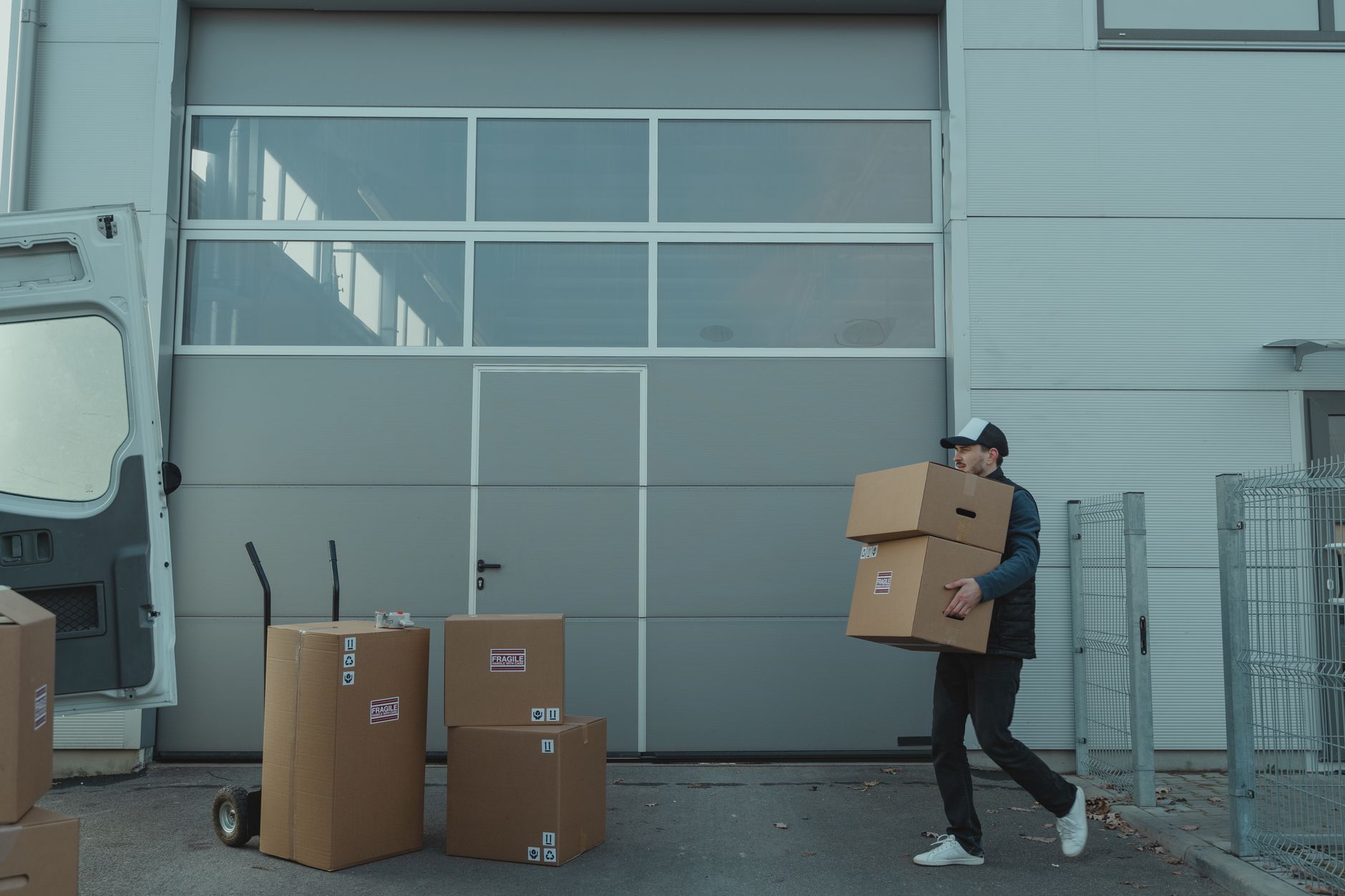
The Council classifies picking, sorting, placing, bagging or moving objects during packaging as a repetitive-motion task. BLS does not publish repetitive-motion injury rates by packaging industry, so your own OSHA 300 log is the best local evidence. Look at wrist, shoulder and back entries from the carton station and the packing tables, along with near-miss notes. Those entries show which step to automate first, and they give your insurer and your crew a written record.
What can a robot do better than a packer, and where does a packer still win?
A cobot repeats the same placing motion for a whole shift without fatigue, and it does not lose count when a rush order is stacked on the table. A packer is better when a card is damaged, a carton is misformed, the print is off or the order changes mid-shift. Those exceptions are where human judgment earns its place, and a well-designed cell gives them a clear route instead of forcing the robot to handle them.
The right split gives the robot the routine work and gives the packer the exception queue. That split changes a backlog because routine placing runs steadily while exceptions are handled without stopping the line. If a cobot is asked to resolve every exception, it stalls and the backlog grows at the robot instead of the table. Set the rule before the robot goes in, not after the first jam.
- Shift coverage
Cobot
Runs the placing step through a shift without fatigue, as long as the feed is steady and the cell is maintained
Staff
Needs breaks, shift handovers and scheduled staffing for every shift
- Consistency
Cobot
Places cards the same way on every cycle when the feed and carton are in spec
Staff
Varies with fatigue and pace, but notices print faults and torn cards on the spot
- Rush order changes
Cobot
Needs a format setup or program change for each new carton or card layout
Staff
Re-sequences work quickly and handles a mid-shift change without any setup
- Exception handling
Cobot
Stops or calls for a person when a card or carton is out of spec
Staff
Judges damaged cards, misformed cartons and quality issues without stopping the line
- Ergonomics
Cobot
Removes the repetitive placing motion from the carton station
Staff
Still does feed, changeover and exception work, which carries its own physical load
- Staffing
Cobot
Adds placing capacity without adding a person to that step, but needs a trained operator
Staff
Flexible across tasks, but has to be recruited, trained and scheduled for each shift
How do you get a cobot for carton loading through Service Robot Co.?
Service Robot Co. is a full-service commercial robot integrator for US businesses. We are OEM-neutral, so we pick the right robot for your line across manufacturers, then lease it through financing, deploy and integrate it, train your staff and service it under RoboCare, our service plan, through regional service engineers in every state we service. You work with one partner for the whole lifecycle rather than several.
The first step is a free site assessment that maps the packing area and tests your card and carton handling. The quote follows the assessment. Robots are leased through financing, and the lease payment appears in that quote, not on this page. Because layout and card feed vary from shop to shop, a figure from another line does not tell you what your own lease will look like.
Start small if your floor and card feed allow it. One leased unit on one carton station gives you real cycle times on your cards before you commit to more units. Ask what happens when the robot stops in the middle of a rush order, how fast a regional service engineer can respond, and how the packing tables keep moving until the cell is back.
What should you check before you decide?
Check the things that change the answer before you sign anything. A cobot can be the right fit on one shop floor and the wrong one on the next, and the difference usually comes down to a few measurable points rather than the robot itself.
Start with your own numbers. Count how many cards reach the carton station per hour, how many carton formats run each shift, and how many changeovers you make a week. Those counts show whether the placing step is the true bottleneck or whether feed, labeling or shipping will stall the line next. Without them, neither a vendor nor a consultant can tell you how soon the backlog clears.
Frequently asked questions
Upcoming manufacturing events
- Trade showBrats & RobotsNov 10, 2026Alliant Energy Center Exhibition Hall, Madison, WI
- Trade showMATE Farm & Ranch ShowFeb 11 to 13, 2027MetraPark, Billings, MT
- ExpoPFMA Expo 2027Feb 17 to 18, 2027Washington County Fair Park, West Bend, WI
- ExpoLouisville Facilities Maintenance ExpoApr 15, 2027Mellwood Art Center, Louisville, KY
Want a cobot at your contract packaging lines?
Tell us about your site. We will recommend the robot, quote the lease, and keep it serviced.
Sources
- Automate (A3), North American robot orders 2025
- Bureau of Labor Statistics, Packers and Packagers, Hand (May 2023 OEWS)
- Bureau of Labor Statistics, Packers and Packagers, Hand (May 2022 OEWS)
- Lab Manager, summary of BLS 2024 injury and illness data
- National Safety Council, overexertion and bodily reaction (summary of BLS data)
- IBISWorld, Packaging & Labeling Services businesses
- Packaging World, contract packaging companies in the US
- Packaging World, cobot palletizing nine-month ROI at a coffee co-packer