
The question, in the buyer's words
I run a 50-person tire retread plant in Reno, Nevada where buffers lift heavy green casings all shift, and two of them are on light duty with shoulder injuries; could a cobot take the casing handling so buffers only inspect the bead?
Key takeaways
- A cobot fits the repeated casing transfer, not the whole buffer job.
- Casing weight by size decides the answer before any robot is chosen.
- Shoulder injuries also need an ergonomic review of the stations, not just a robot.
- Reno's staffing pool and summer heat belong in the plan, so check them on site.
- Ask for a free site assessment before comparing any lease quote.
Can a cobot take casing handling at a Reno tire retread plant?
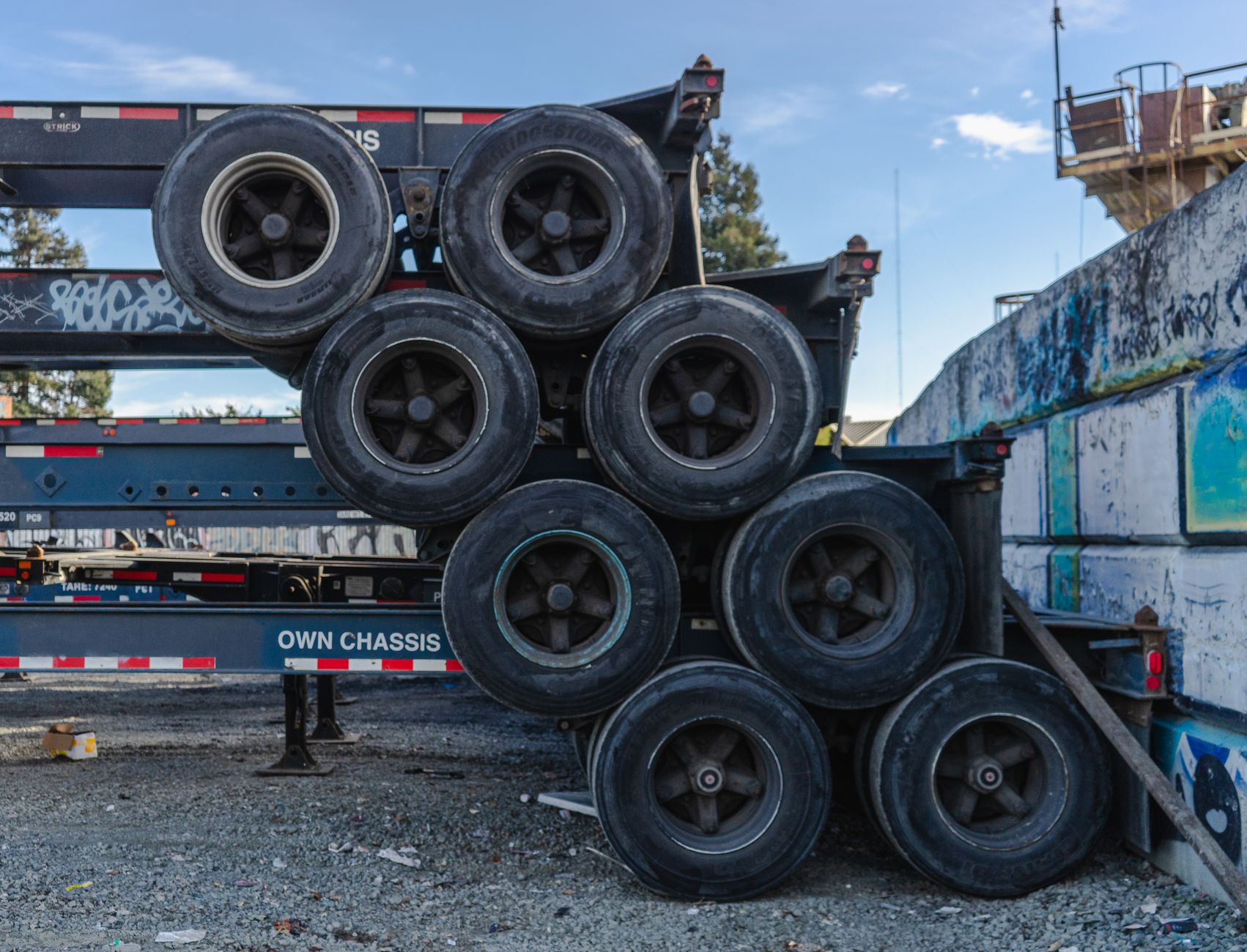
If two of your buffers are on light duty with shoulder injuries, the lifting is the first problem to solve, and a cobot is one of several tools that can reduce it. A retread plant buffs the old tread off each casing before a new tread goes on, so the green casing moves from staging to the buffer, then back out after buffing, many times a shift. That repeated transfer is the part a cobot could take over, and it is the part that puts the most load on the crew.
The honest answer for your plant is partial. A cobot can plausibly handle the transfer if the casings fit its rated load and the buffing station has room for a fixture, but it is less likely to cover every step, especially the heaviest casings and the judgment calls buffers make by eye and by hand. According to the Tire Retread & Repair Information Bureau, as reported by Tire Review, about 700 U.S. retread plants remain, down from about 3,000 in 1990. That page is undated and may cover only truck tire plants, so treat the count as a trend indicator.
This page covers what the injury data says about lifting, what casing weight and station layout will decide, how a robot fits the crew, what Reno's labor pool and summer heat mean for the plant, and how getting a leased unit works with us. Nothing here replaces the site assessment that measures your actual stations.
How much lifting injury risk do buffing crews face?
Lifting is a widespread injury source across US workplaces. According to the National Safety Council, which summarizes Bureau of Labor Statistics data, private employers reported 2.5 million nonfatal workplace injuries and illnesses in 2024, down 3.1 percent from 2023. The same summary reports nearly 1 million days-away, restricted or transferred (DART) cases in 2023 to 2024.
Manufacturing figures are older but more specific. A Bureau of Labor Statistics analysis of 2005 data, preserved in an archived copy, reported that overexertion was the most common event in manufacturing, at 23 percent of cases, and that 51 percent of those came from lifting. The data is dated, but it describes the same exposure your buffers report. The National Safety Council describes musculoskeletal disorders as the most common workplace injury, and these usually build up from repeated work rather than one event.
For your crew, the practical reading is that frequency matters as much as the single heaviest lift. Every casing that goes from staging to buffer adds exposure, so a cobot that removes the repeated transfer addresses the pattern. The two injured buffers still need a return to work plan and an ergonomic review of the station they will return to, because a robot does not change a station's height or reach by itself.
How heavy are green casings and where does the lift happen?
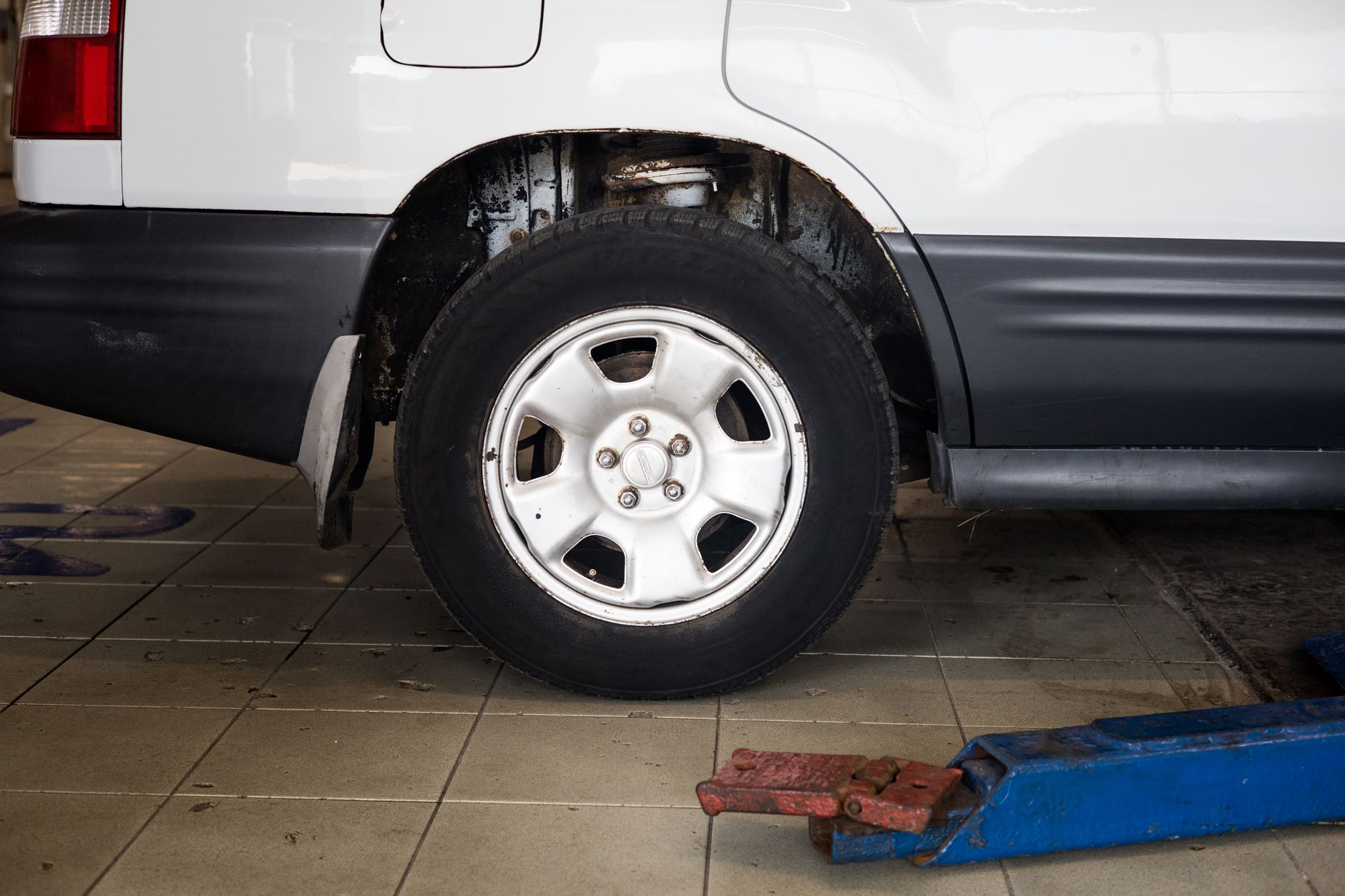
The lift is not one number, because casing weight varies with size and tire type. Before any robot is compared, weigh a sample of casings across each size class you run, record the lift height from the staging rack to the buffer loading position, and count how often each lift happens per shift. Those three measures, not a general weight from an article, decide whether a cobot's rated load and reach are enough.
The NIOSH lifting equation gives a way to screen the lift. It divides the load by a recommended weight limit, and a lifting index above 1.0 means the load exceeds that limit. According to Safety and Health magazine, the equation uses a load constant of 23 kg (51 lb) and covers two-handed lifts, so two-handed casing lifts fall within its scope. A plant screen should still use the full inputs and a qualified ergonomist, not a single calculation.
Two lift points matter most. The first is the staging rack, where the casing comes off a cart or pallet, and the second is the buffer loading position, where it must sit square on the inflated buffer or its fixture. A cobot works well when reach and height stay fixed, so stations should be measured for consistent geometry before a unit is chosen. Rack heights that change by shift or by operator make the fixture harder to design.
Can a cobot handle the lift at a buffing station?
A cobot is built to work alongside people and to repeat motions, which suits a transfer between two fixed points. In a retread bay the typical move is a casing taken from a staging spot to a fixture or the buffer, then moved again after buffing or inspection. Those moves can be taught once and repeated, and they are where most of the lifting load sits.
The harder parts are the gripper and the mounting. A casing is a heavy, flexible rubber ring, sometimes wet or dusty, and its bead area has to be held without damage. A gripper designed for that shape, plus a fixture that centers the casing on the buffer, usually accounts for most of the integration work. No cobot corrects a misaligned buffer or a casing that does not sit square on the fixture.
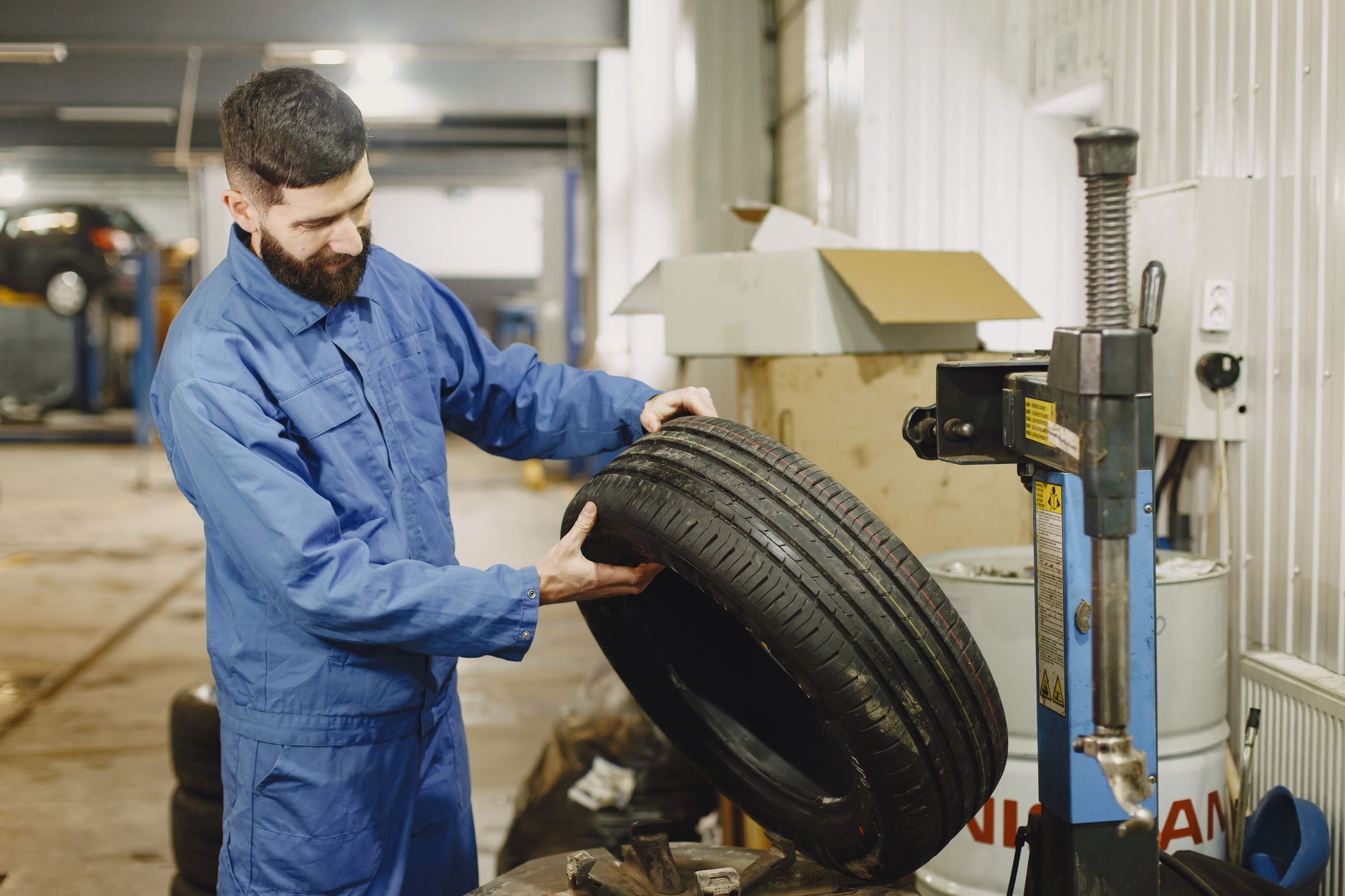
Inspection needs its own look. Retread plants usually inspect casings before buffing, and some use shearography to find internal damage. A cobot can present a casing for inspection, but whether buffers should check only the bead is a process question for your quality team. Your request for buffers to inspect only the bead is possible only if your quality procedure accepts that split, otherwise buffers keep more of the inspection than the bead alone.
What do Reno's labor market and summer heat mean for a retread plant?
Reno's labor market shapes how hard it is to refill a lift role. According to the Nevada Governor's Office of Economic Development, using Lightcast data, Reno-area logistics and operations jobs rose to 33,343 in 2026, up from 26,737 in 2016, a 24.7 percent increase. Warehouses and distribution draw on a similar pool of workers, so a vacancy in a lift role can be harder to fill than it looks on paper.
Manufacturing employment is harder to size locally. The Federal Reserve Bank of St. Louis series for Reno's miscellaneous durable-goods manufacturing subsector shows about 1,800 employees in December 2025. That is one narrow subsector, not a count of tire or retread workers, so treat it as context for the labor pool rather than a headcount for your competitors.
Summer heat is the local factor that reaches the floor. According to KNPR, Reno had 56 consecutive days at 90°F or higher in 2018, ending August 25, and 20 days at 100°F or higher. A bay that runs hot in a summer like that needs a plan for crew breaks and for any equipment rated for those temperatures. We have not verified Washoe County or Nevada rules that apply to robot guarding or workplace lifting, so ask your insurer and state workplace safety contact before finalizing the design.
Robot or other options: how do they compare for a retread bay?
A robot is one of several options for the casing lift, and some of the others are faster to start. A lift assist or hoist removes much of the weight without a robot, rotating lift duties spreads the load across the crew, a staging rack at a better height cuts reach, and a cobot takes the repeated transfer altogether. Each option solves a different part of the problem, so the right mix depends on your casing data.
The comparison below shows where a cobot is strong and where a person is still better. It does not rank options for every plant. A plant with light casings and a clean layout may do well with a fixture and a lift assist, while a plant with heavy casings across many sizes may need another robot type or several changes at once.
Adoption data helps set expectations. According to the International Federation of Robotics, cobot installations reached 66,000 units in 2025, or 11 percent of industrial robot installations. Starting with one leased unit at one station lets your crew and quality team test the casing mix before any second station is committed.
- Repeated casing transfer
Cobot
Same motion each cycle at a fixed height and reach, with no fatigue between cycles.
Staff
Adjusts to a casing that sits off center or shows damage, and notices what the sensors do not.
- Heaviest casings
Cobot
Limited by rated load, so a casing over the limit is out of range.
Staff
Can judge when to ask for a lift assist, but the lift still loads the shoulder.
- Judging casing condition
Cobot
Limited to what its sensors and program check.
Staff
Buffers judge the bead, tread and casing by eye and hand, and can stop a bad casing early.
- Changeover between sizes
Cobot
Needs a fixture change and reprogramming for each casing size.
Staff
Changes grip and position without new equipment.
- Shift coverage
Cobot
Runs without breaks when fed casings and kept in service.
Staff
Needs breaks and can rotate to light duty or leave.
- Injury exposure
Cobot
Takes the repeated transfer off the person's shoulders.
Staff
Stays exposed to lifting whenever the robot is down or a casing does not fit.
What should we check before deciding on a leased cobot?
Start with the casings, not the robot. Confirm the heaviest casing size you run, how often it comes through, and whether any casing exceeds the rated load of a cobot you would consider. That is the first pass or fail. If the heaviest casing is beyond a cobot's rating, the answer is another tool, and the checklist below still applies to whatever you choose.
Next, look at the two injured buffers and the stations they used. An ergonomic review of those stations can show whether the injury came from the lift, the reach, the rack height or the pace, and that review should happen whatever you decide about the robot. A robot will not correct a station design that puts the lift at the wrong height.
Last, confirm staffing and quality rules in writing. Ask who judges casing condition after handoff, how inspection records are kept, and what the crew does when the unit stops. Our free site assessment measures stations, floor space and power, and the lease payment is quoted afterward, so you decide with measured numbers rather than estimates.
How does getting a leased cobot work with us?
We are an integrator, not a single brand seller, so we pick the robot that fits your bay across manufacturers, then lease it through financing, deploy and integrate it, train your crew and service it. You work with one partner across the whole lifecycle. The lease payment is quoted after a free site assessment, so you will not commit to a unit before your stations are measured.
Service matters more in a bay that runs every shift. Our service plan covers on-site dispatch, remote triage and spare unit coverage, delivered through regional service engineers in every state we service, so a stopped unit gets a defined response path. We do not promise zero downtime, and the response terms are written into the quote.
Start small if you need proof. A pilot with one leased unit at one buffer lets your crew and quality team see the casing mix, the fixture and the handoff before a second station is added. Ask in writing what the quote covers for insurance and liability, since coverage depends on the plan and on your existing policies.
Frequently asked questions
Upcoming manufacturing events
- Trade showBrats & RobotsNov 10, 2026Alliant Energy Center Exhibition Hall, Madison, WI
- Trade showMATE Farm & Ranch ShowFeb 11 to 13, 2027MetraPark, Billings, MT
- ExpoPFMA Expo 2027Feb 17 to 18, 2027Washington County Fair Park, West Bend, WI
- ExpoLouisville Facilities Maintenance ExpoApr 15, 2027Mellwood Art Center, Louisville, KY
Want a cobot at your tire retreading buffing stations?
Tell us about your site. We will recommend the robot, quote the lease, and keep it serviced.