

The question, in the buyer's words
Our 28-person custom sign shop has operators weeding vinyl by hand at the bench every afternoon, and rush jobs keep stacking up behind them; could a cobot take the weeding while the crew handles design and install?
Key takeaways
- A cobot fits repeatable weeding layouts far better than varied custom rush work.
- Time your weeding on recent rush and routine jobs before any robot conversation.
- Keep design, layout and install with your crew; only the repeat weeding is a candidate.
- No published results of a cobot weeding vinyl turned up, so insist on a trial with your own files.
- A pilot with one leased unit on one job family is the realistic first step.
Can a cobot take vinyl weeding in a custom sign shop?
Partly, and probably not on the rush work first. Weeding means lifting the unwanted vinyl away from a cut design so the letters, logos or graphics stay on the transfer or backing sheet. It is careful work. The operator reads the cut, finds small pieces, picks or hooks them out, and keeps tension on the film so nothing lifts with the waste. That mix of sight, touch and judgment is why weeding is slow to automate.
A cobot is a robot arm designed to work near people without a safety cage. It does well when it repeats a taught motion with a tool at a station that does not move. A custom sign shop, though, changes the layout almost every job. Vinyl weeding only repeats at the level of a whole pattern, and a new design moves the waste to new places. So the real test is not whether a cobot can move a hook. It is whether your shop produces enough repeat work for a robot to earn its place at the bench.
Keep design, layout and install with your crew. The robot question applies to a narrow slice, likely large, simple, repeat graphics with few small counters. Start by finding that slice in your own records.
Why does hand weeding slow down rush orders?
The bottleneck is usually an imbalance, not a slow machine. A cutter can finish a sheet in far less time than a person needs to weed it, so finished sheets stack up in front of the bench. Rush orders get stuck behind routine jobs because the queue moves first in, first out unless someone sorts it.
Job sizes vary widely, so one number rarely settles the question. One member of a sign industry forum estimated about 25 hours of weeding labor for a single small-label job measuring 6 x 1.25 inches. That is one anecdotal estimate, not a rate, and it is the kind of outlier worth checking against your own time records. What it does show is that small, intricate pieces eat bench time in the picking, not in the cutting.
Rush work makes the bottleneck worse in a predictable way. When a rush sheet arrives in the afternoon, the crew weeds it while the install crew waits, and every stalled sheet delays the next. A useful first step is to log weeding minutes per job, then sort rush orders by weeding load before they reach the bench. That alone can show whether the problem is volume, complexity or scheduling.
A weeding tool vendor blog says weeding tools reduce the time spent removing excess material, especially on detailed designs. The post gives no measured figure, so use it as a direction to test, not as a result to plan around.
How many sign shops are there, and how big are they?
IBISWorld estimates 41,805 sign and banner businesses in the United States for 2025. Its estimates for the same year are not identical across pages, so treat the count as approximate. Those businesses range widely in size, and many of them do no vinyl weeding at all.
Shop size matters for this decision. The 2017 industry survey from SGIA, the Specialty Graphic Imaging Association, reported a median of 12 employees per graphics and sign business, with median sales up 60 percent from 2016 to 2017. That survey is old, and no newer employee median was retrieved, so use it only as a rough benchmark. At 28 people, your shop is above that median, which suggests you may have more than one production area to plan around.
Hiring conditions are part of the picture too. The 2025 Wage and Benefits Report from ISA, the International Sign Association, found that more than half of surveyed companies were in growth mode, with staff additions planned for late 2025 into 2026. If you are also trying to fill bench roles, the report is a reminder that the labor market for the trade is active. A weeding robot is not a hiring plan, though, and a pilot should not be sized to replace a person.
What can a cobot do at a weeding bench, and what can it not do?
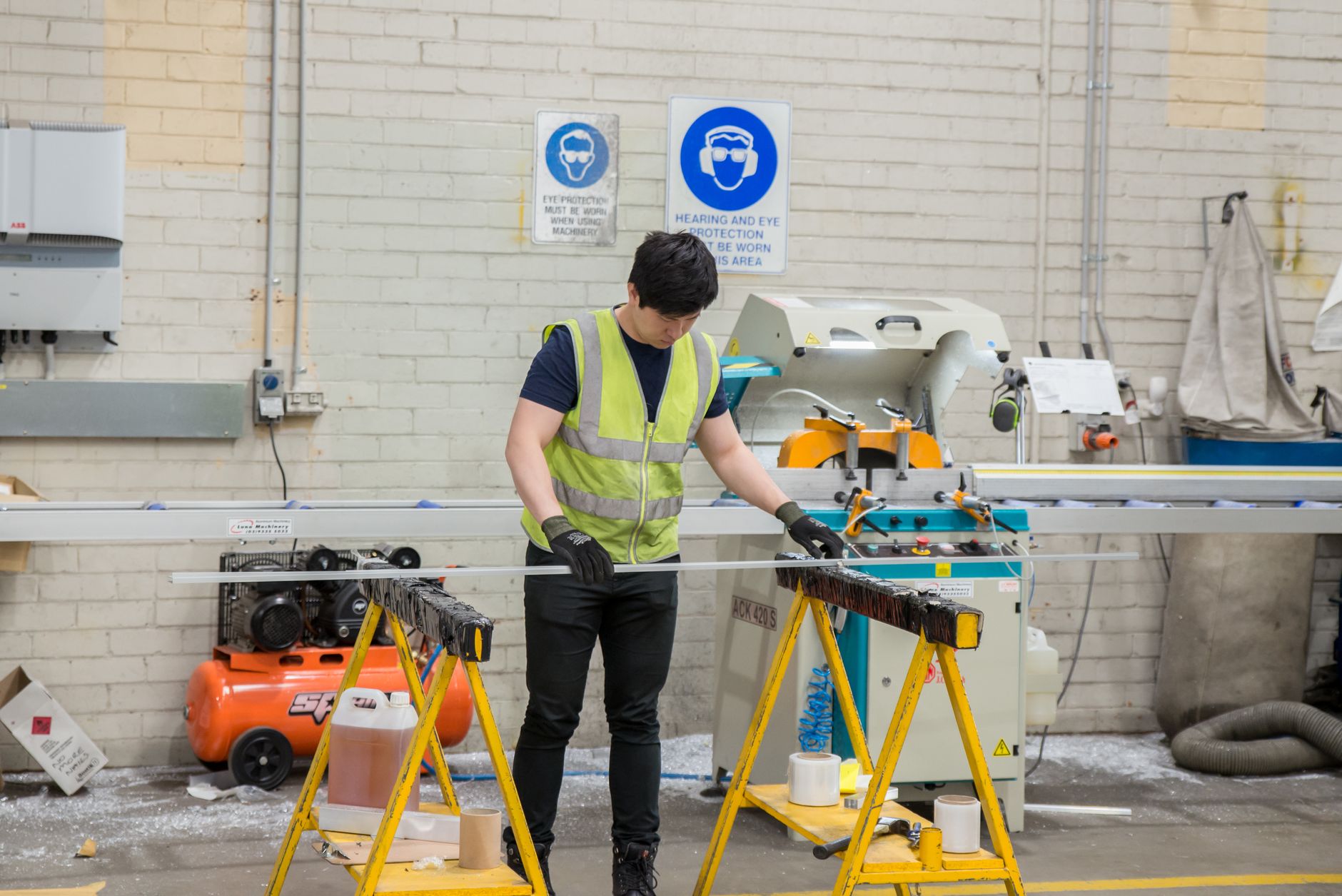
A cobot's useful traits for weeding are repeatability, a fixed station and the ability to follow a taught path with a tool. If a layout is a known pattern, the waste pieces appear in predictable places on each sheet, and the robot can work through them in order. That is most realistic for large, simple graphics with few small counters, where the path barely changes from sheet to sheet.
The limits sit where much rush work lives. Weeding calls for judgment about film that is curled, stretched, partly lifted or cut too deep. It calls for careful handling of small pieces that a gripper could tear or leave behind. Each layout change means a new path and new checks. Setup and exceptions can take more time than the robot's working speed suggests, so judge the system by minutes per sheet, not by how fast the arm moves.
The evidence is thin. This search did not turn up published test results of a cobot weeding vinyl. The cobot results it did find covered welding, deburring and grinding, and those sources were vendor or sponsored content. Any supplier who says a cobot will weed your work should show a trial on your own jobs before you rely on it.
For a buyer, the useful exercise is sorting, not shopping for a robot. Find out what share of your weeding minutes come from simple repeat layouts and what share come from detailed one-offs. The first group is the candidate. The second stays with the crew, possibly with better tools, staging or a revised queue order.
Are cobots common enough in shops like yours to trust?
A3, the Association for Advancing Automation, reported 7,212 cobot units ordered in North America for full-year 2025. Those units were 19.6 percent of the 36,766 total robot units ordered in that period. A3 counts industrial arms and cobots only, so mobile and humanoid robots are not in those totals.
Those figures show that cobots are an established category in North American industry. They do not show how sign shops use them. The count does not break out sign and graphics work, and orders for fixed production tasks are a distinct setting from a bench that changes layout every afternoon. Read the number as evidence that the equipment is established, not as proof that it fits your floor.
What the adoption data does support is a practical step. Ask integrators for references from deployments with a similar mix of repeat and varied work, and ask what they did when a layout changed. A supplier who can answer that with specifics has done this work before.
Does hand weeding carry injury risk?

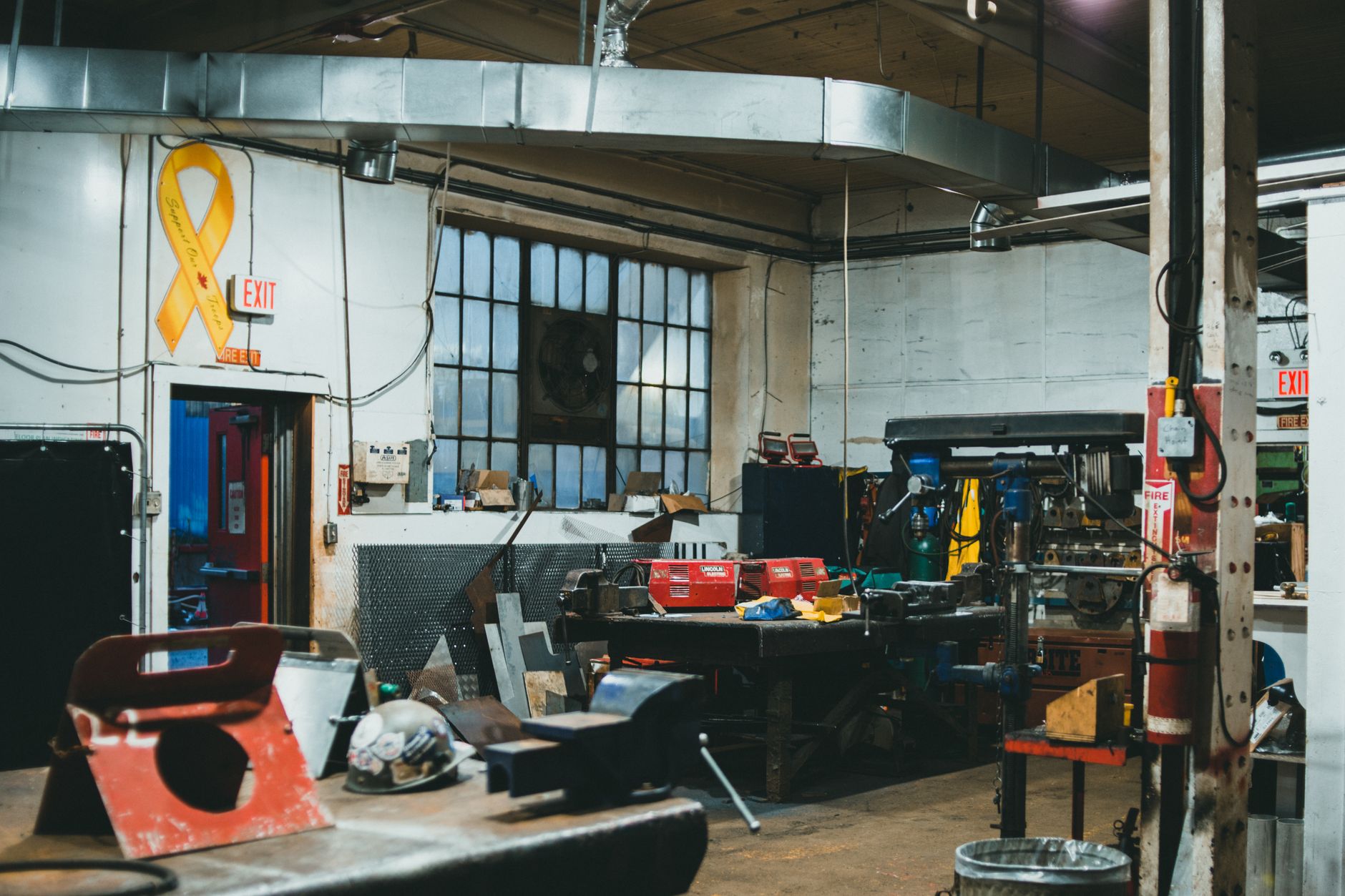
Hand weeding is repetitive, fine-motor work done with the same wrist and finger movements for long stretches. Injury data specific to sign making was not found in this search, so the most useful published context is general. According to a Lab Manager summary of Bureau of Labor Statistics data, the 2024 total recordable incident rate for private industry was 2.3 cases per 100 full-time equivalent employees, down from 2.4 in 2023.
The same summary reports that overexertion, repetitive motion and related conditions were the leading cause of days-away-from-work cases across 2023 and 2024 combined, at 946,290 cases. A weeding bench feeds that category directly. That does not mean your shop has a problem. It means the task pattern matches a known risk, and it is worth checking your own records.
A BLS musculoskeletal disorders fact sheet, using 2018 data, says retail trade, manufacturing, and healthcare and social assistance together accounted for 50 percent of private-sector MSD cases that year. It does not split out sign making, so treat it as context, not a benchmark. The practical steps are to log any wrist or hand discomfort by operator and task, rotate weeding with other bench work, and check bench height and tools. A robot can take the repeated motion, but it adds setup and maintenance, so the injury case should rest on your own logs.
What should a weeding pilot look like on your floor?
Start with time records. Pick several recent rush jobs and several routine ones, and record weeding minutes, sheet count and whether each layout repeats. Sort them into simple repeat, moderate and detailed or one-off groups. That sort, more than any robot specification, decides whether a pilot is worth running.
A realistic pilot uses one leased unit on one job family, at a station that does not block the cutter or the install crew. Keep design, layout and install on their current work. Keep at least one bench operator to check output and handle exceptions. Measure minutes per sheet against your baseline over a full run of the job family before deciding anything.
Plan for downtime. If the unit is idle or under service, the bench has to keep running on hand weeding. A pilot that replaces the whole afternoon queue has no fallback, and it will struggle the first time a layout changes.
- Sort recent rush and routine jobs into simple repeat, moderate and detailed groups
- Log weeding minutes per sheet for each group before any robot arrives
- Choose one repeatable job family for a single leased unit
- Keep one bench operator for checks and exceptions
- Compare minutes per sheet against the baseline over a full run before deciding
How do you lease and test a cobot without stopping rush work?
We are a full-service commercial robot integrator for US businesses. We pick the right robot across manufacturers, lease it through financing, deploy and integrate it, train your staff and service it nationwide under our service plan, with regional service engineers in every state we service. One partner handles the whole lifecycle, so you are not coordinating several vendors for a single bench. The robot is leased through financing, and the payment is quoted after a free site assessment.
Before that assessment, do the homework above. Bring your job family sort, your weeding minute logs, a sample of cut files, photos of the bench and a list of the rush orders that cause the most trouble. The assessment is where we map the station and check the layouts against the robot's reach and tooling, so the more of that homework you bring, the more specific the answer will be.
The honest outcome may be that a robot is not the first move. If detailed work dominates, the best return may come from staging by job family, batching simple repeats, a better weeding tool or a change in queue order. Those steps are cheaper to test. We would rather say that before a lease is signed than after.
Frequently asked questions
Want a cobot at your sign and graphics shops?
Tell us about your site. We will recommend the robot, quote the lease, and keep it serviced.
Sources
- IBISWorld sign and banner shops business count
- SGIA 2017 industry survey results
- ISA 2025 Wage and Benefits Report coverage
- Lab Manager summary of BLS 2024 injury and illness data
- BLS musculoskeletal disorders fact sheet
- A3 full-year 2025 robot orders
- Sign industry forum thread on weeding small labels
- Vendor blog on weeding vinyl