
The question, in the buyer's words
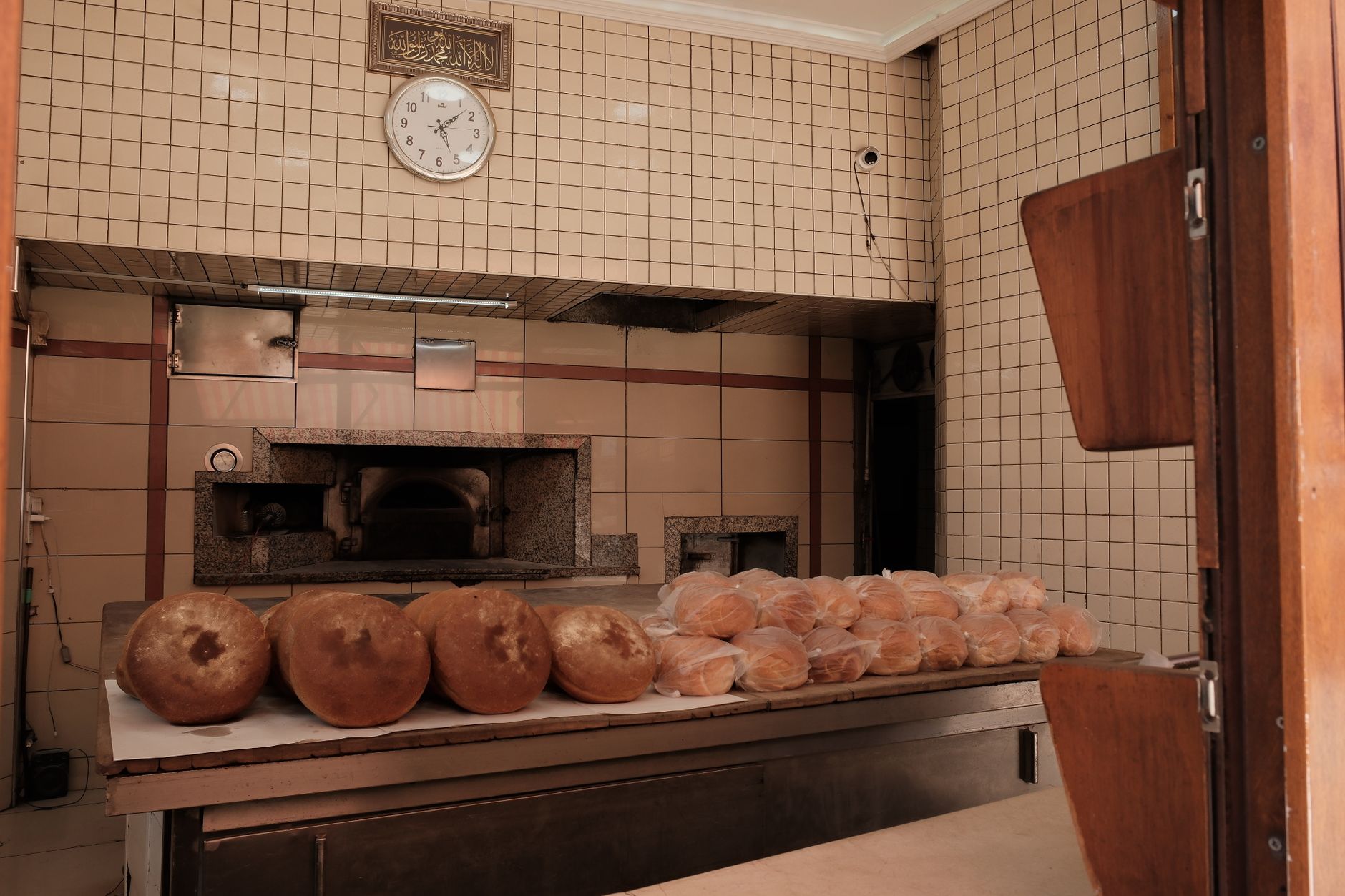
Two rival bakeries across town in Dayton, Ohio already run cobots on their pan-loading lines, and my bakery crew still lifts 40-pound pans by hand at 3 a.m.; could a cobot start loading pans on one oven line this season?
Key takeaways
- Yes for one oven line, if pan sizes and the oven infeed stay consistent enough for a fixed arm.
- Rival bakeries in Dayton prove the technology is in use, not that it fits your floor.
- Lifting 40-pound pans by hand at 3 a.m. carries real overexertion risk, and national injury data backs the concern.
- Time your current night loading before deciding, because this research found no verified hour savings for this line.
- Start with a free site assessment, one leased unit and one oven line, then expand only on measured results.
Can a cobot load pans on a Dayton bakery oven line?
Two Dayton bakery rivals already run cobots on their pan loading lines, so the question is no longer whether an arm can move a pan. The real question is whether your line presents pans the same way every time, and that depends on your pan sizes, rack seating and oven feed. Their setup tells you the technology works, not that it fits your floor.
This page covers one oven line, one night crew and one first phase. It explains where a cobot wins, where your crew still wins, what moves the cost of a lease and when waiting is the honest choice.
The lifting itself is the central worry. According to the Bureau of Labor Statistics Survey of Occupational Injuries and Illnesses, overexertion from lifting and physical overuse produced 484,140 days lost across all industries in 2023 and 2024. In the same release, overexertion had the most total DART cases and the second most days-away-from-work cases. That count covers every industry rather than bakeries alone, and BLS changed the overexertion category in 2023, so read it as direction, not as a bakery rate.
Scope is the first decision. A single oven line keeps the lease, integration and training small enough to judge within one season. It also gives your crew a clear before and after comparison, which a plant-wide plan cannot give in its first months.
Why are Dayton bakeries weighing night pan lifting now?
Bakery work is a competitive labor market for experienced people. According to the Bureau of Labor Statistics Occupational Outlook Handbook, bakers' employment is projected to grow 6 percent from 2024 to 2034, which is faster than the average for all occupations. Demand for bakers is rising, so your crew is likely competing for the same people other bakeries are hiring.
The May 2023 wage survey from the Bureau of Labor Statistics counted about 220,230 bakers nationally, and 72,650 of them worked in bakeries and tortilla manufacturing. The related occupation of food batchmakers numbered 169,190 employed nationally in the same survey.
Dayton is a small pool for that occupation. WDTN reported 350 food batchmakers employed in Dayton, though it did not state the data year, and this research did not find an official count of bakery-specific food batchmakers in the metro. Ask your staffing group for its own numbers before treating the labor picture as settled.
The reason to act now is the crew, not the calendar. Night loading concentrates the heaviest lifting, and experienced loaders are hardest to keep once the lifting starts to wear on their backs. Plan around the 3 a.m. shift first, because that is where the injury exposure and the staffing risk meet.

What moves the cost of leasing a pan loading cobot?
A lease quote for a cobot depends on the job, not on a catalog. Our lease runs through financing, with a fixed lease payment set after a free site assessment, so the number reflects your line rather than a generic unit. The drivers in the chart below are the ones that usually move a quote on loading work.
Pan variety is the largest driver. Each change in pan size or shape can require a new grip or fixture check, and that engineering time shows up in the install scope. A line that runs one pan family is far simpler to quote than one that changes pans several times a week.
Oven infeed geometry matters just as much. A consistent infeed height and position keeps the loading point simple, while an awkward infeed adds design work whose value depends on how often the layout changes.
Cost also depends on what you already have. An oven line with stable controls and a clear pan path is cheaper to integrate than one whose pan path has to be redesigned, and that difference often matters more than the arm itself. Our integration covers the robot, the integration with your controls, staff training and service under our service plan, so you deal with one partner rather than separate firms for the arm, the gripper and the service.
Cobot or crew member at the loader: where does each win?
A cobot is good at identical, repeated motion. Once the fixture and pan orientation are set, it places the same pan the same way on every cycle and does not tire at the end of a shift. It also takes over the lift that now puts strain on your loaders.
A person still wins on variation. A trained loader notices a bent pan, a rack that is not seated, a tray that slid or a recipe change that moves the load point. A cobot needs that variation designed out or caught by a sensor, and it needs a person to clear faults.
The honest reading is that a cobot can take the heavy repetitive part while a person handles exceptions and checks. Most first phases keep a person at the station, at least through the early run-in, and that is a design choice rather than a failure.
A useful test is to ask your night loaders which parts of the job they would hand off and which they would keep. Their answer usually points to the exceptions a cobot will not handle well, and that tells you where the design work sits before any lease is signed.
- Repeated lifts at the same height
Cobot
Same motion every cycle and no fatigue at the end of a shift.
Staff
Strong at the start of a shift, but slower and more strain-prone as the night goes on.
- Heavy lifting
Cobot
Takes the lift itself, so a 40-pound pan is not carried by a person.
Staff
Can lift the load, but carries the overexertion risk shown in national injury data.
- Spotting a bent or misplaced pan
Cobot
Needs a sensor or fixed fixture and misses what it was not built to see.
Staff
Notices a bent pan, a rack out of seat or a slipped tray by eye.
- Pan size or recipe change
Cobot
Needs reprogramming or a new fixture for each change.
Staff
Adapts on the spot after a short briefing.
- Working hours
Cobot
Runs through the night without breaks, within the limits of its service plan.
Staff
Needs breaks, shift coverage and training for each new hire.
- Clearing a jam or fault
Cobot
Stops and signals for help, but a person still clears the fault.
Staff
Clears the fault directly and gets the line moving again.
How many night hours could a pan loading cobot give back?
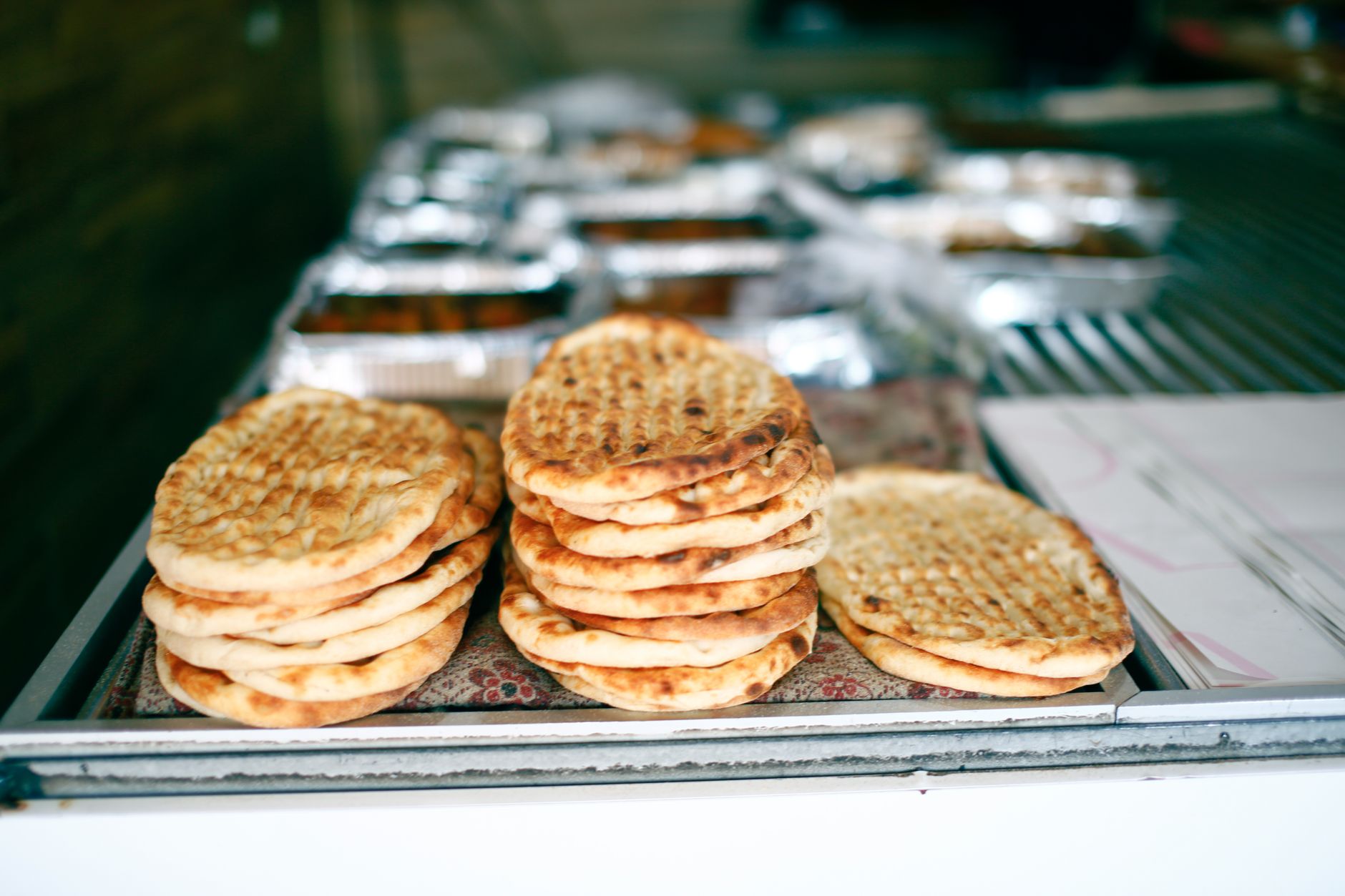
This research did not find a verified hour figure for pan loading on bakery lines, so this page will not give one. The honest way to size the gain is to time the current night loading over several shifts before any decision, recording the pans loaded, the time spent and the number of people involved.
The table below lists the tasks a robot would change and the tasks it would leave with your crew. Read it as a checklist for your timing study, not as a promised saving.
Track the handoffs as well. A cobot moves the pan, but someone still feeds the rack, clears a jam and signs off on the oven load, so the net change in crew time matters more than the cycle time of the arm.
If the study shows your crew spends most of the night on staging, handoffs and fault clearing rather than on the lift, a cobot may not change total hours much. That is a real outcome, and it points to fixture and staging work first.
Are cobots spreading fast enough to be a real option?
Yes, adoption is visible. According to the Association for Advancing Automation (A3), collaborative robots made up 13.3 percent of robot units ordered in the third quarter of 2025, with 1,174 cobot units in that quarter. A3 began tracking collaborative robots separately in the first quarter of 2025, so the series is still short.
That share is still a minority of all robot orders. Cobots are a growing option in plants rather than standard equipment on most lines, and a first lease should be judged on your floor, not on the trend.
Bakery-specific adoption figures were not found in this research. That gap matters because food lines bring sanitation and washdown requirements that differ from general manufacturing, and a cobot placed near flour and water needs to be specified for those conditions.
Look at the trend anyway. A growing share of cobot orders suggests integrators, suppliers and service teams are building for this kind of use, which helps a first lease. It does not replace a local site check, and a rival running a cobot is evidence the work can be done in a bakery, not proof that your pan flow matches theirs.
Does Dayton winter or the local labor pool change a pilot?
Dayton winters are cold. According to climate-zone, Dayton's January average temperature is 26.0°F, with an average high of 34.1°F and an average low of 17.9°F. A dock or staging area next to the oven hall can get much colder than the oven itself, so cable routing, controller placement and any exposed connections need checking before the install.
Cold nights also change how the loading area behaves. Loading doors that open during a winter shift let cold air across the station, and staff who move in and out of that air need the same safe access they had before the install.
The local labor pool for maintenance is the other factor. Dayton Daily News, citing BLS data, reported manufacturing employment in the Dayton-Kettering-Beavercreek metro at 40,700 in February 2025 and 40,400 in July 2025. That base includes technicians who understand industrial controls, which helps when a fault needs a person on site. It does not guarantee a robot technician close to your bakery, so ask which regional service engineers would cover your site.
Plan the install around your busiest weeks, and schedule the first production run for a period when your crew can give the new station full attention. A pilot that goes live during a rush will be judged on the rush, not on the robot.
Can we start with one leased unit on one oven line?
Yes, one leased unit on one oven line is the right scope for a first phase. It lets you test the lift, the pan flow and the night crew's handoffs without changing the rest of the bakery. Our process runs in steps: a free site assessment, a fixed lease payment quoted after that assessment, the lease through financing, deployment and integration with your line, training for your crew, and service under our service plan with regional service engineers.
Wait instead if pan sizes change every shift, if the oven feed height or infeed geometry cannot be made consistent, if the loading point sits in a space too tight for safe access, or if your crew cannot yet agree on who owns the robot's faults. Those are answers from the floor, and no lease term fixes them.
Ask for a site assessment before you tell your crew to plan around a robot. The assessment will say whether one oven line is the right first station or whether your better first step is a fixture change that makes the pans consistent.
Before anything is signed, write down the three measures you will use to judge the pilot, such as lift events avoided, faults per shift and crew handoff time. Agree on those measures before the install, so the result becomes a decision about your line rather than an argument about the robot.
Frequently asked questions
Upcoming events in Ohio
No events are listed in Dayton yet. These are elsewhere in Ohio.
Put a robot to work in Dayton.
We walk your site, learn the job, and recommend the unit that fits. Then we quote the lease, deploy it, and keep it serviced.
Sources
- BLS Occupational Outlook Handbook, Bakers
- BLS OEWS May 2023, Bakers (SOC 51-3011)
- BLS OEWS May 2023, Food Batchmakers (SOC 51-3092)
- BLS Survey of Occupational Injuries and Illnesses, 2023 and 2024
- climate-zone, Dayton Ohio climate
- Dayton Daily News via Yahoo, Dayton manufacturing employment
- A3, Robot Orders Accelerate in Q3 (2025)
- WDTN, Lowest Paying Jobs in Dayton