
Key takeaways
- Vehicle turnaround time is a primary driver of profitability in the car rental industry.
- Robotic systems can now automate both exterior washing and interior cleaning, including vacuuming and surface wiping.
- Automating the cleaning process leads to faster turnaround, higher fleet utilization, and greater consistency.
- Adopting robotic cleaning helps mitigate the effects of persistent labor shortages and high staff turnover.
- A vendor-neutral integrator can help design and deploy a complete robotic cleaning workflow using the best technology for each task.
The Profitability of Speed: Why Turnaround Time is Everything
In the car rental industry, every minute a vehicle is offline is a minute of lost revenue. The speed at which a returned car can be cleaned, serviced, and made ready for the next customer directly impacts profitability. For decades, this turnaround process has been a labor-intensive bottleneck, vulnerable to human inconsistency and staffing challenges.
Automation is changing the equation. Robotic systems are emerging that can handle the entire vehicle cleaning process, from exterior washing to detailed interior sanitization. For car rental agencies, this represents a fundamental shift in operations, promising to drastically reduce turnaround times, increase fleet utilization, and deliver a consistently clean vehicle to every customer. This is not a distant future concept; the technology is available today.
What Are the True Costs of a Slow Vehicle Turnaround?
A car sitting in a cleaning bay is a depreciating asset that is not generating income. The core challenge for rental operators is fleet underutilization. Every idle vehicle represents a missed rental opportunity. According to industry analysis, high fleet utilization, often targeted at 70% or more, is crucial for profitability. A slow cleaning process directly works against this key performance indicator.
The problem is compounded by significant workforce challenges. The car rental industry faces an employee turnover rate that can exceed 80%, along with rising labor costs. This makes it difficult to maintain a fully staffed and experienced cleaning crew, leading to rushed jobs, missed details, and inconsistent quality that can damage customer satisfaction. Manual cleaning for each vehicle is a repetitive task that is difficult to scale, especially during peak seasons.
How Do Robots Clean a Vehicle's Exterior?
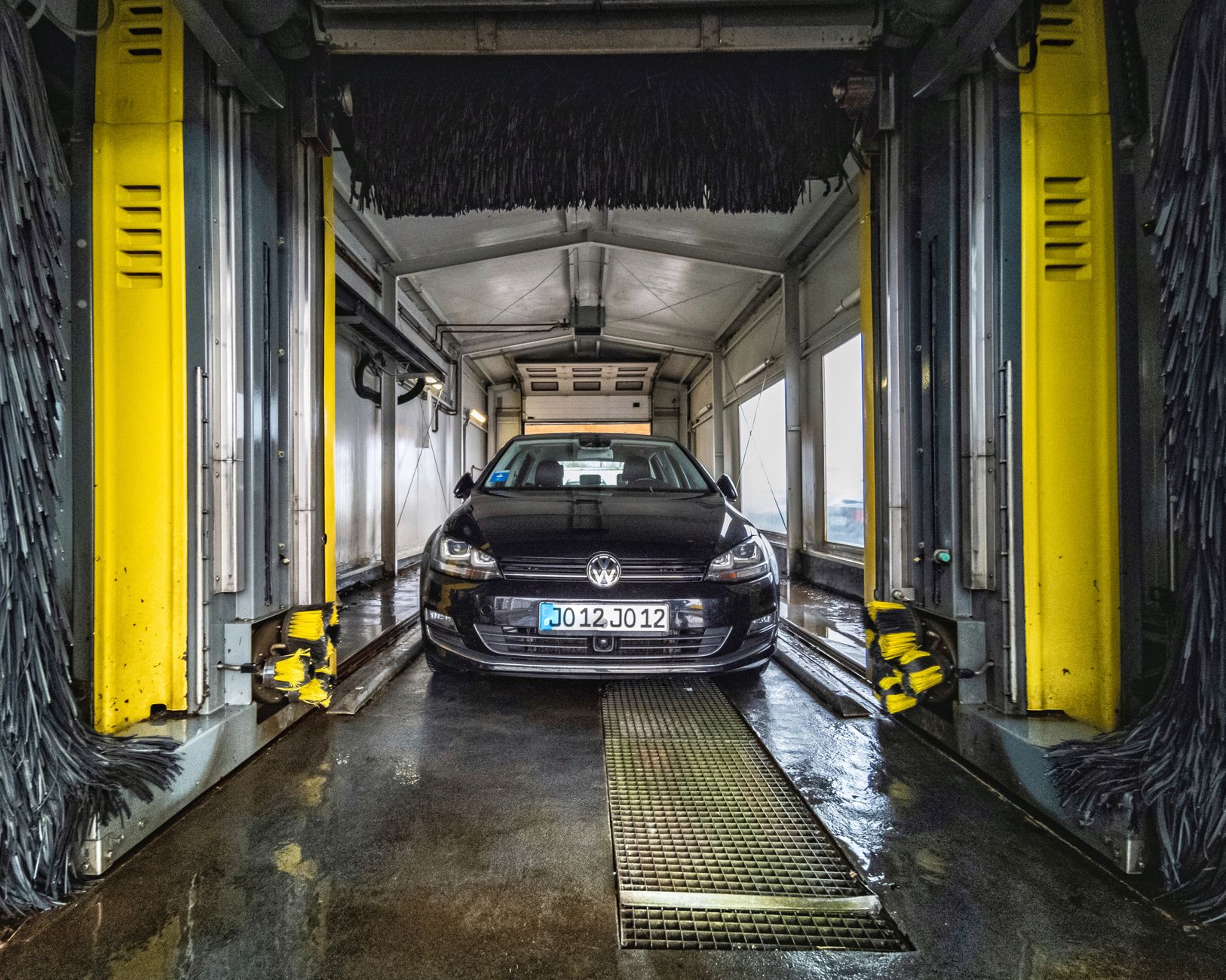
Automated exterior washing is a mature technology, but modern systems designed for fleets offer a higher level of precision and efficiency. These are not the simple drive-through washes of the past. Today's systems are engineered for high throughput and reliability, which are critical for fleet operators.
Advanced gantries and touchless systems use a combination of high-pressure water jets, precisely metered detergents, and powerful dryers. Many newer systems use 3D vehicle mapping technology. Ultrasonic sensors and light grids scan a vehicle's profile in seconds, allowing the robotic equipment to adjust spray angles and distances automatically. This ensures complete and consistent coverage for various vehicle sizes without any manual intervention.
Can a Robot Really Clean a Car's Interior?
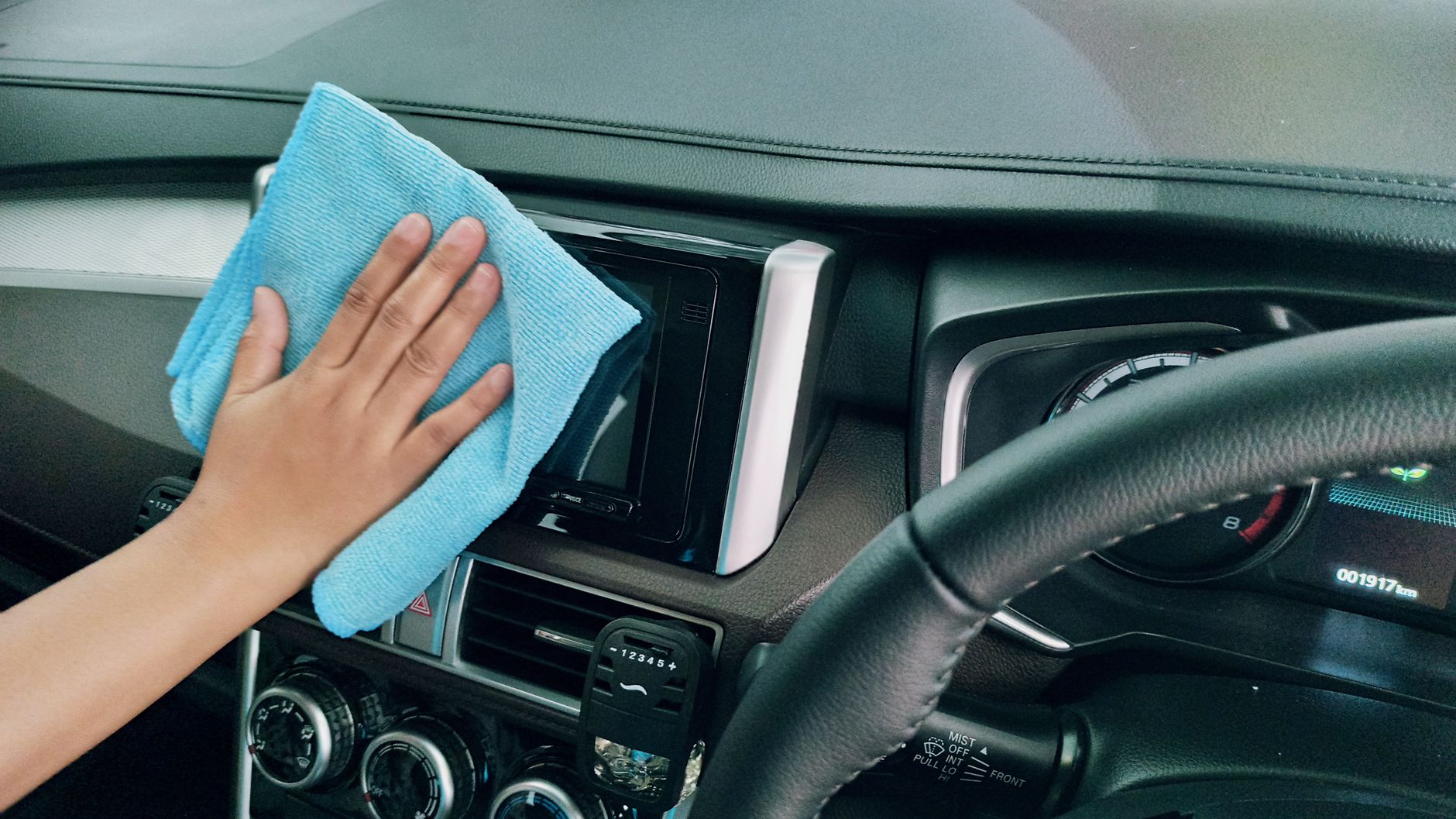
The interior has long been the final frontier of vehicle automation, but that barrier is falling. Systems are now being developed that use collaborative robot arms, or cobots, to perform detailed interior cleaning tasks. These robots can be mounted in a dedicated cleaning bay, either on the ceiling or on a gantry.
Equipped with specialized attachments, these arms can meticulously vacuum floors and upholstery, and use compressed air to clear debris from crevices. Using advanced sensors like LiDAR and AI-driven machine learning, the robots navigate the car's interior without colliding with sensitive components. They can wipe down high-touch surfaces such as dashboards, door panels, and center consoles, ensuring a level of consistency that is difficult to achieve manually. This automation of interior detailing promises to cut cleaning time from many minutes down to just a few.
Putting It All Together: Designing a Robotic Workflow
Adopting this technology is not about buying a single machine. It is about creating an integrated process where multiple robotic systems work in concert. A returned vehicle might first go through an automated exterior wash before moving to a bay where robotic arms handle the interior. This requires careful planning, site assessment, and system integration, which is where a full-service commercial robot integrator becomes essential.
At Service Robot Co., we specialize in creating these end-to-end automation workflows. As a vendor-neutral integrator, we are not tied to any single manufacturer. We select the best robotic components for each stage of the cleaning process and ensure they function as a unified system. Our nationwide network of engineers handles every phase, from initial site mapping and deployment to go-live support and ongoing maintenance. We provide one point of contact for the entire lifecycle of your robotic fleet.
What Are the Operational Benefits Beyond Speed?
While faster turnaround is the primary financial driver, robotic cleaning offers other significant advantages. The consistency is unmatched. A robotic system performs the exact same high-quality clean every single time, eliminating human error and variability. This reliability enhances the customer experience and protects brand reputation.
Furthermore, automation can lead to a safer work environment for employees. It reduces the physical strain of repetitive cleaning motions and can limit exposure to cleaning chemicals. By automating the most demanding tasks, rental agencies can often redeploy staff to focus on higher-value, customer-facing roles, improving job satisfaction and reducing costly turnover.
How Can an Agency Start with Vehicle Automation?
Transitioning to a robotic workforce does not require a massive, disruptive overhaul. Many agencies begin with a robot pilot program to prove the concept in their specific environment. This allows them to measure the improvements in turnaround time and gather operational data before committing to a larger deployment.
Flexible financial models like Robot as a Service (RaaS) and leasing programs remove the need for large upfront capital expenditures. Service Robot Co. offers multiple robot financing options, from lease-purchase programs to month-to-month robot leases, making automation accessible even for smaller operators. A free site assessment is the first step to understanding how robotic vehicle turnaround can fit into your operations. With a turnkey robot deployment, we handle all the complexities, allowing you to focus on running your business.