Key takeaways
- Catwalk surveys belong in posted quiet windows with rigging cleared and fall protection planned first.
- Repeatable photo routes beat one off phone snaps when engineers compare season to season wear.
- Flight containment and venue airspace rules matter as much as camera resolution for overhead drones.
- Ground crawlers and rope deployed cameras fit tight truss bays where drones cannot hover safely.
- Inspection robot rental fits event calendars better than owning specialty payloads for one venue.
Why are stadium catwalks hard to inspect between events?
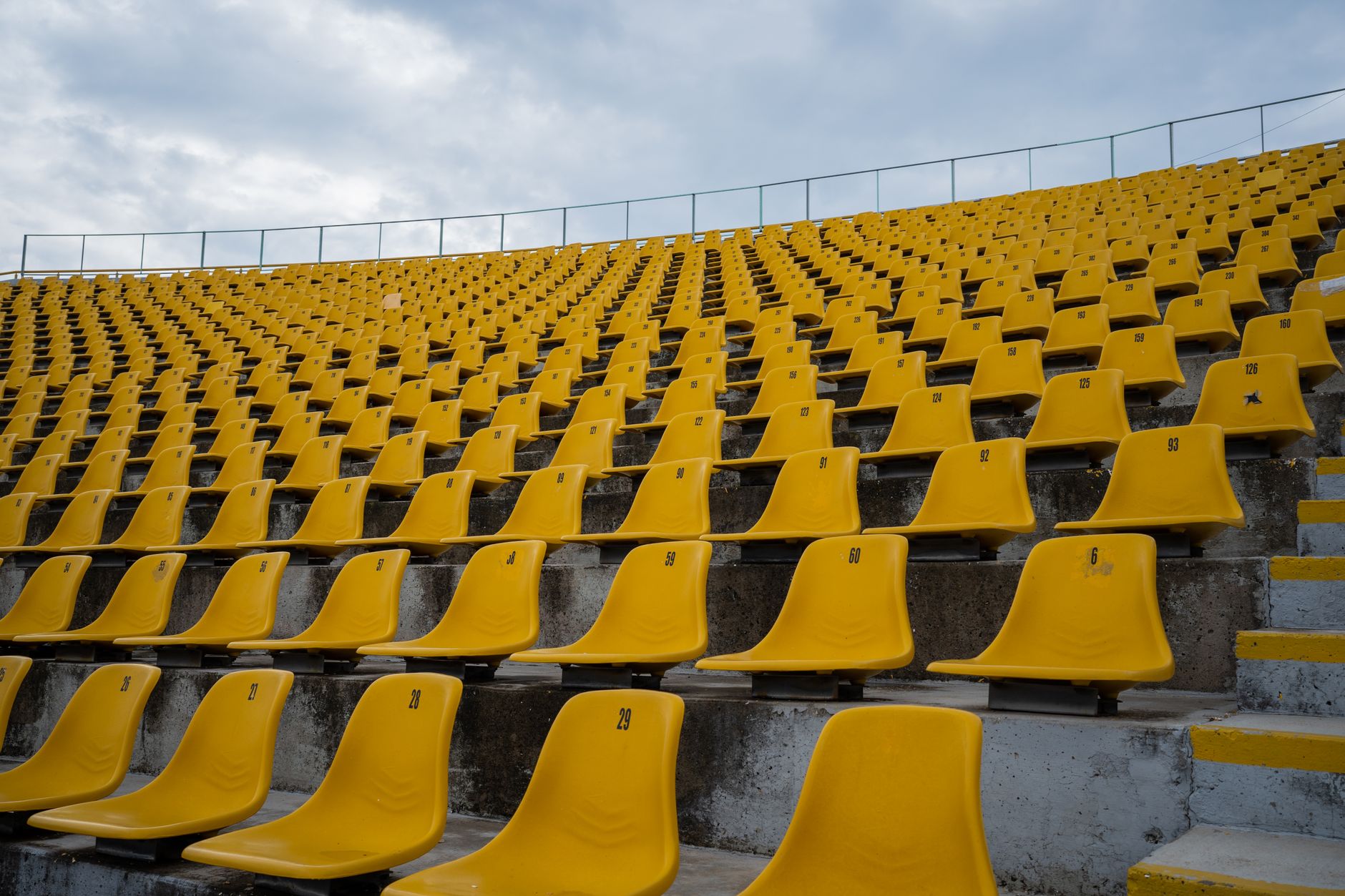
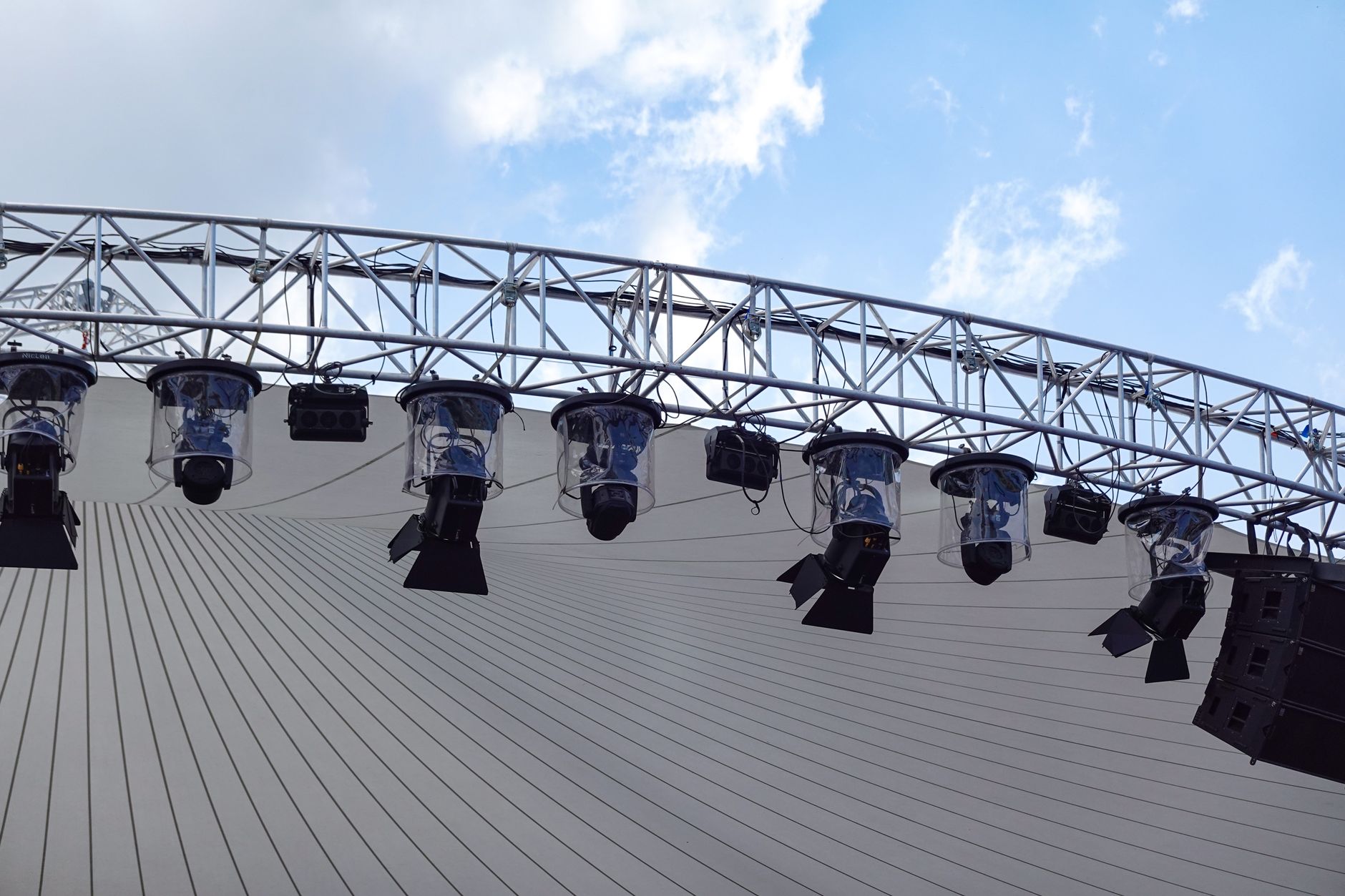
Arena catwalks, lighting bridges, and roof rigging sit above seats that fill every weekend. Corrosion at hanger pins, loose guard cables, and debris on walking surfaces rarely show up from the floor until something rattles during a show load in. Sending a technician along every runway between turnovers is slow, exposes crews to fall risk, and competes with the same labor pool that builds the stage.
Inspection robots for stadium catwalk systems target those quiet maintenance windows. A compact crawler on a runway, a tethered camera on a pole, or a contained indoor flight along a mapped truss bay records video while rigging is down and power is controlled. The deliverable is indexed imagery your structural reviewer can compare year over year, not a single blurry clip from last month's walkthrough.
International Federation of Robotics reporting summarized on World Robotics 2025 noted nearly 2,800 inspection and maintenance robots sold in the 2024 supplier sample, with inspection among the fastest growing professional categories. Venues add overhead routes because repeat climbs are easy to defer until insurance or authority having jurisdiction paperwork forces a look.
What should each overhead pass document?
Capture guardrail continuity, toe board condition, and grate openings along the full catwalk length. Pan lighting supports and chain motors for bent hangers, missing cotter pins, and cable chafe at sheaves. Wide shots of truss bays establish context; close ups need a scale reference on bolt groups and crack paths.
Note rigging point labels, shackle orientation, and any temporary bridles left from the last tour. Roof areas above the catwalk network may show ponding stains, loose insulation, and fastener backout at panel seams. Tag files with stand section, compass heading when available, and whether the bowl lights were energized.
How do fall exposure and access rules shape the program?
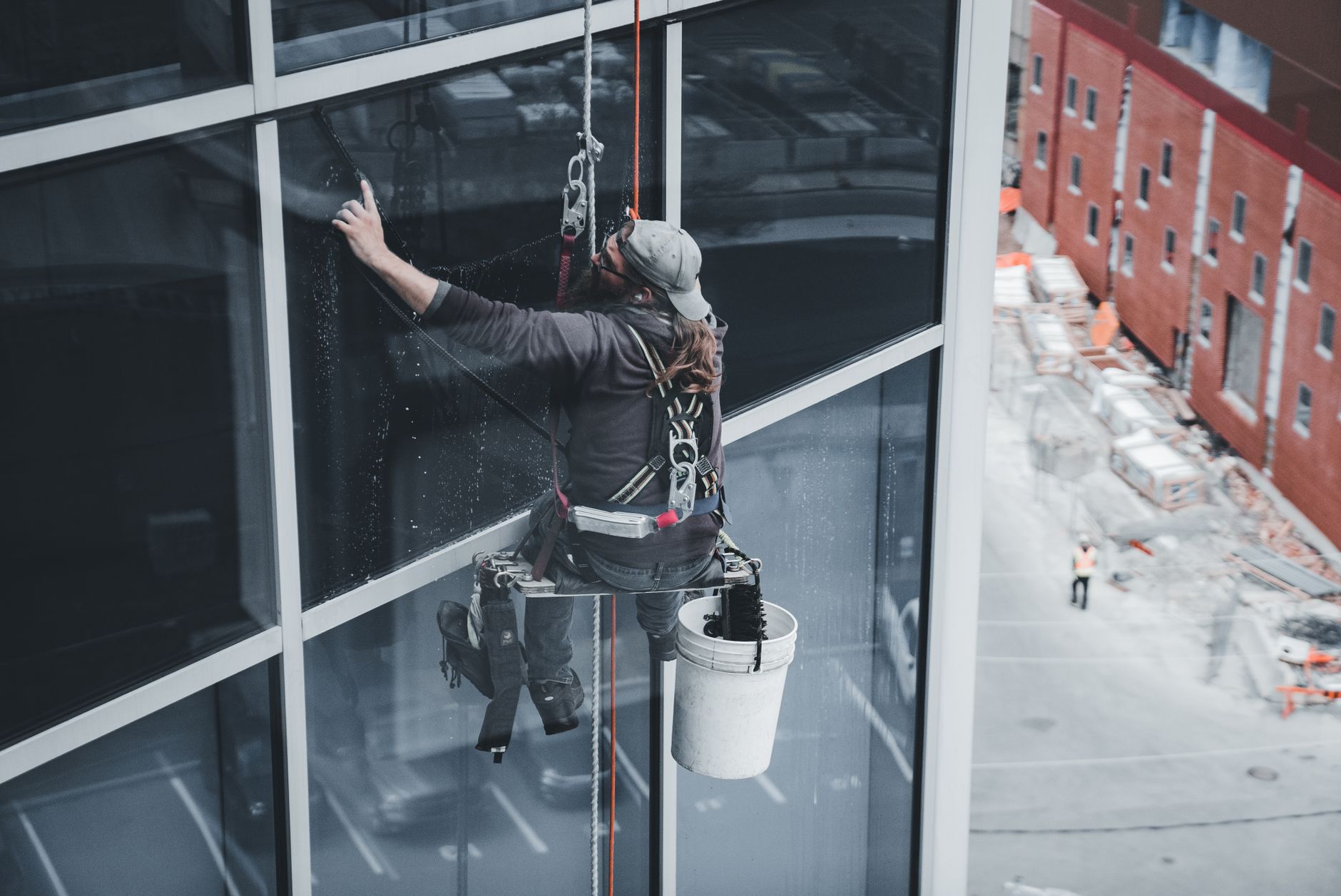
Overhead work starts with a written fall protection plan, not with the robot. Confirm guardrails are intact before anyone transfers load to a harness system. When robots replace some foot travel, attendants and rescue plans may still apply under your safety program and local rules.
Lock out catwalk gates, coordinate with rigging crews so counterweight lines are not moving overhead, and post the bowl so no one energizes effects during the survey. If a route crosses a rated lift point, treat that zone as interlocked until rigging signs off.
When do drones fit versus grounded crawlers?
Indoor drones work when venue policy, insurance, and airspace rules allow contained flight under a mapped ceiling volume. Netting, sport radar, and HVAC downdrafts can disqualify a bay faster than battery life. Ground crawlers or wheeled camera sleds fit narrow runways with low guardrails where rotor wash would disturb signage or acoustic panels.
Rope deployed cameras and articulating poles still matter on straight segments where robotics cannot anchor. Many venues mix methods: a crawler on the main ring, a pole pass on concourse bridges, and a contained drone for the scoreboard truss when flight is approved.
How do event schedules and flight containment interact?
NBA, NHL, concerts, and graduations stack turnovers measured in hours. Inspection windows often land after teardown on a Monday morning or before load in on a Wednesday night. Programs should publish blackout times when pyro, effects, or broadcast rigging owns the airspace.
Containment means physical nets or rated barriers when policy requires, plus geofenced flight boxes in software. Rehearse abort paths and lost link behavior before the first live flight over seats. Document who can call a stop when a show producer adds a last minute flown element.
What makes imagery repeatable for structural review?
Engineers want the same station labels each visit. Program stops at column lines, rigging marks, and lighting fixture IDs your drawings already use. LED panels with diffusers reduce glare on painted steel; thermal add-ons can highlight loose connections when electrical loads are safely energized for a test window.
Deliver raw video plus stills keyed to a spreadsheet or CMMS, not only a highlight reel. Note limits plainly when robotics cannot replace hands on ultrasonic tests or torque checks on critical fasteners.
When does inspection robot rental beat owning venue gear?
Arenas that host forty plus events a year may still only need full catwalk imaging a few times annually. Rental or a monthly program swaps crawler width, pole length, or flight payload between a hockey bowl and an adjacent practice facility. Maintenance and dispatch coverage matter when the next inspection sits between two sold out weekends.
Buying fits when the same routes run every month with in house technicians trained on batteries, lenses, and containment rigging. Pilot one bay during a real quiet window, compare stills to the last climb, then expand only where data quality shortens the next work order.
Where does Service Robot Co. fit on stadium overhead programs?
Service Robot Co. selects inspection hardware across manufacturers, maps routes with your facilities and rigging leads, and trains staff on tether hygiene, flight boxes, and retrieval drills. We finance buy or rent paths, align deliverables with your engineer's format, and back fleets with remote triage plus on site dispatch through a nationwide network of regional service engineers.
A free site assessment should confirm catwalk geometry, containment options, blackout rules, and file naming before the first survey. Phased deployment can start on the worst rated runway while events continue in the bowl below.