
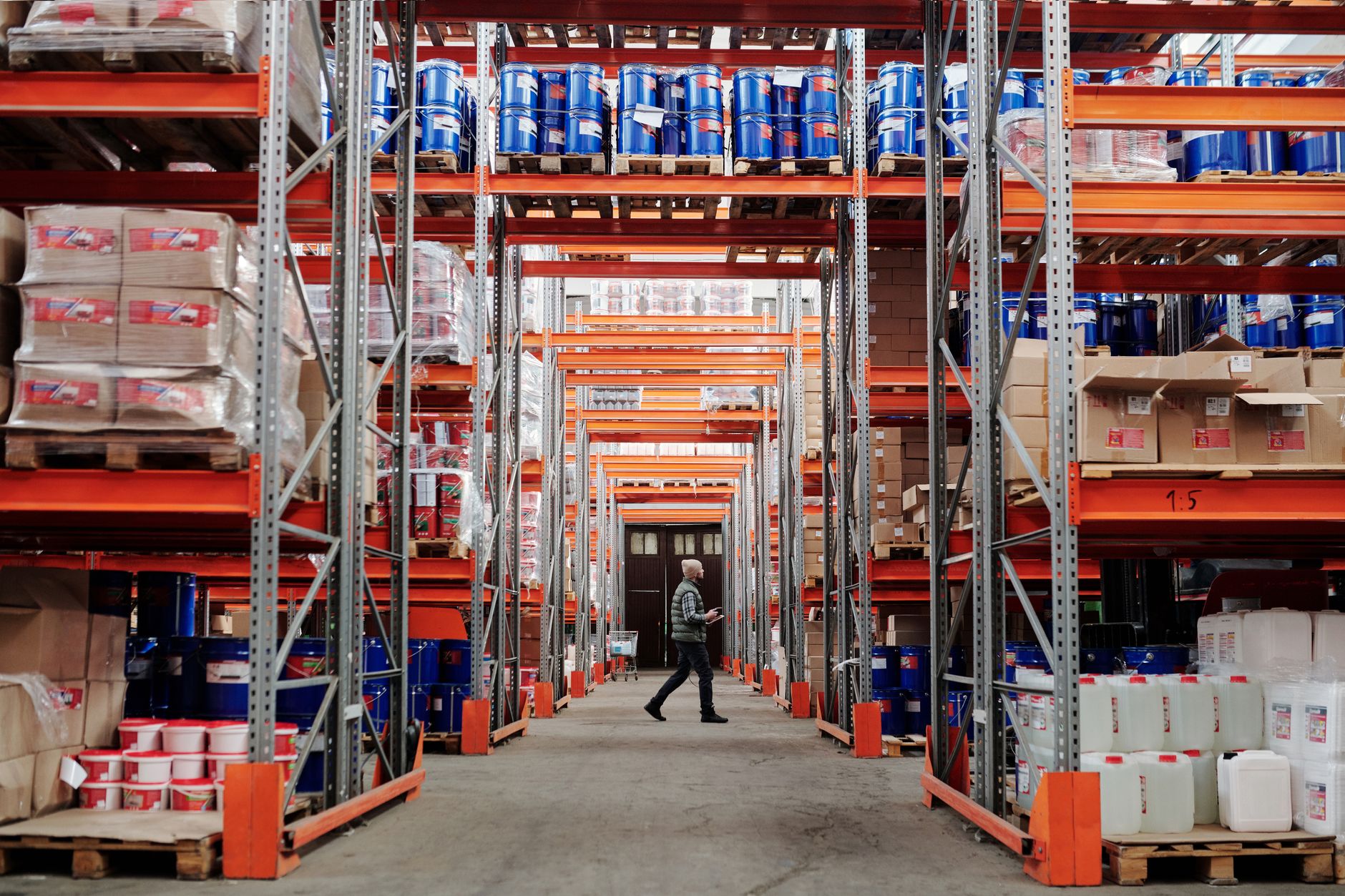
The short answer
For most furniture distribution centers, the autonomous forklift vs forklift operator question comes down to repetitive pallet moves. A robot makes sense where receiving-to-rack and rack-to-staging moves run on set routes and shifts go unfilled. It is a poor fit as a full replacement where loads are irregular, pallets are damaged, or exception work fills much of the day, and the usual answer is a robot working alongside a smaller staff.
Key takeaways
- A robot fits repetitive pallet moves on fixed routes, not the whole warehouse day.
- Furniture loads are bulky and irregular, so exception handling stays with people.
- Federal labor data shows warehousing is a large, hard-to-staff industry, so unfilled shifts are a real constraint.
- The workable model is a robot plus fewer staff, not zero staff.
- Human-driven forklifts still need OSHA operator training and periodic evaluation, so a robot does not remove that duty from the rest of the fleet.
When does an autonomous forklift vs forklift operator choice favor the robot?
A robot tends to make sense in a furniture distribution center when pallet work is repetitive and predictable. Receiving pallets from trailers to storage racks, pulling pallets from racks to outbound staging, and moving full pallets down long aisles are the moves that repeat hundreds of times a shift. These are the moves an autonomous forklift can be routed to make, and they are where a missed shift shows up first as a queue at the dock.
It makes less sense when the site is mostly exception work. Furniture is bulky, often shipped in mixed loads, and some pallets arrive damaged or with shifted freight. Trailer unloading, floor-loaded containers, overflow in areas nobody has mapped, and one-off moves to repair or returns cells do not follow a route that can be set in advance. Those jobs stay with a person, at least through the scope of a first deployment.
Measure the share of moves on fixed routes before deciding. A site where most pallets follow the same three or four paths is a good candidate. A site where pallets take an unusual path almost every time is better served by people, with a robot added later only for the repeat lanes.
What does a forklift operator actually do in a furniture distribution shift?
An operator's day is more than moving pallets. A typical shift at this kind of site includes checking paperwork on an inbound trailer, staging pallets for put-away, driving full pallets from the dock to racking, moving stock from reserve to forward pick locations, loading outbound trailers, and fixing small problems such as a bent pallet or a misread location. Between those moves, the operator reports damage, charges or refuels the truck, and completes the pre-use inspection.
The pallet moves are the part a robot can share. The judgment calls are the part it cannot. An operator decides where a load goes when it does not fit the rack height, notices a leaking carton, or re-stacks a pallet so the trailer loads safely. These calls come up throughout the shift, which is why removing one headcount rarely means a clean one-for-one swap.
Records matter too. The OSHA rules for powered industrial trucks at 29 CFR 1910.178 center on operator training and periodic evaluation. Any site that keeps human-driven forklifts keeps that training duty, even if a robot takes over the repeat lanes.
- Repeat pallet moves on fixed routes
Autonomous Forklift
Runs the same lane every time without fatigue
Forklift Operator
Accurate and fast, but output tends to drop late in a long shift
- Night and weekend coverage
Autonomous Forklift
Can run unattended once the site is mapped and supervised
Forklift Operator
Needs a staffed shift, which is where unfilled slots hurt
- Irregular or damaged loads
Autonomous Forklift
Poor fit, needs a clear load and a defined path
Forklift Operator
Handles by judgment, can re-stack or flag damage
- Trailer and yard work
Autonomous Forklift
Usually outside the scope
Forklift Operator
Core work, including dock and yard moves
- Problem solving on the floor
Autonomous Forklift
Stops and alerts, does not decide
Forklift Operator
Makes the call and keeps the line moving
- Training and compliance
Autonomous Forklift
Setup, mapping and supervision by the vendor and site team
Forklift Operator
Operator training and periodic evaluation under OSHA rules
Which parts of the work can a robot take, and which can it not?
Breaking the work into pallet moves makes the split clearer. The robot can take put-away from a staging point to a rack location, retrieval from rack to outbound staging, and repeat moves between two fixed zones. It can also run those moves through the night, once the site is mapped and someone is monitoring it.
What it cannot take is anything that needs a person's eyes or hands on an open-ended problem. That includes unloading trailers with mixed freight, handling damaged or re-wrapped loads outside the normal profile, moving furniture that overhangs a pallet, building or breaking down pallets, and any task in a space the robot has not been mapped for.
The zones below show where the split usually falls in this kind of building. Treat them as a starting map for a site walk, not a fixed layout, because every facility arranges its docks, reserve areas and returns differently.
What do the labor numbers say about unfilled shifts?
The federal data available here covers the broad occupation and the industry, not forklift operators on their own. According to the BLS Occupational Outlook Handbook, hand laborers and material movers held 6,950,000 jobs in 2024, with projected growth of 4% for 2024 to 2034, about 258,400 jobs. The same source lists short-term on-the-job training and no related work experience as the entry path, which helps explain why the pool of people who have already run a truck is thin.
The BLS warehousing and storage series reports average weekly hours for all employees of 40.2, 40.9 and 41.6 for October through December 2025. Production and nonsupervisory workers averaged 38.0, 38.1 and 39.1 across the periods the page lists. Those averages do not show overtime, so they cannot tell you how often shifts run long or go short.
Turnover is harder to pin down. A 2022 workers' rights research brief reports average warehouse worker turnover of 124 percent in 2020 across the New Jersey counties it studied. That is a regional figure from one large employer's counties, so it should not be read as a national rate. Overtime, night shift and sick-day figures were not in the material checked for this page, so use your own site records for those numbers, since they decide whether unfilled shifts are costing throughput.
How does a team work with a robot without losing the shift?
The workable model is a robot plus a smaller staff. The robot takes the repeat lanes, while people cover trailer work, exceptions, charging checks and supervision. The site keeps at least one trained person on every shift who can stop the robot, clear a blockage and call for help. That is a reduced crew, not a zero-staff operation.
Plan the handoffs at the boundaries. Pallets come off the robot at a defined staging point, and people pick them up from there. Exceptions are flagged by the robot and sent to a person's queue instead of sitting idle. Sites that write these handoffs down and rehearse them tend to recover faster when something goes wrong.
Expect the first months to be a learning period for both sides. The people who used to drive those lanes need to learn to trust the route, and the site needs to learn which exceptions come up often enough to design for.
What can the robot not do, and where does it fail?
The honest answer starts with load variety. A robot is most useful on predictable pallets. Furniture loads can have overhangs, torn shrink wrap and hand-stacked items, and a pallet outside the expected profile may need to go to a person.
Environment matters too. Floors that are not level, aisles blocked by staging, poor lighting, and open areas where people walk through can slow or stop the robot. The site has to keep lanes clear for it, which is a process change as much as an equipment one.
The robot also does not fix a hiring problem on its own. It can absorb the repeat moves, but the exceptions still need people, and the trucks people still drive still need safety training. A site that expects one machine to cover a whole vacancy list will be disappointed.
What safety and training rules still apply?
The OSHA standard for powered industrial trucks at 29 CFR 1910.178 sets the training and evaluation expectations for operators. Sites with human-driven forklifts keep those duties for every person who drives. An autonomous unit does not remove the need to train the people who work around it, and the site still needs traffic rules for pedestrians and other trucks.
Injury figures show why this matters. According to a safety-industry summary of OSHA estimates, about 1.5 million workers operate more than 855,900 powered industrial trucks in the US, and the same summary gives the commonly cited figure of about 35,000 serious and 62,000 non-serious forklift injuries a year. That is a secondary source that was not checked against the OSHA original, so treat it as an estimate. The BLS Census of Fatal Occupational Injuries reports 5,070 fatal work injuries in 2024, down 4.0 percent from 5,283 in 2023. Transportation and material moving occupations had 1,391 fatal work injuries in 2024, the most of any occupational group, down 7.0 percent from 2023, and transportation incidents were 38.2 percent of all 2024 fatalities.
Reducing exposure is a reason to look at a robot, but it does not remove the duty to train. Write the aisle and pedestrian rules before the first mapping walk, not after.
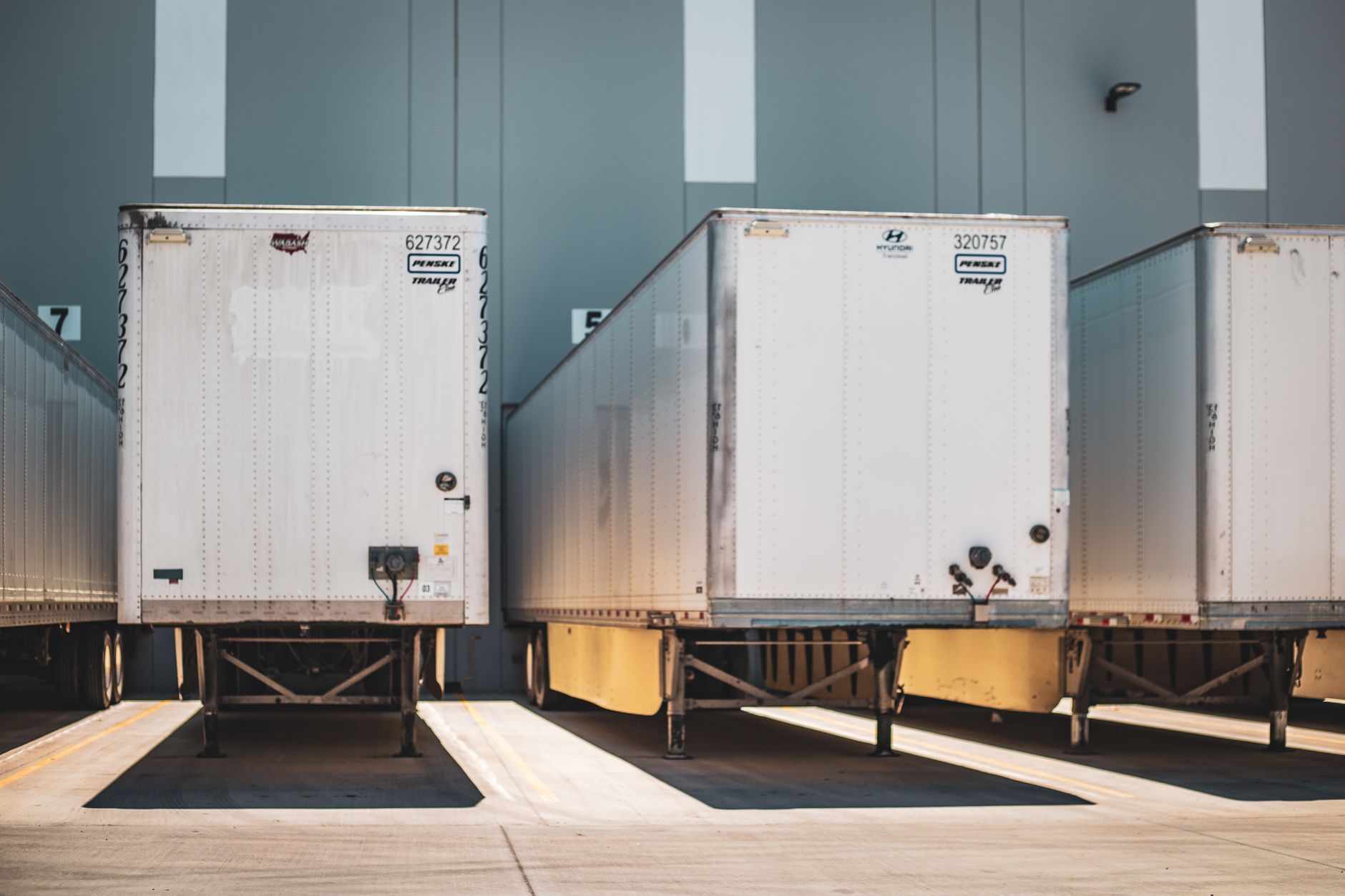
How do you evaluate an autonomous forklift vs forklift operator decision?
Start with a site walk and a week of pallet data. Count the moves by lane, the share that follow a repeat route, the share that are exceptions, and the hours each lane goes unfilled. That gives a defensible starting point and shows which lanes a robot can take first.
Pilot one or two lanes before committing to more. A pilot shows how the robot handles your racks, your pallets and your staff, and it shows the real exception rate. Keep the human team in place during the pilot so you can compare the exception queue and throughput honestly.
How does Service Robot Co. handle the lease and deployment?
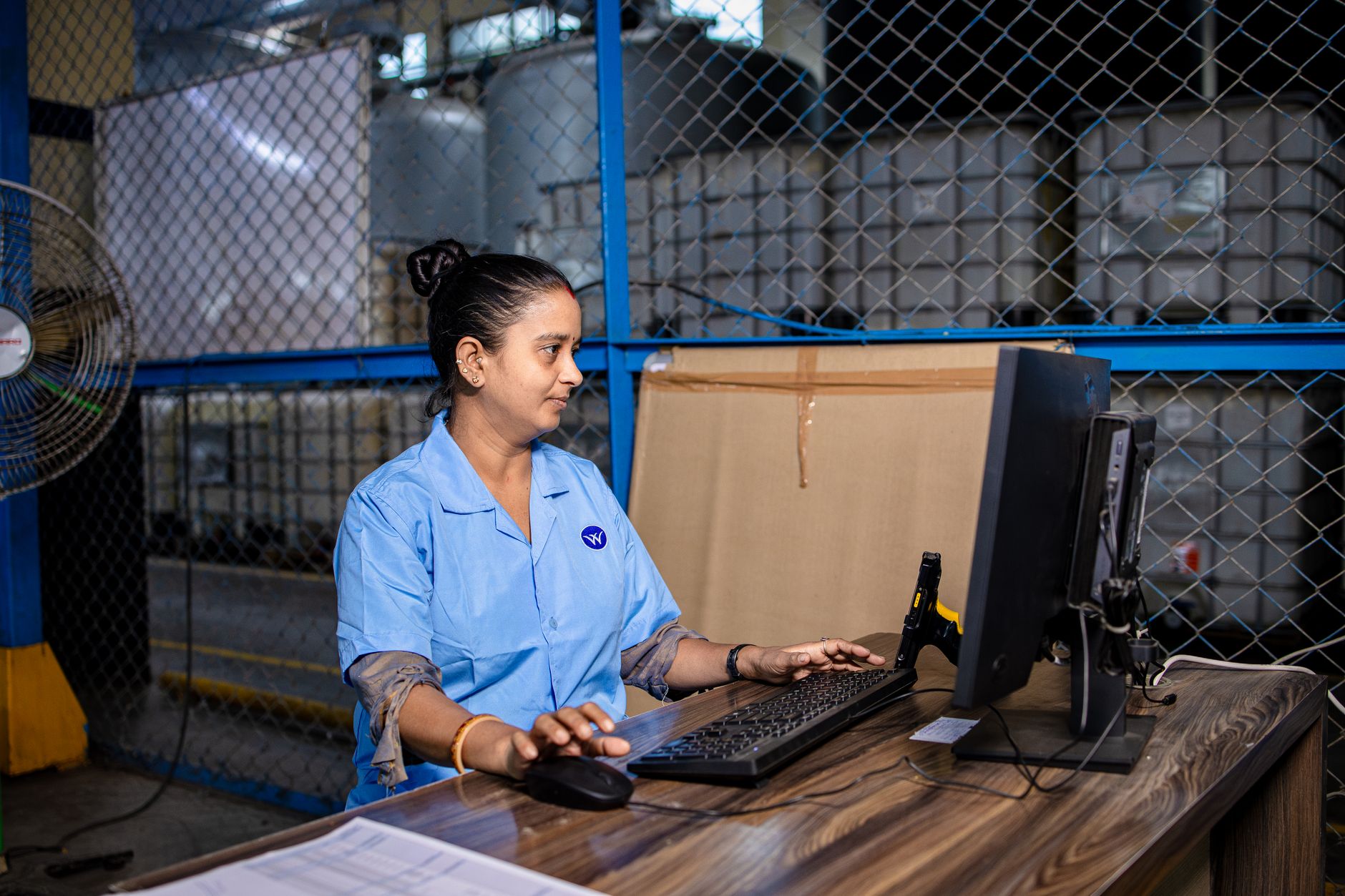
Service Robot Co. is a US commercial robot integrator. We pick the robot for the site, lease it through financing, deploy and integrate it, train the staff and service it nationwide. Robots are leased, and the lease is quoted after a free site assessment, so the decision starts with the site walk rather than a fixed number.
For a furniture distribution center, the assessment covers the route map, the share of repeat moves, the exception queue and the staffing plan. We would recommend a robot plus a smaller staff, not zero staff, and we would start with a pilot on one or two lanes so the site can measure the result before expanding. Service is handled nationwide, so a unit that needs attention does not depend on one local shop.
Frequently asked questions
Want an autonomous forklift at your furniture distribution center?
Tell us about your site. We will recommend the robot, quote the lease, and keep it serviced.
Sources
- BLS Occupational Outlook Handbook: Hand Laborers and Material Movers
- BLS Industry at a Glance: Warehousing and Storage (NAICS 4931)
- BLS Census of Fatal Occupational Injuries, 2024 national release
- OSHA directive on powered industrial trucks (29 CFR 1910.178)
- Safety-industry summary of OSHA powered industrial truck estimates
- NELP New Jersey warehouse turnover data brief (2022)
- 2002 Economic Census, furniture merchant wholesalers (archived)
- Private industry research estimate, furniture wholesaling number of businesses