
The short answer
For most precast plants, an autonomous forklift makes sense when pallet moves repeat on fixed routes between curing areas and staging yards, because a robot runs the same mapped path through long shifts without a driver change. A forklift operator still makes more sense when yard layouts change often, when loads need judgment about damage or unstable stacks, or when unplanned work fills most of the shift. Most plants that automate this work keep staff on the yard and let the robot take the repeated runs, rather than replacing the whole crew.
Key takeaways
- Robots fit best on fixed, repeated pallet runs between curing areas and staging yards.
- Operators stay essential for damage checks, crane coordination and layouts that change often.
- According to the NPCA market summary, U.S. precast producers number about 2,700 plants or more.
- The working model is a robot plus trained people on call, never a robot with zero staff.
- Lease quotes come after a free site assessment, once the routes have been measured.
Autonomous forklift vs forklift operator at precast plants: which makes sense?
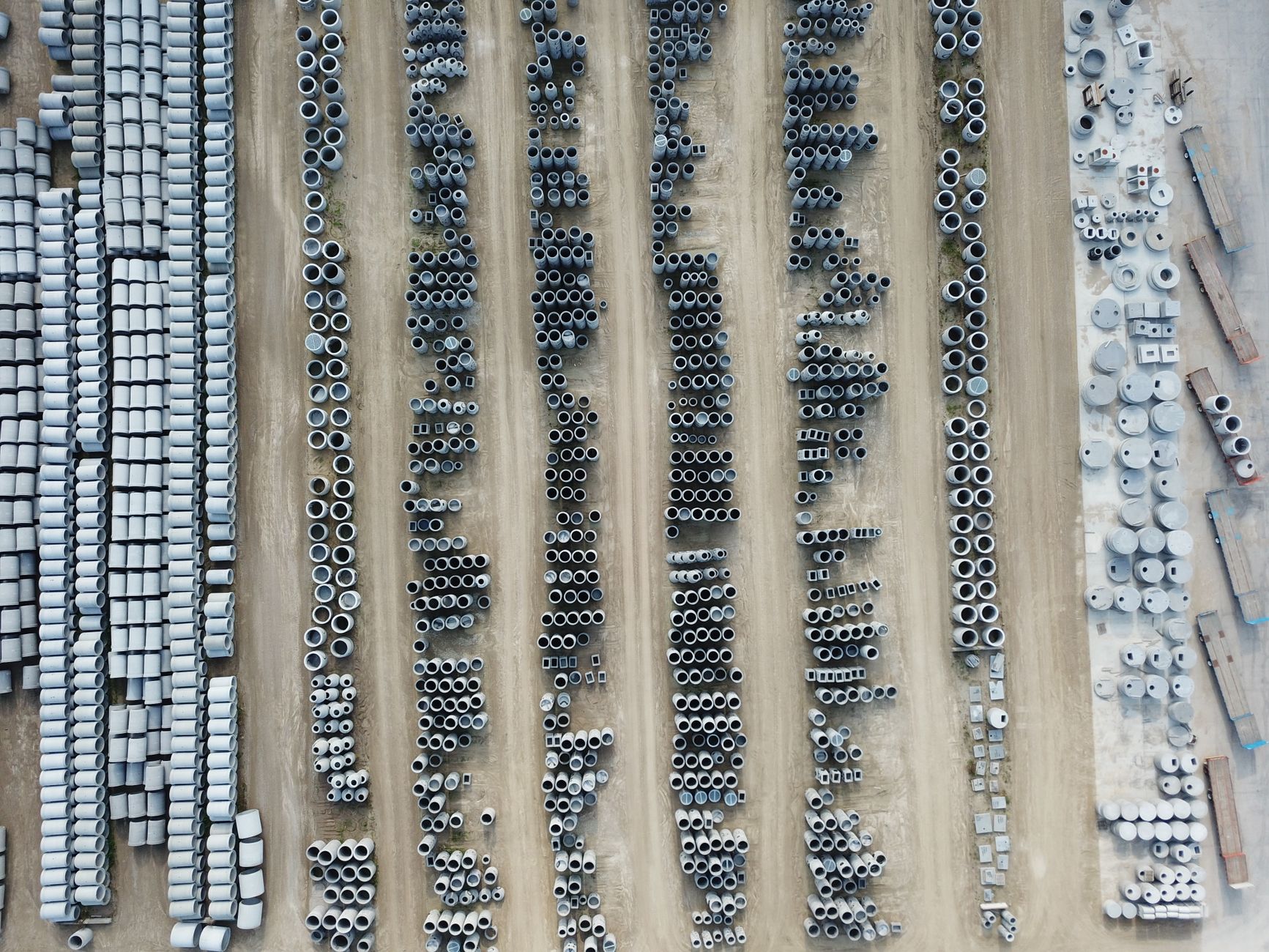
For most precast plants, the answer depends on whether the pallet moves repeat. Between curing areas and staging yards, many moves follow the same path, carry palletized loads of similar weight, and end at a known stack position. That pattern is where an autonomous forklift is most likely to earn its place, because the robot runs the same mapped route through a long yard shift without fatigue, breaks, or a change of driver.
The robot makes less sense when the yard changes week to week, when crews reset the stacking pattern for each product run, or when loads need a person to judge damage, unstable stacking or a misplaced form. A forklift operator also handles the unplanned work that fills a precast yard: a blocked lane, a crane crew asking for a different pallet, a truck arriving out of sequence. Where those events dominate the shift, a robot spends its time waiting and needs someone to clear it.
In most cases we recommend a robot working alongside the crew you already have, not a robot in place of the whole team. The robot takes the repeated runs, and trained people keep the inspections, exceptions and stacking decisions. Whether this fits a given plant is a site question, and the lease quote follows a site assessment.
What does a forklift operator actually do in a precast shift?
A forklift operator in a precast plant rarely spends a shift on one long straight run. The work breaks into many short cycles: pick a pallet or product stack from a curing area, check that the load sits square and is tagged, drive it to a staging yard or truck lane, set it at a marked position, and return for the next one. Between cycles the operator checks the truck, reports a damaged strap or chipped edge, and clears any spot where a stack has shifted.
Much of the judgment sits outside the drive itself. A good operator notices when a unit has a crack or a lifting insert looks wrong, and stops before the move. The same person coordinates with crane operators, finishers and dock staff by radio or hand signal. When a product run changes, the operator adjusts the stacking and route without waiting for a new plan, and that flexibility is why many plants hesitate to remove the person entirely.
The shift also contains time that does not look like driving. Pre-shift inspection, charging or refueling, housekeeping at the staging edge, and handoffs at shift change all take real hours. Those tasks belong in any comparison, because a robot does not absorb them automatically.
- Repeated route moves
Autonomous Forklift
Runs the same curing-to-staging path with steady timing
Forklift Operator
Repeats the route, but speed and timing drift with fatigue and breaks
- Overnight and extended shifts
Autonomous Forklift
Runs the planned route without a driver change, with a person on call
Forklift Operator
Needs a staffed shift each time, with overtime and sick-day cover to plan
- Damage and stack checks
Autonomous Forklift
Detects obstacles and positions, but cannot judge cracks or unstable stacks
Forklift Operator
Spots cracks, loose inserts and unsafe stacks by eye and touch
- Changing layouts and product runs
Autonomous Forklift
Needs remapping and a planned update before routes change
Forklift Operator
Adapts on the spot from radio calls and crew direction
- Crew coordination
Autonomous Forklift
Follows signals and rules but cannot read a crane crew's intent
Forklift Operator
Talks directly with crane, finishing and dock staff
- Staffing risk
Autonomous Forklift
Consistent once running, but needs trained staff to supervise and clear faults
Forklift Operator
Turnover and training recur, and the work depends on who is on shift
How many precast plants and workers are there in the US?
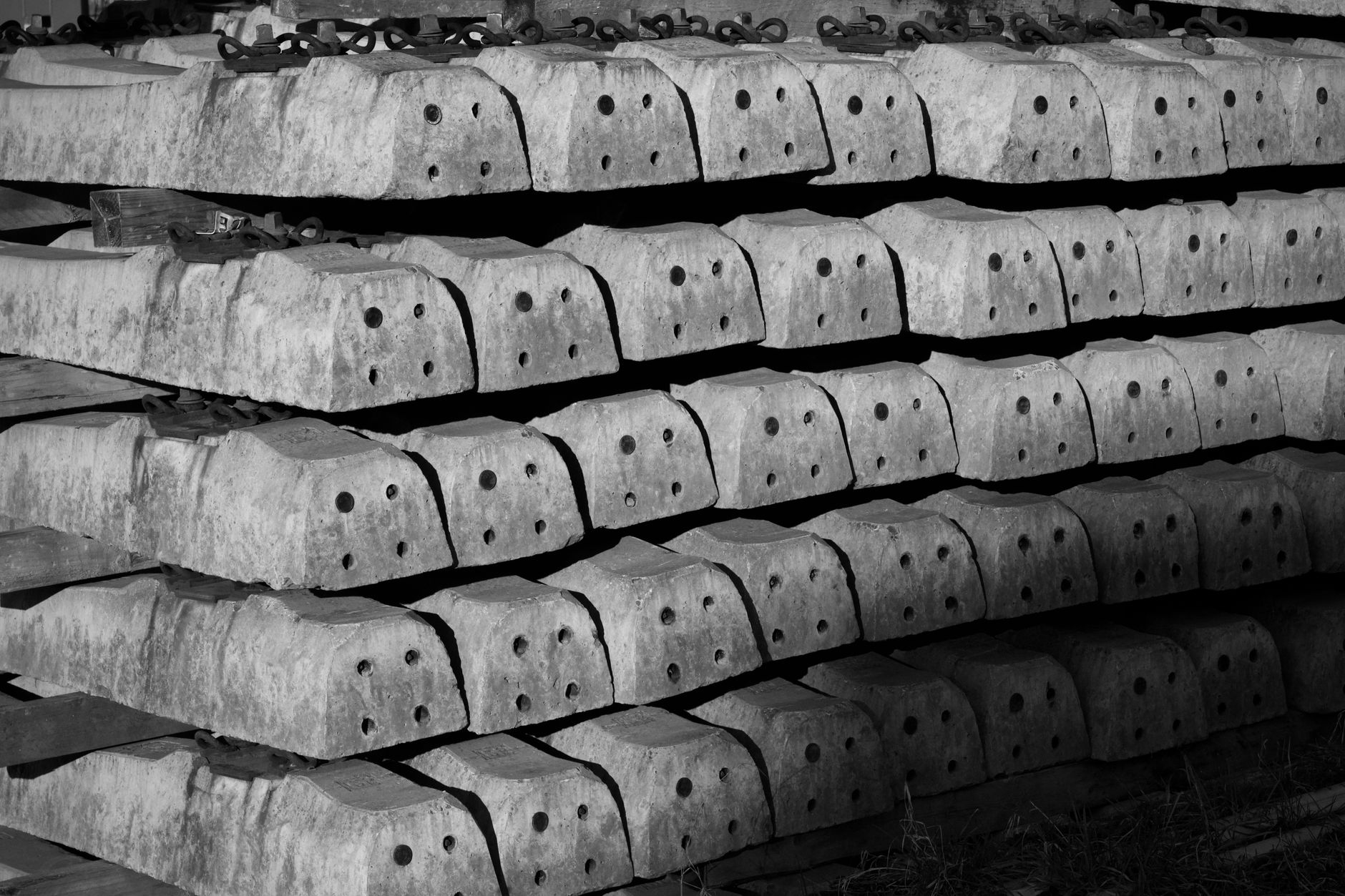
According to the NPCA market summary, which uses 2022 data, U.S. precast producers number about 2,700 plants or more and employ about 102,000 people. That is a distributed industry. Many plants are small or mid-sized, and each sits on its own yard with its own layout, so a route plan that works at one plant does not transfer by default. Site-specific routing matters here more than it does in a standard warehouse.
NPCA's 2023 benchmark report listed workforce as the top industry problem, and the association's Q2 2025 article describes a member-only Industry Workforce Satisfaction Survey. In its Q1 2026 article, NPCA reports that 87% of respondents would recommend the precast industry as a place to work. That points to a workable employer image, but it does not show how often a yard runs short on shift or how many people leave each year.
We did not find a published annual turnover rate specific to precast plants. Vendor pages that quote concrete trade turnover without a primary source are not reliable enough to use, so your own turnover records and overtime logs are the better basis for the decision.
What parts of a precast yard can an autonomous forklift take over?
The best candidates are moves that repeat and have clear start and end points. Pallet transfers from a curing area to a staging yard, returns of empty pallets to a set position, and moves between two fixed stacking zones all fit. The robot follows a mapped route, tracks its position, and stops at a marked spot. On a fixed route it keeps the same pace from first move to last, and it can cover overnight or extended runs that would otherwise need a second driver.
Parts it handles poorly include loads with unusual geometry, any judgment call about damage, moves that need a crane or hoist coordinated in real time, and yard lanes where obstacles change every hour. A form cart or parked trailer in the path needs a rule set before the robot can route around it. Loading trucks with varying trailer configurations usually stays with a person. A robot also cannot inspect a unit for cracks the way a trained operator does.
Before deciding, list every task in the operator's shift and sort it into three groups: repeated moves, exceptions that need judgment, and support tasks such as inspection and housekeeping. The robot takes the first group. The second stays with staff. The third is often split, and that split decides how many people the plant still needs on shift.
What do the hours and labor numbers look like for this work?
BLS figures describe the labor pool, not the precast yard itself. The Occupational Outlook Handbook counts about 6.95 million hand laborers and material movers in 2024, with projected growth of 4 percent from 2024 to 2034, which BLS describes as about as fast as average. The closest category to forklift work is material moving machine operators, with about 867,700 jobs in 2024, of which about 792,500 are industrial truck and tractor operators. For that group BLS projects 1 percent growth from 2024 to 2034, which it describes as slower than average.
Hiring pressure is part of the picture. According to BLS JOLTS data for all industries, quits were about 2.0 percent of employment in December 2025. That is an all-industry figure, not a manufacturing or precast figure, so treat it as background only. The number that matters for your yard is the quit, no-show and overtime record for your own forklift crew.
Turnover, overtime, night coverage and sick days are where the real hour picture sits, and we have not verified precast rates for them. The hours table below lists the categories to measure during a site assessment. Measure average route length, loads per shift, overtime hours, and the number of shifts that run short. Those four numbers will tell you more than any industry average.
How does a team work with a robot in a precast yard?
The model that works keeps people on the yard and gives the robot the repeated moves. The robot runs a fixed route, while operators or yard leads handle exceptions, loading decisions, inspections and fault response. Fewer people are needed on the repetitive work, but never zero. A fault, a blocked lane or a damaged load always needs a person close enough to act, so a robot with no staff is not a setup we would recommend.
In practice this means cross training. The operator who used to drive the full route becomes the person who clears faults, checks loads and reviews the robot's daily report. Training is short and hands-on, and the experienced staff who know the yard are usually the best fit for the new role. As part of deployment we train the crew and shape the handoffs around their routine, not the other way around.
Shift handoffs matter most in the first months. The robot's route and queue should be visible to the lead at shift start, and the crane crew should know which lane the robot is using. A team works when people know what the robot is about to do, not when they stand watching it.
What can an autonomous forklift not do in a precast plant?
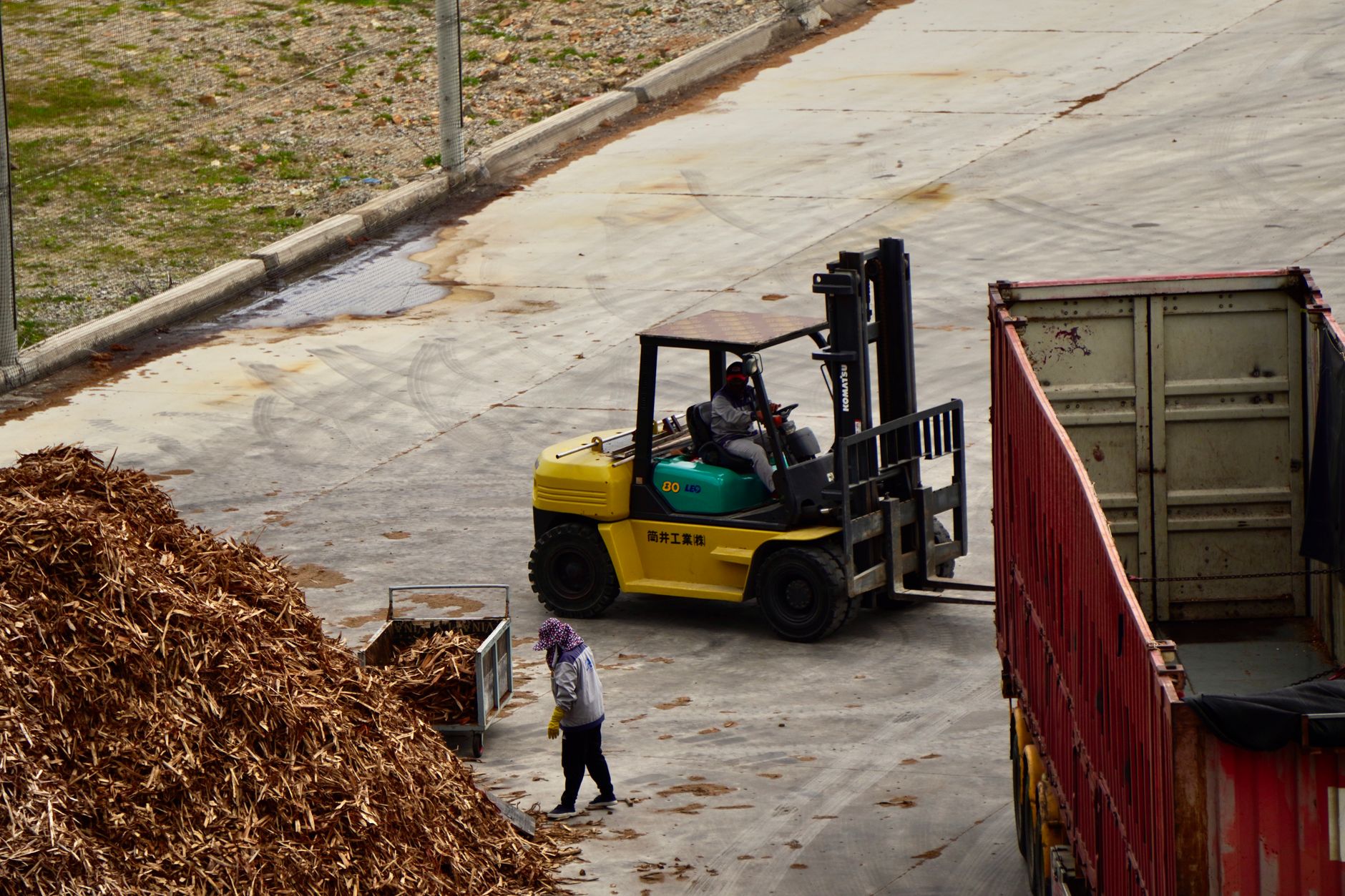
Honest limits matter more than the pitch here. A robot cannot judge a cracked or damaged unit by eye, and it cannot decide that a stack looks unsafe. It cannot read a crane crew's intent or change its route because someone waves a hand. It does not handle product configurations it was never mapped for, and it needs clear paths to run. Snow, standing water, mud and debris can disrupt sensing and traction, depending on the system and the yard surface.
Setup takes time. Mapping the yard, defining routes, setting safe zones and testing with the crew all happen before the robot runs a real load. Route changes after go live need a planned update rather than a quick fix on the floor. If your yard is reconfigured often, the remapping work lands on your side of the decision and should be counted.
There are also cases where the robot is the wrong tool: a small plant with only a few moves a day, a layout that changes every week, or a yard that runs mostly outdoors in severe weather without a clear route. In those cases a skilled operator plus better layout planning often gives the better result. An honest integrator will say so during the assessment.
What do injury and adoption figures say about autonomous forklifts?
OSHA's 2018 regional directive on powered industrial trucks cites roughly 85 forklift fatalities and 34,900 serious injuries per year. Those figures cover forklift work in general, not precast yards, and the directive dates from 2018, so check for newer counts before citing them in an internal memo. They still show why the risk around a yard deserves a plan. A robot removes the driver from the route, but it does not remove people walking through the yard, so marked lanes and exclusion zones matter either way.
Adoption for yard and dock work is still early. A July 2025 Indago survey, as summarized in a secondary write-up, found that 4 percent of respondents had moved beyond pilots for trailer loading and unloading, and most were still evaluating. A 2025 Intralogistics Robotics Survey, also read through a secondary summary, found that 33 percent of respondents named truck loading and unloading as their top automation priority. Interest runs ahead of daily use.
We found no 2025 survey that measures autonomous forklift adoption in precast plants directly. Treat these figures as signals, not benchmarks. A pilot with defined route measures tells you more about your yard than any industry average.
How do you get started with an autonomous forklift at a precast plant?
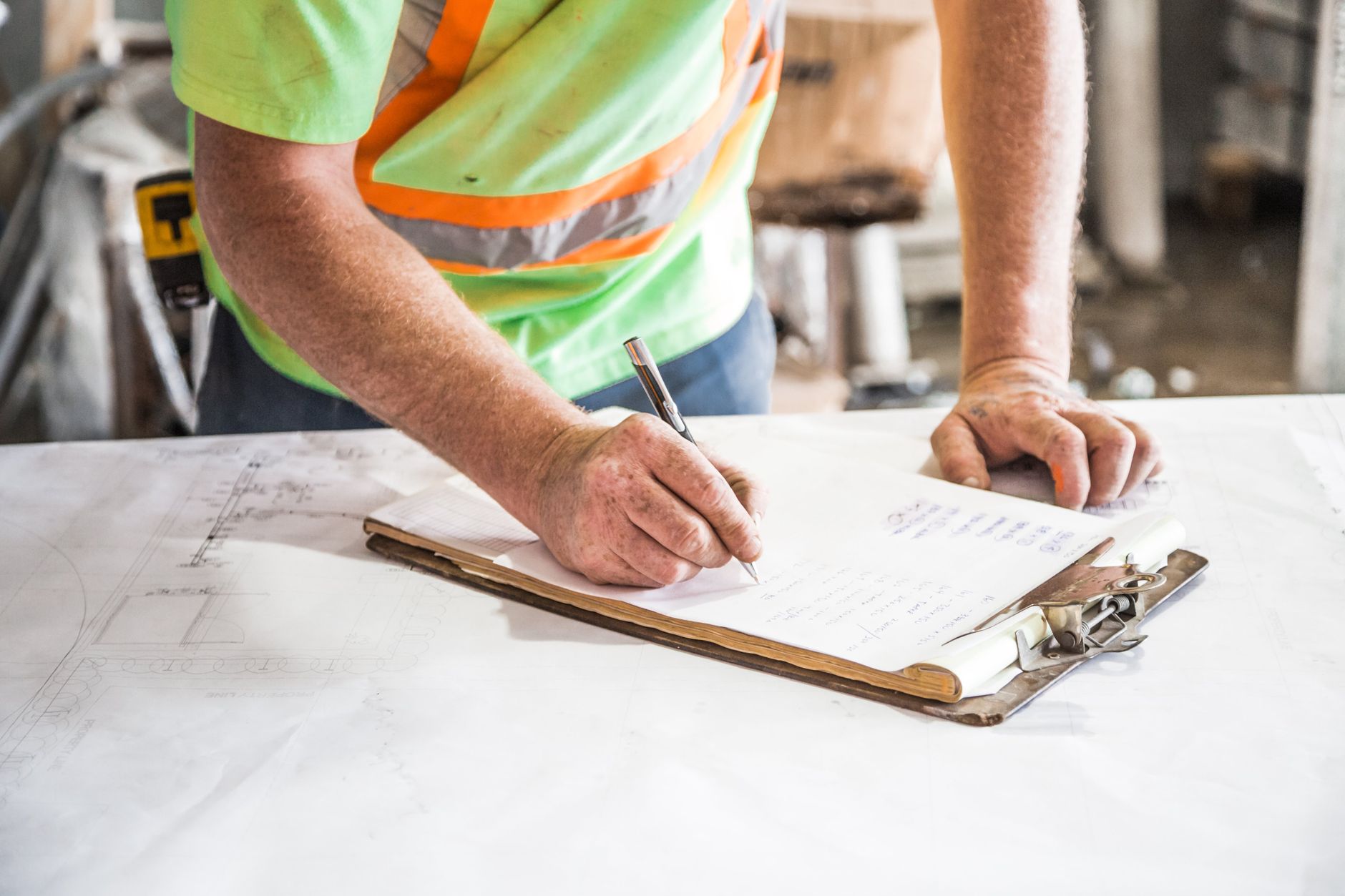
Start with a site assessment. Bring the route list, loads per shift, stacking patterns, yard map and shift schedule. A good assessment times the repeated moves, marks the exception work, and identifies safe zones and charging points. We do this assessment at no charge, and the lease quote is given after it, not before.
Financing is handled as a lease. The terms depend on the site, the number of units and the service plan, and they are set out in the quote once the assessment confirms the routes. The lease can include maintenance and nationwide service, so your own maintenance staff are not the only line of defense when a unit fails.
A common first step is a pilot with one unit on the highest-volume route. After the quote, deployment covers mapping, integration with the yard routine, crew training and go live support. Compare the first month against the route and staffing numbers from the assessment, and let those results decide the next phase.
Frequently asked questions
Want an autonomous forklift at your precast concrete plant?
Tell us about your site. We will recommend the robot, quote the lease, and keep it serviced.
Sources
- NPCA market executive summary (2022 data)
- NPCA, How workforce can work for you (Q2 2025)
- NPCA, Using workforce data to strengthen the precast industry (Q1 2026)
- BLS Occupational Outlook Handbook, hand laborers and material movers
- BLS Occupational Outlook Handbook, material moving machine operators
- BLS Job Openings and Labor Turnover Survey (JOLTS)
- OSHA regional directive on powered industrial trucks (2018)
- Indago survey summary on robotic trailer loading and unloading (secondary)