
The short answer
A cleaning robot vs janitor in Greenville, SC is rarely either/or. A floor robot makes sense when a large, mostly open floor needs the same scrubbing pass on a schedule, especially overnight when no one is on site to run a machine. It does not replace the person who handles restrooms, spills, trash and unplanned cleanup, so for most buildings the practical answer is a robot plus fewer staff, not zero staff.
Key takeaways
- A floor robot takes the repeat scrubbing pass well, but it does not take restrooms, trash or spill response.
- Janitor turnover is high and published figures vary widely, so check your own hiring and absence records.
- The government wage data on this page gives the local wage, but measured hours and the task mix decide the answer.
- Overnight and evening coverage is where a robot has the clearest case, because the floor pass runs with no one on site.
- Start with a walk-through and a pilot on one building, then size any staffing change from measured time.
Cleaning robot vs janitor in Greenville, SC: when does a robot make sense?
A cleaning robot makes sense in Greenville when a large, mostly open floor needs the same scrubbing pass again and again, on a schedule, and when that pass can run without a person beside the machine. It makes less sense when the work is spread across many small rooms, restrooms, spills and trash that change through the day. In that case a robot adds a machine to manage without taking much work off the janitor's list.
For most sites the honest answer is a robot plus fewer staff. The robot runs the repeat floor pass, and the person keeps the tasks that need judgment, contact with occupants and fast response. The sections below show how to sort your own building into those two groups before you decide.
What does a janitor actually do in a shift?
A janitor's shift is a sequence of short tasks rather than one long job. Typical work includes emptying trash and recycling, cleaning restrooms and fixtures, restocking supplies, wiping high-touch surfaces, answering spill and service requests, and sweeping, mopping or running a floor machine. Because the list is so varied, a single machine can cover only one slice of it.
Timing shapes the job as much as the task list. The Bureau of Labor Statistics notes that many cleaners work evenings because office buildings are often cleaned while they are empty, and that most janitors work full time while part-time work is common. Night and evening work is where a floor robot has its clearest case, because the scheduled pass can run with no one on site, and staff time moves to the tasks that need hands on the building.
Median hourly wage, Janitors and Building Cleaners
$3,236
Monthly cost of one full-time worker in Greenville, SC, at the median wage plus payroll costs (an estimate, not a quote).
Which parts of the work can a floor robot take, and which can't it?
A floor robot can take the repeat pass across open corridors, concourses, sales floors and similar areas, provided the route is mapped and the aisles stay clear. It works best where the floor is level, the layout is stable and the surface suits a scrubber or sweeper. Scrubbing is the core use case: according to the ISSA and AACEM autonomous cleaning survey from 2019, 89% of organizations that had adopted autonomous cleaning used scrubbers.
It cannot take restroom cleaning, trash removal from many bins, wiping of touchpoints, rapid response to a fresh spill, or the judgment calls that come up during a shift. Those tasks stay with staff. Write the split down before you decide, so the people who keep those tasks know exactly what they own.
Surface and route matter more than people expect. Thresholds, loading docks, rugs, cords and furniture moved for events all change whether the robot can finish a run. A building that moves its furniture every week will need staff to reset routes more often, which shifts some of the labor back to the team.
- Night coverage
Cleaning Robot
Runs the scheduled floor pass with no one on site, when the route is clear
Janitor
Can respond to a spill, a fault or a complaint during the shift
- Restrooms and trash
Cleaning Robot
Does not do this work
Janitor
Does this work, along with supplies and checks
- Repeat floor pass
Cleaning Robot
Same route and timing on each run
Janitor
Pace and thoroughness vary with workload and fatigue
- Judgment and exceptions
Cleaning Robot
Stops at obstacles it cannot classify
Janitor
Decides what to do about an unexpected hazard or debris
- Flexibility across tasks
Cleaning Robot
Does one job well, within its mapped route
Janitor
Flexible, and can be reassigned between rooms and shifts
- Layout changes
Cleaning Robot
Needs the route reset and a map that matches the building
Janitor
Adapts on the spot when furniture or walkways move
What does the labor picture look like: turnover, evenings and sick days?
According to the Bureau of Labor Statistics, about 2.4 million people held janitor and building cleaner jobs in 2024, with projected growth of 2% from 2024 to 2034, slower than average. The same handbook projects about 351,300 openings a year on average, mostly replacement demand. In other words, hiring for this role is recurring work even when headcount does not grow.
Turnover figures for this work are published widely but vary a great deal. A janitorial industry blog, which is secondary and unverified, reports turnover figures from about 75% to about 400%. A vendor research page reports 150% to 200% annual frontline turnover at multi-site cleaning operators, citing industry surveys. Neither is an official occupation figure, so the place to check is BLS JOLTS data by industry and your own hiring records.
No verified figure was found for overtime, sick-day coverage or night-shift premiums for this occupation in Greenville. Those numbers belong in your own payroll and absence records. The test for a robot is whether it reduces overtime hours and call-out coverage, not whether it matches an industry average.
Injury data points the same way. According to the BLS injury and illness snapshot, janitors and cleaners, except maids and housekeeping cleaners, had 21,100 nonfatal cases with days away from work in private industry in 2020, an incidence rate of 191.6 per 10,000 full-time equivalent workers, up from 157.4 in 2019. The figure does not show which tasks caused those cases, so check your own incident log before you assume a robot removes them.
How do a robot and a janitor share the work?
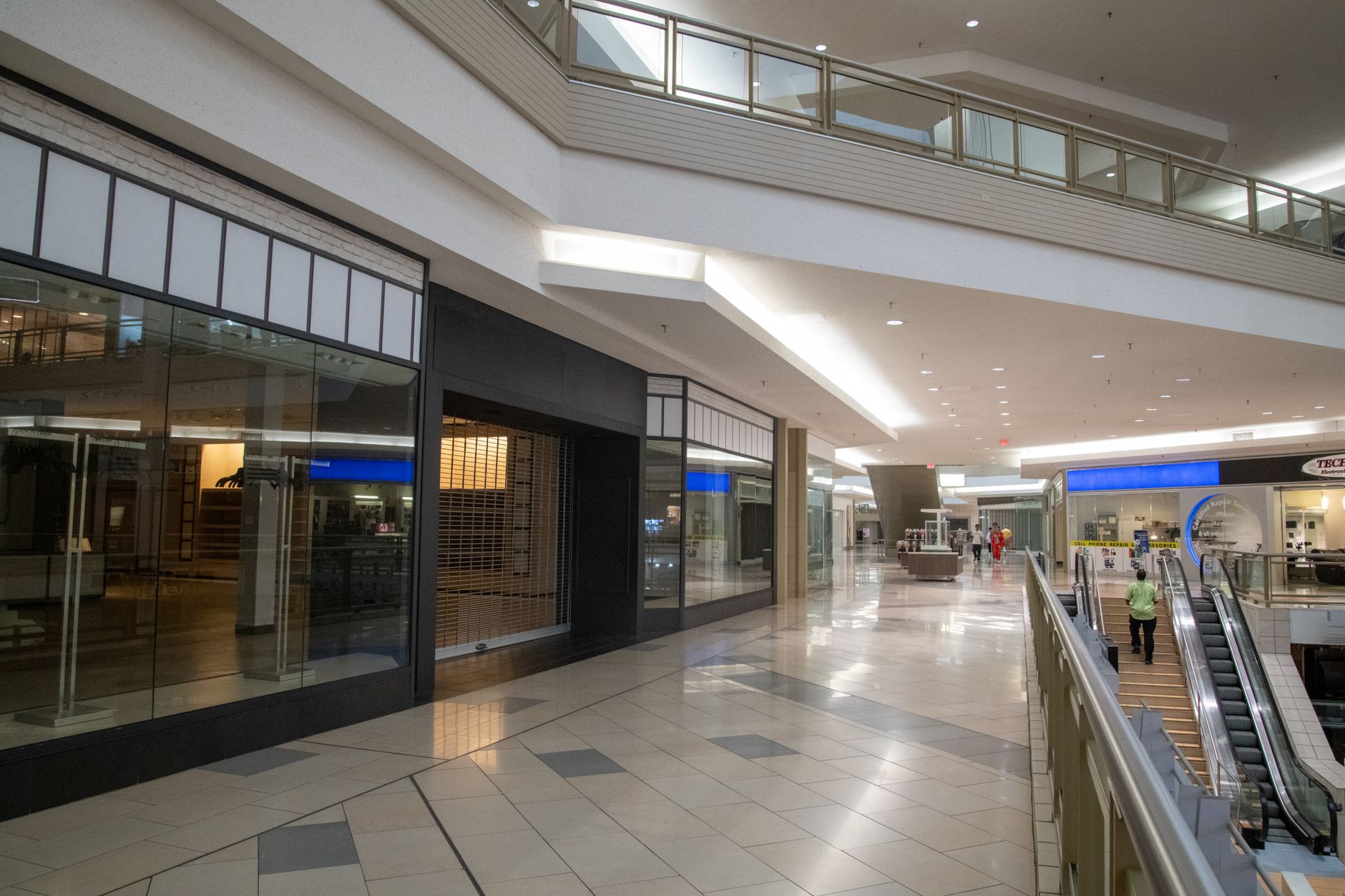
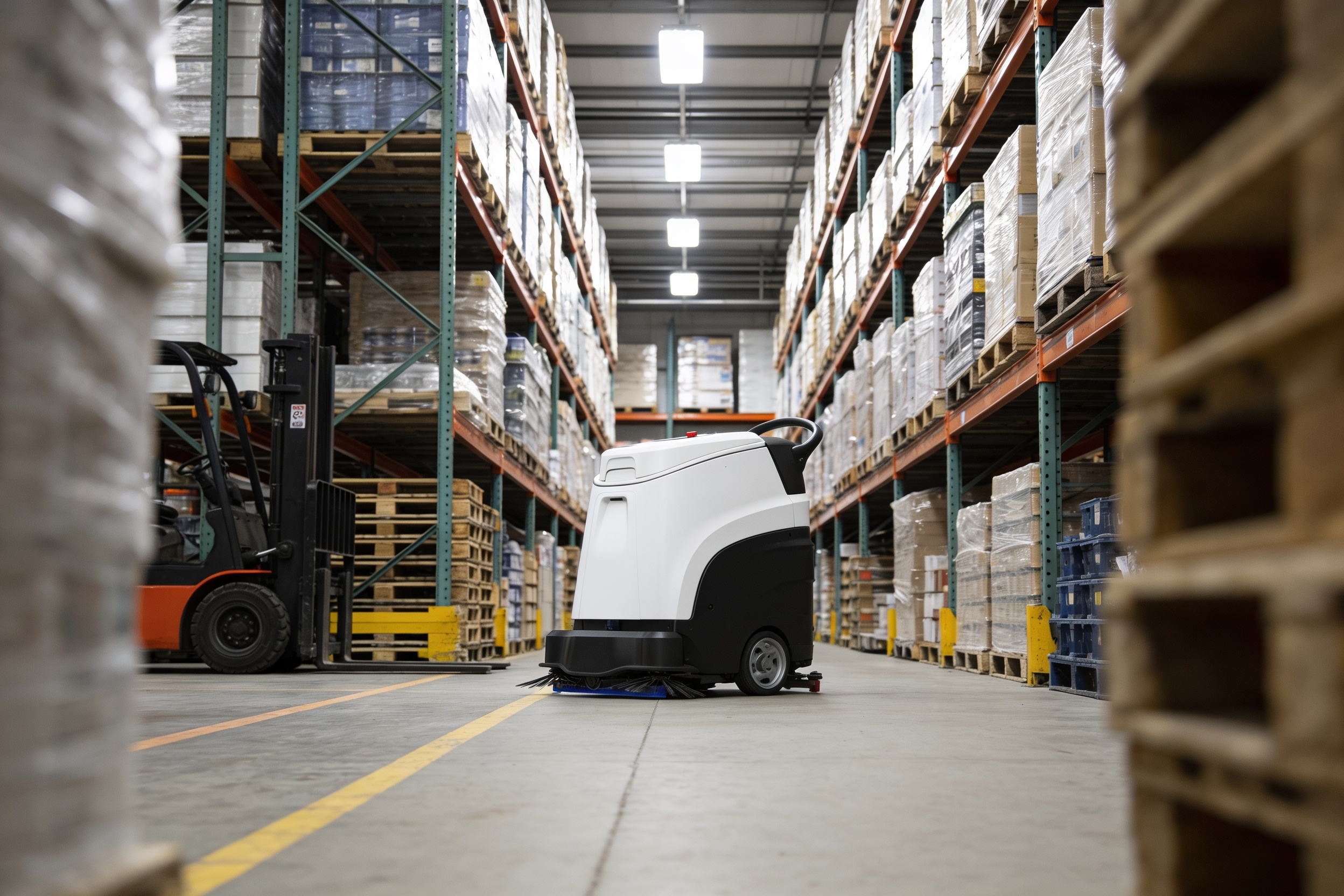
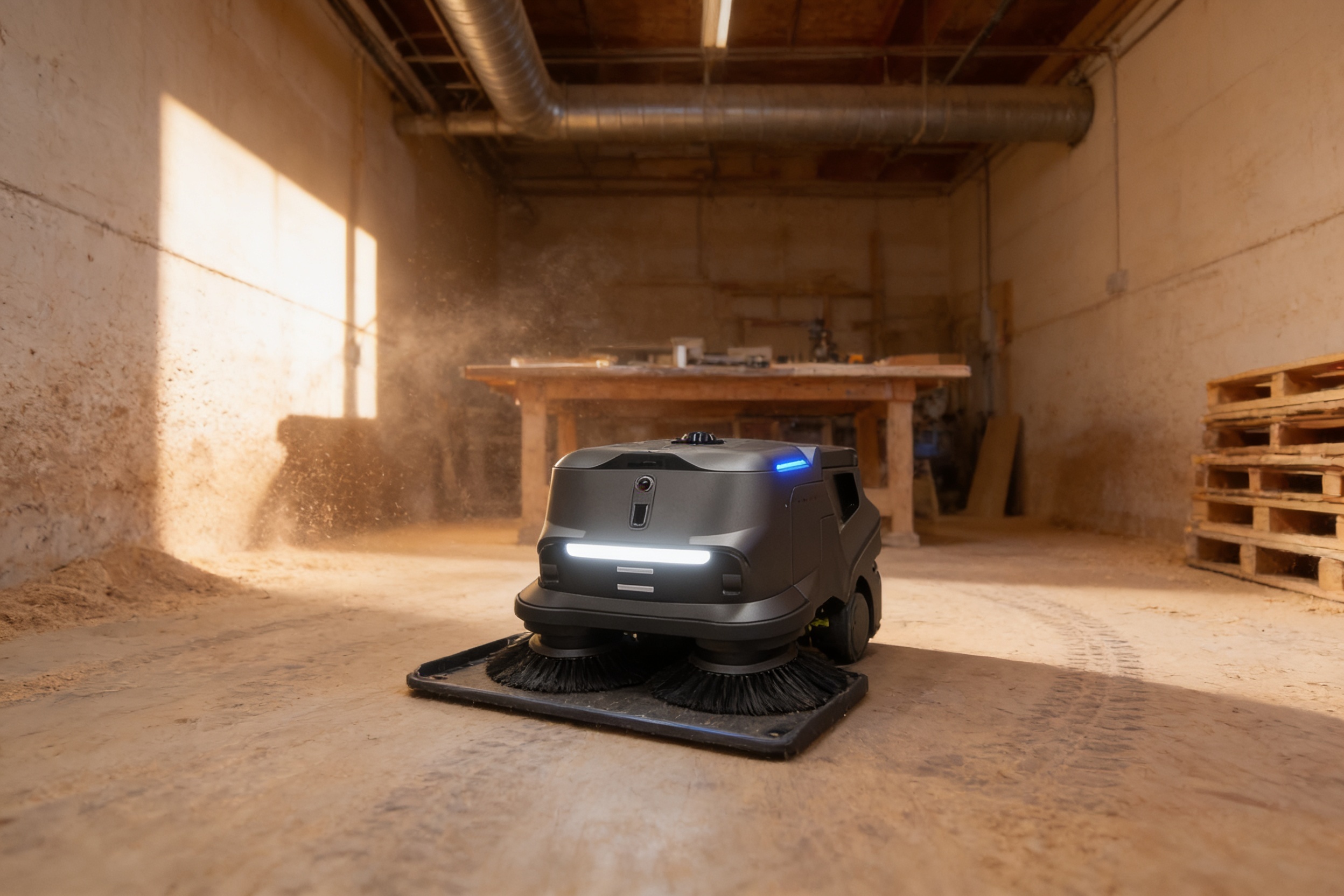
The working model is always a robot plus fewer staff. The robot runs the scheduled floor pass, often overnight or in quiet hours, while a person checks it at the start and end of the shift, clears the route, handles stops and does the manual tasks. A building with no one on site has no one to respond to a spill, a fault or a complaint, which is why zero staff is not the model.
Staffing changes are usually smaller than people expect, and they vary by building. A site that once had two people on a long evening floor pass might move one person to the restroom and spill route and let the robot take the main corridors. The right number depends on layout, hours and how much of the list the robot takes, so it should come from a walk-through, not a guess.
Handover is where most of the friction shows up. The person on the early shift needs to know whether the run finished, whether the route was blocked and whether any area was skipped, so the robot's log becomes part of the shift report rather than a separate record. Staff who understand that handover will catch a stopped unit in minutes instead of discovering it at the next morning walk-through.
What can a cleaning robot not do?
A floor robot cannot clean restrooms, empty trash, respond to a fresh spill, wipe high-touch surfaces or handle a complaint from an occupant. It will stop at an obstacle it cannot classify, and it depends on a clear route and a map that matches the building as it is on the day it runs. It is a floor tool, not a janitor.
Operating limits matter too. Floors with heavy debris, uneven surfaces or frequent layout changes need more setup and tuning. The robot also needs a service plan, a plan for coverage when a unit is out of service, and staff who know how to clear a stop. Get those terms in writing before you decide.
Expect a learning period. The first runs usually expose gaps in the map, doors that were propped open, and areas where staff had been doing extra work that nobody wrote down. Plan for a few weeks of adjustment before judging the result.
How does the local wage for this job factor in?
The government wage data on this page gives the local wage for this job in Greenville, so the labor side of the comparison sits beside this text. What that wage does not tell you is how many hours the work takes or how much of the shift goes to tasks a robot can take. A wage answers only one of the two questions the decision needs.
A third-party metro jobs listing reports about 6,250 jobs for janitors and cleaners, except maids and housekeeping cleaners, in the Greenville-Anderson-Greer metro, citing May 2025 data. That is a labor pool count, not the official May 2024 metro wage figure, which was not verified for this page. Use the wage with measured hours: time the repeat floor pass over several shifts, then compare the staff hours it occupies with the tasks that must stay manual.
Is a cleaning robot normal for building service contractors?
Adoption is growing from a low base. The ISSA and AACEM autonomous cleaning survey from 2019 contacted about 23,000 organizations and found that active users were 27% of respondents. About one-third of non-adopters said they were somewhat likely to adopt within a year. An earlier CMM benchmark found 68% answered no to implementing autonomous or robotic cleaning equipment, while a 2020 CMM survey found 10% of building service contractors used autonomous or robotic equipment.
A 2026 study, as summarized by a news aggregator, reports that about 32% of building service contractors plan to adopt robotic floor equipment within 12 months, roughly double the 2025 figure. Treat that as a planning signal rather than a verified industry rate. The practical point is that many peer contractors are still deciding, so a trial on one building is a common first step.
How do you get started with a cleaning robot in Greenville?
Start with a walk-through of the building and a timed log of the floor work by shift. Split the task list into the repeat floor pass, which is a candidate for a robot, and the manual tasks that stay with staff. Record the route, the obstacles, the evening and overnight hours, and the gaps where a person must be on site.
We run this process for commercial buildings. We start with a free site assessment and map the route, then give a lease quote through financing once we know the building. We deploy and integrate the unit, train the staff who will work with it and service it nationwide, with on-site dispatch and remote triage when something needs attention. A pilot on one building is the usual first step, so you can check the hours before you commit to more.
Frequently asked questions
Put a robot to work in Greenville.
We walk your site, learn the job, and recommend the unit that fits. Then we quote the lease, deploy it, and keep it serviced.
Sources
- US Bureau of Labor Statistics, Occupational Employment and Wage Statistics (OEWS May 2024)
- BLS Occupational Outlook Handbook: Janitors and Building Cleaners
- BLS Injury and Illness Snapshot: Janitors and Cleaners, 2016-20
- Third-party metro jobs listing, Greenville-Anderson-Greer
- ISSA and AACEM autonomous cleaning survey
- CMM trade press survey on building service contractor robotics
- Vendor research page on janitorial staffing
- Janitorial industry blog on turnover
- News summary of a 2026 building service contractor study