
The short answer
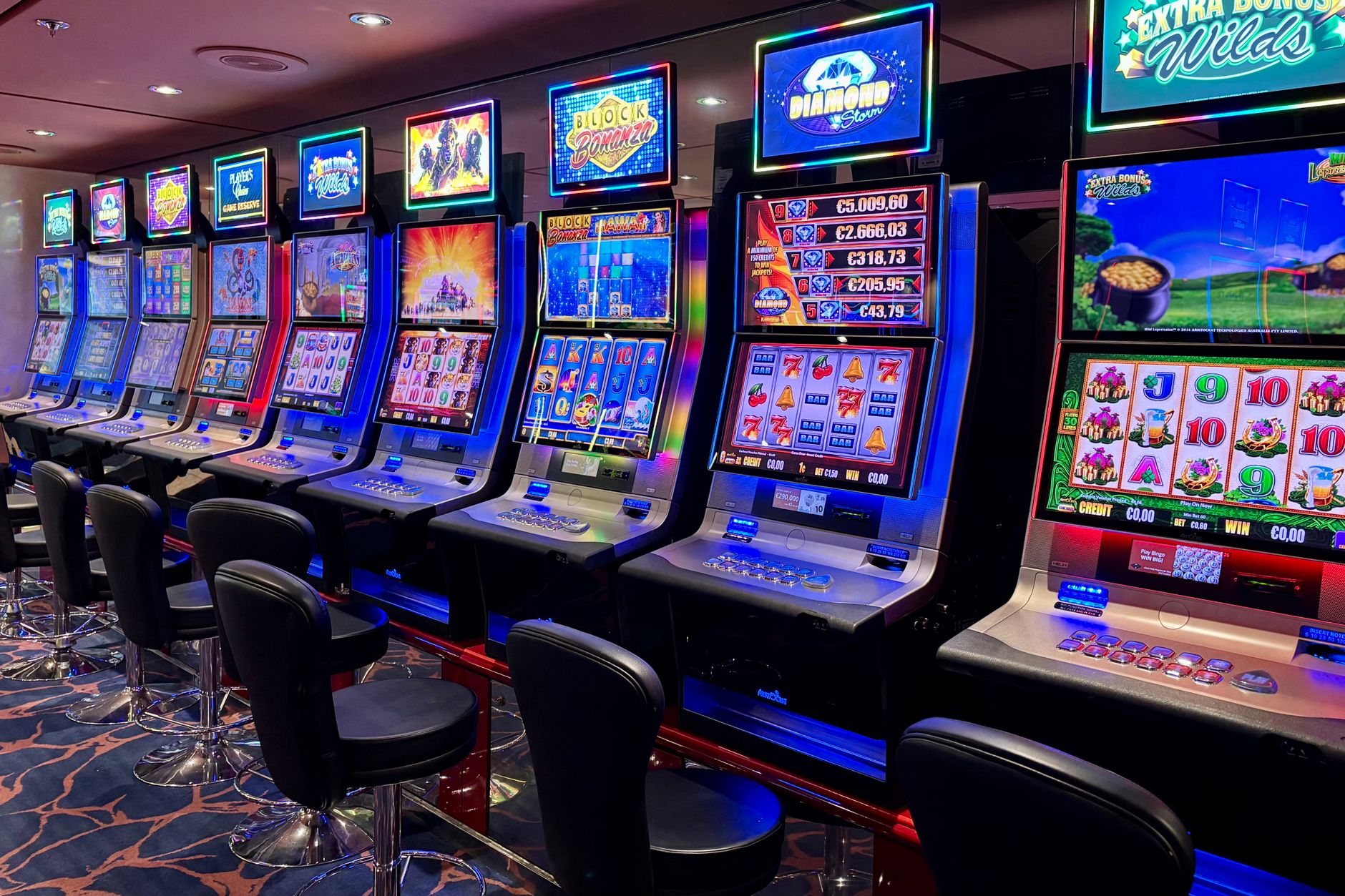
For a casino, the cleaning robot vs night janitor choice turns on floor surface and route. A cleaning robot can take scheduled passes over hard-surface back-of-house corridors and other non-carpeted areas, but it cannot cover the carpeted gaming floor or the spills and guest incidents that fill a casino night. The practical answer is a robot plus fewer night staff, not zero staff, and whether it pays off depends on how much hard floor your site has, which a free site assessment measures before any lease quote.
Key takeaways
- A cleaning robot fits scheduled passes on hard-surface back-of-house floors, not the carpeted gaming floor.
- The night janitor still handles spills, guest incidents, restrooms and checks a robot cannot make.
- Plan for a robot plus fewer night staff, never zero staff, and write the staffing plan down before go-live.
- Casino night labor is a turnover and staffing problem, so the robot should free hours rather than remove the crew.
- Measure your own hard-floor area and night route time before comparing the robot with the current overnight labor.
When does a cleaning robot vs night janitor choice make sense at a casino?
For a casino, the cleaning robot vs night janitor choice turns on floor surface and route. A cleaning robot makes sense when a meaningful share of the night work is hard, non-carpeted floor on a predictable route, such as service corridors, back-of-house passages, staff hallways, and loading or receiving areas. The robot runs a scheduled pass, returns to its charging spot, and logs where it stopped. That pattern repeats every night, which is exactly the kind of work a long shift does poorly late in the night.
It does not make sense when most of the night's cleaning falls on carpeted gaming floor, around machine banks and table areas with guests moving through, or when the hard floor the robot could reach is small. A robot that covers one corridor well is a poor return on a lease. So the first question is not whether a robot cleans well. It is how much of your night floor work it can actually reach on a route your crew can keep clear.
Our answer for most casinos is a robot plus fewer night staff, never zero staff. The robot takes the repeat hard-floor passes, and people keep the work that needs judgment, carpet, restrooms and guest response.
What does a night janitor actually do during a casino shift?
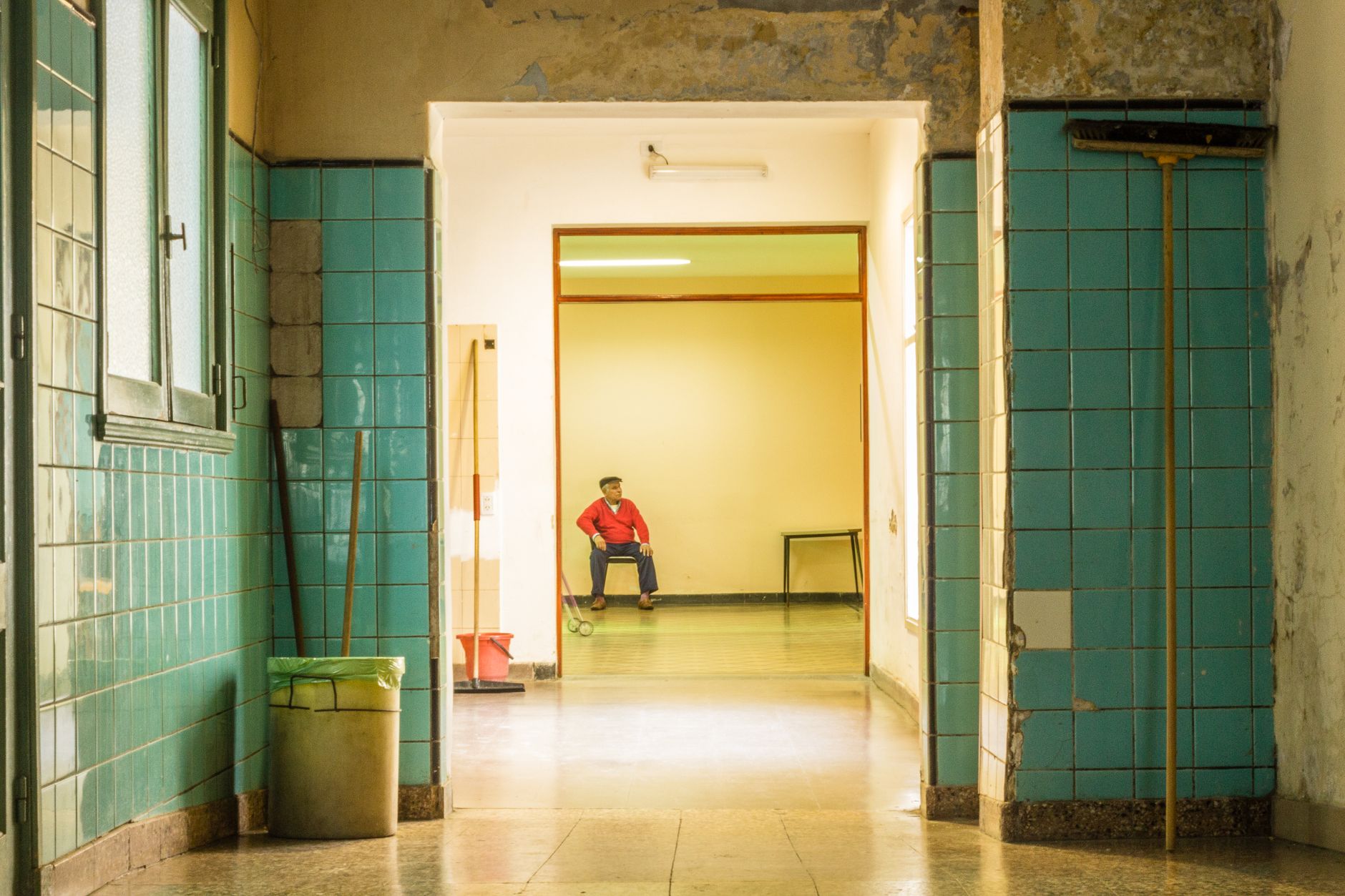
A night janitor's shift is a mix of scheduled work and reactive calls. The scheduled part covers emptying bins, cleaning restrooms, scrubbing back-of-house floors, restocking supplies and resetting work areas. The reactive part covers spills at bars, restaurants and gaming areas, guest incidents that need a cleanup, and the calls a supervisor sends when something is out of place.
Casino housekeeping job postings describe rotating shifts and 8-hour overnight shifts, so the night crew often works a long stretch with a fixed set of rooms, zones and routes. The work is physical and repetitive, and the same corridors need attention every night.
Much of a janitor's time goes to walking the route and checking areas the day team cannot reach. That walking is the part a floor robot does not replace on its own. A robot can take the push and the pass, but someone still has to see the spill, decide what it needs and make the call.
Median hourly wage, Janitors and Building Cleaners
$4,041
Monthly cost of one full-time worker, at the median wage plus payroll costs (an estimate, not a quote).
Which casino floor work can a cleaning robot take, and which can it not?
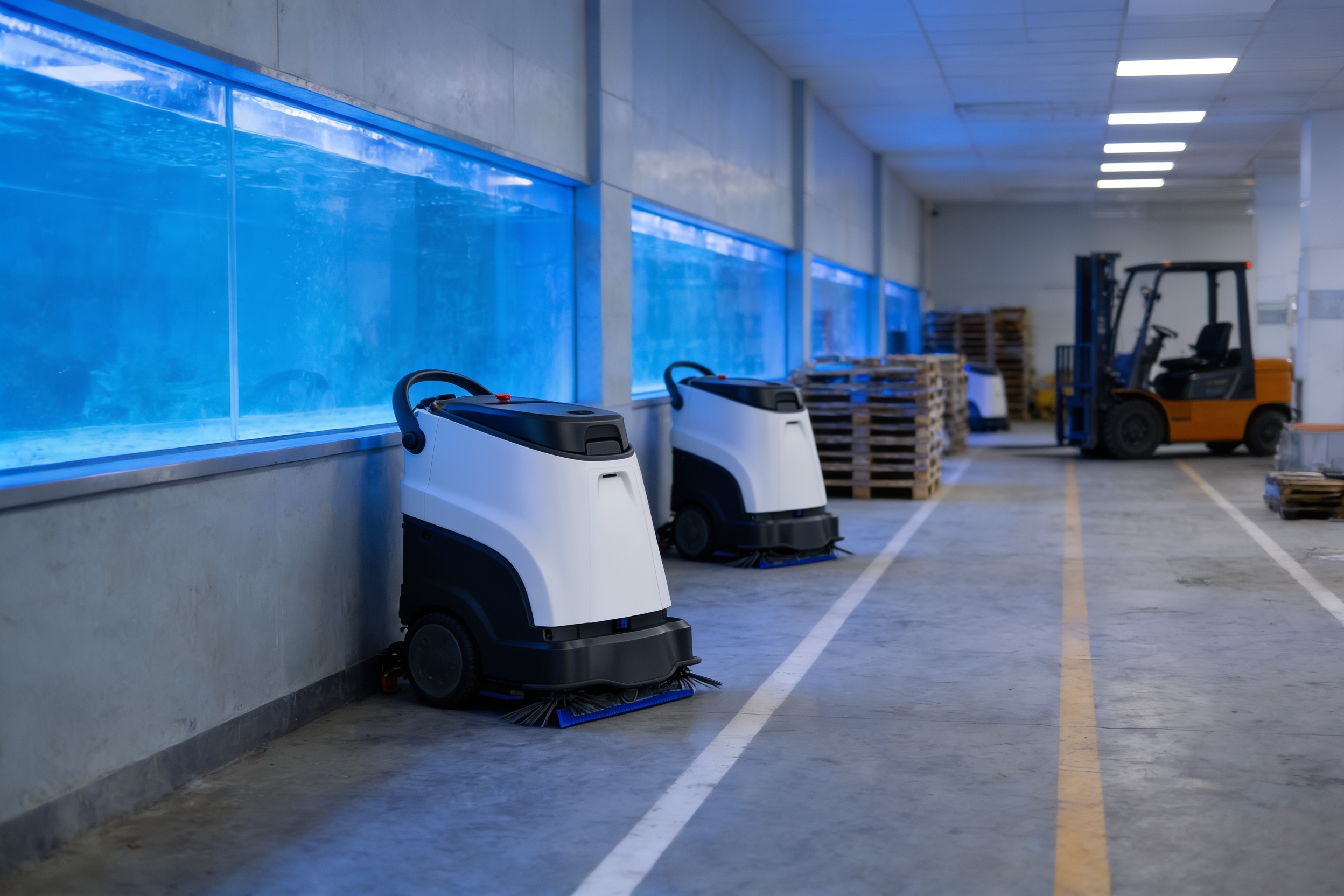
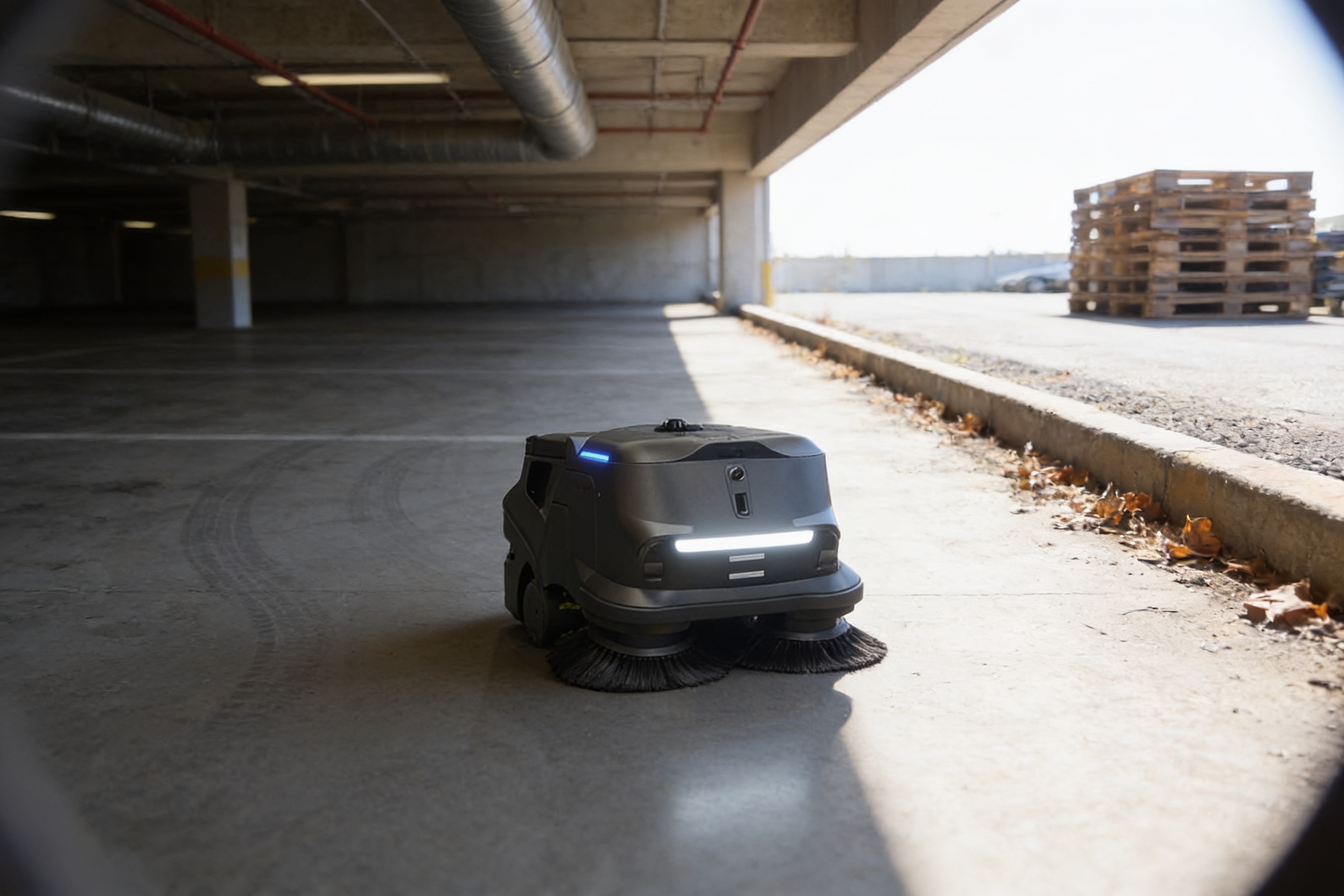
A floor robot is good at repeated passes on hard, open, reasonably clear floor. In a casino that means service corridors, back-of-house passages, loading and receiving areas, and staff hallways that are not carpeted. A scheduled pass runs at the same speed and on the same route every night, which helps floors that are otherwise cleaned late in a tired shift.
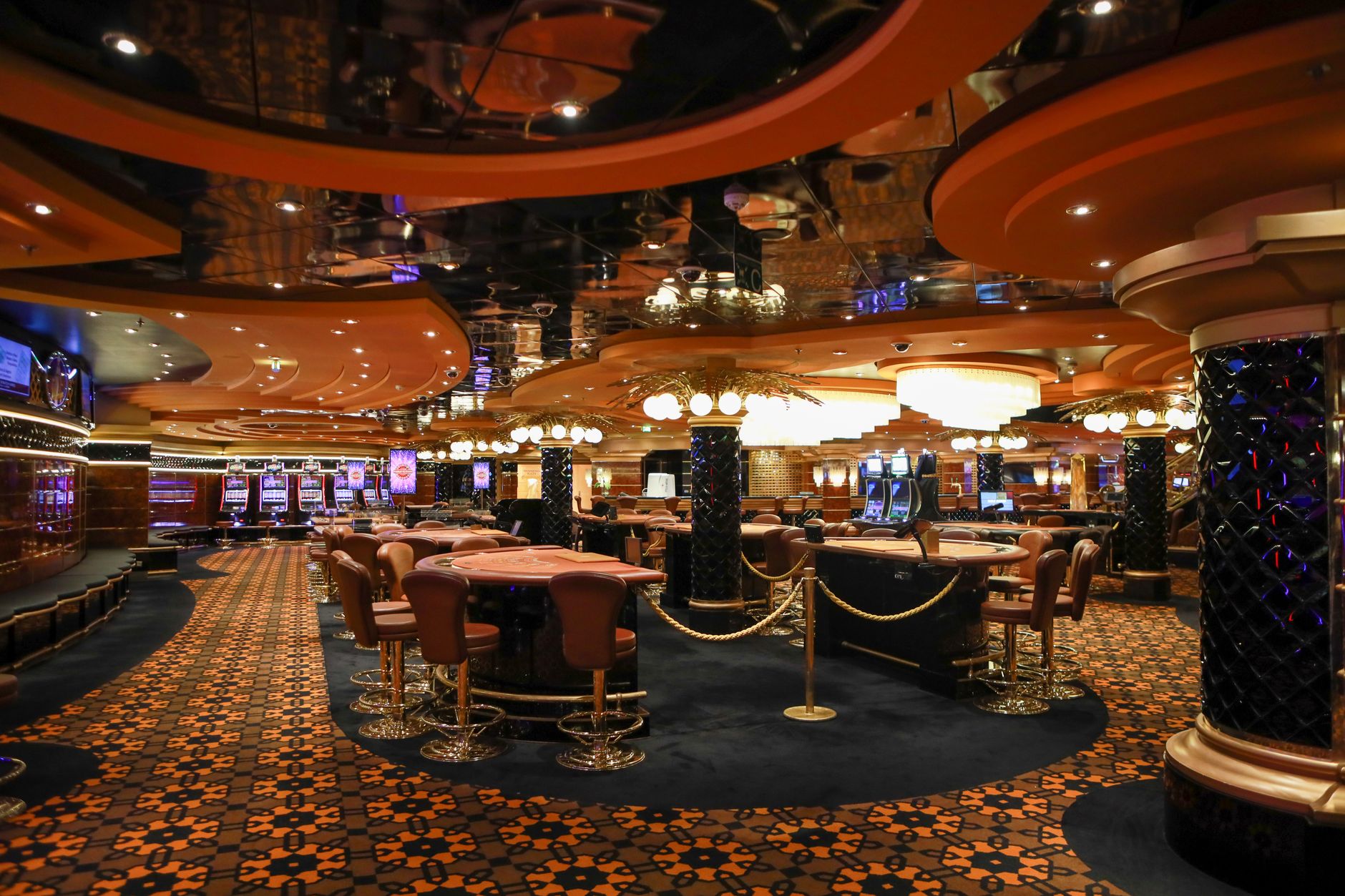
It is usually not the right tool for the carpeted gaming floor, where carpet patterns, fixtures and dense seating make autonomous navigation and cleaning less reliable. It cannot respond to a spill at a bar, a dropped chip or a guest incident. It cannot empty bins, clean restrooms or check that doors, fixtures and equipment are in order. Those tasks stay with people.
The honest split is hard floor on a route for the robot, and everything that needs a hand, a judgment or a carpet for the night crew. The exact share depends on your building, and only a site assessment can measure it.
- Night coverage
Cleaning Robot
Runs scheduled passes at set times on the same route each night
Night Janitor
Adjusts to the night as it unfolds, but covers only what one shift can reach
- Carpeted gaming floor
Cleaning Robot
Usually not a fit
Night Janitor
Can vacuum, spot clean and work around fixtures
- Spills and guest incidents
Cleaning Robot
Cannot respond, and a stuck robot needs someone to clear it
Night Janitor
Responds, judges the problem and calls a supervisor or security
- Pass consistency
Cleaning Robot
Same pass and same speed every night
Night Janitor
Varies with fatigue, staffing and the rest of the shift
- Hard-floor passes
Cleaning Robot
Takes repeat passes on scheduled routes, with hours to be measured on site
Night Janitor
Needs the full shift to cover the same hard floor by hand
- Restrooms and bins
Cleaning Robot
Not a robot task
Night Janitor
Handled by the night crew
- Sick days and turnover
Cleaning Robot
Not affected by sick calls or open shifts
Night Janitor
Sick days and turnover create gaps the rest of the crew must cover
How many people and hours does night cleaning take at a casino?

The national labor picture is large and steady. According to the Bureau of Labor Statistics Occupational Outlook Handbook, 2,447,700 people held janitor and building cleaner jobs in 2024. The same source projects 2% growth from 2024 to 2034, about 47,800 jobs added, which is slower than the average for all occupations. Demand for the work holds up, but the labor pool is not growing quickly.
Casinos are large employers in their own right. A commercial research firm's casino hotels industry report estimates that 382,959 people were employed in casino hotels in 2025. That is an estimate, not a government count. The American Gaming Association's State of the States 2026, as reported in secondary coverage, counts 493 commercial casinos in 27 states in 2025, so the same night routine repeats at hundreds of sites.
Turnover is the pressure that shows up on the night schedule. A cleaning industry blog written by an HR software vendor says annual separation rates in janitorial and cleaning occupations regularly exceed 50%. That is not a government figure, so check it against your own payroll. This research pass did not find verified government figures for overtime, night-shift share or sick days in casino housekeeping, so those numbers should come from your own timekeeping before any decision.
The government wage data on this page gives the local wage for this job, which is the figure to set against the overnight labor the robot would change.
How much of the night's work can the robot take over?
This page does not give an hour figure for casino night cleaning, because none was verified for this setting. The number that decides the case is the night time your crew spends on repeat passes over hard floor, by route. Time one full night on each route, and separate scheduled passes from calls, walking and restroom work. That split shows how much of the shift the robot can carry.
The injury picture adds weight to the case for reducing manual floor passes, though it does not settle the decision alone. The Bureau of Labor Statistics reports 191.6 days-away-from-work cases per 10,000 full-time equivalent workers in 2020 for janitors and cleaners, except maids and housekeeping cleaners, with 21,100 cases. The same group had 157.4 cases per 10,000 full-time equivalent workers in 2019, with 18,680 cases. The 2016 to 2020 series ran 178.6, 176.6, 137.1, 157.4 and 191.6, and no 2021 to 2025 figure was found in this search.
Use the injury data as context for your own incident log, not as a casino benchmark. Your records on strains, slips and repeated motion should drive the risk review.
How does a casino team work with a cleaning robot on the night shift?
The model we recommend is a cleaning robot plus fewer staff, never zero staff. The robot takes the scheduled hard-floor passes. The night janitor moves to the carpeted floor, restrooms, bins, spill response and the checks a robot cannot make. That changes the shape of the job rather than erasing it, which is why the staffing plan has to be written down before go-live.
We pick the robot for the site, lease it through financing, deploy and integrate it, train the staff and service it nationwide. Training is where most early friction sits. The night crew has to learn how to clear a blocked route, how to read the robot's stop log, and when to call service. Name one person to own the robot's route each night so that a stop is not missed.
Before go-live, agree three things in writing: who clears a blocked route, who decides when the robot stops for the night, and who calls the service team. A robot stuck in a corridor at 2 am should not wait for the morning shift to notice it.
What can a cleaning robot not do in a casino?
The limits are real, and most of them come from the building. Carpeted gaming floors are a poor match. Guest traffic on busy floors means the robot stops or waits for people to pass, which slows the pass and can leave a route unfinished. Spills in gaming areas, dropped chips and biohazards are not robot work, and a robot is the wrong tool for all of them.
Layout is the second limit. Tight machine banks, low clearances, door thresholds and changing temporary barriers can cut the usable area. A route that works before a floor reset may fail after one. Event setups, temporary staging and remodels all require the route to be checked again. The robot's real coverage on your site decides the case, and it is only known after a site visit.
A third limit is supervision. The robot still needs someone to clear stops, read the log and act on faults. A robot that runs with no named owner is a risk, not a saving.
Are other casinos and facilities using cleaning robots yet?
Adoption is growing from a low base. In a survey by AACEM and ISSA of nearly 23,000 contractors, in-house providers and facility managers, 26% of facility and property managers had used autonomous cleaning equipment and 69% had not. The survey gives its own date as 2019, which the trade publication that reported it did not confirm on its page.
More recent contractor data points the same way. A 2026 review reported by Nassco says about 32% of building service contractors plan to adopt robotic floor equipment within 12 months, about double the share from 2025. That is a contractor sample and its method was not seen, so read it as a direction rather than a precise rate.
A 2026 cleaning industry benchmarking survey names robotic or autonomous equipment as the technology facility managers most likely plan to adopt within a year. The excerpt reviewed gives no percentage, so the ranking is the useful part.
How do we get started on a cleaning robot vs night janitor plan for a casino?
Start with a free site assessment. We map the floor, measure the hard-surface area the robot can cover, and identify routes, doors, lifts and a charging spot. The result is a plan that shows which areas go to the robot and which stay with the night crew, along with a lease quote for that scope.
Start small. A pilot on one corridor or one service zone shows real pass times and stop patterns before you commit to a wider lease. Ask about spare-unit coverage and emergency replacement, since an idle robot lands its extra work on the night crew. Maintenance should be written into the lease terms, along with on-site dispatch and remote triage for faults.
The lease payment is fixed and comes in the quote after the site assessment. Set that quote against the overnight labor the robot would change, using the government wage data on this page for the local wage for this job, and against the hours your own timing study shows.
Frequently asked questions
Want a cleaning robot at your casino?
Tell us about your site. We will recommend the robot, quote the lease, and keep it serviced.
Sources
- US Bureau of Labor Statistics, Occupational Employment and Wage Statistics (OEWS May 2024)
- Bureau of Labor Statistics, Occupational Outlook Handbook: Janitors and Building Cleaners
- Bureau of Labor Statistics, Injuries and Illnesses snapshot: Janitors and Cleaners, 2016 to 2020
- American Gaming Association, State of the States 2026
- IBISWorld, Casino Hotels industry report
- Netchex, why turnover is high in janitorial and cleaning services
- AACEM and ISSA autonomous cleaning survey, via FMLink
- Nassco 2026 review of building service contractors, via Webull
- CMM, the top three cleaning robotics trends of 2026