
The short answer
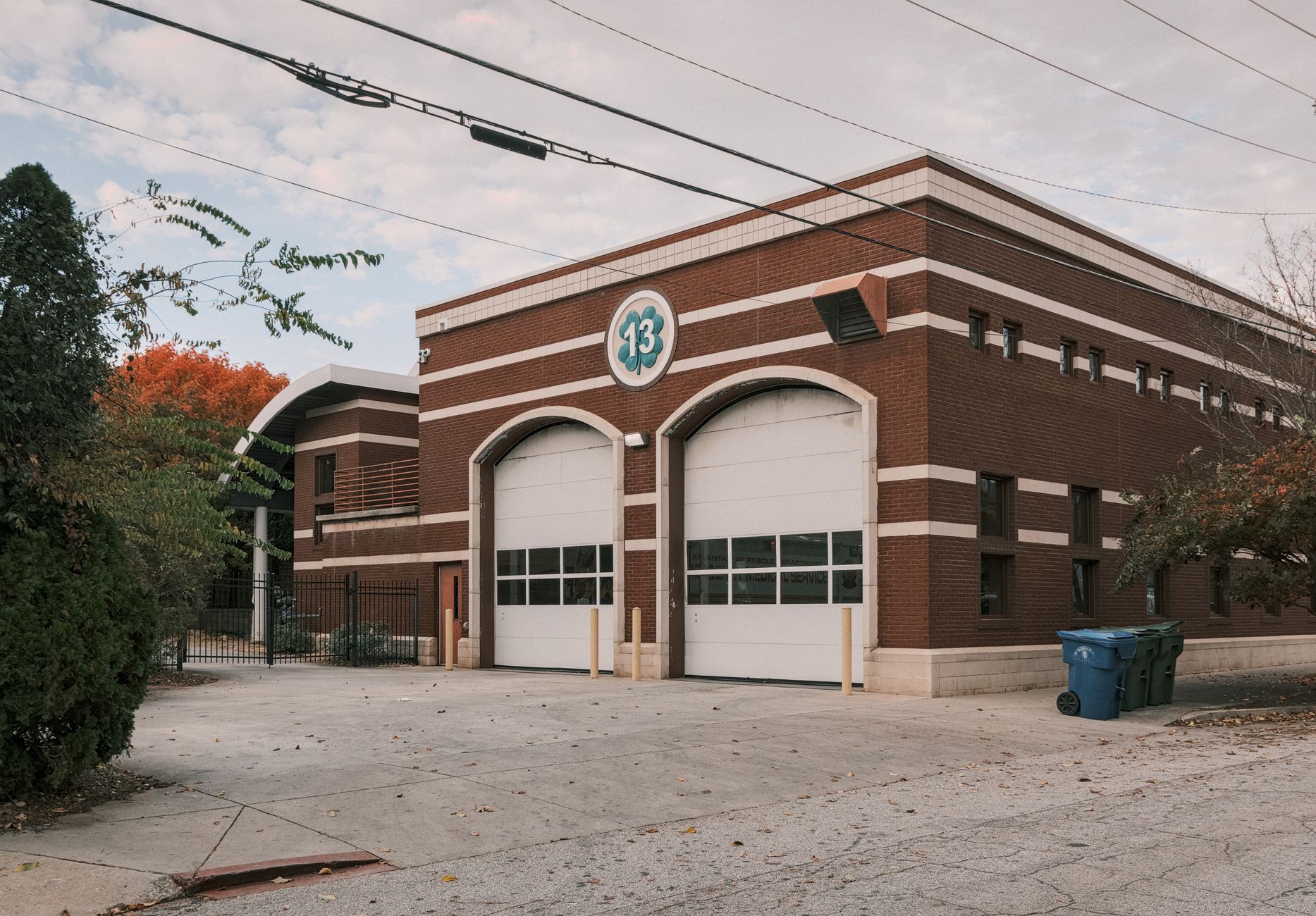
A cleaning robot vs night janitor choice at a fire station usually comes down to the floor. A cleaning robot makes sense for the large, open apparatus bay floors and the common corridors that run on a set schedule, but it does not replace a person for kitchens, bathrooms, gear rooms and detail work. Most stations end up with a robot plus a smaller night staff, not a choice between one or the other.
See what a cleaning robot costsRun the numbers in the ROI calculator
Key takeaways
- A floor robot fits the large, open apparatus bay floors and common corridors on a set schedule.
- Kitchens, bathrooms, gear rooms and detail work still need a person on the night shift.
- Runs interrupted by alarms are normal, so every station needs a named owner for restarts.
- Crews already report sleep trouble on 24-hour shifts, so night noise belongs in the plan.
- Plan on a robot plus a smaller night staff, and confirm the hours with a free site assessment.
Is a cleaning robot or a night janitor the right choice for a fire station?
The short answer is that the cleaning robot vs night janitor choice turns on the floor. A cleaning robot fits the large, mostly open floors of a fire station, and a night janitor is still needed for work that is not a floor pass. Apparatus bays are the clearest case. They are wide, have fixed traffic lanes and can be cleaned on a set schedule without anyone walking the floor.
A robot is a poor fit when the building is mostly small rooms, when the floors are often full of hoses and gear at the hours the robot runs, or when the work is detail cleaning of fixtures and kitchens. Those tasks depend on a person's reach, hands and judgment.
Most stations land on a middle answer. The robot takes the repeat floor passes, and a smaller night staff covers everything else, so the building is never left without a person for the work that needs one.
What does a night janitor actually do during a fire station shift?
A night janitor at a fire station works around people who are sleeping, eating, training or answering calls. The usual sequence is trash and recycling, the kitchen and dining area, bathrooms and showers, the common corridors and dayrooms, the bay floor and bay drains, then restocking supplies.
Much of the value is in what the person notices and reacts to. A janitor moves a gear bag out of a path, picks up a spill near a bay door, reports a leak, and skips a room when a crew member is asleep. That judgment is hard to write into a fixed route.
The job also shifts with the station. A station with more calls, a larger crew or training scheduled in the bay may need cleaning moved to other hours. A janitor can adjust the same night, while a scheduled robot needs its route and hours set again.
Median hourly wage, Janitors and Building Cleaners
$4,041
Monthly cost of one full-time worker, at the median wage plus payroll costs (an estimate, not a quote).
- Night coverage
Cleaning Robot
Runs the same floor pass on the set schedule, every run
Night Janitor
Covers the shift only if someone is scheduled and available
- Adjusting on the night
Cleaning Robot
Needs its route or hours reset by a person
Night Janitor
Adjusts on the spot when a bay is full or a crew member is resting
- Detail work
Cleaning Robot
Floors only, with no fixtures, trash, counters or kitchens
Night Janitor
Kitchens, bathrooms, showers, fixtures and restocking
- Alarm response
Cleaning Robot
Stops for the call and waits for a restart
Night Janitor
Steps aside, reports the call and resumes the job
- Quality of the floor pass
Cleaning Robot
Same pass and coverage on every run
Night Janitor
Varies by worker and shift, but a good worker catches what a map misses
- Spills and hazards
Cleaning Robot
Not built to judge a fluid or pick a product
Night Janitor
Assesses the spill and uses the right product for the floor
Which fire station cleaning tasks can a robot take, and which can't it?
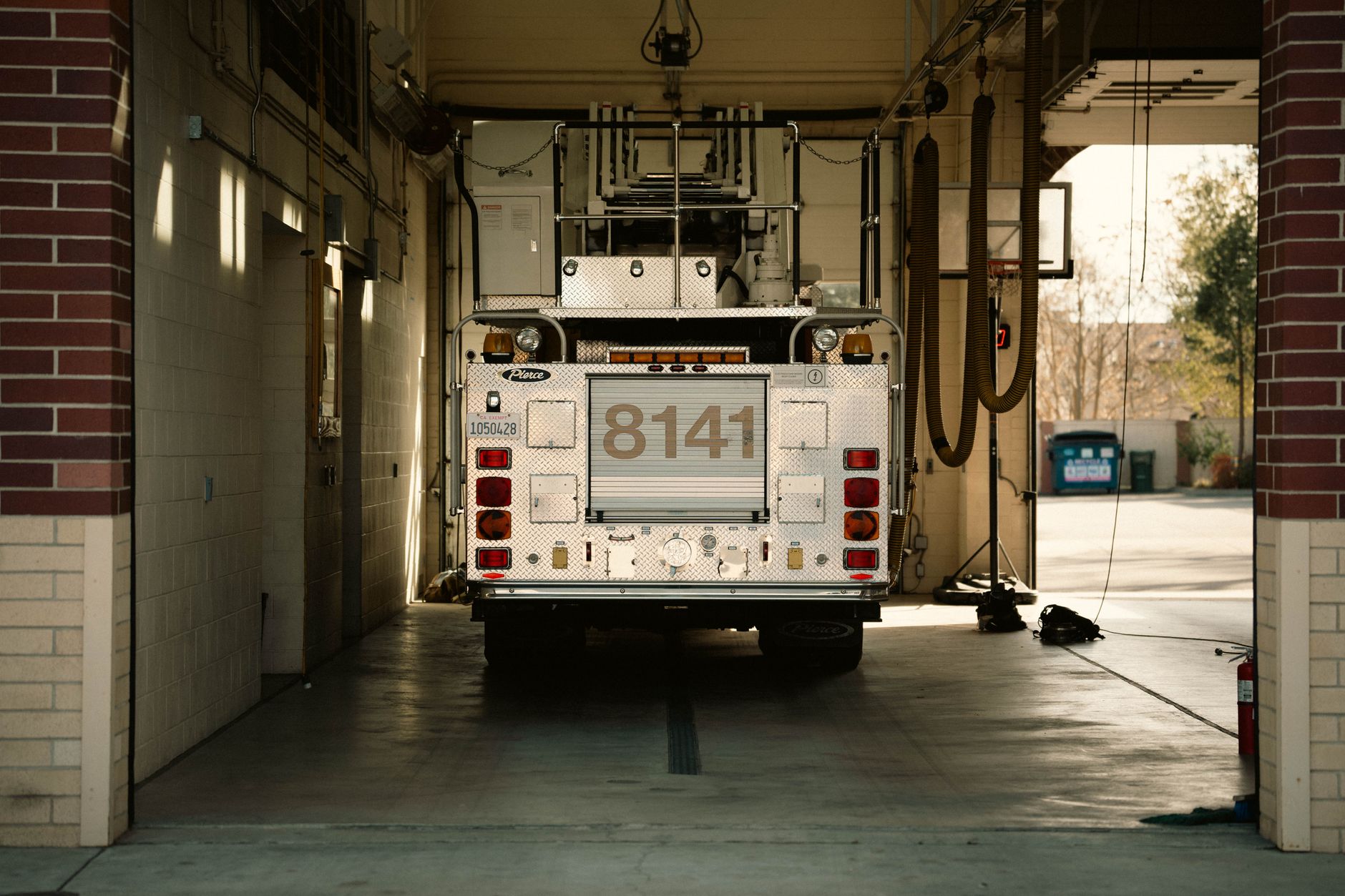
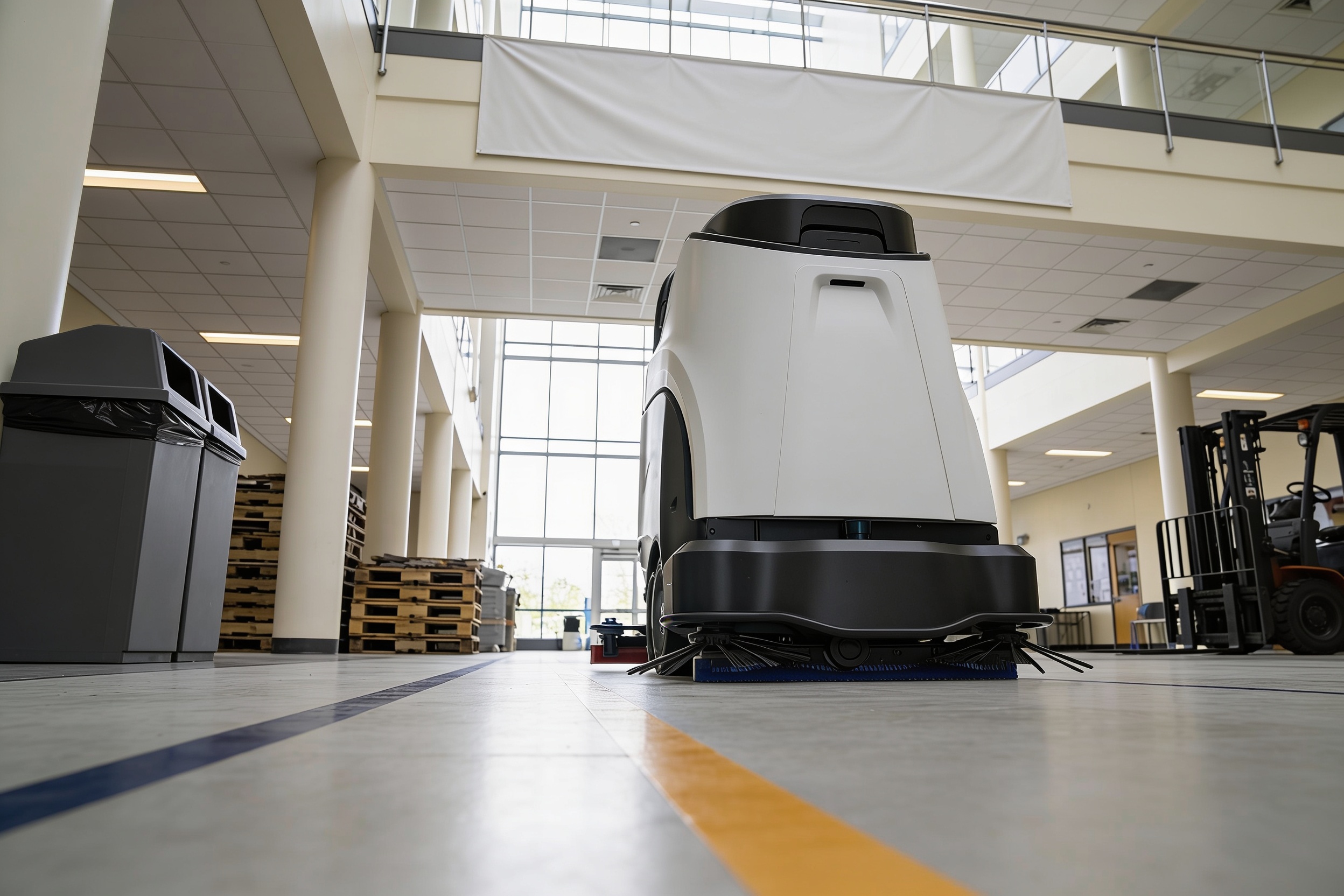
A robot does well on the repeat floor task across open, mapped areas. In a station that means the apparatus bay floor between stalls, and the common corridors and dayroom floors when they are clear. Those areas have fixed paths and a set time, which is what a robot needs.
The robot cannot clean toilets, showers, sinks or kitchen counters, and it cannot empty trash or restock anything. Those tasks need a person, and a station should plan for a person to cover them every night. Spills of vehicle fluids also need a person to decide how to handle them.
Older buildings add a site question. According to a FireRescue1 article on the NFPA Fire Service Needs Assessment, 44 percent of stations in responding departments are over 40 years old. Older floors, thresholds and drains can differ from what a robot's map assumes, so the survey of the building matters more in these stations.
What do the hours and labor numbers say about night cleaning?

The government wage data on this page covers janitors and building cleaners, so this section looks at hours and staffing. The Bureau of Labor Statistics projects employment in this occupation to grow 2% from 2024 to 2034, which it describes as slower than average. It also projects about 351,300 openings per year on average, most from replacing workers who leave, according to the BLS Occupational Outlook Handbook.
Employment counts differ by source. The BLS handbook gives a 2024 employment base of 2,447,700, which is projection-based, while DataUSA reports 2,237,882 for janitors and building cleaners in 2024. Treat them as separate figures from separate sources.
We did not find an official BLS turnover rate for this occupation in this research pass, so turnover, overtime and sick cover at a given station have to come from its own records. The useful questions are how many night shifts go unfilled each month and how much overtime the day crew picks up when the night person is out.
Why do crew rest and injury data matter for a night cleaning schedule?
Fire crews sleep in short, broken rests. The International Association of Fire Fighters says firefighters frequently report difficulty sleeping during 24-hour shifts because of emergency calls, stress and noise in the firehouse. A national survey reported by Firehouse found 37% of nearly 7,000 firefighters in 66 departments at high risk for a common sleep disorder.
Injury data points the same way. NFPA's estimate for 2024 is 53,575 firefighter injuries, down 15% from 63,175 in 2023, and about 30% happened on the fireground, according to Fire Engineering. For on-duty deaths, the National Volunteer Fire Council's summary of an NFPA report counts 62 in 2024, down from 90 in 2023, and says overexertion caused 40 of them, or 65%.
The notes do not show how much of that overexertion comes from cleaning, so these figures are background, not evidence that a robot prevents injuries. The practical rule is that a night task putting a person on the floor during rest hours should be measured against the crew's sleep. A quiet robot route may be easier on a sleeping crew than a cart moving through a dayroom, but the noise has to be measured on site.
What does the robot's shift look like at a fire station?
This is an example schedule for an apparatus bay and common-area route. The times are set during the site assessment, and the station's own routine decides the order.
Run length depends on the floor area, the route and the battery, so the site assessment measures how long the bay and corridor loop takes on your floors. A robot that runs out of charge mid-route leaves an area partly done, which is why the route is sized before the first night.
After the run, a named person checks the log and the spots the robot may have missed. That check is short, but it needs an owner on the schedule, or it does not happen.
How does a team work with a robot at a fire station?
We never plan a fire station with a robot and zero staff. The model is a robot plus a smaller night staff. The robot takes the repeat floor passes on the bay and common corridors, and the staff keeps the kitchen, bathrooms and detail work, handles spills, checks the run log and answers any issue that comes up overnight.
Our part is the robot, its integration and its service. We assess the site, pick the unit for the floors, lease it through financing, deploy and integrate it, train the staff who will run it, and service it nationwide with one number to call. Training is the step that gets skipped most often, and it should cover the alarm routine, the dock, the spill routine and what to do when the robot stops.
Put the handoff in writing. Name who clears the bay before a run, who restarts the robot after a call, and who checks the log in the morning. A robot with no named owner tends to get switched off, and the station goes back to doing the whole floor by hand.
What can a cleaning robot not do at a fire station?
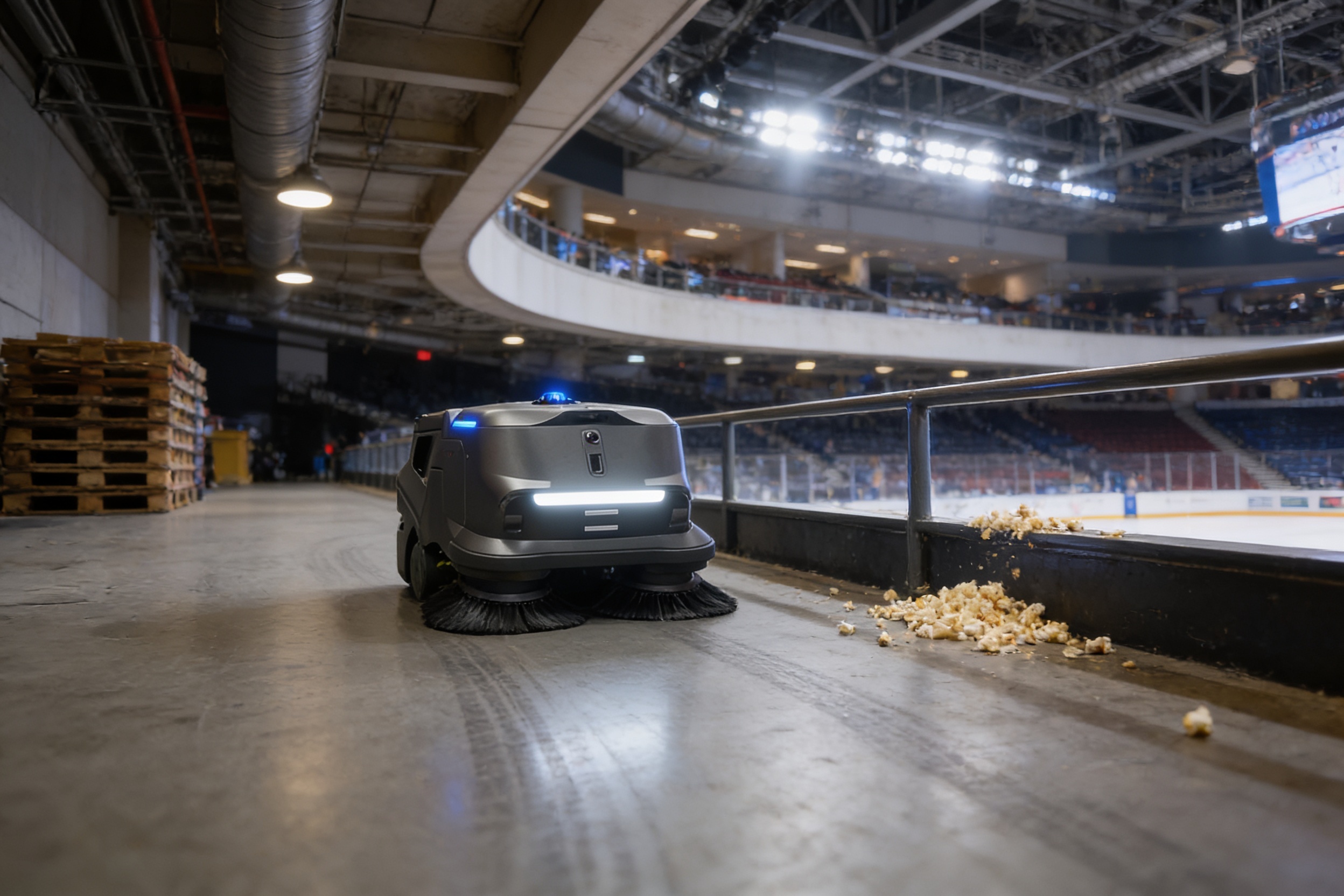
The robot stops for alarms and obstacles, which is the right behavior, but it means a run can end early. The station needs a restart routine and should expect some runs to be interrupted. A hose, a gear bag or a vehicle left in the wrong place will stop the robot or make it skip an area.
Vehicle exhaust, washdown water and hose lines all change what the floor looks like at 2 am, and a map made in daylight will not show every one of them. The robot also has no judgment. It repeats the floor task well, and it does not read a room. If a station's cleaning depends on that judgment every night, a robot will not remove the need for a person, and the site assessment should say so plainly.
- Detail cleaning of fixtures, sinks, showers, counters and kitchens
- Trash removal, restocking and anything else that needs hands
- Judging a spill or a vehicle fluid, and choosing the right product for the floor
- Stairs, thresholds and areas the mapped route does not cover
- Noticing that someone is resting nearby and changing its route without a schedule change
What does a robot lease cost look like, and what changes the answer?
We do not state a figure on this page. Robots are leased through financing, and the lease payment is quoted after a free site assessment, because floor area, layout, route, run hours and the staffing mix change the answer. A quote given without a site visit is working from guesses.
Payback depends on how many night hours come off the schedule, and that is a local number. Compare the hours you staff now against the government wage data on this page for this job, then count only the hours the robot actually takes off the schedule.
The honest cleaning robot vs night janitor comparison is not a robot against a whole janitor. It is the night hours the robot removes, against the lease, the service and the staff time still needed. A station with a large flat bay and a short detail list gains more than one with many small rooms and heavy detail work.
How do you get started with a cleaning robot at a fire station?
Start with one station, one bay and one route. A pilot on the bay and the common corridor shows the real run length, the interruption rate and how the crew reacts before any wider decision. We run the site assessment, map the route and set the schedule with the station officer.
The sequence we recommend: confirm the floor type and layout, measure the night hours you staff now, agree on the alarm and restart routine, deploy and integrate the unit, train the staff, go live with support, then review the run log after the first weeks. Ask about backup coverage too, because one robot in one station is a single point of failure.
Ask for the lease quote after the site assessment, with the staffing hours it assumes written out. If the numbers do not show night hours coming off the schedule, a night janitor with better scheduling may be the right answer, and that is a useful result to learn before the first unit arrives.
Frequently asked questions
Upcoming public sector events
- Trade showAPC/PennDOT/PA Turnpike Fall SeminarNov 18 to 20, 2026Hershey Lodge, Hershey, PA
- Trade showMinnesota Buildings & Facilities Management Trade ShowNov 19, 2026Minneapolis Convention Center, Minneapolis, MN
- ConferenceCASBO CBO Symposium (Executive)Nov 19 to 20, 2026The Langham, Pasadena, CA
- ConferenceVirginia Association of Fairs ConventionJan 14 to 17, 2027Williamsburg Lodge, Autograph Collection, Williamsburg, VA
Want a cleaning robot at your fire station?
Tell us about your site. We will recommend the robot, quote the lease, and keep it serviced.
Sources
- US Bureau of Labor Statistics, Occupational Employment and Wage Statistics (OEWS May 2024)
- US Fire Administration, National Fire Department Registry summary 2024
- Fire Engineering, reporting NFPA injury estimates
- National Volunteer Fire Council, summary of NFPA fatal injury report
- International Association of Fire Fighters, shift work and firefighters
- Firehouse, managing sleep health and safety for firefighters
- Bureau of Labor Statistics, Occupational Outlook Handbook: Janitors and Building Cleaners
- DataUSA, Janitors and building cleaners profile
- FireRescue1, article on NFPA Fire Service Needs Assessment