
The short answer
Cleaning robot cost for courthouses depends mainly on how much hard floor the robot must cover, how many public corridors and lobbies sit on its route, how many hours a day it can run without a staff member on the floor, and how much mapping and integration with doors, elevators and screening areas the site needs. Service coverage and the number of units add to or reduce the total. We give a written quote after a free site assessment, and the lease payment is fixed for the term.
Key takeaways
- Floor area and route complexity usually matter most in a courthouse quote.
- Screening lines and public halls need upkeep between hearings, which a robot can cover without pulling staff away.
- Mapping, integration, training and service are the costs people miss, so a quote should name each one.
- Court facility bids list areas from about 11,730 square feet to more than 800,000, so measure your own building.
- No official US count of courthouses turned up in our search, so start with your floor plans.
How much does a cleaning robot cost for courthouses?
There is no single number that fits every courthouse, and anyone who gives one before walking the building is guessing. The cost of a cleaning robot for a courthouse comes from the work the machine has to do: how much hard floor it covers in each run, which spaces it must avoid, and what the building needs around the route, such as door access and elevator calls.
We quote a fixed lease payment after a free site assessment, because these drivers only become a real number once someone has measured the floors, walked the routes and talked to the people who run security and facilities. This page explains what moves that number, what it leaves out, and how the lease is put together.
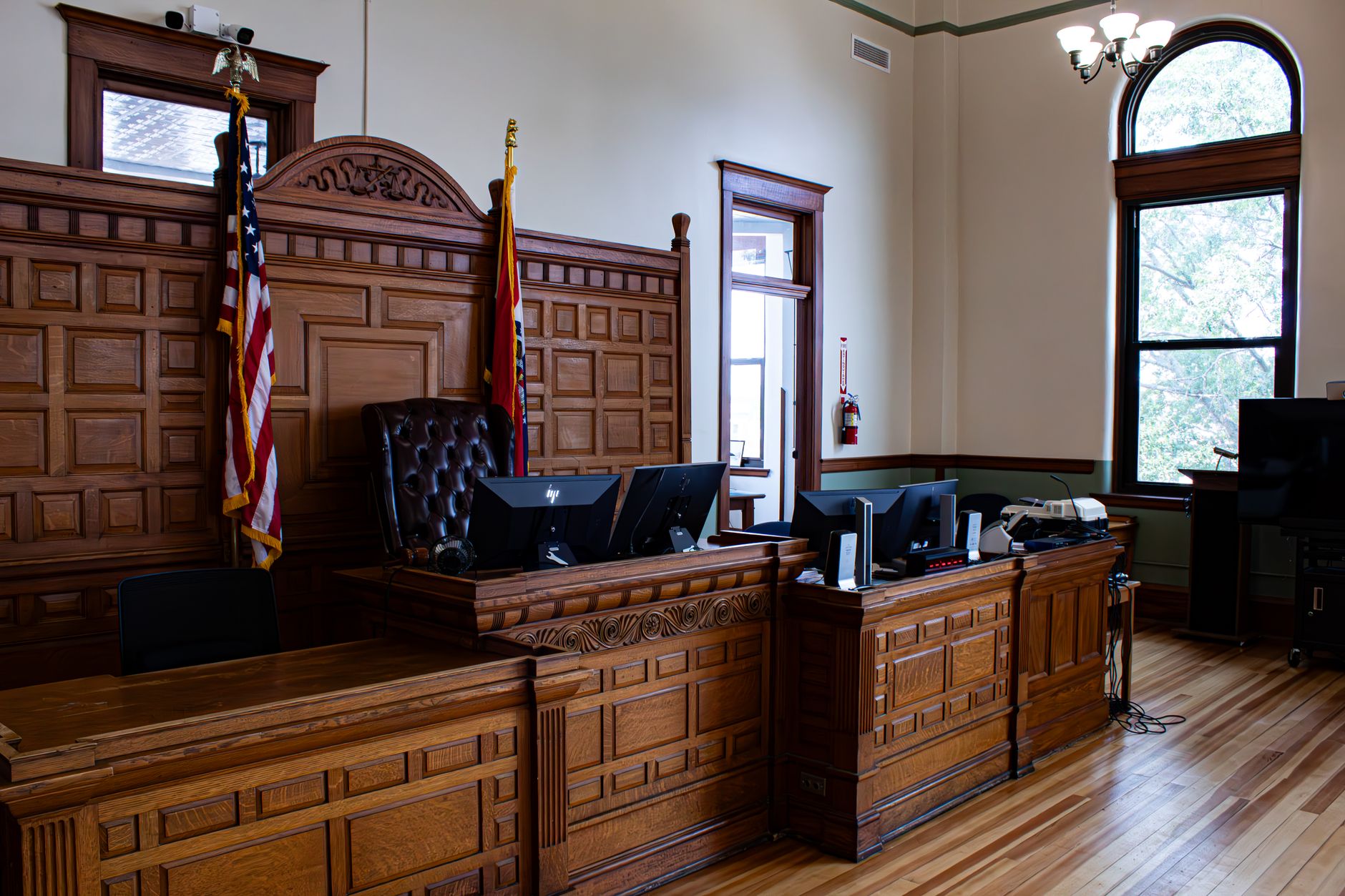
A courthouse is not an ordinary office. Public halls carry heavy, bunched traffic at the start and end of hearings, sensitive rooms must stay closed to a machine, and the schedule shifts from day to day. Those features shape the quote as much as the square footage does.
What moves the cleaning robot cost for courthouses up or down?
Floor area is the largest driver. Court facility bids show how wide the range is. A Santa Barbara court statement of work lists the Anacapa Courthouse at about 40,000 court-use square feet, and the District of Columbia courts janitorial solicitation lists 802,462 total estimated cleanable square feet at its Moultrie courthouse in the base year. A route that covers a single hall is far simpler to plan than one that ties several buildings together.
Surfaces come next. Polished stone, terrazzo and sealed concrete suit a floor robot well. Carpet, thresholds, metal transition strips and raised floor sections push parts of the job toward a separate approach or back to staff, and that changes both the route and the labor left over. A quote that treats the whole building as one hard floor will be wrong somewhere.
Traffic and schedule set the rest. Screening lines and public halls are busiest when hearings begin and end, so the robot may need to run early in the morning, between sessions or after close. Each window changes battery planning, the number of units and how staff coordinate with security. We set those windows with facilities and security before naming any unit count.
Mapping, integration and service round out the list. Each restricted zone adds setup time, each door or elevator the route depends on adds testing, and service terms decide what happens when a unit is down on a hearing day. The drivers table below shows how these weigh against each other.
Why do courthouse halls and lobbies suit floor robots?
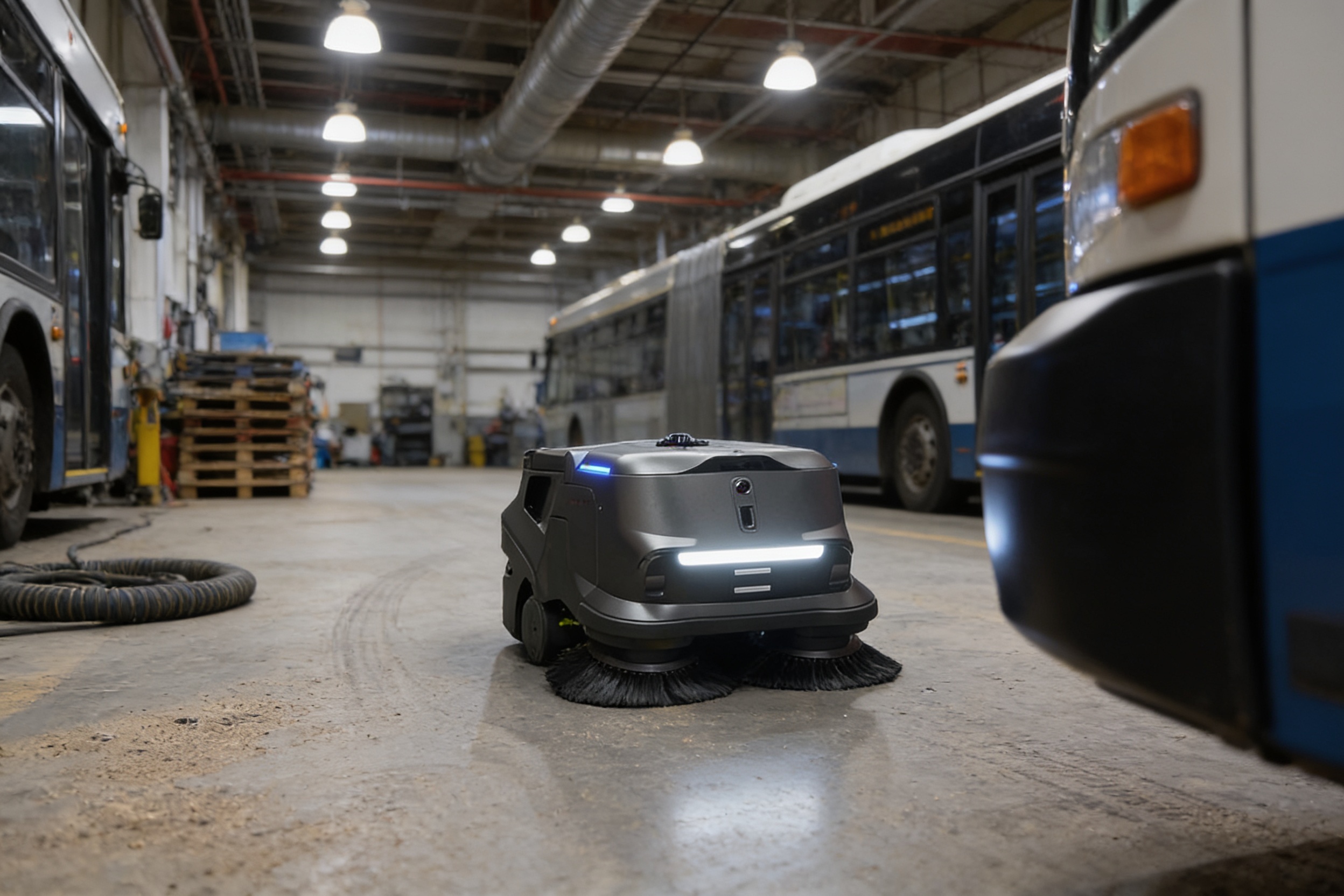
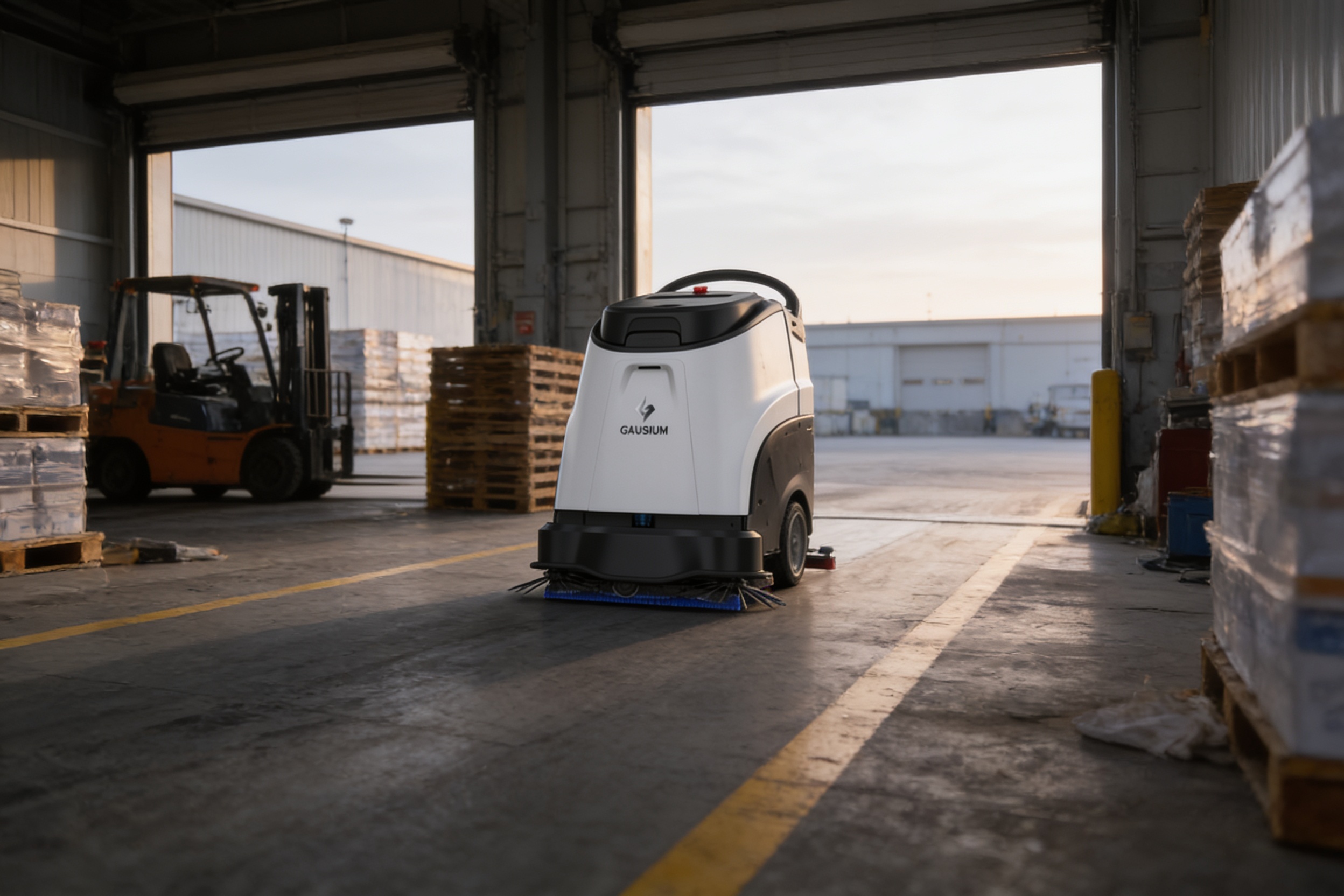
Large hard-floor halls and lobbies are where floor robots earn their place. The work is repeated, open and predictable: long corridors, a few main entrances, and traffic that concentrates at the same points every day. A machine that follows the same route each night, or between sessions, does not need a fresh plan for every hearing.
Court floor areas are large. An Imperial County courts question and answer document lists the El Centro Courthouse at 65,000 square feet. A Missouri statewide janitorial solicitation covers about 63,400 net cleanable square feet at one site, including holding cells and office suites, and a Lompoc facility in a Santa Barbara court statement of work is listed at about 11,730 square feet. The Missouri excerpt does not say which building that is, so read it as a sense of scale, not as a courthouse benchmark.
Court bids measure space in their own ways. They use net cleanable square feet and per-square-foot or per-staff-hour bids, and none gives a consistent cleaning frequency across states. Ask for your own drawings and a cleanable area broken out by surface type before comparing any two bids, because the same building can look much larger or smaller on paper depending on how the area was counted.
Floor robots suit this setting because the hard-floor run is the part that repeats. Carpeted courtrooms, restrooms and security-sensitive rooms stay with people, and the zone list below shows where that line falls.
How many labor hours does a courthouse floor take each week?
Hour figures for courthouses are hard to find. Public bids usually give a total for the crew, not a breakdown by task. The one hour figure we found comes from a Missouri statewide janitorial solicitation, which puts 160 staff hours per week at one location in its scope. That is the whole crew's time, including restrooms, bins and other tasks, not just the floor run a robot could take over.
The floor run is the part worth measuring. Hard-floor corridors and lobbies get the same route again and again, so that time is easier to plan than the rest of the day. The hours table below compares how the work usually runs with how it runs when the robot covers the floor and staff handle everything else.
Measure before you commit. Walk one typical day with a timer on the floor run, note where the crew stops to clear obstacles, and record the windows when the halls are empty. Those observations will tell you more about your building than any published average, and the quote should be built on them.
What do staffing, turnover and injury rates tell a facility manager?
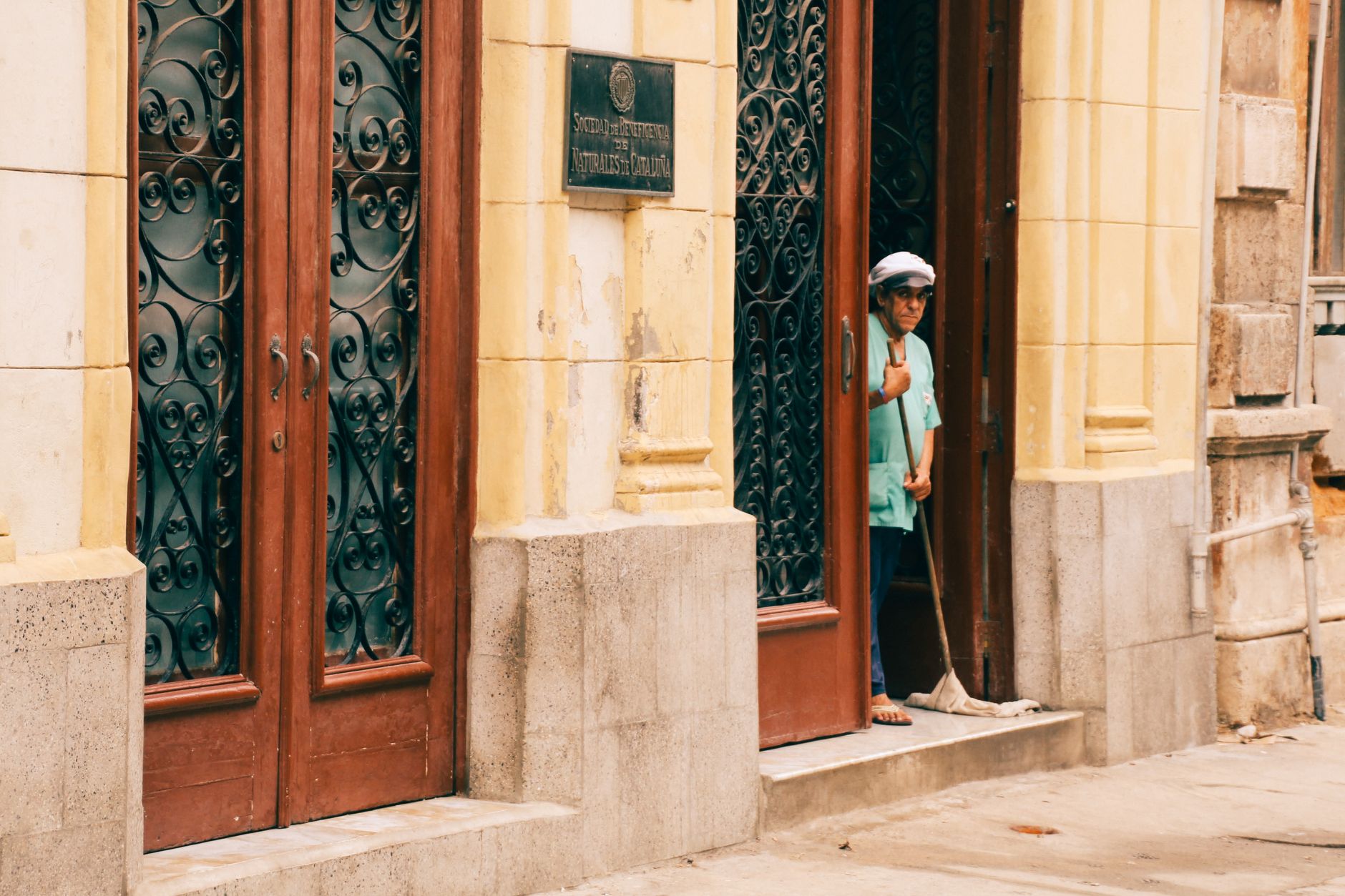
The Bureau of Labor Statistics counts 2,447,700 jobs for janitors and building cleaners in 2024 and projects 2 percent growth from 2024 to 2034, which is slower than the average for all occupations, according to its Occupational Outlook Handbook. Slow projected growth means the labor pool is not expanding quickly, so a plan that does not depend on filling every open shift has real value.
Turnover is harder to pin down. We did not find a clean federal rate for janitors. The estimates we saw came from vendors and industry surveys, so we do not quote one here. Ask any cleaning contractor for its own turnover history, and test whether your planned schedule can absorb a gap in staffing.
Injury rates point the same way. The Bureau of Labor Statistics reported 21,100 nonfatal injury and illness cases with days away from work for janitors and cleaners in 2020, with an incidence rate of 191.6 per 10,000 full-time equivalent workers, according to its injury and illness snapshot. A robot does not remove the need for safe practice around the machine, but it takes the most repetitive part of the floor run out of people's hands.
Many cleaning operators are already planning for this equipment. In the 2025 ISSA benchmarking survey, 43 percent of respondents said they plan to add autonomous cleaning equipment. An earlier AACEM and ISSA autonomous cleaning survey, fielded in February 2019 with 250 complete responses, found that 89 percent of adopters use scrubbers, 46 percent use vacuums and 32 percent use large-area sweepers.
How does a robot lease through financing work for a courthouse?
A lease through financing puts a robot in service without a large upfront capital outlay. The site pays a fixed lease payment over the term, and the financing covers the unit so the court or county keeps its capital for other needs. The amount depends on the units, the route, the service scope and the term, so the payment is set in the quote, not by a general rule.
Our process runs from a free site assessment to a written quote. The quote lists the lease payment, the term, the number of units, mapping and integration work, training, maintenance and service coverage, and the go-live date. If a line is missing, ask about it before you sign, because the total you live with over the term matters more than the first figure on the page.
A lease also makes a pilot practical. Many sites start with one unit on one corridor set, measure the results against the hours baseline they collected, and add units after a review. Ask whether a spare unit or loaner covers the robot when it goes down for service, so the lobby is not left without a machine on a busy day.
What can a cleaning robot not do in a courthouse?
A floor robot does not do the whole job. It will not clean restrooms, empty bins, wipe benches, clear litter from stairwells or handle a spill that a person needs to see first. It does not manage the screening line, guide visitors or respond to a security incident. Keep a staff member on those tasks even when the robot runs the floor.
Carpet and rough transitions set its limits. Courtroom galleries with carpet, raised floors and steep ramps need another approach or stay manual. Furniture moved between sessions can block a route, so the route plan has to allow for those changes, or the robot will stop and wait for someone to clear the path.
Court schedules also change the floor. A robot should not be in a courtroom while proceedings run, and it should not cross a screening lane while people are queued. The schedule has to keep the unit out of those zones, and the site assessment is where those limits get set.
None of this makes the robot a poor fit. It makes the robot one part of a cleaning plan, with each staff role kept clear.
How do you get a quote for a courthouse cleaning robot?
Start with a free site assessment. We walk the building with facilities and court security, measure the hard-floor areas and the carpeted spaces, mark restricted zones, and note traffic at the entrances and screening lines. We also confirm the windows the robot can run, such as early morning, between sessions or after close.
The quote follows the assessment. It names the unit count, the route plan, the lease payment and term, mapping, integration, training, service and go-live support. Ask for it in writing, with each line that the drivers on this page touch shown separately, so you can see what changes if the floor area, schedule or zone list changes.
Bring what you already have before the visit: floor plans or drawings, a list of hard and soft surfaces, operating hours and the names of the people who approve access. Clear answers on those points shorten the assessment and make the quote more accurate, which is the fastest route to a number you can use in a budget discussion.
Frequently asked questions
Want a cleaning robot at your courthouse?
Tell us about your site. We will recommend the robot, quote the lease, and keep it serviced.
Sources
- Bureau of Labor Statistics, Occupational Outlook Handbook: Janitors and Building Cleaners
- Bureau of Labor Statistics, Janitors and Cleaners injury and illness snapshot, 2016 to 2020
- District of Columbia courts janitorial services solicitation
- Imperial County courts janitorial services question and answer document
- Santa Barbara courts janitorial statement of work, attachment 1
- Missouri statewide janitorial services solicitation excerpt
- ISSA In-House and Facility Management Benchmarking Survey, 2025
- AACEM and ISSA autonomous cleaning survey