
The short answer
The cleaning robot cost for indoor aquatic centers is set by how much wet deck and locker-room floor the robot covers, when it is allowed to run, which surfaces and drains it must handle, how much mapping and integration the building needs, and how many units and service visits the site requires. No list figure applies to every natatorium. A lease quote follows a free site assessment, and the fixed lease payment reflects that building's floors, hours and service needs.
Key takeaways
- The cost follows the building: deck layout, surfaces, open hours, mapping and service drive the quote.
- Floor work on wet decks and locker-room tile takes staff time that is hard to estimate without timesheets.
- A robot runs mapped floor on a schedule; staff still handle chemicals, clear spills and respond to incidents.
- Ask for what a lease includes in writing, including software, maintenance, training and insurance terms.
What does a cleaning robot cost for indoor aquatic centers depend on?
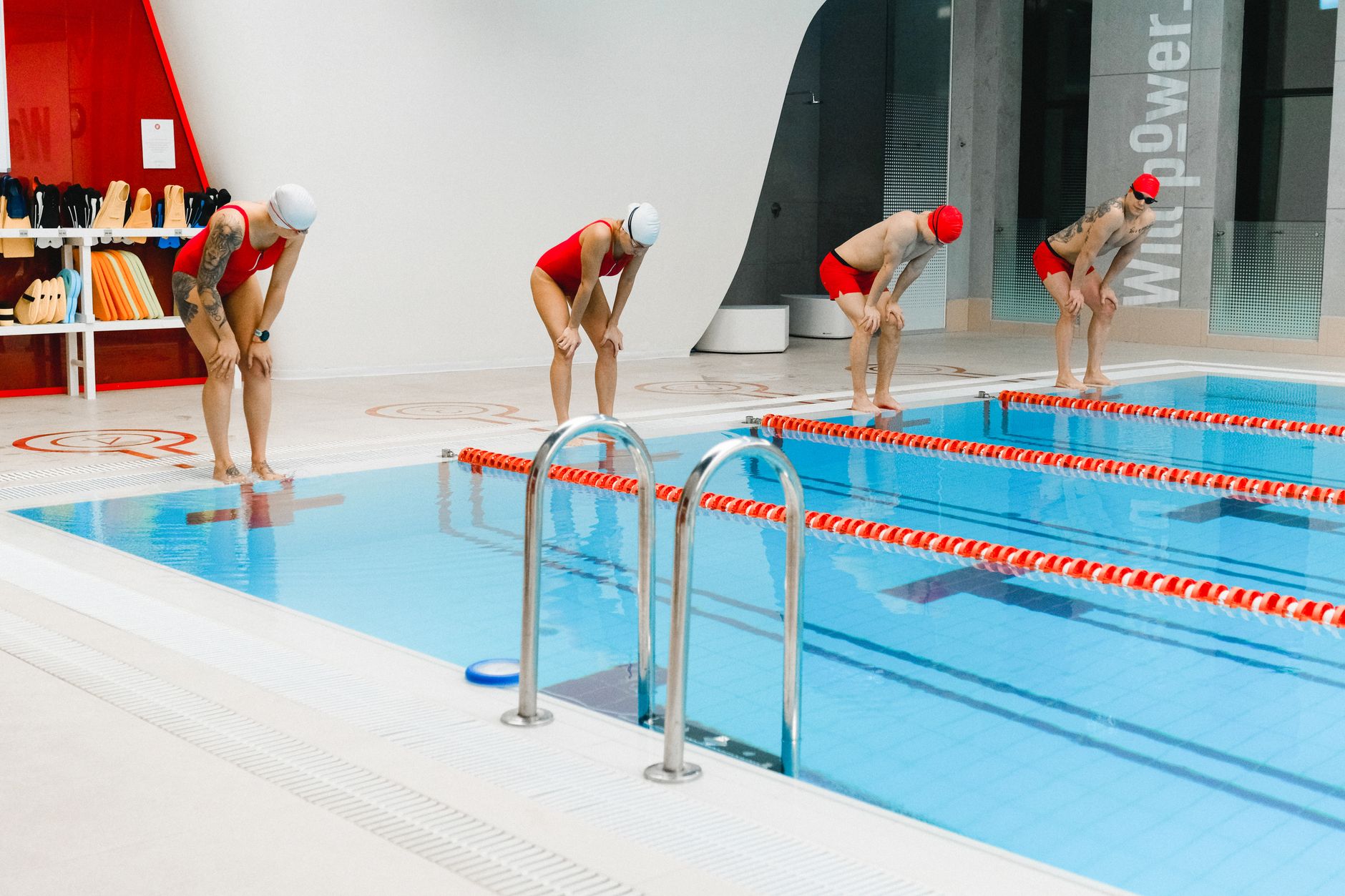
For an indoor aquatic center, the number on a lease quote comes from the building. Two natatoriums of similar size can need quite distinct setups. One may have a small deck, tiled locker rooms that are easy to route and a long overnight window. The other may have a wide deck with lane lines and bleachers, a busy spectator concourse and open hours from early morning to late evening. The second site needs more mapping, more passes and more service planning, and the quote reflects that.
The cleaning robot cost for indoor aquatic centers therefore comes down to five things: how much floor the robot must cover, which surfaces and wet zones it crosses, when it is allowed to run, how much setup the building needs before go-live, and how the site wants service handled. None of these is fixed until someone has walked the building and written down the routes.
According to a CSTE support statement hosted by the CDC, about 309,000 public aquatic venues operate in the US, and that count is an estimate. Most of those venues are small, which means the same cost questions come up again and again. This page covers each driver in the order a facilities manager usually meets them, then the hidden costs, what a lease includes, what the robot cannot do, and how to get a quote.
Which factors raise or lower the cost at a natatorium?
Floor area is the first factor, and on an aquatic site the pool deck matters most. A deck is large, usually wet, and broken up by lane ropes, starting blocks, bleacher supports, lifeguard stands and drains. A route through that space is longer and more irregular than a dry corridor of the same size, so it takes more mapping and more passes to finish. A locker room corridor, by contrast, is narrow and easy to map.
Surfaces and wet zones come next. Tile, grout, sealed concrete and textured safety surfaces respond differently to scrubbing, and low spots and drains need the route to slow, skip or change. Chlorinated water and sweat leave residue on the same floors every day, so the cleaning pass has to match what is actually on the floor. A site with mixed surfaces usually needs more testing before the route is accepted.
Shift timing and traffic change the picture as well. A robot that runs during open hours has to route around swimmers, guests and staff, and it moves more cautiously as a result. A robot that runs after close can follow fixed passes and cover more ground per run. Heavy traffic at locker-room entrances means more frequent passes, which increases the robot hours and the service visits the site will need.
Why are pool decks and locker rooms hard on floors and staff?
Indoor pool buildings run wet and warm, and that shapes the floor work. Moisture is why a deck can look dry and still be slick. It also means humid air raises corrosion and condensation concerns for the building itself, so building finishes and fittings need closer watching than they would in a dry gym.
Chemicals add a second layer. According to the CDC, pool chemical injuries account for about 4,500 emergency department visits each year, and at least one third of those patients are under 18. A CDC report in MMWR estimated 13,508 emergency department visits for pool chemical injuries in 2015 to 2017, and about 64.5% of them, roughly two thirds, occurred during the summer swim season. The most common diagnosis was poisoning from breathing chemical fumes, often when opening containers.
A robot does not remove that exposure. Staff still mix, store, open and dose the chemicals, so the robot's value is in taking over repeated floor passes, not in changing the chemical routine. Slip risk is the other concern. According to the Bureau of Labor Statistics, fatal falls, slips and trips across all occupations fell to 844 in 2024, down 4.6% from 885 in 2023, out of 5,070 total fatal work injuries that year. Those are national figures, and the CDC pool sources reviewed for this page did not give a pool-specific slip-and-fall count.
How many staff hours does floor cleaning take each shift?
No authoritative figure for deck-cleaning hours per shift or per week turned up for this page, so this page does not state one. The labor pool is measurable, though. According to the Bureau of Labor Statistics, about 2,447,700 people held janitor and building cleaner jobs in 2024, and employment is projected to grow 2% from 2024 to 2034, which BLS describes as slower than average.
The same BLS outlook projects about 351,300 openings a year, mostly from replacement rather than growth. That means facilities keep recruiting for the same seats, and every new hire needs training on wet floors and chemical routines. One staffing research page, which is not a primary source, puts annual turnover in commercial cleaning at 50% to over 100%. Treat that as a range to test against your own records, not as a benchmark.
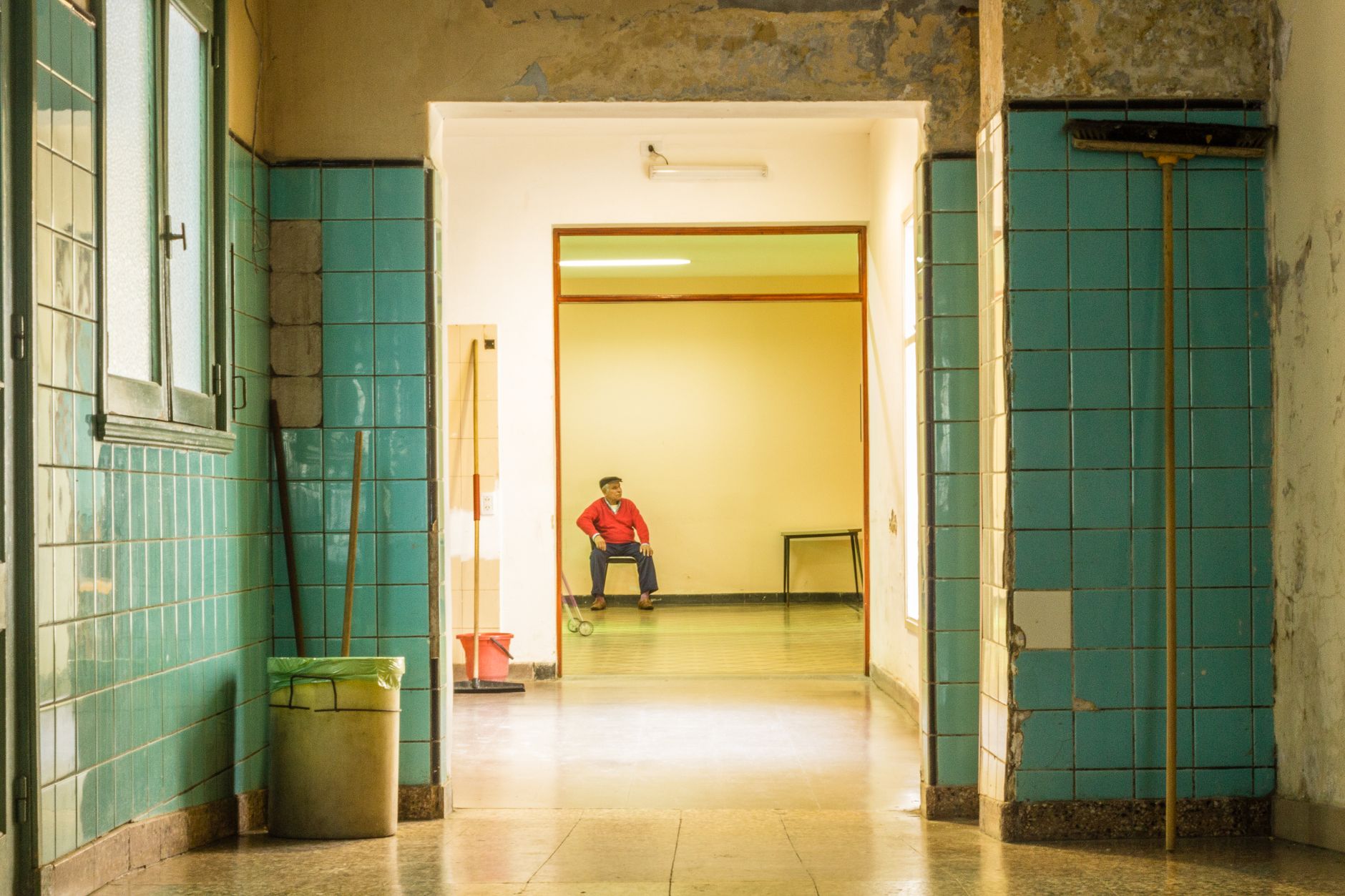
Hours on your site should come from your own timesheets, not from an industry average. Before a quote, we ask for the existing floor schedule, the number of staff who work the deck and locker rooms, and the time each manual pass takes. The robot's share of the work is set from those numbers, and the table below shows the shape of it.
How does leasing a cleaning robot through financing work?
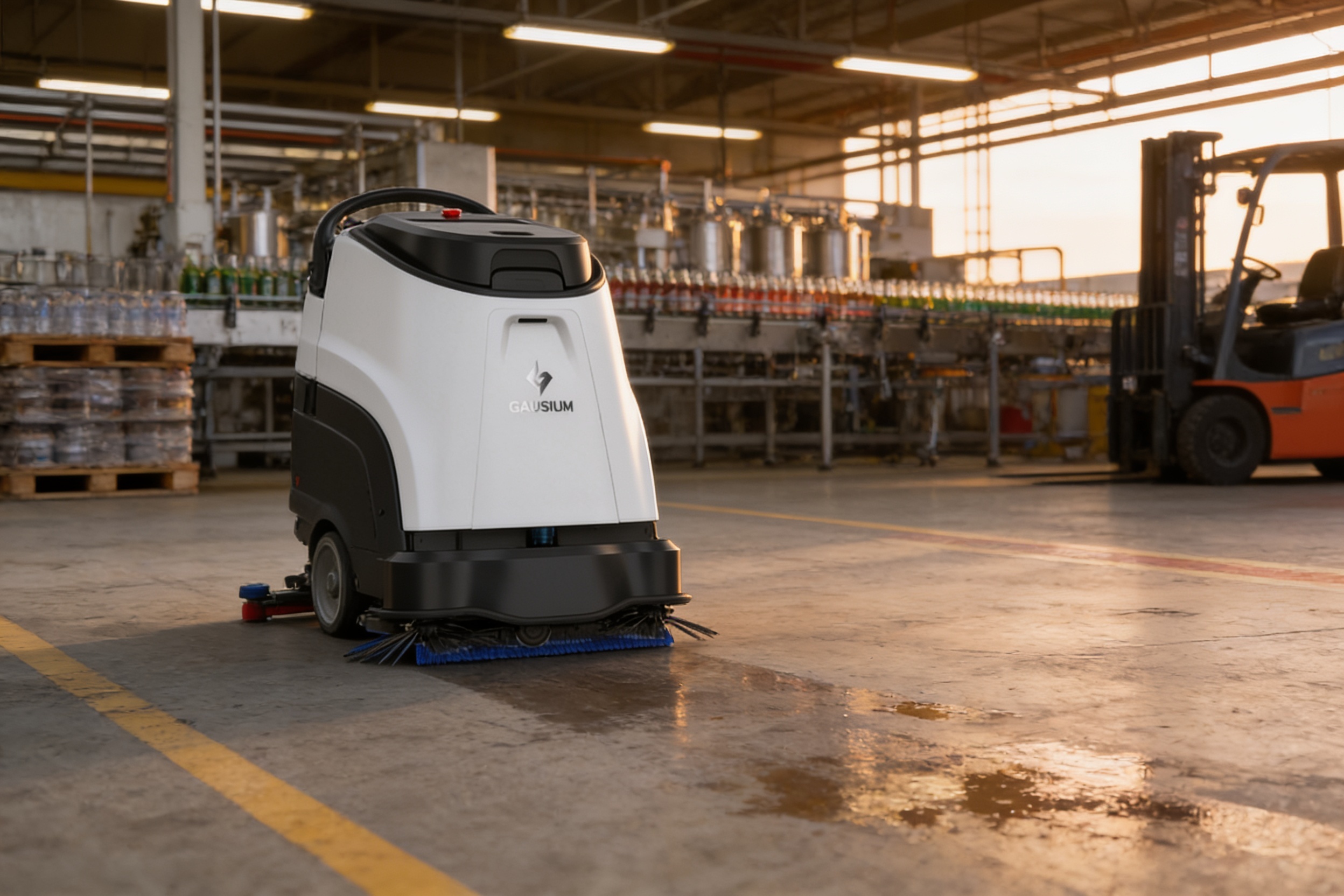
We offer robots through financing as a lease. The facility does not pay for the machine up front, which keeps capital free for other needs such as staffing, chemicals or repairs elsewhere in the building. A lease spreads the cost over a set term, and the fixed lease payment is stated in the quote once the site assessment is done.
A quote includes the lease term, the fixed lease payment, the number of units, the route plan from the assessment, mapping and deployment, staff training, go-live support and the service plan. It also states what is left out, such as optional software modules or additional routes, so the total is clear before you agree to anything.
Lease options vary with term and site size. Some facilities start with one leased unit on the main deck, then add a second once the labor pattern is clear. A backup unit keeps floors covered during service visits, and it is worth asking about in the quote because downtime on a busy deck is felt quickly.
What can a cleaning robot not do at an aquatic center?
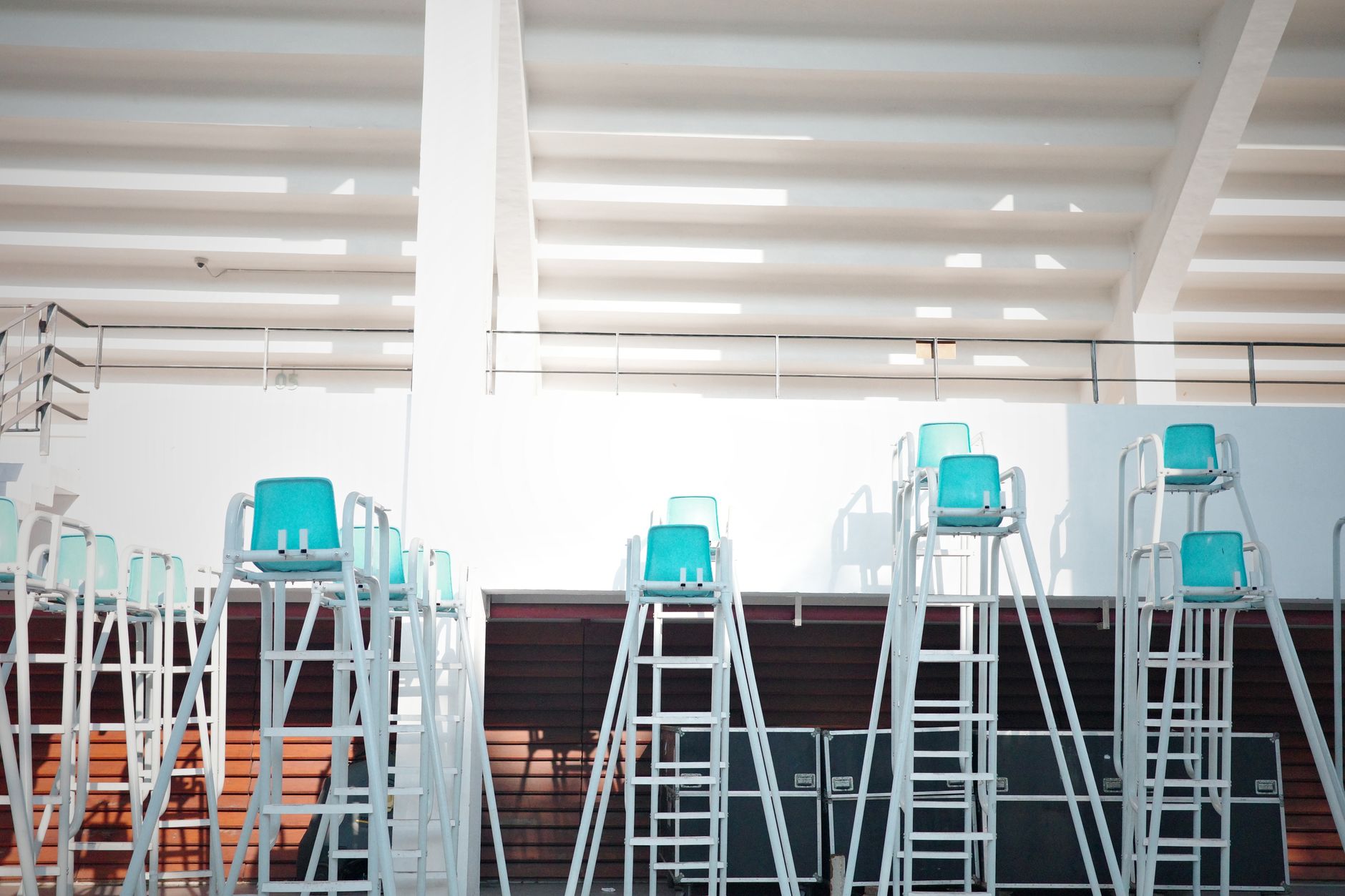
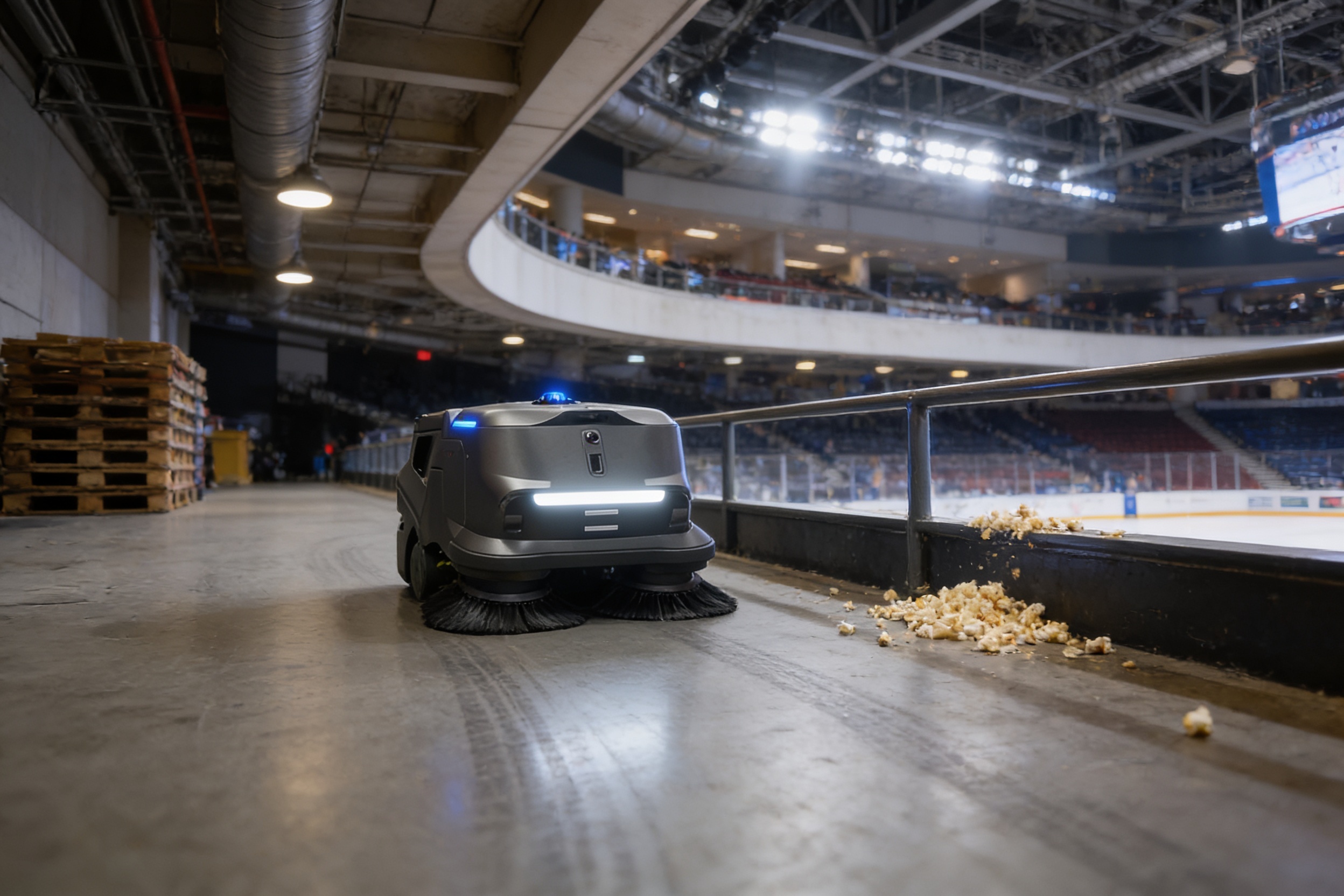
A robot covers mapped, open floor on a route. It does not clean lockers, benches, bench legs, shower corners, toilets, tile walls or the pool edge by hand. Those tasks still need staff, and the cleaning plan should say which tasks stay manual.
It cannot respond to a spill, a broken container or a guest who falls on its own. A staff member has to stop the route, clear the area and report the event. It also does not mix, store or test chemicals or manage pool water quality, so the chemical routine and the water testing stay with the operator. The chemical exposure risk described earlier does not move to the robot.
It can struggle with uneven thresholds, standing water, heavy debris and surfaces that were not part of the survey. A site like that needs its route checked before go-live, and the quote should show any extra survey or setup work it needs.
Is a cleaning robot worth it for an aquatic center?
Adoption data points to a shift across the sector, not a passing trend. According to ISSA Today, September and October 2025, a benchmarking survey found that 43% of respondents planned to acquire autonomous cleaning equipment. That figure shows intent, and it does not show measured savings at any particular site.
Worth it depends on whether floor work is steady and the floors are large enough that the robot does real work each night. A small pool with a short closing window may not justify a unit. A large natatorium with a long deck and heavy traffic often can make the case clearly. Payback should be tested against your own labor hours, the lease term and the service terms in the quote.
The site assessment answers this with your numbers. It records the floor area, the surfaces, the hours that floor work actually takes and the traffic pattern, so the comparison with staff time is built on the building itself rather than on a general estimate.
How do I get a cleaning robot quote for my aquatic center?
Start with a free site assessment. We walk the deck, locker rooms, entry corridors and routes, and record surfaces, drains, obstacles, traffic and open hours. We also gather staff timesheets so the labor comparison uses your numbers instead of an estimate.
From the assessment we write the quote: unit count, route plan, mapping and deployment work, staff training, service terms and the fixed lease payment for the chosen term. The quote lists what is included and what is optional, so you can compare it against your existing staff costs on the same assumptions.
Once the quote is accepted, deployment starts with mapping and a supervised test run, then go-live with staff trained on the routine. From there our service team handles remote triage and on-site dispatch nationwide, so one contact covers the floor from the first week.
Frequently asked questions
Want a cleaning robot at your indoor aquatic center?
Tell us about your site. We will recommend the robot, quote the lease, and keep it serviced.
Sources
- CDC, support statement for the Model Aquatic Health Code (CSTE)
- CDC, Model Aquatic Health Code
- CDC MMWR, pool chemical injuries
- Bureau of Labor Statistics, Occupational Outlook Handbook: janitors and building cleaners
- Bureau of Labor Statistics, 2024 Census of Fatal Occupational Injuries
- ISSA Today, September and October 2025