
The short answer
Cleaning robot cost in Fresno depends on how much floor the unit must cover, how many shifts it runs, how hard the mapping and integration work is, how many units the site needs, and what service comes with the lease. We do not quote a figure for the category as a whole, because the fixed lease payment is set by those inputs and comes in a quote after a free site assessment. The fair comparison is the crew time the robot takes over on your own floors.
Key takeaways
- The fixed lease payment follows floor area, shift window, surfaces, mapping, integration, unit count and service scope.
- Fresno janitor staffing figures were not confirmed for this page, so the local case rests on your building's hours.
- Mapping, software, maintenance, insurance and training are the costs buyers most often leave out of the comparison.
- Measure the crew hours on the same floors before comparing, because savings only appear when the schedule changes.
- The lease quote follows a free site assessment and lists what is included and what is excluded.
What does a cleaning robot cost in Fresno?
Cleaning robot cost in Fresno is not a number you can look up. It is built from the building: how much hard floor the unit must cover, how many shifts it runs, what the layout and surfaces look like, and how many units the site needs. Those inputs set the lease payment, and that payment comes in a quote after someone walks the floor.
This page explains each driver, the costs buyers tend to miss, and the labor the robot takes over. The goal is to let the person who signs off check a quote against their own crew hours rather than accept an average.
What drives the cost of a cleaning robot in Fresno?
Floor area is the biggest driver. A unit can cover a large open floor on one run, but a building with many small rooms, racking, or long aisle sets needs more mapping and more route time. Floor area sets route length, and route length decides how many units and runs the site needs.
Surfaces matter nearly as much as square footage. Polished concrete, sealed epoxy, carpet, tile with grout lines and worn vinyl each behave differently under a scrub head, which changes the pass and the consumables. Ramps, thresholds and loading dock transitions add mapping work at setup.
Shift window is the second driver. A unit that runs after close needs no staff on the floor during the pass, but it needs a clear window and a charging plan. A building with traffic during open hours needs the unit to slow, detour and sometimes wait, which lengthens each run.
Integration is the third. Access-controlled doors, elevators, automatic doors and links to facility systems add setup time. The more systems the unit must work with, the longer deployment takes, and the quote reflects that work.
How does the Fresno labor market change the math?
Fresno is a large metro in California's Central Valley. The Bureau of Labor Statistics publishes an occupational employment and wage release for the Fresno metro each year, and the May 2025 edition is posted. We did not confirm the Fresno janitor and cleaner staffing figures for this page, so we do not quote local staffing counts here.
What the national data shows is useful context. According to the Bureau of Labor Statistics Occupational Outlook Handbook, about 2.45 million people were employed as janitors and building cleaners in 2024. Employment is projected to grow 2 percent from 2024 to 2034, and about 351,300 openings a year are expected on average, mostly from replacement rather than new positions.
A 2020 Bureau of Labor Statistics table counted 217,770 janitors and cleaners in California. That table is older, so treat it as background only. For a Fresno site, the practical point is that every opening in a cleaning crew is a shift someone has to cover while a new person is trained.
Which Fresno sites run cleaning robots?
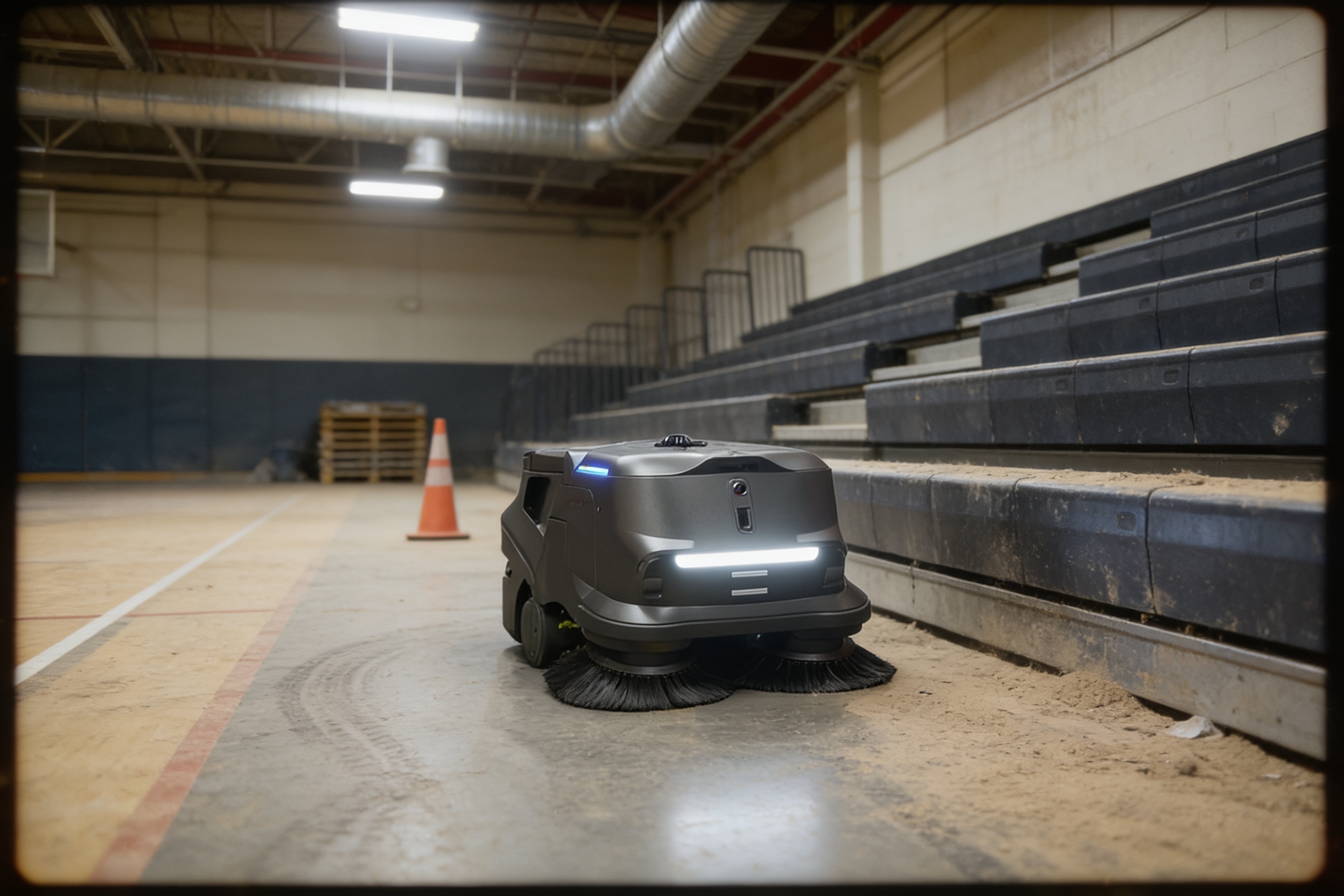
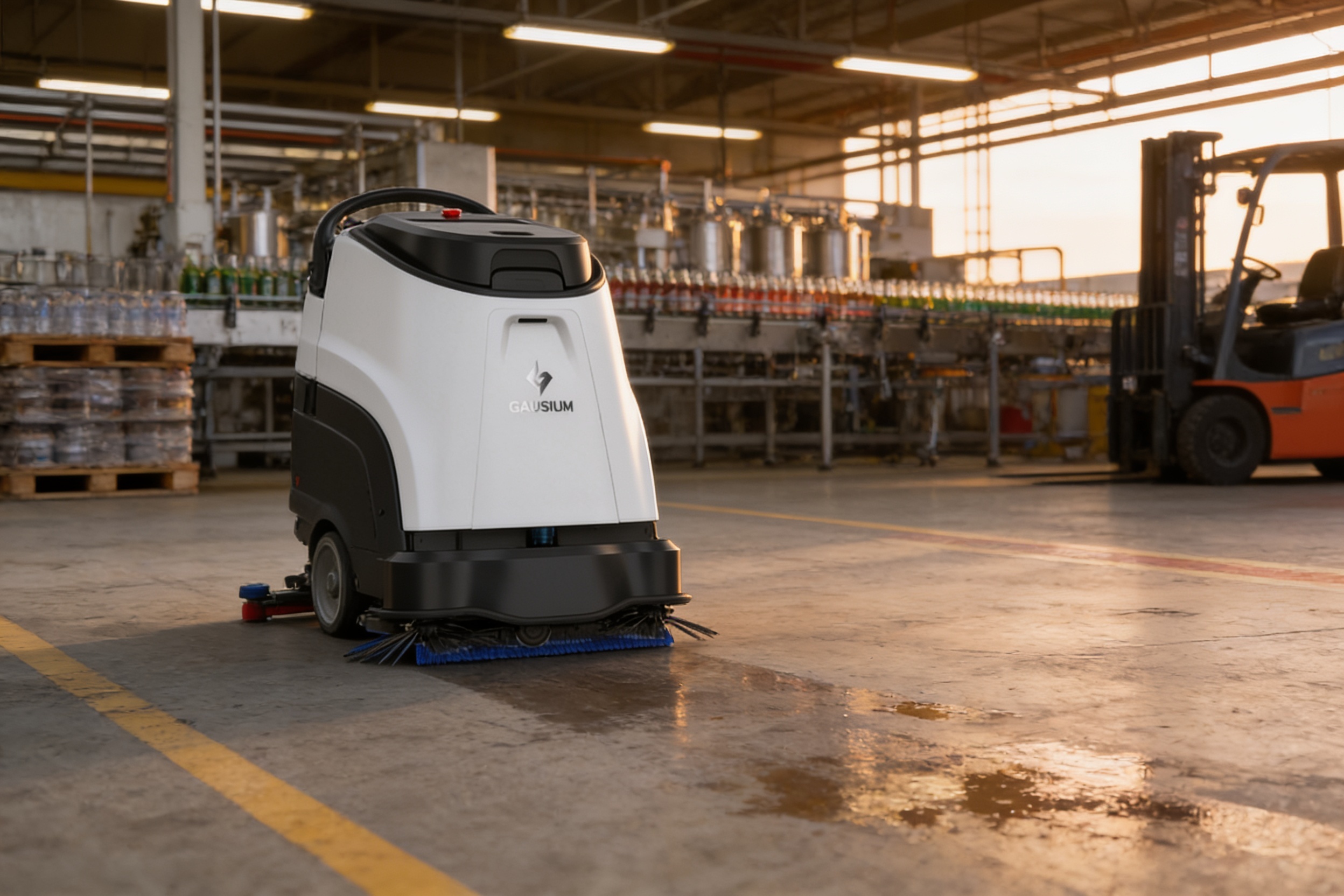
Fresno has a wide mix of buildings that run floor scrubbers and cleaning robots: distribution and light industrial space, retail stores, schools and campuses, medical offices, hotels and fitness centers. We do not name local businesses on this page.
The Census Bureau publishes county business counts every year, and its 2023 release came out in June 2025. We did not pull a Fresno County establishment count for this page, so we do not claim how many sites of each type exist here.
A 2019 survey of nearly 23,000 contractors, in-house providers and facility managers, run by a cleaning industry association, described autonomous cleaning adoption as early, and about one-third of non-adopters said they were likely to adopt within a year. That survey is several years old, and we found no newer end-user adoption survey.
A syndicated market report, which is an estimate and not a primary count, projects 16.2 percent annual growth for autonomous floor cleaning machines through 2031 and cites labor shortages as a driver.
Each site type sets its own cost driver. A distribution floor is large and open, so route time dominates. A school or medical building has many rooms, doors and thresholds, so mapping and transition work weigh more. A hotel lobby or gym has furniture and equipment that moves, so the map and schedule need regular upkeep.
Climate and building stock for Fresno were not verified. Where dust, heat or older layouts matter, the site walk measures them, so the quote reflects the real building rather than an average.
How does leasing through financing work, and what does the quote include?
We lease robots through financing. There is no large upfront capital commitment at the start, and the lease sets a fixed lease payment over a set term. That payment is quoted after a free site assessment, because only the floor can show which unit and how many fit the building.
A quote from us lists the units, the term, the fixed lease payment, mapping and integration work, go-live support, training and the service plan. It also states what is excluded, such as layout changes after go-live, so the terms are clear before anything is signed.
We deploy and integrate the unit, train the staff who work beside it, and service it on site or remotely after triage. The service covers the whole country, so a site in Fresno and a site in another state follow the same process.
How many labor hours does the robot take over?
Hours are the number that links the lease to your budget, and they depend on your floor. We did not find a verified source for typical cleaning hours per shift or per week, so the table below describes the work by task and leaves the hour figures to the site walk. Ask your lead to log one week of crew time before the assessment.
The useful comparison is hours on the same floors. If a crew spends a night scrubbing the main aisles, the robot can take that pass, and staff can move to restrooms, spills and detail work that still need people. Freed hours only save money when the shift plan changes, so the quote conversation includes the new schedule.
Injury exposure belongs in the math too. According to the Bureau of Labor Statistics, private industry recorded 2.3 total recordable cases per 100 full-time equivalent workers in 2024, down from 2.4 in 2023, and an illness rate of 13.9 per 10,000 workers. Those are all-industry rates, not janitorial figures, but they show that repetitive work carries real exposure worth counting.
What can a cleaning robot not do?

A cleaning robot works on floors it can map and reach. It does not climb stairs, handle unknown spills, perform detail work or deal with heavy debris on carpet. Those tasks stay with staff, and the plan should say so.
It also needs a clear path. Loose cords, pallets left in aisles and doors propped open can stop a run, and a person still has to clear the stop. The unit does not judge hazards the way a trained worker does, so the site needs a written stop procedure.
Results depend on the floor. Surface type, grout and worn finishes change how well it cleans, and some floors need a test pass before the schedule is set. Expect the unit to handle the repeated pass, not the full cleaning load of a building.
- Stairs and multi-level transitions
- Unknown spills and biohazards
- Restrooms and detail cleaning
- Blocked or constantly changing floors
How do I get a quote after a free site assessment?
Start with the floor. Send the building type, approximate floor area, shift windows, the number of doors and elevators, and the surface types on site. That lets us judge whether one unit or several fit the building before anyone visits.
The free site assessment walks the floor, builds the map, notes transitions and checks integration points. The quote follows from what the walk finds, and nothing is final until the numbers are confirmed on site.
Our integration team handles the choice of robot for the site, the lease and the nationwide service. As a US commercial robot integrator, we answer for deployment, training and service through one contact, so the person who signs off has a single point of accountability.
Frequently asked questions
Put a robot to work in Fresno.
We walk your site, learn the job, and recommend the unit that fits. Then we quote the lease, deploy it, and keep it serviced.
Sources
- BLS Fresno metro occupational employment and wages, May 2024
- BLS Fresno metro occupational employment and wages, May 2025
- BLS Occupational Outlook Handbook: janitors and building cleaners
- BLS Occupational Employment and Wages, California, 2020
- BLS Employer-Reported Workplace Injuries and Illnesses, 2024
- Census Bureau 2023 County Business Patterns release
- Autonomous cleaning adoption survey, 2019
- Autonomous floor cleaning machines market report, 2025 to 2031 forecast