

The short answer
The delivery robot cost in Bridgeport depends on the route the robot must run: how many floors and doors it crosses, how many shifts it covers, and how much staff time it takes off the floor. We set a fixed lease payment only after a free site assessment that maps the route and measures those hours on your own floor. The hours a robot takes over matter more than any starting figure.
Key takeaways
- A delivery robot cost in Bridgeport turns on the route, the floors, the shifts and the staff hours it takes over.
- According to the National Restaurant Association, Connecticut had 9,149 eating and drinking places in its 2025 fact sheet.
- Turnover estimates above 75% mean new staff relearn routes often, while a robot runs the same route every shift.
- Mapping, integration, software, insurance and service are the lines to confirm in writing before you sign.
- The quote follows a free site assessment that measures the work on your own floor.
How much does a delivery robot cost to run in Bridgeport, CT?
A delivery robot cost in Bridgeport is set by the route it runs, not by one figure on a sheet. The same robot can be simple to run in a single-floor restaurant with a short path from kitchen pass to dining room, and much harder in a hotel that needs an elevator and several mapped floors of corridor. The quote reflects that difference, which is why two buildings a few miles apart can receive different numbers.
This page does not print a lease figure because the payment depends on the site. What you sign is a lease, with a fixed payment over a stated term, financed rather than paid up front. The quote is written after a free site assessment, and it states the term, the included items and what the payment does not cover.
Two inputs decide the quote. The first is how much staff time the route takes off the floor, which sets the value side of the decision. The second is how much work it takes to keep the route reliable, which sets the setup and service load. A good quote shows both, so you can test the value against the work rather than against a headline.
What moves the cost of a delivery robot at a Bridgeport site?
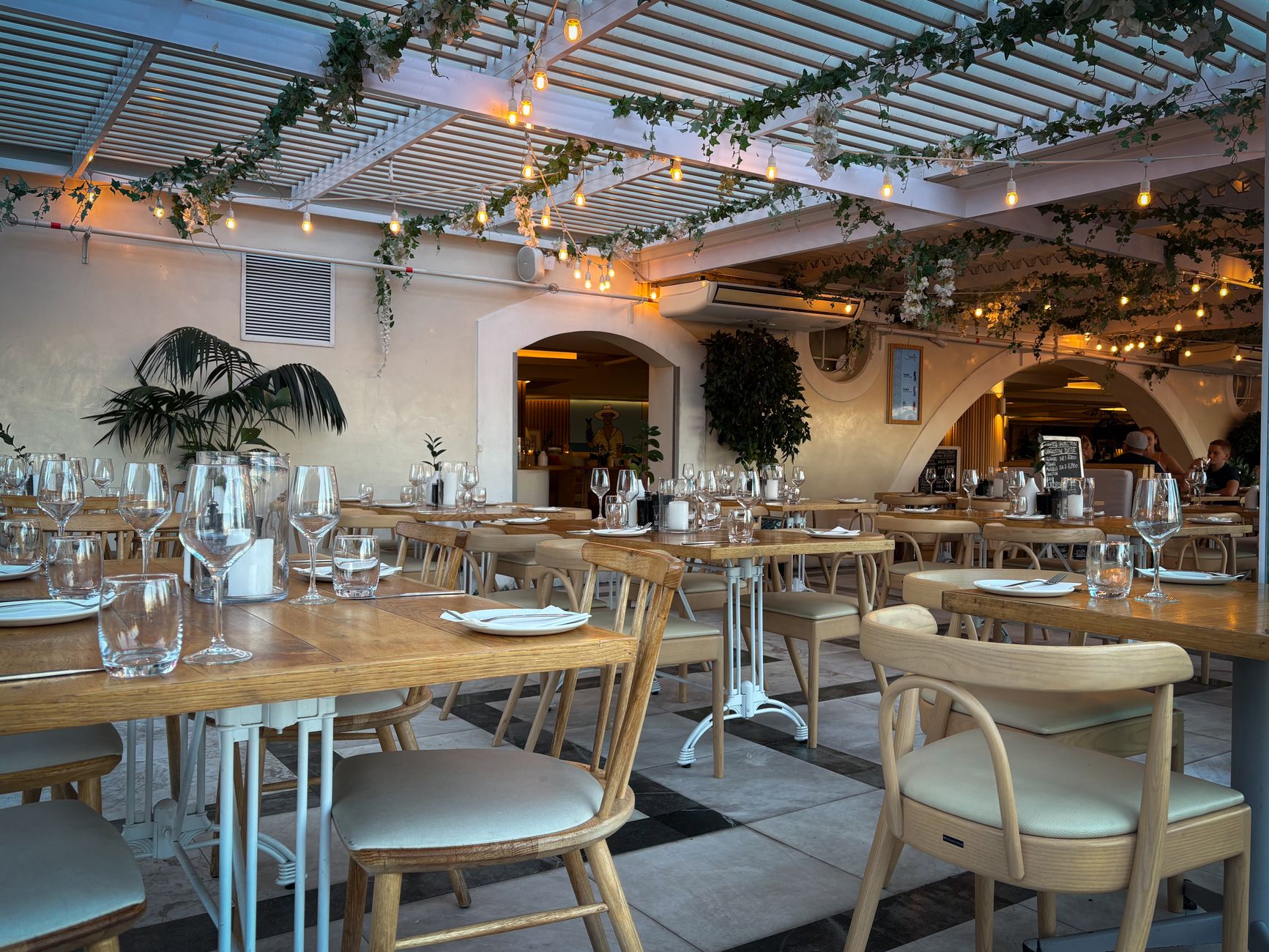
Route length and floor count come first. A robot that crosses two floors and a service elevator completes fewer trips per shift than one serving a single room, so a busy dining room may need a second unit to keep pace. Doorways, glass partitions and heavy fire doors slow the robot or add mapping work, and each one is measured during the visit.
Foot traffic changes the number. A dining room at peak, with guests standing near the host stand, forces the robot to slow, wait and reroute. A quiet lunch room does not. We count traffic at the times you actually run, not from an average, because a robot judged at the wrong hour gets the wrong route.
Shift hours, unit count and integration are the other large levers. A robot that runs only dinner covers fewer hours than one that runs lunch and dinner, and a single unit has no cover while it is down. Connecting the robot to a point-of-sale system or elevator controls adds setup time, and the distance to the nearest service technician sets the response window.
Which Bridgeport businesses run delivery robots, and where?
Restaurants are the largest group and the most common fit. According to the National Restaurant Association, Connecticut had 9,149 eating and drinking place establishments and 117,900 employees in its 2025 state fact sheet, with 153,500 restaurant and foodservice jobs statewide. Those are statewide figures, and we have no verified count for the Bridgeport-Stamford-Danbury metro alone, so we count local routes in the site assessment instead of estimating from the state.
Connecticut also has an unusually dense pizza base. A February 2025 special examination by the state Comptroller counted 1,376 pizza restaurants, or 3.65 per 10,000 residents, the highest per-capita rate in the nation. Pizza and casual dining rooms with long kitchen-to-table runs are where runners spend much of their shift on the floor.
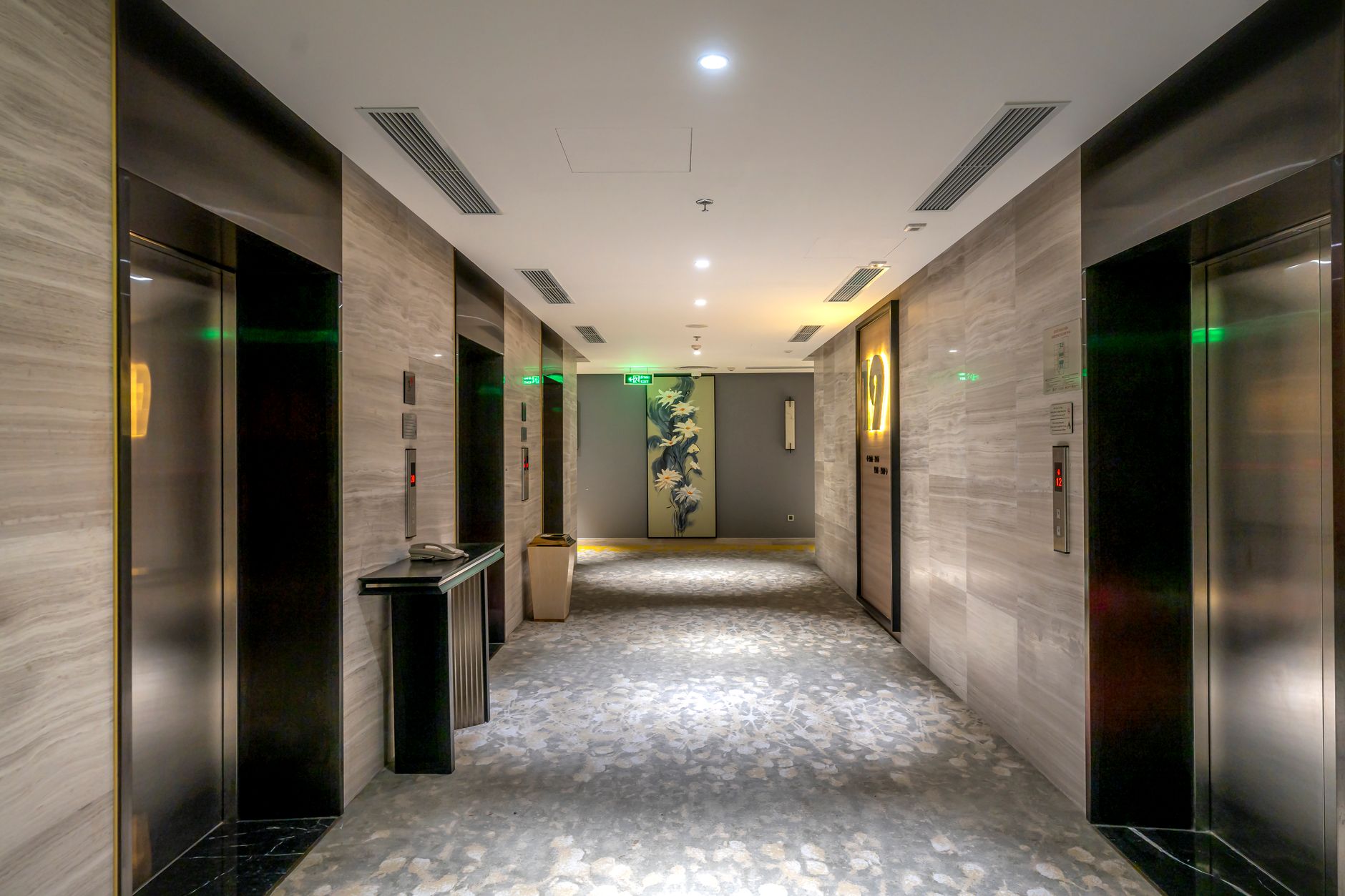
Hotels, senior living communities and office buildings also run delivery robots for amenities, meals, mail and documents. Their routes differ from a restaurant's, with longer corridors, more doors and more elevator trips, so we size them separately rather than reusing restaurant numbers.
How many labor hours does a delivery robot take over?
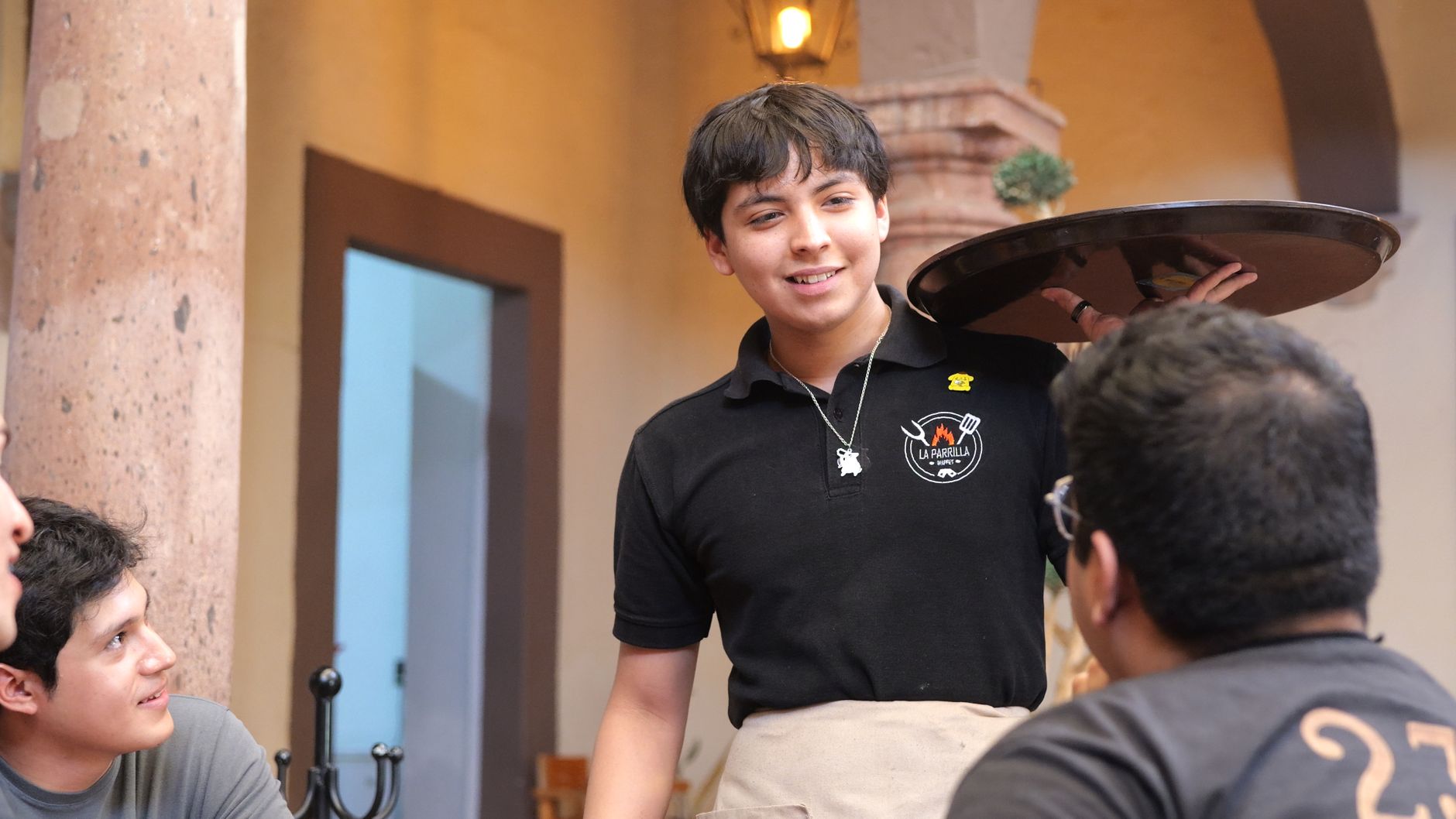
According to FRED, which republishes Bureau of Labor Statistics data, about 99.9 thousand people were employed in restaurants and other eating places statewide in March 2026, and about 55.7 thousand in full-service restaurants in February 2026. That is the pool Bridgeport operators hire from, and it is the pool that fills runner and busser shifts.
Turnover is high across the sector. According to Homebase, as summarized by secondary sources in 2025, average restaurant employee turnover was above 75%, with front-of-house near 41% and back-of-house near 43%. The methodology is unclear, so treat these as a rough signal. Each new hire has to learn the routes, and each departure resets that learning.
The hourly labor pool in the same metro is also sizable. Occupational data from the Bureau of Labor Statistics, republished by a third-party salary site for May 2025, put about 6,220 janitors and cleaners in the Bridgeport-Stamford-Danbury metro. We have no verified local figure for restaurant servers, so the hour estimates here come from your own shift logs, not from a regional average.
How does leasing a robot through financing work?
We lease robots through financing. The arrangement is a lease, with a fixed payment set over a stated term. Because the robot is financed, the project does not need a large upfront capital outlay, which matters for a smaller operator who would otherwise tie up cash needed for payroll and inventory.
A quote should show the lease payment, the term, the robot class chosen for your route, deployment and integration, staff training and service. It should also say what happens at the end of the term. Ask whether a loaner or spare unit covers a breakdown, and how long that cover lasts.
Financing steadies cash flow but does not change the work. The lease pays for the robot, while labor, route design and service still have to fit the building.
How do you get a delivery robot quote in Bridgeport?
The quote follows a free site assessment. Our team walks the route, measures floors and doors, watches traffic during the shifts you run, and records the tasks the robot would take over. Those observations are where the hour figures come from, and they replace guesses about your building.
After the assessment we return a quote with the lease payment and terms. Nothing is installed until you have read the quote and agreed to the lease. Deployment then follows the mapped route, with staff trained before go-live and support during the first shifts.
Is a delivery robot worth it for a Bridgeport business?
Whether it is worth it depends on whether the robot takes over enough staff time to cover the lease and setup. A robot that runs one lunch shift on a short route seldom recovers its cost. A robot that runs two shifts through a multi-floor building, where turnover keeps relearning the route, usually has more to recover.
Openness to new tools is growing, though not evenly. According to Popmenu market research reported in early 2025, 34% of restaurant operators had adopted AI technology, and 48% planned to in 2025. That figure is about AI rather than robots, so it shows general openness to tools, not a verdict on delivery robots.
What can a delivery robot not do?
It does not clear plates, take orders or handle a guest who wants to talk. It does not climb stairs, and it slows in crowded rooms, so it cannot replace every runner trip. Narrow or uneven paths and some outdoor surfaces also limit its routes.
We do not have verified local climate or building stock figures for this page, so we make no claims about weather or the age of Bridgeport buildings. Outdoor paths, ramps and any exposure to weather are checked during the site assessment rather than assumed from the region.
A robot also needs a clear plan for the moments it stops. A spill, a closed door or a blocked aisle halts it, and a person has to clear the path before the route resumes. Staff should know that before go-live, not during the dinner rush.
How does a delivery robot shift run from open to close?
A typical shift starts with staff confirming the map and battery state before service opens, then loading the first run. During service, the robot carries repeated trips such as food from the pass, supplies to a service station or mail between floors, while staff handle the tables and any trip that needs a person. At close, the robot returns to its charging point and staff log any stops, blocked routes or exceptions for the next morning.
Every shift has exceptions. The shift lead should know who resets the robot, where the spare unit sits and who calls the service line. Those answers belong in the training plan, which we build during deployment, so the shift does not depend on one person who knows the building.
Frequently asked questions
Put a robot to work in Bridgeport.
We walk your site, learn the job, and recommend the unit that fits. Then we quote the lease, deploy it, and keep it serviced.
Sources
- National Restaurant Association, Connecticut state fact sheet
- Connecticut Comptroller, special examination on pizza restaurants (February 2025)
- FRED, employment in restaurants and other eating places, Connecticut
- FRED, employment in full-service restaurants, Connecticut
- Homebase, restaurant employee turnover
- Restaurant Technology News, Popmenu market research (2025)
- Restaurant Dive, diner attitudes toward robots
- Wagedex, janitors and cleaners, Bridgeport-Stamford-Danbury metro (BLS OEWS May 2025)