
The short answer
Drone cost for stadiums depends on how much roof, facade and light-tower area needs imaging, how many game-day or event windows the work must fit around, how much mapping and data the program requires, and how many units and service visits it needs. Federal airspace limits around large stadiums on game days make scheduling a major factor in the bill. We set the lease quote after a free site assessment, so the number reflects your venue rather than a generic estimate.
Key takeaways
- Drone cost for stadiums turns on roof and facade area, light-tower count, event windows and data outputs.
- Federal rules bar drones at or below 3,000 feet within 3 nautical miles of large stadiums during qualifying games.
- A vendor table puts a 7,000 square meter roof at 1 to 2 hours by drone against 4 to 5 hours by scaffold or rope access.
- Hidden costs sit in mapping, storage, maintenance and insurance, so ask for each item in writing.
- We set the lease quote after a free site assessment, with a fixed robot lease payment over the term.
What drives drone cost for stadiums?
Drone cost for stadiums is set by the inspection scope, not by the aircraft alone. A venue with a large roof membrane, long facade runs and a row of light towers needs more flight time, more imagery and more processing than a smaller canopy. Two stadiums can use the same drone and still land far apart on cost, so the first question is how much surface you need covered and how often.
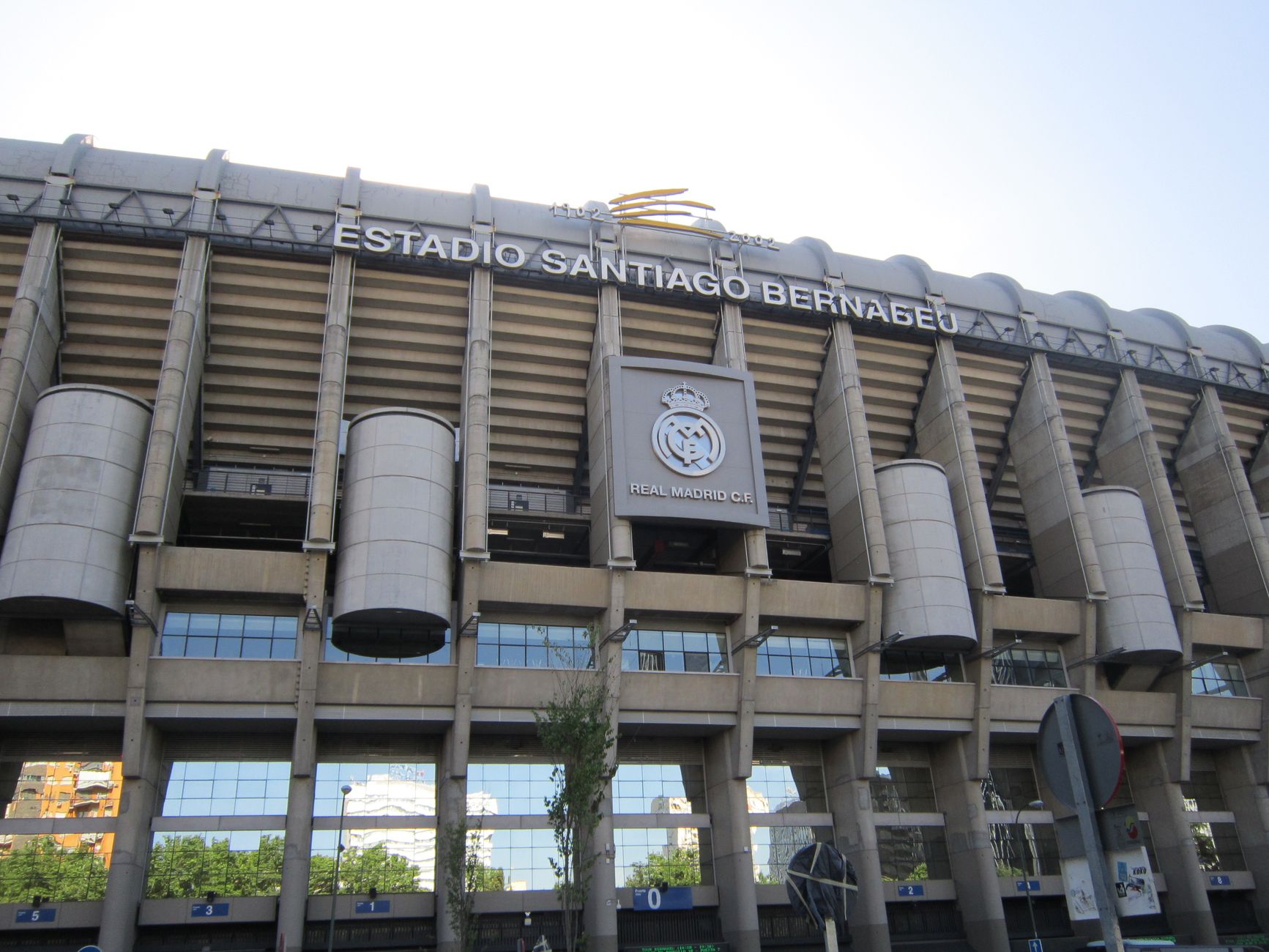
Stadiums also carry a constraint that most industrial sites do not. Federal law bars drones at or below 3,000 feet above ground level within 3 nautical miles of a stadium seating 30,000 or more during an MLB, regular or postseason NFL game, according to the FAA stadium page. That turns a flight into a scheduled job, and scheduling is one of the main levers on the bill.
Which factors move the cost up or down?
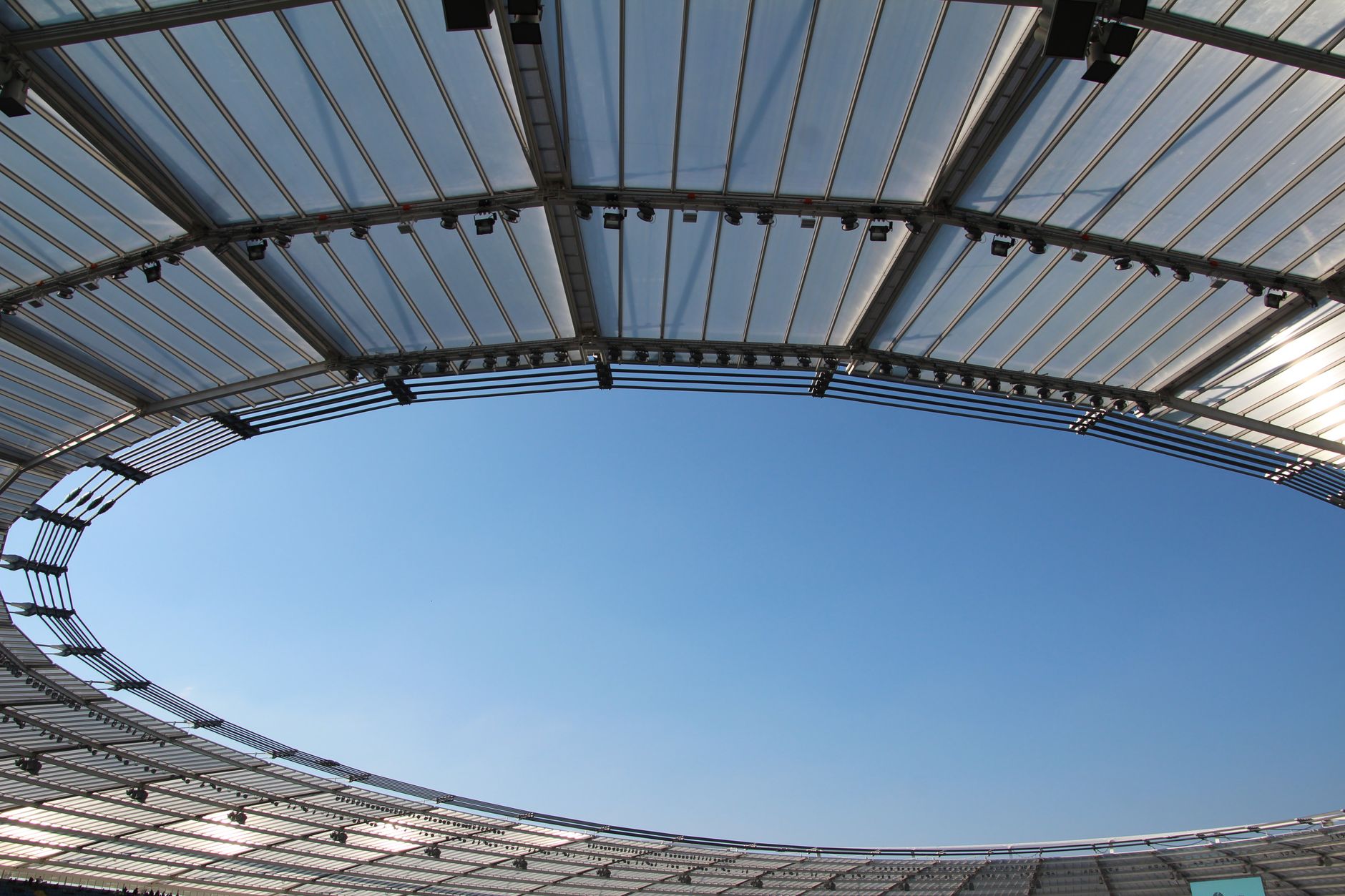
Surface area is the obvious driver, but shape matters as much as size. A roof is mostly flat planes that a drone covers in a steady grid. Facades are broken up by louvers, signage, seating overhangs and glazing, which means more passes at more angles. Light towers add height and a small number of discrete targets, so they fly quickly but need careful framing for each lamp array.
Event timing is the second lever. According to Insurance Journal, the standard restriction window is about one hour before to one hour after an event, and World Cup 2026 restrictions were reported to run three hours before and after each match. Check the official notice for each date, because the window sets how many days the work can be split across.
Data outputs drive processing time. A set of georeferenced images for an engineer costs less to produce than defect tags linked to an asset list, because the second one needs review and matching. Fleet size and service visits also move the number. A second unit can shorten the calendar when two zones must be surveyed in the same window, but it doubles setup and pilot time. A single annual survey and a quarterly follow-up do not cost the same to support.
How long does a drone survey of a stadium roof take?
A vendor comparison table reproduced in the research notes puts a roughly 7,000 square meter roof at 1 to 2 hours on site by drone, against 4 to 5 hours by scaffold or rope access. The table comes from a drone services firm, so treat it as a vendor baseline rather than an independent study.
Facade work shows a bigger gap in calendar time. A second vendor table puts traditional facade work at 8 to 14 weeks per building, against 1 to 2 days by drone, and access-limited coverage of 60 to 75% of facade area against 100% of elevations. When closures drive the cost, those calendar figures matter more than flight minutes.
Light towers are the gap in our research. We did not verify timing data for light-tower inspection. Analogous cell tower work suggests the flight itself is short, but we would measure your tower count, height and lamp layout during the site assessment instead of guessing.
What labor and closure time does a drone replace?
The cost of a traditional inspection is mostly crew time and lost use of the area. Scaffold and rope access crews need setup, anchoring and teardown, and each step can keep a roof edge, concourse or seating section closed.
Processing is the hidden time. The same vendor table puts data processing at about 90 minutes, against 2 to 5 days for the traditional route. Those are vendor claims, but they show that the review desk matters as much as the flight.
The drone side needs a small team: a certified remote pilot, a site lead who manages the event calendar, and an engineer or inspector who reviews the output. Staff who used to work at height can move to review and repair, which is where the venue's own labor is best spent.
How does leasing through financing work, and what does the quote include?
We lease the drone through financing, so the venue does not carry the full equipment cost upfront. The payment is a fixed robot lease payment over the term, set in a written quote after a free site assessment. The quote covers the drone, the service plan, deployment, training and go-live support, so the number you sign reflects the whole operating scope rather than a bare aircraft.
A good quote also names its assumptions: the term, the flight windows, the survey frequency and the process for adding a roof section or a light tower. A quote without those assumptions tends to move later. Ask for them in writing, and compare offers only where the scope matches.
Lease terms run for a defined term. At the end of it the venue decides whether to extend, return the unit or change scope, so confirm those end-of-term options before signing.
What can a drone not do at a stadium?
A drone cannot fly inside a restricted window without the required authorization, and it cannot fly a route the official notice forbids. The FAA says restrictions appear in B4UFLY and the FAA sporting event monitoring system, so check both before you schedule a survey.
It cannot see what a closed or shaded surface hides. A drone records exposed surfaces from outside. Interior roof deck conditions, concealed fasteners and structural load questions still need hands-on inspection. Wind, rain and lightning stop flights, which matters when a closure is built around one day.
It does not replace a structural assessment or a repair crew. A drone finds and records defects. A qualified person decides what they mean and what gets fixed first.
How do you get a quote after a free site assessment?
The first step is a free site assessment. We count roof, facade and light-tower scope, collect the event calendar, note the surfaces that need imagery and the data your engineer expects. We also check access points, power for batteries and where staff can stage equipment without blocking a concourse.
From there we build the quote. It states the scope per zone, the flight windows, the deliverables, training and service terms, and it shows which items are the venue's responsibility, so both sides compare the same scope.
A pilot is often the simplest start: one roof section or one facade run, measured against the closure time it replaces. That gives you a number from your own building before you commit to the full envelope, and it lets the next quote start from measured results.
Why does working at height matter for stadium maintenance?
Work at height is where risk concentrates. A CPWR analysis of BLS data, summarized by a safety consultant in our notes, counted 208 construction worker deaths tied to aerial lifts from 1992 to 1999, about 26 per year, with falls at 31% and collapses or tip-overs at 20%. Those figures are dated, but the mechanism behind them has not changed.
ENR, citing OSHA, reports that falls accounted for 294 of 796 construction fatalities, or 37%, though the year is not confirmed in our notes. Injury estimates for aerial lifts conflict across sources, so we do not put a single injury rate on this page. A survey that keeps crews off the roof edge removes one of the riskiest tasks from the schedule. Use these figures to make the case internally, but base the decision on your own closure schedule and survey frequency.
Frequently asked questions
Want a drone at your stadium?
Tell us about your site. We will recommend the robot, quote the lease, and keep it serviced.
Sources
- FAA: Sports Stadiums airspace restrictions
- FAA newsroom: no-drone zones for FIFA World Cup 2026 stadiums
- Insurance Journal: World Cup 2026 drone restrictions report
- CPWR analysis of BLS aerial lift data, summarized by SafetyNow
- ENR: overturns and falls lead aerial work platform deaths
- Global Drone HQ: drone inspection guide for building and infrastructure
- Skyebrowse: drone facade inspection