
The short answer
Robotic lawn mower cost for water treatment plants depends mainly on how much fence line, berm and basin edge ground the robot must cover, how steep those embankments are, and how often the grass has to be cut. Mapping, boundary setup, staff training and ongoing service add to the total, and the lease figure is set in a quote after a free site assessment. Open, level yards fit a robot quickly, while steep, obstructed edges take the most setup and checking time.
Read the commercial robot lawn mower guideSee what a robotic mower costsRun the numbers in the ROI calculator
Key takeaways
- Acreage, layout and berm slope set most of the scope at a treatment plant.
- Hidden costs include mapping rework, boundary repairs, software, insurance and training.
- Leases are quoted after a free site assessment, with included and excluded items in writing.
- Robots take repetitive mowing, while trimming at posts, valves and basin lips stays with the crew.
- Grounds work carries real injury risk, so moving crews off steep embankments matters.
What does robotic lawn mower cost for water treatment plants depend on?
The cost of a robotic lawn mower for water treatment plants is set by the work the robot has to do, not by a catalog number. Three things carry most of the weight: how much ground is in scope, how steep and obstructed that ground is, and how many hours a week the grass must stay short during the growing season. Mapping, training and service are sized from those three.
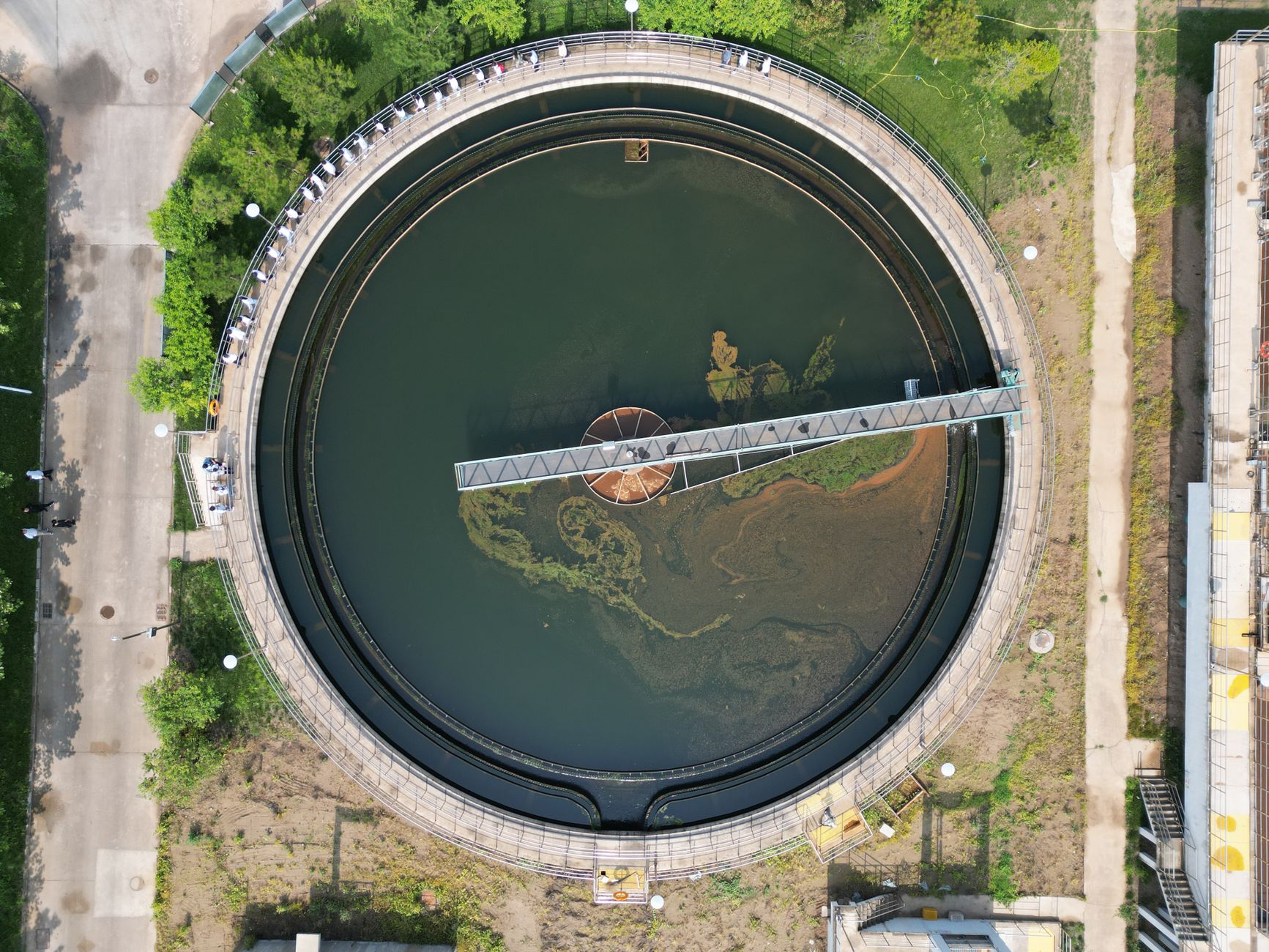
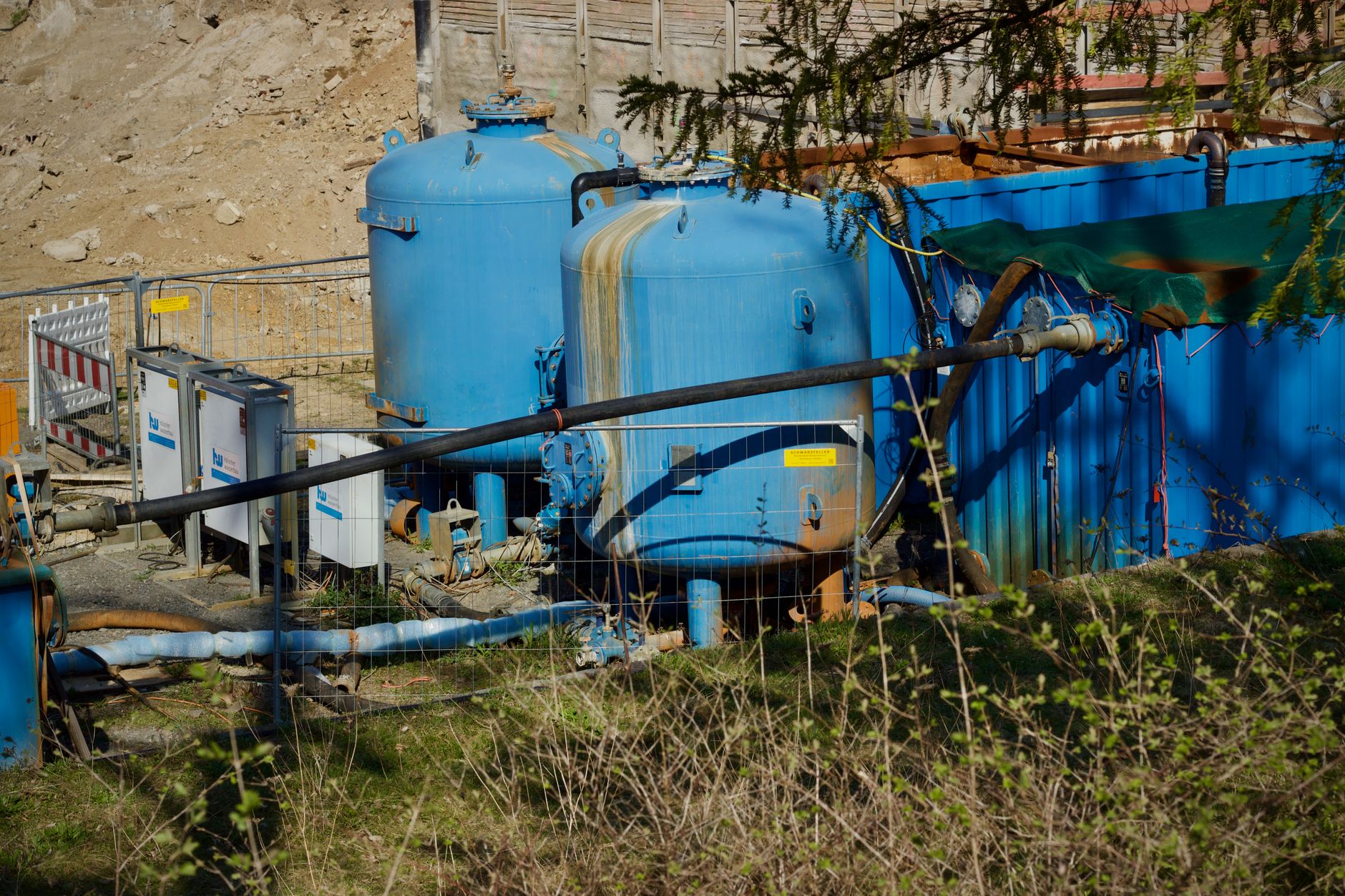
Treatment plant grounds are unusual because the mowing is spread across varied surfaces. A fence line is narrow and runs along a fixed edge. A berm is a raised embankment that may be steep. A basin edge sits close to water and concrete, and the grass there has to stop cleanly at the lip. Each zone needs its own setup, and that setup is where much of the quote comes from.
We do not quote from a posted figure. We quote after a site assessment, because the ground survey, slope readings and obstacle list decide the unit count and the setup scope.
How many water systems and plants are there, and where does the grass sit?
A federal summary gives the scale of the sector. A DHS summary, archived from its water and wastewater page, cites about 153,000 public drinking water systems. That figure counts systems, not individual treatment plants, and one system can run several plants, pump stations and storage sites.
I did not find a verified national count of treatment plants in this pass, so an unsourced trade article claim of over 50,000 plants should not be treated as fact. The better source for any one owner is its own asset list, showing fenced parcels, basin counts and berm lengths. A site assessment turns those inputs into a mowing scope.
Grass sits in several places on the property. Some plants have open, level yards between process structures. Others have long earthen berms along a river, reservoir or drainage ditch, where slope and water edge both limit what a machine can do.
What makes the robotic mower cost go up or down at a treatment plant?
Acreage is the first driver, but layout matters as much as the total. Several fenced parcels with narrow gaps cost more to map and cover than one open lot of the same area, because each gap needs boundary planning and each corner needs a path the robot can take.
Slope is the second. Consumer and prosumer manuals for robotic mowers set slope limits and tell installers to keep boundary wire off steep ground. Commercial embankments are often steeper and longer than those limits assume, so a berm may need a separate approach, a second unit or hand work.
Obstacles come next: valves, sample posts, instrument housings, drains, light poles and fence posts. Each one adds boundary and detection work. Mowing window matters too. A plant that allows machines only during a set daytime window needs a tighter schedule and a plan for charging and supervision.
Unit count, surface changes and service coverage also move the number. Two units may be needed to finish a run through a growing season, and a spare unit changes the downtime risk. The quote reflects those choices after the site visit.
How does robot leasing through financing work, and what does the quote include?
Robots are leased through financing, and we do not sell them. The lease spreads the cost into a fixed robot lease payment over the term, so the plant budgets a known line instead of a large one time outlay. Lease options differ by term and by the service attached, which is why the quote matters more than any headline.
A quote lists the lease term, the fixed payment, the number of units and where they run, deployment and integration scope, training, service terms and exclusions. It comes after a free site assessment, so the figure reflects the real ground rather than an estimate from a photo.
Service Robot Co. is a US commercial robot integrator. We pick the robot that fits the site, lease it through financing, deploy and integrate it, train the staff and service it nationwide. One partner holds the lease, the mapping and the service calls, so the plant has one contact instead of three.
How many labor hours does a robotic mower take over at a plant?
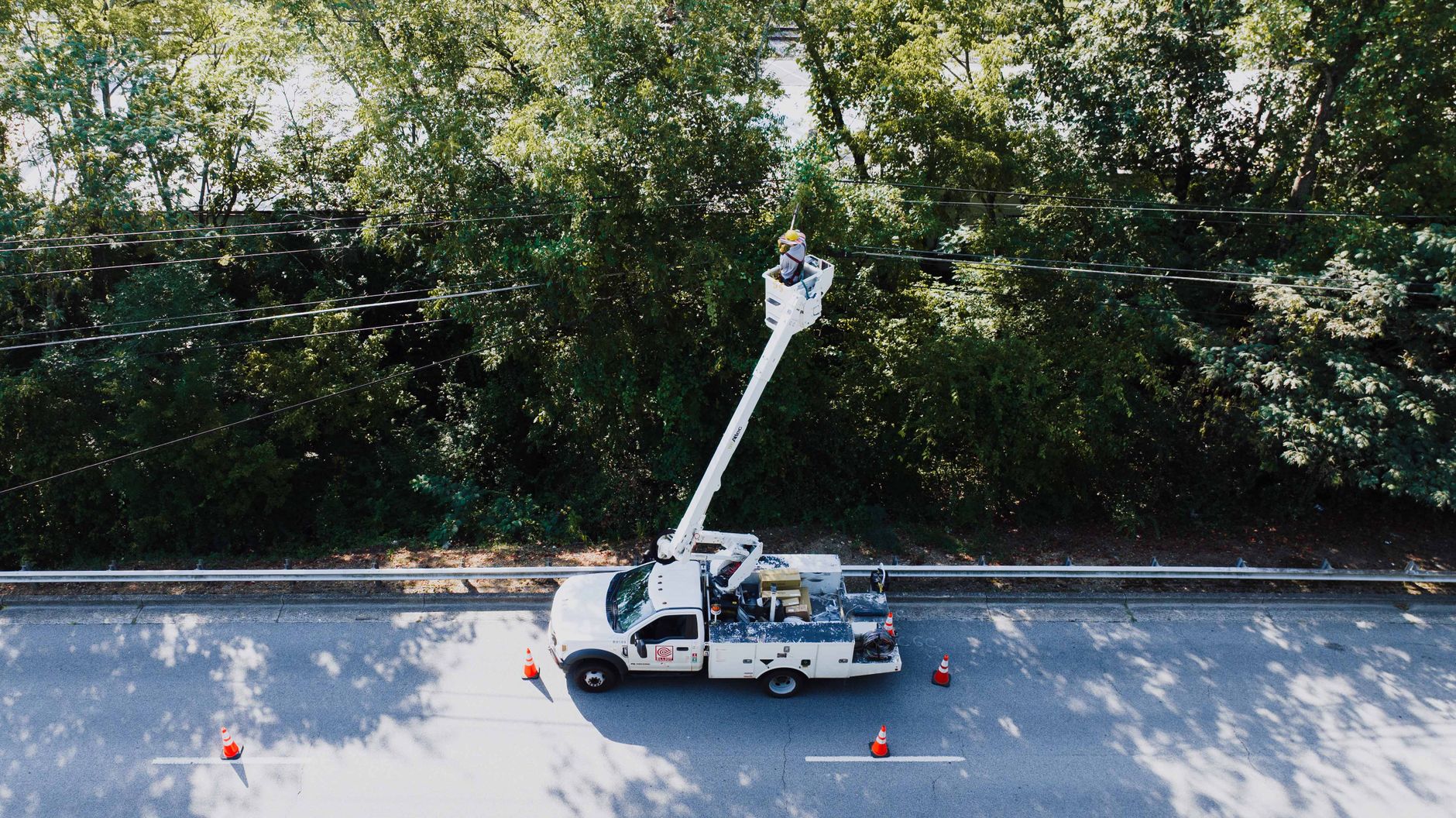
Mowing hours are hard to publish because they depend on acreage, grass growth and how many passes the crew makes each week. I did not find an independent published hour figure for treatment plant grounds in this pass. The table below describes the work by task, and the plant should fill in its own log hours during the site assessment.
The labor question is also a staffing question. According to Water News Network, reporting a 2026 interview with the AWWA chief executive, 21 percent of water sector employees are eligible to retire within five years, and vacancy rates average 9 percent. An AWWA survey of 416 utilities, taken in the pandemic era, found 40 percent struggled to hire, especially for operator, service technician and driver roles. According to WWD, turnover rose to 21 percent from 11 percent earlier in 2021. The 2026 State of the Water Industry report, published in March 2026, names workforce as a top concern, according to Smart Water Magazine.
The Bureau of Labor Statistics handbook counts 1,192,500 landscaping and groundskeeping jobs in 2024 and projects 4 percent growth for the grounds maintenance group from 2024 to 2034. Those figures set the market context. They do not tell a single plant how many hours to plan for.
The point of the robot is to take repetitive mowing off the crew, so the people left can do equipment work, inspection and trimming that a machine cannot finish. For a small crew, the difference is whether a field worker spends the afternoon on a pump or on the grass.
Is grounds mowing a safety risk for small crews?
Grounds work carries real injury risk. According to the CDC NIOSH bulletin, citing Bureau of Labor Statistics data, grounds maintenance workers had 189 injuries per 10,000 full time equivalent workers against 87 for all occupations. The same bulletin puts their fatal injury rate at 20 per 100,000, about five times the all-worker rate of 4.
The NIOSH bulletin lists contact with objects or equipment, falls from elevation and transportation among the common hazards. The BLS injury snapshot for 2015 to 2019 adds scale: landscaping and groundskeeping workers logged 12,380 nonfatal injury and illness cases with days away from work in 2019, an incidence rate of 185 per 10,000 full time equivalent workers. Annual rates ran from 149.0 in 2018 to 218.8 in 2016.
A robot does not remove these hazards from the site, and berms and basin edges still need a person to inspect them. What it does is cut the hours a worker spends on a slope with a powered machine, which matters most on the steepest embankments.
What can a robotic mower not do at a water treatment plant?
A robotic mower cannot trim around every post, valve and gauge. It runs inside a boundary and needs a clean edge to follow, so hand trimming at fence posts, sample points and basin lips usually remains. Plan the schedule so a crew finishes those spots.
Terrain is the limit most often misjudged. Consumer and prosumer manuals set slope limits and warn against laying boundary wire across steep ground. Commercial embankments need a check against the specific model and the boundary plan, and a berm that fails the check becomes a hand job or a job for another tool.
A robot also will not handle debris, spilled material, standing water or work near chemical storage. Those areas need staff sign off before any machine enters, and the site assessment should map them as exclusion zones.
How do I get a quote after a free site assessment?
Start with the asset list: fenced parcels, berm lengths, basin edges and restricted zones. Note the mowing window, the season length, the crew hours now spent on grounds and who will receive work orders. These inputs let the assessment scope the job without guessing.
The assessment walks the ground, measures slopes, notes obstacles and checks access and power. Boundary planning is sketched on site. The quote then sets out the robot count, lease terms and fixed payment, deployment scope, training, service coverage and exclusions.
A pilot with one unit on the worst embankment is a reasonable first step for a plant that is not sure. It shows how the boundary holds on real slopes before the plant commits to the full ground.
Frequently asked questions
Upcoming public sector events
- Trade showAPC/PennDOT/PA Turnpike Fall SeminarNov 18 to 20, 2026Hershey Lodge, Hershey, PA
- Trade showMinnesota Buildings & Facilities Management Trade ShowNov 19, 2026Minneapolis Convention Center, Minneapolis, MN
- ConferenceCASBO CBO Symposium (Executive)Nov 19 to 20, 2026The Langham, Pasadena, CA
- ConferenceVirginia Association of Fairs ConventionJan 14 to 17, 2027Williamsburg Lodge, Autograph Collection, Williamsburg, VA
Want a robotic mower at your water treatment plant?
Tell us about your site. We will recommend the robot, quote the lease, and keep it serviced.
Sources
- Bureau of Labor Statistics, Occupational Outlook Handbook, grounds maintenance workers
- Bureau of Labor Statistics, injury and illness snapshot for landscaping and groundskeeping workers, 2015 to 2019
- CDC NIOSH bulletin on heat illness and landscaping
- Water News Network, interview with the AWWA chief executive
- WWD, AWWA survey on staff shortages and supply chains
- Smart Water Magazine, on the 2026 State of the Water Industry report
- DHS water and wastewater systems sector summary, archived