
The short answer
Autonomous forklift ROI for roofing supply distributors comes mainly from fewer dock and yard labor hours on repeatable pallet moves, the work that is hardest to staff when demand spikes. The savings range depends on how many of those hours a robot can realistically take over on fixed routes, measured against the lease cost over its term. Treat any range as an estimate until a free site assessment measures the actual routes.
Key takeaways
- Autonomous forklift ROI for roofing supply distributors comes mainly from repeat dock and yard moves that are costly to staff in peak season.
- The savings range is the weekly hours of that work, times the share a robot can realistically take, times the wage shown in the government data on this page, less the lease cost.
- The share is measured on your own routes and peak weeks, not borrowed from an industry average.
- The main risks are idle time, route drift and an overestimated share, and each one can be planned around.
- A free site assessment turns the range into a fixed lease quote sized to your floor.
Run the numbers for your site
Pick your city or state for a real regional number - we use the real BLS wage there. (On the live site this auto-detects from your location.)
What do you want to automate?
The robot takes the repetitive cart and pallet moves off the heaviest motion.
What is autonomous forklift ROI for roofing supply distributors?
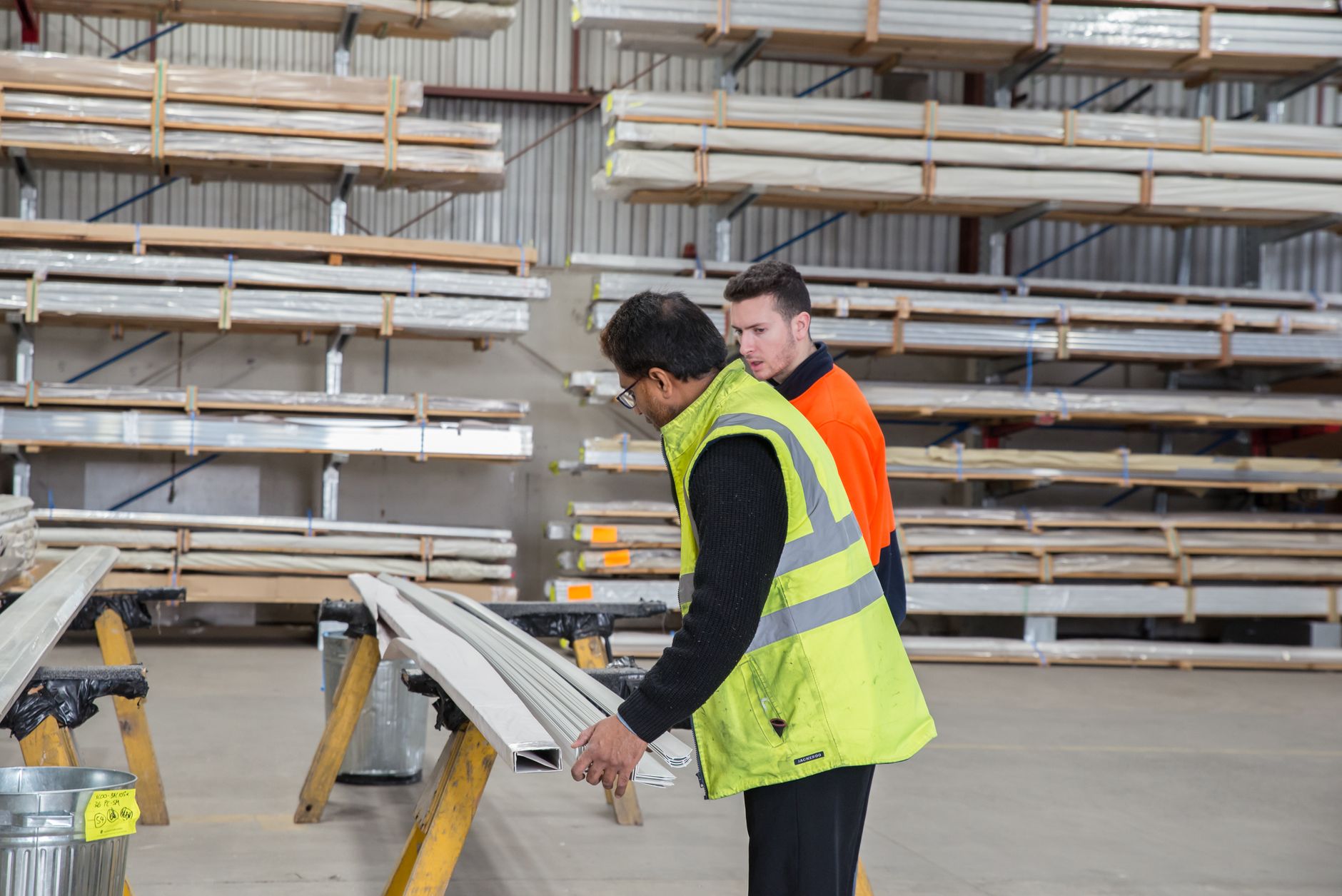
Autonomous forklift ROI for roofing supply distributors is the relationship between what a leased robot saves in labor and what the lease costs over its term. In a roofing branch, the labor being offset is dock and yard work: unloading trucks, checking material at receiving, moving pallets into racking or staging, and loading outbound orders. That work falls under Laborers and Freight, Stock, and Material Movers, Hand, and the government wage data shown on this page prices it. Because the hours a robot can take over depend on the site, the savings figure is always a range.
This page explains where the return comes from, how the math works, what moves the number up or down, and what a free site assessment settles. It is written for the person who signs off on the decision, so it relies on measurable inputs rather than promises. Where we did not find a published figure for roofing branches, we say so and name what to measure instead.
Where does the return come from at a roofing supply branch?
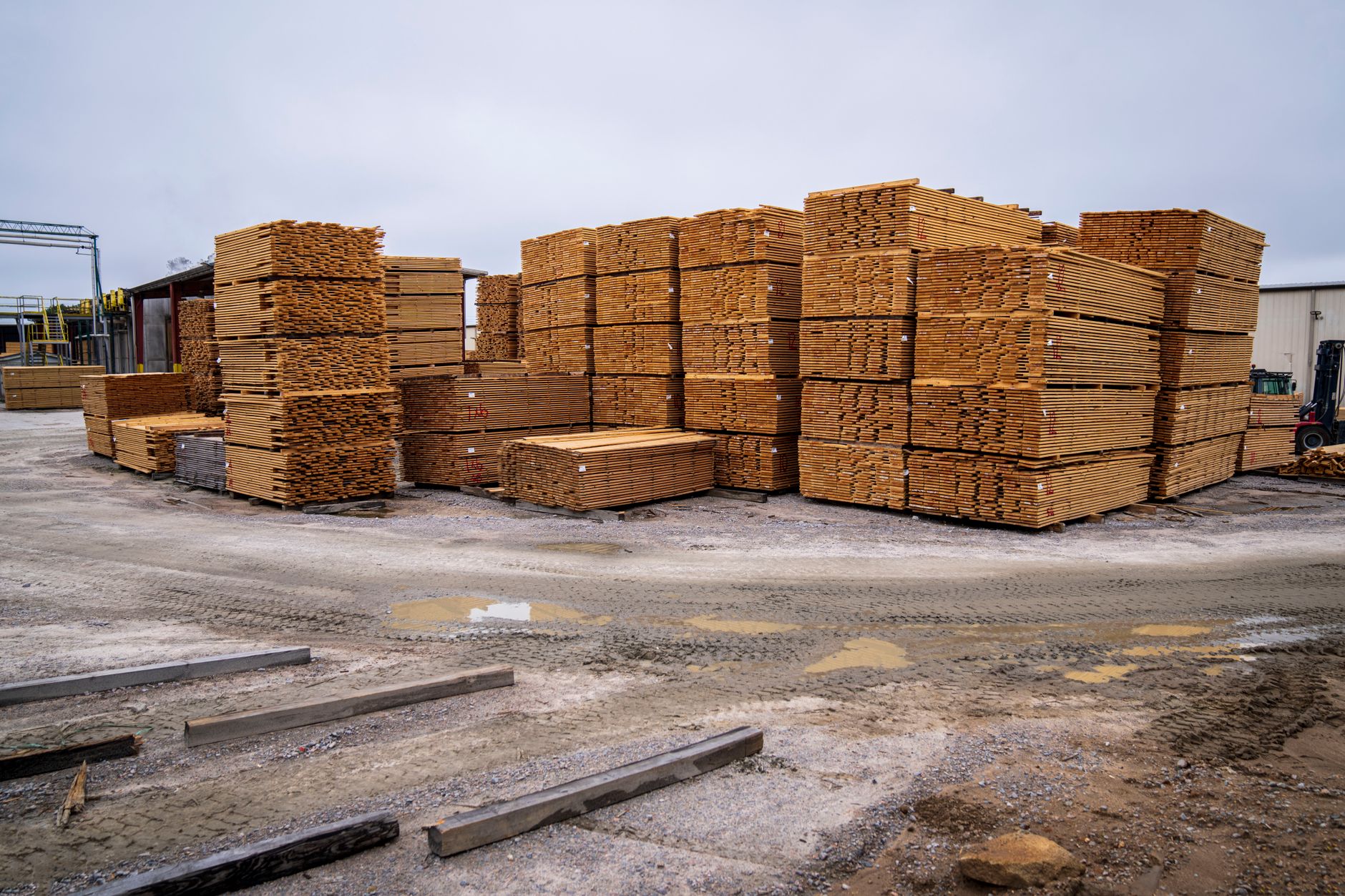
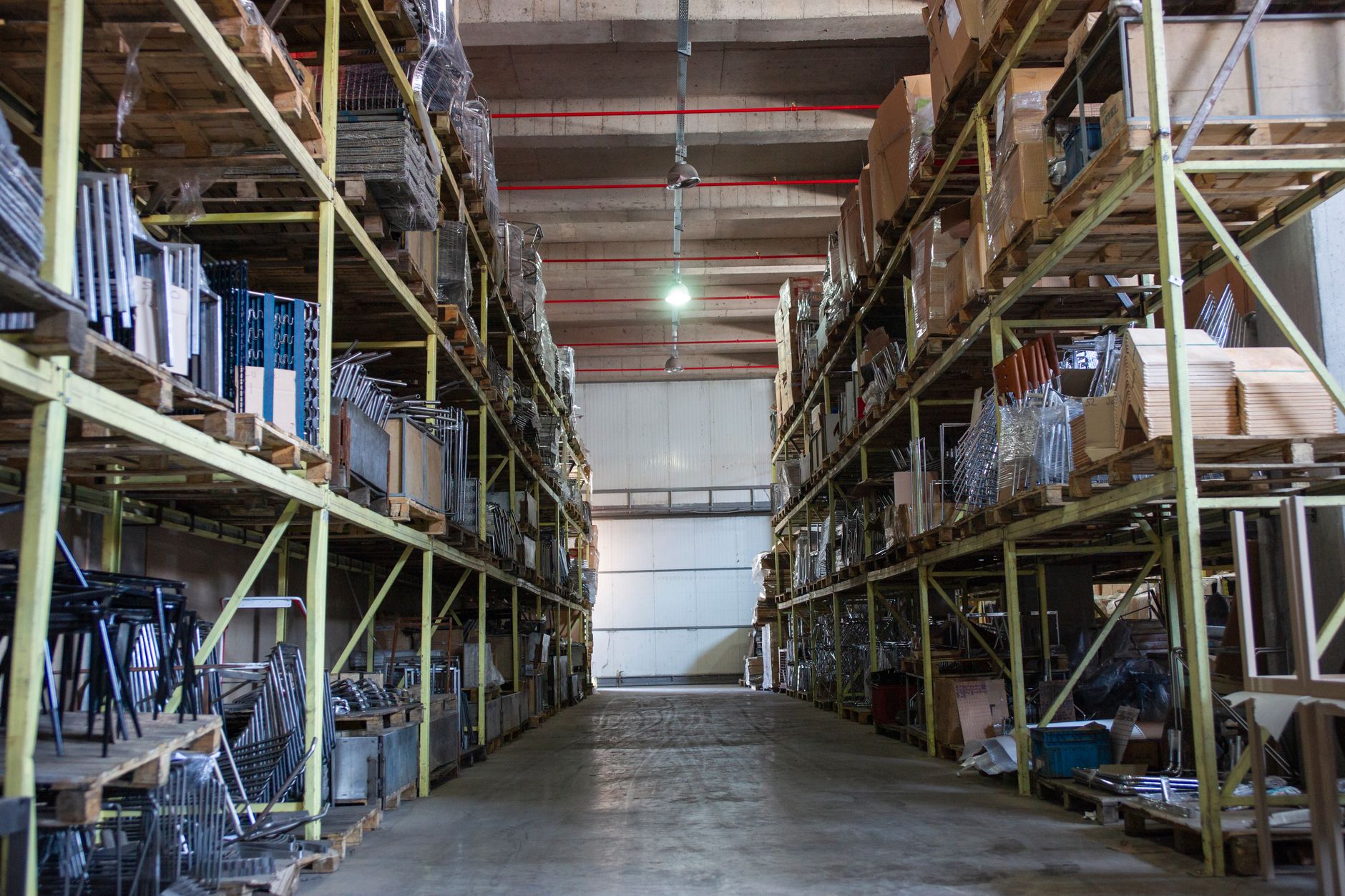
Roofing distribution is a high-volume, palletized business. Material arrives by truck, is unloaded and checked, moves into racking or floor staging, and then goes back out on outbound loads. Each leg is a repeated move with a heavy load and a predictable route, which is where an autonomous forklift fits. The return comes from the labor hours the dock and yard crew spend on these legs, not from any single difficult lift.
The return has three sources. The first is fewer paid labor hours on repeat moves, which is the easiest to measure. The second is steadier throughput across shifts, since a robot runs the same route at the same pace. The third is less overtime or temporary labor when the crew cannot be staffed. The first can be tied to a number in the assessment. The second and third are real but harder to pin to one figure, so record them separately.
Staffing pressure is a common reason branches look at this equipment. A January 2025 survey by Peerless Research Group of 217 robotics professionals, reported in a 2025 trade article, found that 55% named limited labor availability as the top motivator and 42% named labor costs. That survey covers the robotics field, not roofing branches, so read it as direction rather than a local forecast.
Median hourly wage, Laborers and Freight, Stock, and Material Movers, Hand
$4,380
Monthly cost of one full-time worker, at the median wage plus payroll costs (an estimate, not a quote).
- Repeat dock moves on a fixed route
Autonomous Forklift
Runs the same path at the same pace across shifts
Staff
Follows the same route well, but tires and needs breaks
- Peak surge coverage
Autonomous Forklift
Can add coverage once deployed and scheduled
Staff
Needs hiring, training and supervision time before becoming productive
- Mixed loads and damaged pallets
Autonomous Forklift
Needs fixed rules and struggles with unplanned loads
Staff
Judges, adjusts and repairs on the spot, so the person wins here
- Yard weather and changing surfaces
Autonomous Forklift
Performance depends on the surface and conditions set up in the site plan
Staff
Adapts to rain, ice and blocked lanes, so the person wins here
- Fault recovery and decisions
Autonomous Forklift
Remote triage and on-site dispatch when a unit stops
Staff
Stays on site and decides at once, so the person wins here
- Cost structure
Autonomous Forklift
Fixed lease cost over the term, plus supervision time
Staff
Wage cost tied to hours worked, which scale up and down with the schedule
Why does peak season make the math work?
Demand for roofing materials rises and falls with storm seasons, reroofing cycles and construction activity. When orders surge, the dock fills faster than a crew can be hired, trained and scheduled. Seasonal hiring for material handling is slow, and new people need supervision before they are fully productive, so the peak often arrives before the extra labor does. We estimate a busy branch runs about six people on dock and yard work at peak. That is our internal estimate, not a published count, and the site assessment replaces it with your actual number.
That timing shapes the return. A robot does not need the same training time as a seasonal hire, and it can run the same route on heavy days and quiet ones. The value of coverage is concentrated in the weeks when labor is scarce and costly to add, which is why peak season is where branches usually see the clearest case. The lease cost, however, is paid across the whole term, so an idle robot in the off season still counts against the return.
Industry surveys point the same way. A 2025 benchmarking survey run by a warehouse automation vendor found that 97% of respondents use some automation and 50% have automated at least half their operations. The same survey listed workforce shortages (39%) and rising labor costs (37%) as top challenges. A 2023 survey of more than 1,000 supply chain professionals, run by a material handling robotics vendor and reported in a trade article, found that most respondents were 10% to 25% understaffed. Material handlers were the largest gap at 34%, and forklift drivers for pallet moves at 31%. Those results describe warehouses broadly, but the job titles match a branch dock closely.
How do you calculate the savings range?
The model has four inputs. The first is the weekly hours of Laborers and Freight, Stock, and Material Movers, Hand work on repeatable routes. The second is the share of those hours the robot can realistically take. The third is the wage for that job, shown in the panel on this page. The fourth is the lease cost over its term, quoted after the assessment. Savings are the hours offset, multiplied by the wage, less the lease cost and any supervision time the site must add.
Run the calculation three ways. The low case uses a conservative share and fewer peak weeks. The middle case uses the share your route log supports. The high case uses full peak coverage on the routes the site map confirms. Present the output as a range, and let it narrow only as measurements come in. A single point estimate hides the assumptions that decide whether the case holds.
Do not count hours a robot cannot do. Breaking down a damaged load, handling mixed picks and clearing a jam still need a person. Count only the moves with a fixed start, a fixed end and a load that fits the site rules.
- Weekly hours of repeatable dock and yard moves, from the route log
- Share of those hours the robot can realistically take
- Wage for Laborers and Freight, Stock, and Material Movers, Hand, from the panel
- Lease cost over the term, quoted after the site assessment, plus added supervision time
What changes the number up or down?
Four variables move the number most. Route consistency raises the share, because fixed and repeated routes are what a robot handles well. Peak intensity raises the value of coverage, because more weeks of demand above crew capacity mean more hours to offset. Dock and yard layout raises or lowers uptime, since clear lanes, sound surfaces and reliable connectivity keep routes running. Product mix matters too, since heavy mixing of loads reduces the share.
Two other factors deserve a line in the model. The first is how much supervision the site keeps, since someone must watch exceptions and recover faults. The second is the lease term. A longer term usually lowers the periodic cost but commits the site for longer, so the real test is whether the site will keep the robot busy for the full term.
What are the risks to the return, and how do you avoid them?
The main risks are idle time, route drift and an overestimated share. Idle time happens when peak demand is smaller than planned. Route drift happens when the layout changes or the product mix shifts and the routes no longer match the floor. An overestimated share usually comes from a route log taken during a light week.
Avoid these by building the model on peak data rather than averages, re-surveying routes each season, and starting with a limited deployment that proves the share before any larger rollout. Plan for spare coverage as well. A backup or loaner unit is cheaper to plan for than a dock that stops in peak season.
Safety is part of the return. Two safety statistics compilations, which attribute their figures to federal injury data, report a 2024 total recordable rate of 4.8 per 100 full-time workers in warehousing and storage, against about 2.6 across all industries. The forklift compilation reports 84 forklift-related deaths in 2024, 32 warehousing fatalities, and about 77,000 total recordable cases in warehousing and storage, about 24,800 of them involving days away from work. These figures describe the category, not any one branch, and we have not checked them against the primary tables. They still show why taking repeat manual moves off busy lanes has value that does not appear on a labor line.
What does the timeline from assessment to payback look like?
The sequence runs in stages. A free site assessment maps routes, layout and peak demand. A lease quote follows, sized to the measured range. The robot is selected for the site, financed through lease financing programs, deployed and integrated with the existing dock routine. Staff are trained, and go-live support covers the first operating period. The site then compares actual hours offset against the model, and payback arrives when cumulative savings equal the lease cost.
Timing varies. The slowest stage is often the layout work or the financing review, not the robot itself. Payback depends on how many peak weeks fall in the first lease year. A site that deploys before a major season meets its first real test in peak. A site that deploys after the peak waits for the next one to prove the numbers.
We pick the right robot for the site, lease it through financing, deploy and integrate it, train the staff and service it nationwide. One point of contact handles dispatch and remote triage when a unit needs attention, so the peak schedule does not depend on one technician being available.
- Free site assessment: map routes, layout, peak demand and exceptions
- Lease quote: sized to the measured range and term
- Selection, financing, deployment and integration
- Staff training and go-live support
- Compare actual hours offset with the model until payback
How do you get a precise figure from a free site assessment?
A free site assessment produces the inputs the range depends on. We map the dock and yard routes, log repeatable moves across normal and peak conditions, check floor and surface condition, and identify the stops and exceptions a person will still handle. That data narrows the range to one you can decide on.
Bring your dock door and yard lane list, peak week history, today's crew size for dock and yard work, overtime and temporary labor records, and examples of the loads and exceptions your crew sees. Do not bring a target figure. Let the measurement set the number. Ask for the range, the assumptions behind it, and whether exception and supervision hours are included.
The lease quote follows the assessment and is sized to the robot that fits your floor and the term that matches your peak pattern. It is a fixed robot lease payment, quoted in writing after the site is measured. Service, training and deployment are part of how we work, so confirm in the quote exactly what it covers. A phased deployment lets one unit prove the share before a larger rollout.
Frequently asked questions
Want an autonomous forklift at your roofing supply distributor?
Tell us about your site. We will recommend the robot, quote the lease, and keep it serviced.
Sources
- US Bureau of Labor Statistics, Occupational Employment and Wage Statistics (OEWS May 2024)
- BLS Occupational Outlook Handbook, hand laborers and material movers
- BLS OEWS May 2023, Laborers and Freight, Stock, and Material Movers, Hand
- Warehouse robotics adoption trends 2025, trade article
- Warehouse automation benchmarking survey 2025
- Supply chain professionals automation survey 2023, trade article
- Distribution center safety statistics compilation
- Forklift and industrial vehicle incident statistics compilation