
Key takeaways
- Peak roofing season strains the same forklift aisles that feed the counter and the trucks.
- An autonomous forklift keeps pallet moves steady when operators are hard to fill.
- Travel-time and productivity figures are vendor-reported, so measure your own building first.
- A robot plus a smaller crew handles the repetitive moves while people handle exceptions and judgment.
- Robots are leased through financing, and the payment comes in a quote after a free site assessment.
How can autonomous forklifts for roofing supply distributors help?
Autonomous forklifts for roofing supply distributors take over the repetitive pallet moves that slow a building most in peak season. The robot carries pallets of shingles, underlayment and tile between storage racks, receiving docks and outbound lanes, using the same aisles your operators already drive. The gain is steadier throughput on the busiest days, not a new way of running the building.
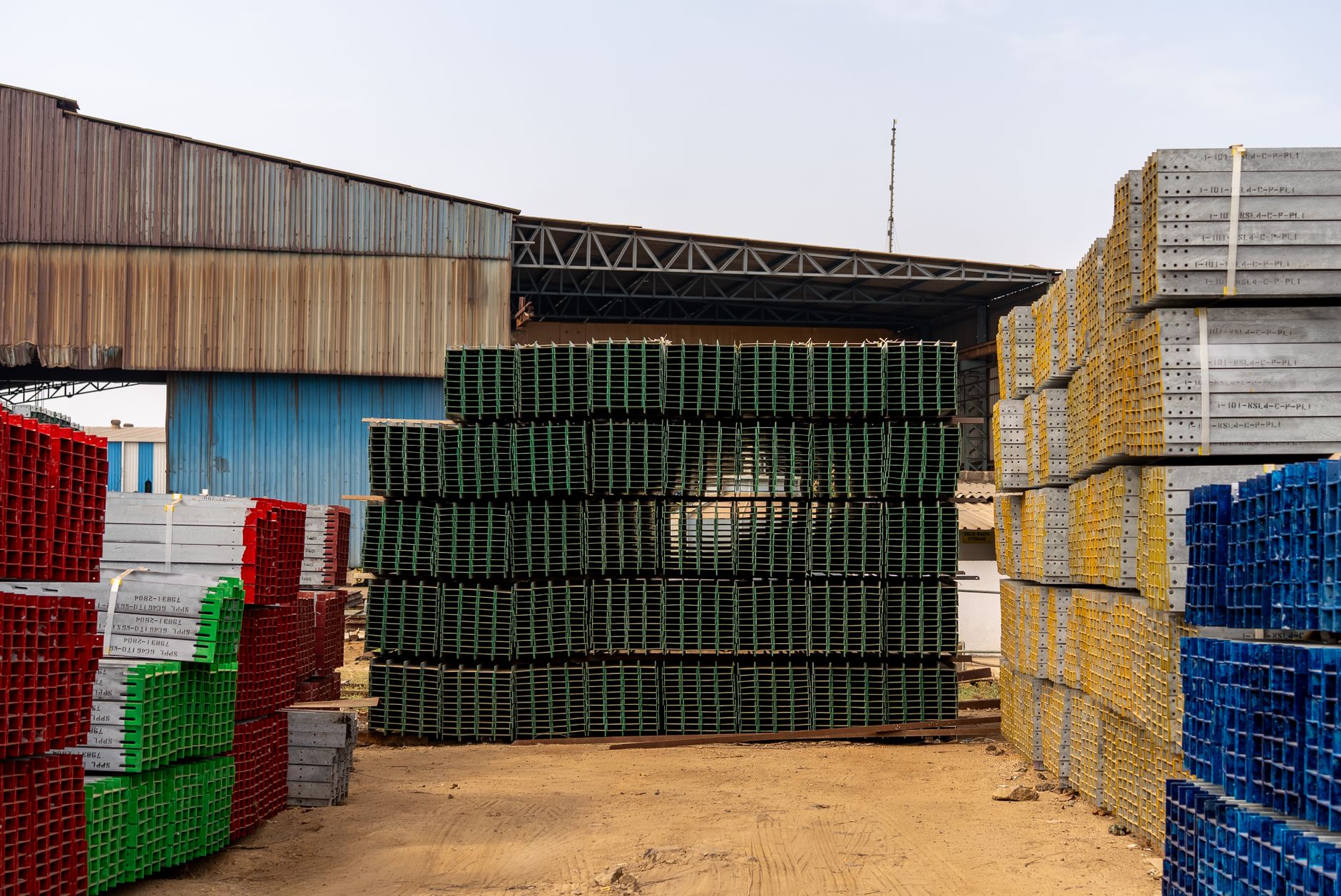
The value shows up where the calendar is tight. Storm work and reroofing season push high-volume product to the front of the building, and the moves that feed the counter and the trucks end up queued behind one another. A robot that runs those aisles on a set schedule keeps staging ahead of the next truck instead of behind it.
We are a US commercial robot integrator. We help you pick the right robot for your site, lease it through financing, deploy and integrate it, train your staff and service it nationwide. The payment comes in a quote after a free site assessment, so you can see what fits your floor before you decide anything.
What slows pallet moves at a roofing distributor during peak season?
Roofing product is heavy, bulky and hard to stack high, so every pallet move takes more attention than a box of parts. One material handler often covers several jobs at once. A posting for a roofing supplier lists forklift operation, delivery prep and staging, yard and warehouse upkeep, and truck loading and unloading in one role. When demand peaks, those tasks compete for the same people and the same aisles.
Staffing is the harder part. An industry staffing report names forklift operators among the hardest roles to fill, so a short crew cannot simply add operators to the floor. A trade publication's 2024 figures put annual fleet-operator turnover at 35% and 45% or higher, and say that rate has declined since but remains high. A distributor that trains an operator on its aisles in spring may lose that person before the next storm season.
The result is a familiar pattern. Moves stack up at the dock, staging falls behind the counter, and rushed shifts or overtime often fill the gap. Peak season reveals a weakness that was already there, which is dependence on a few people who know every aisle and route.
What are the main benefits for a roofing distributor?
The first benefit is steadier pallet throughput. A robot keeps the same pace late in a long shift, and it does not pause for a radio call during a truck unload. For a distributor, the practical result is that high-volume pallets reach staging before the counter needs them.
The second benefit is time for work that needs a person. Inspecting bundles for damage, sorting mixed loads, handling counter exceptions and coordinating with drivers all stay with your team. The robot takes the transit between racks, docks and lanes, so your operators spend less of the shift on the same route.
The third benefit is measurable productivity. In a 2022 vendor-reported study at a third-party logistics site in Las Vegas, an autonomous forklift produced a 33% productivity gain over electric pallet jacks over a four-week run. The same vendor reported a 64% reduction in human labor costs compared with forklifts. These are one vendor's figures from one site, so use them as a starting point for your site assessment rather than a forecast for your building.
How does the robot work day to day?
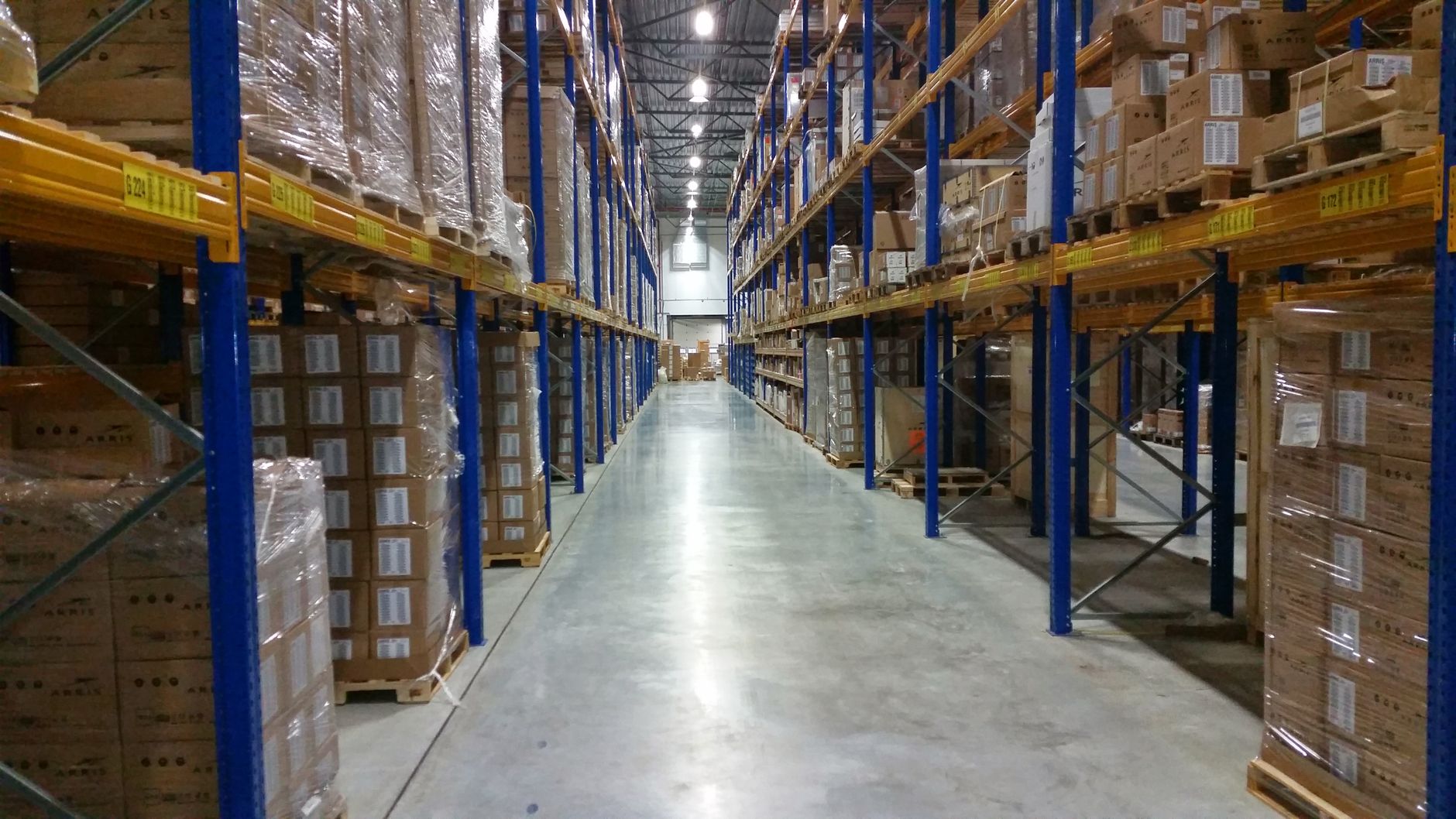
Every deployment starts with a site assessment and mapping. We map your aisles, docks, staging lanes and floor surfaces, then set the routes the robot will use. Route rules matter. A distributor with narrow aisles or uneven slab needs a different plan than one with wide, level lanes.
Once running, the robot takes its moves from a queue, either from your warehouse system or from a simple dispatch list set by a lead. It picks up a pallet, travels the mapped route, drops it at the assigned lane and returns for the next job. Peak season means more jobs in the queue, so dispatch rules matter as much as the hardware. A logistics company's infographic, which is vendor-reported, says one robot can save 3 to 4 hours of traveling time per 8-hour shift. That is a travel-time claim, not a measured result from your building.
Capacity can also grow per trip. A published customer case study of a large logistics operator reports that the system began moving up to eight pallets per trip. The number depends on the load, the lift and the route, so we confirm it during the assessment.
Which areas of a roofing distributor does the robot work in?
The robot works best where pallets move on repeatable routes, and a roofing building usually has several of them. Each area has its own rules for speed, load and clearance, so each one gets its own plan in the site assessment.
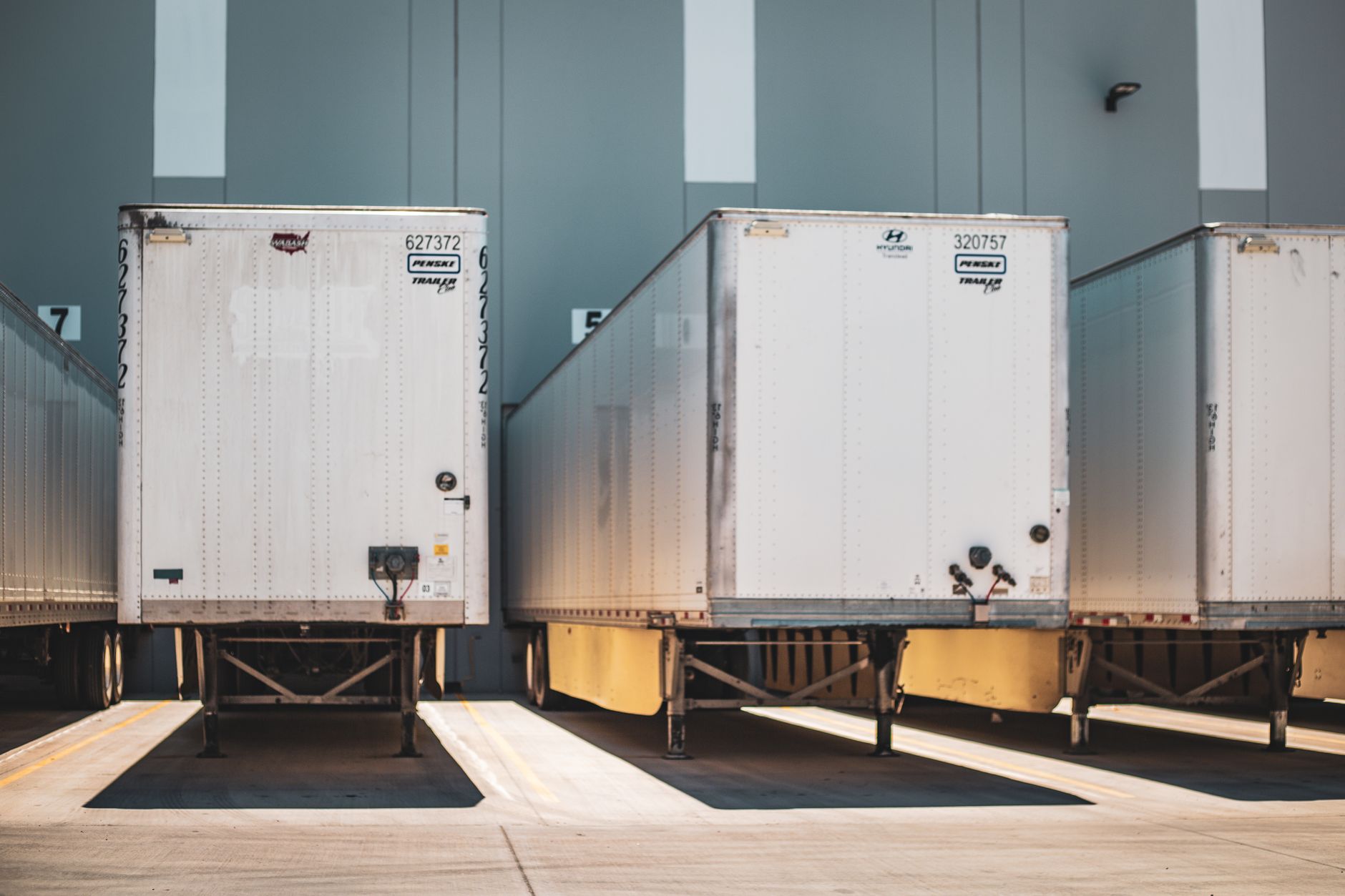
One forklift supplier's peak-season guidance advises keeping high-velocity pallets near the shipping area during busy periods, so the outbound lanes near your docks are a priority. The six zones below show where the robot tends to work in a roofing building.
The robot does not work everywhere. Outdoor yard areas, rough ground and zones with heavy mixed traffic need separate review before any plan is set.
How does the robot work alongside your existing crew?
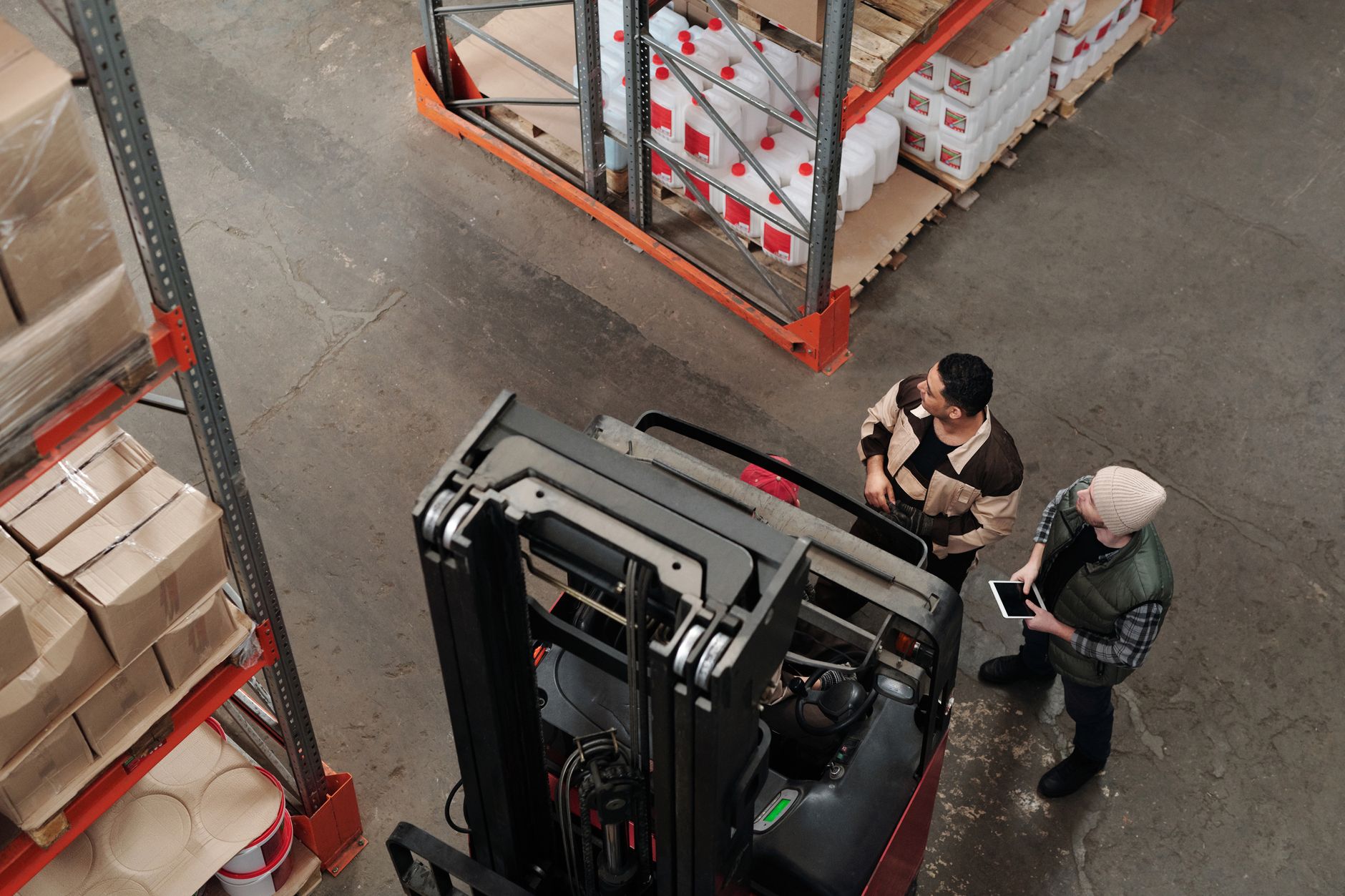
The robot is not a replacement for your crew. A robot plus a smaller team is the model we plan for, because roofing distributors need people for judgment, exceptions and customer work. The robot takes the repetitive transit between racks, docks and staging lanes.
Your operators shift from driving every move to supervising the fleet, clearing exceptions and handling the high-value tasks. Training covers the dispatch screen, the stop and resume steps, and what to do when a pallet shifts or a route is blocked. We train both shifts and leads, so no shift depends on one person who knows the system.
Because operators are hard to fill, this matters. The robot keeps pallets moving when a shift runs short, and your people spend their time on the tasks that need them most.
What drives the savings?
Savings come from three things: operator hours freed for other work, more pallets moved per shift and fewer moves stuck in a queue. Each one depends on your own numbers. The 3 to 4 hour range of travel time per 8-hour shift is a vendor's estimate for one robot, and your result depends on route length, move count and how many shifts run.
We size the range in the site assessment using your own move counts, shift patterns and aisle layout. We measure how many pallet moves happen each day, how far each one travels, and where operators wait for the next job. That shows where the hours sit and how many of them a robot could realistically return to your crew.
Treat any single figure as a starting point, not a promise. The published numbers come from vendors and one studied site, and a distributor with short routes will see a different result from one with long, congested runs.
What can an autonomous forklift not do?
It has limits, and you should know them before you plan. An autonomous forklift is a transport tool. It does not inspect, count or repair product, and it does not make the judgment calls that come with a shift.
- It does not decide which pallet to pull when stock is short or mislabeled.
- It needs clear, mapped aisles, and a blocked route stops the job until a person clears it.
- It does not work in every zone, especially rough outdoor yards or areas with heavy mixed traffic.
- It does not replace the people who manage the fleet, handle exceptions and talk to drivers.
How do you get started?
Start with a free site assessment. We walk the building, map the routes, count daily moves, note floor and dock conditions and review peak-season volumes. You get a written plan covering the zones and routes the robot would use, what staff training looks like and how the rollout would run.
The lease comes next. Robots are leased through financing, and the payment comes in a quote after the site assessment, so the number reflects your building and your move volume. Many operators start with one leased unit and a phased rollout that avoids shutting down the floor.
Deployment and integration follow. We install the robot, connect it to your dispatch, train your team and provide go-live support. After that, we service the robot nationwide, with on-site dispatch and remote triage for issues.
Frequently asked questions
Want an autonomous forklift at your roofing supply distributor?
Tell us about your site. We will recommend the robot, quote the lease, and keep it serviced.
Sources
- Trade publication on forklift operator turnover
- Warehouse staffing data site
- Industry staffing report on warehouse labor, 2025
- Vendor case study on autonomous forklift productivity
- Logistics company infographic on automated forklifts
- Customer case study of a large logistics operator
- Forklift supplier peak-season guidance
- Roofing supplier job posting for warehouse material handlers