
The short answer
Autonomous mobile robot ROI for sawmills comes from the repetitive lumber moves between the log yard, the mill and the dry sheds, which otherwise tie up loader operators. The savings range is built from the hours of laborers and freight, stock, and material movers, hand type of work the robot takes over, offset by a fixed lease cost, and it is a range rather than a promise. A precise figure comes from a free site assessment that times the moves on your own routes.
Key takeaways
- The return comes from repeated lumber moves between the yard, the mill and the dry sheds, not from a headcount cut.
- Hours in scope, the realistic share the robot covers and the fixed lease cost set the savings range.
- Routes that run more shifts on clear, smooth surfaces carry the largest offset.
- Sector employment is falling, with about 85,400 workers in sawmill and wood preservation in Q3 2025 according to an Indexbox summary of federal data.
- A free site assessment times the moves on your own floor before any lease quote is made.
Run the numbers for your site
Pick your city or state for a real regional number - we use the real BLS wage there. (On the live site this auto-detects from your location.)
What do you want to automate?
The robot takes the repetitive cart and pallet moves off the heaviest motion.
Autonomous mobile robot ROI for sawmills: where the return comes from
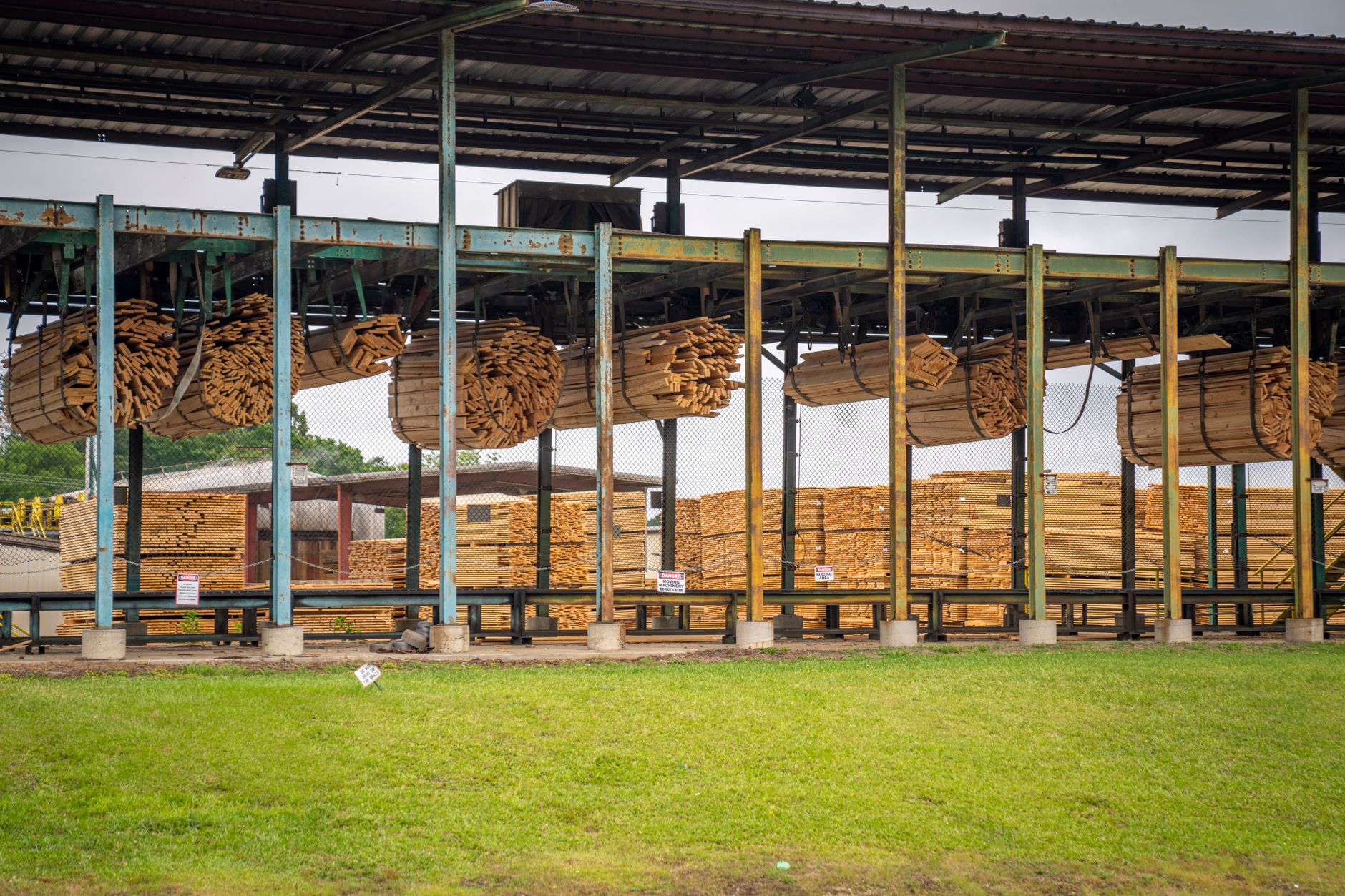
Autonomous mobile robot ROI for sawmills comes from one repetitive job: moving lumber packs and bins between the log yard, the mill and the dry sheds. Those moves are short, fixed and frequent. Today they usually fall to loader operators, who are then tied up on work a fixed route could handle. A robot that runs set routes between processing areas takes over that repeated haul, and the freed labor is what the savings range prices.
The return is rarely a headcount cut. The labor side is priced at the hours of laborers and freight, stock, and material movers, hand type of work the robot takes off the floor, valued at the local wage for this job in the government wage data panel on this page. Operators keep the work that needs judgment, such as yard sequencing and handling damaged loads, so only the repetitive legs count toward the offset.
The sector is large enough that small gains add up. According to Mewayz industry data for NAICS 321113, which draws on 2020 figures, there were about 2,693 establishments and 76,397 employees. A second aggregator reports slightly different totals, so read these counts as approximate.
Where does lumber hauling fit in a sawmill?
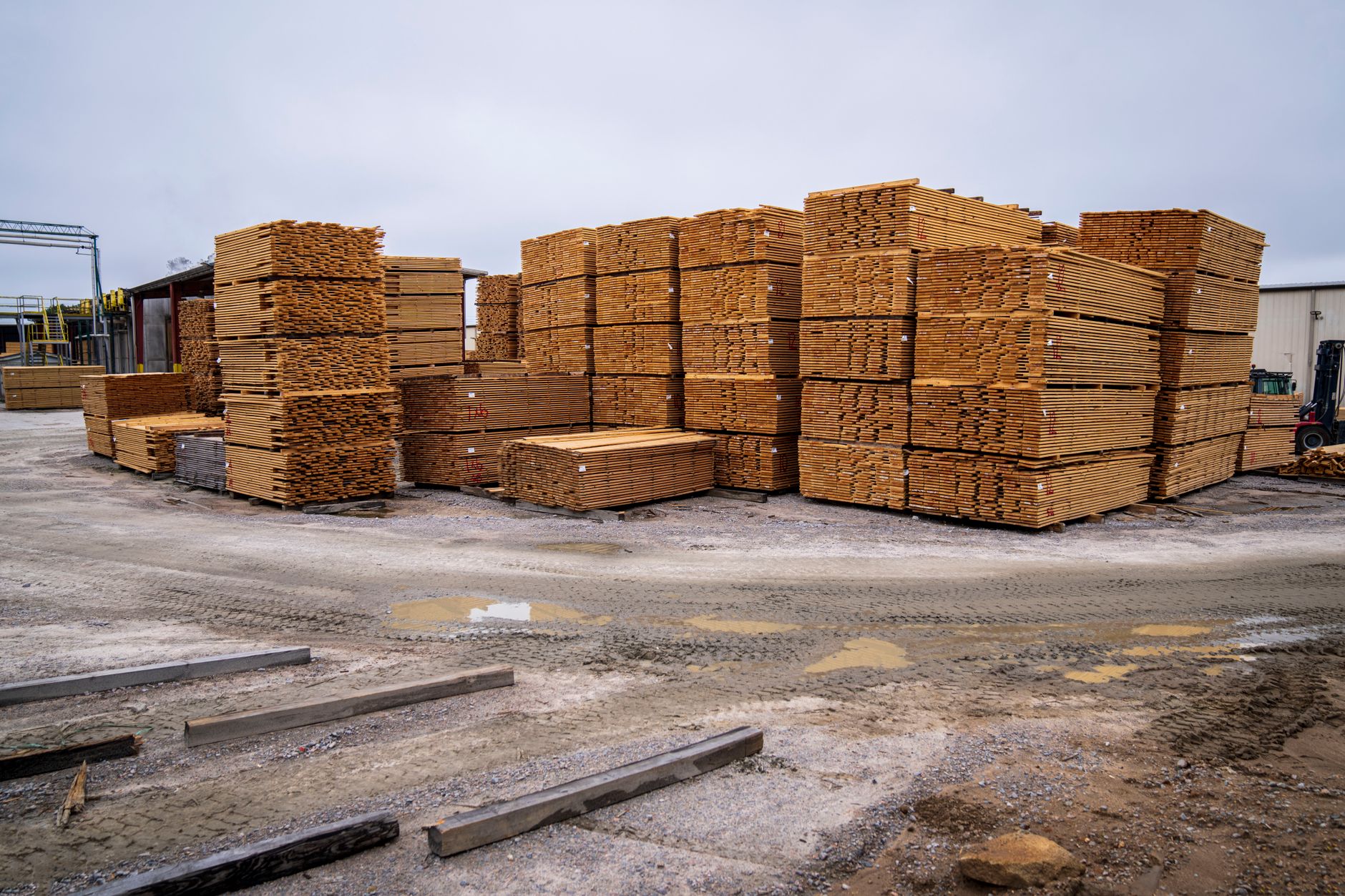
A sawmill's internal haul runs between a few kinds of space. Logs are staged in the yard and feed the mill. Sawn boards leave the mill as green lumber and need to reach drying or stacking areas. Finished packs then move from the dry sheds toward outbound staging. Each leg is short and often repeats many times in a shift, which is why it suits a fixed-route vehicle better than a loader sent on request every time.
Four facts decide whether a route is worth automating: the distance, the surface, the number of pickup and drop points, and how much other traffic crosses the path. A short, straight run between the mill exit and the dry sheds on a smooth surface is the easy case. A run over soft or uneven yard ground, with trucks and loaders crossing it all day, needs a survey before anyone promises a result.
Median hourly wage, Laborers and Freight, Stock, and Material Movers, Hand
$4,380
Monthly cost of one full-time worker, at the median wage plus payroll costs (an estimate, not a quote).
How does the autonomous mobile robot ROI math work?
The math has three parts: the labor hours the robot takes over, the share of those hours it realistically handles, and the lease cost. Start with hours. Count the repeatable moves on each route per shift, multiply by how long each move takes today, and you have the hauling hours in scope. Unscheduled hauls, work that needs a loader operator's judgment, and anything off the robot's path stay with people, so they do not count.
The second part is the realistic share. A robot seldom takes every move. On a well-planned loop it can cover most of the fixed legs, but staff still load and unload, clear obstacles and deal with exceptions. The savings range on this page applies a conservative and an optimistic share to the hours in scope, values those hours at the local wage for this job from the government wage data panel, and sets the result against the lease cost.
The lease cost is a fixed robot lease payment through financing, and the quote comes after a free site assessment. Because the cost does not move with hours worked, the hours in scope matter a great deal. A route that runs one shift a day and the same route run across three shifts give very different offsets against the same lease.
| Task | Today | With a robot |
|---|---|---|
| Mill exit to dry sheds, repeated pack moves | Not yet measured, timed during the site assessment | Robot runs the fixed route; staff load and unload |
| Dry sheds to stacking yard | Not yet measured, timed during the site assessment | Robot covers the repeat legs; operator handles exceptions |
| Planer output to bundling area | Not yet measured, timed during the site assessment | Robot takes the fixed leg; line staff keep bundling |
| Packs to outbound dock staging | Not yet measured, timed during the site assessment | Robot queues packs; loader handles truck loading |
| Loader time on short repetitive hauls | Not yet measured, timed during the site assessment | Freed for yard work and load sequencing |
The research for this page did not find published hauling hours for sawmills, so no today figure is stated here. Each figure is set during the free site assessment by timing the moves on your own routes.
Is a robot or a loader operator better for the haul?
The robot and the loader operator are not doing the same job. A robot runs the same route in the same order every shift, does not lose pace on a long run, and logs its own timing, which makes the haul measurable. A loader operator can see a shifted load, a wet pack or an unstable stack and make a call on the spot, which is something a robot is built to flag rather than resolve.
Compare them on your own routes before deciding. Where the work is a fixed loop with few surprises, the robot's consistency is the advantage. Where the job changes every hour, the operator still wins. A good plan usually splits the work rather than choosing one or the other.
- Route repeatability
Autonomous Mobile Robot
Same path and stop order on every run
Staff
Varies with the day's priorities
- Damaged or shifted loads
Autonomous Mobile Robot
Stops and alerts staff; does not diagnose the load
Staff
Assesses on the spot and decides what to do
- Working hours
Autonomous Mobile Robot
Runs scheduled shifts once the route is validated
Staff
Limited by crew schedules and breaks
- Yard flexibility
Autonomous Mobile Robot
Needs clear, mapped paths; poor with ad hoc detours
Staff
Adapts to blocked routes and new stacks
- Range of tasks
Autonomous Mobile Robot
Moves packs and bins along its route
Staff
Loads, stacks, sequences and handles exceptions
What does a sawmill shift look like with a robot?
A typical day starts with the robot's route checked against the shift plan. Packs are staged at the mill exit, the robot runs its loop between the exit, the dry sheds and staging, and staff load and unload at each stop. The shift lead watches exceptions rather than every move, and the loader operators spend their time on yard work and sequencing.
Charging and inspection happen between runs, scheduled so the route is not blocked for long. Keeping the path clear is a staff task, because a pack left in a lane will stop a route until someone moves it. The first weeks are the busiest, since crews learn which stops generate exceptions and the route gets adjusted.
How many sawmills are there, and what is the labor picture?
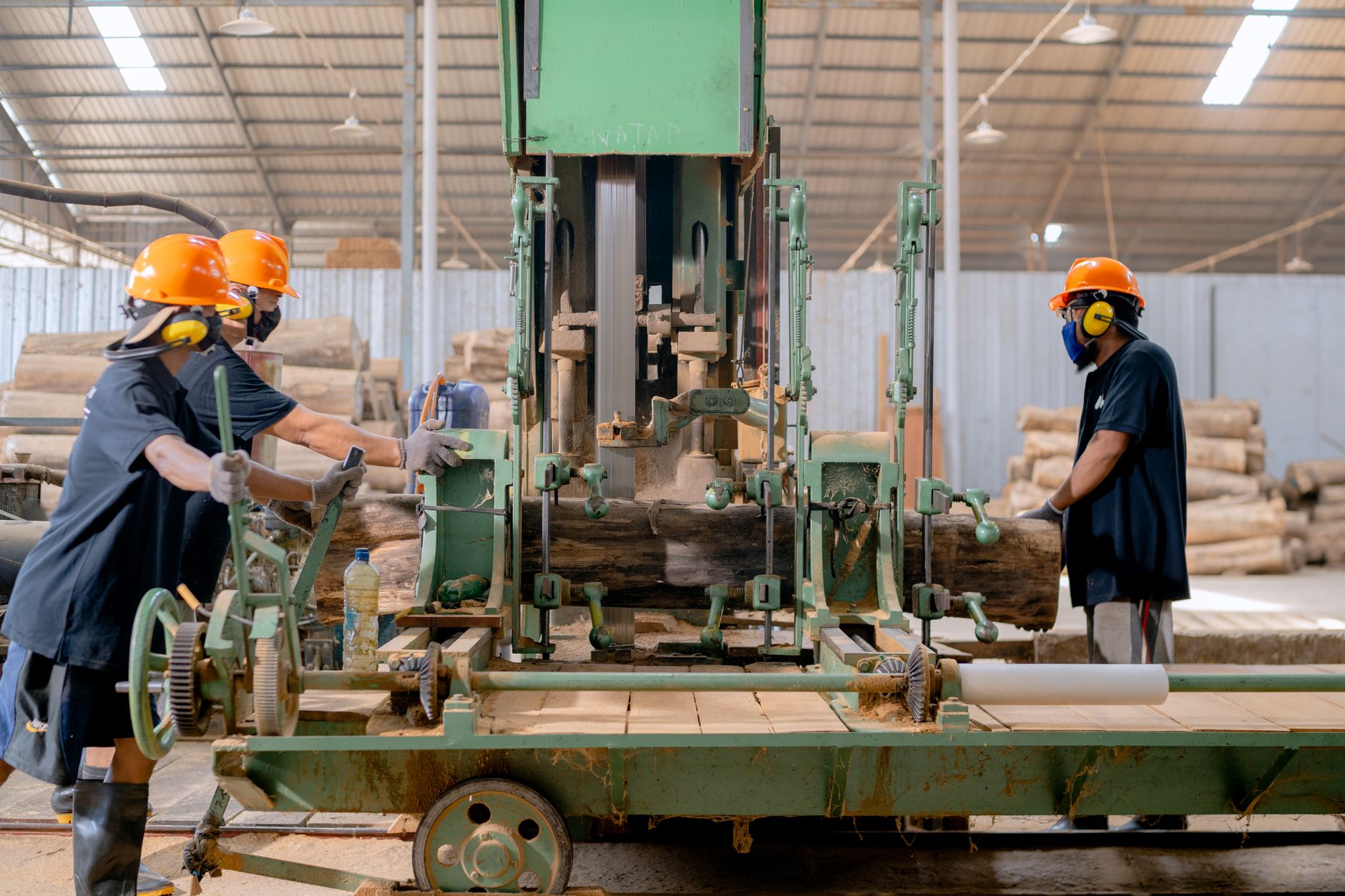
The sector is sizable but shrinking in staff. According to Mewayz industry data for NAICS 321113, drawing on 2020 figures, the sector had about 2,693 establishments and 76,397 employees. IBISWorld, a third party, estimates 2,504 businesses and 89,373 employees across US sawmills and wood production in 2025. The two sources measure slightly different scopes, so both counts are approximate.
Employment is falling. According to a summary of federal employment data published by Indexbox, about 85,400 workers were in sawmill and wood preservation in Q3 2025, the tenth straight quarterly decline and the lowest level since 2013. Dividing the aggregator's 76,397 employees by its 2,693 establishments gives an average of about 28 people per establishment, which is the typical headcount used on this page. That figure covers the whole workforce, not the hauling crew, which is smaller and varies by mill.
Skilled staffing is also getting harder. According to Timber Processing, Idaho Forest Group partnered with colleges to train 200 sawmill workers over two years and has trouble recruiting qualified electrical technicians. A Peerless Research Group survey of 217 robotics-involved professionals, published in January 2025, found that 32% plan to adopt warehouse robots within three years. That survey covers warehouses, not sawmills, so read it as a trend rather than a sawmill benchmark.
What changes the autonomous mobile robot ROI up or down?
Four levers move the number most: how many repeatable legs the route has, how many shifts it runs, the condition of the path, and how much of the freed loader time gets used. The checklist below lists what to confirm before deciding.
Safety belongs in the calculation, but carefully. According to the Bureau of Labor Statistics, wood product manufacturing recorded 29 fatalities in 2024, down from 34 in 2023. Logstead, a small-business safety blog citing 2024 BLS data, puts sawmills at a total recordable case rate of 4.2 per 100 FTE. Business Insurance, citing BLS, reports the private industry rate at 2.3 per 100 full-time workers in 2024, down from 2.4 in 2023. The bases differ slightly and the blog is secondary, so treat the sawmill rate as a reason to examine manual hauling, not as a savings figure.
What are the risks to the return, and how do you avoid them?
The main risks are low use, unmapped routes and untrained staff. A route that runs only part of a shift, or a path that changes every week, will not reach the hours in scope. Start with one route and measure it before adding more. A pilot on one leg of the haul shows the real share of work the robot covers, which is worth more than any industry average.
Downtime is a risk too, and it should be planned for rather than hoped away. We lease, deploy and integrate the robot, train your staff and service it nationwide. Service covers on-site dispatch, remote triage and spare unit coverage, which keeps the haul moving while a unit is out. Ask for those terms in writing before signing.
How long until payback, and how do you get a precise figure?
Payback follows a sequence, and the sequence sets the timeline. The site assessment comes first: we map the routes, time the moves on your floor and test the surfaces. Next come route design, equipment selection for the mill, integration with your processes and staff training. Go-live support covers the first weeks, when crews learn which stops produce exceptions and the route is tuned.
Payback arrives once the freed loader hours are in steady use and the route runs its planned shifts. The exact length depends on how many routes are automated, how many shifts they run and how quickly crews adopt the new flow, so no timeline is printed here. A free site assessment gives a figure based on your own routes rather than an industry average.
The assessment ends with a lease quote through financing. The savings range is rebuilt from the measured hours, the realistic share and the local wage for this job from the government wage data panel. Savings are ranges, not promises, and the figure is only as good as the timed moves behind it.
Frequently asked questions
Want a warehouse robot at your sawmill?
Tell us about your site. We will recommend the robot, quote the lease, and keep it serviced.
Sources
- US Bureau of Labor Statistics, Occupational Employment and Wage Statistics (OEWS May 2024)
- Mewayz industry data, NAICS 321113 sawmills
- IBISWorld, US sawmills and wood production businesses and employees
- Indexbox summary of federal employment data, sawmill and wood preservation
- Bureau of Labor Statistics, Industry at a Glance, wood product manufacturing
- Business Insurance, BLS work injury data for 2024
- Logstead, sawmill injury rates from 2024 BLS data (small-business safety blog)
- Materials Handling 24/7, Peerless Research Group warehouse robotics survey, January 2025
- Timber Processing, Idaho sawmill workforce training