
The short answer
Autonomous mobile robot ROI for cold storage warehouses comes mainly from fewer staff hours spent walking freezer aisles and docks, because a robot carries totes and pallets on fixed routes that repeat all shift. The savings range is the hours of laborers and freight, stock, and material movers, hand work the robot takes over, less the lease payment, so it moves with how much of the route the robot actually runs. Your own figure comes from a free site assessment, since no two freezers share the same layout, temperature zones, or dock schedule.
Key takeaways
- The return comes from repeat freezer travel that a fixed route takes over, not from headcount cuts.
- The savings range is the labor hours offset less the lease payment, and it narrows after a site assessment.
- Cold affects batteries, wheel grip and wireless signal, so confirm the rated range for your coldest zone.
- The share of travel a robot can take is the input most worth testing before you commit.
- Payback timing follows the measured pilot, not a calendar date.
Run the numbers for your site
Pick your city or state for a real regional number - we use the real BLS wage there. (On the live site this auto-detects from your location.)
What do you want to automate?
The robot takes the repetitive cart and pallet moves off the heaviest motion.
Autonomous mobile robot ROI for cold storage warehouses: what return to expect
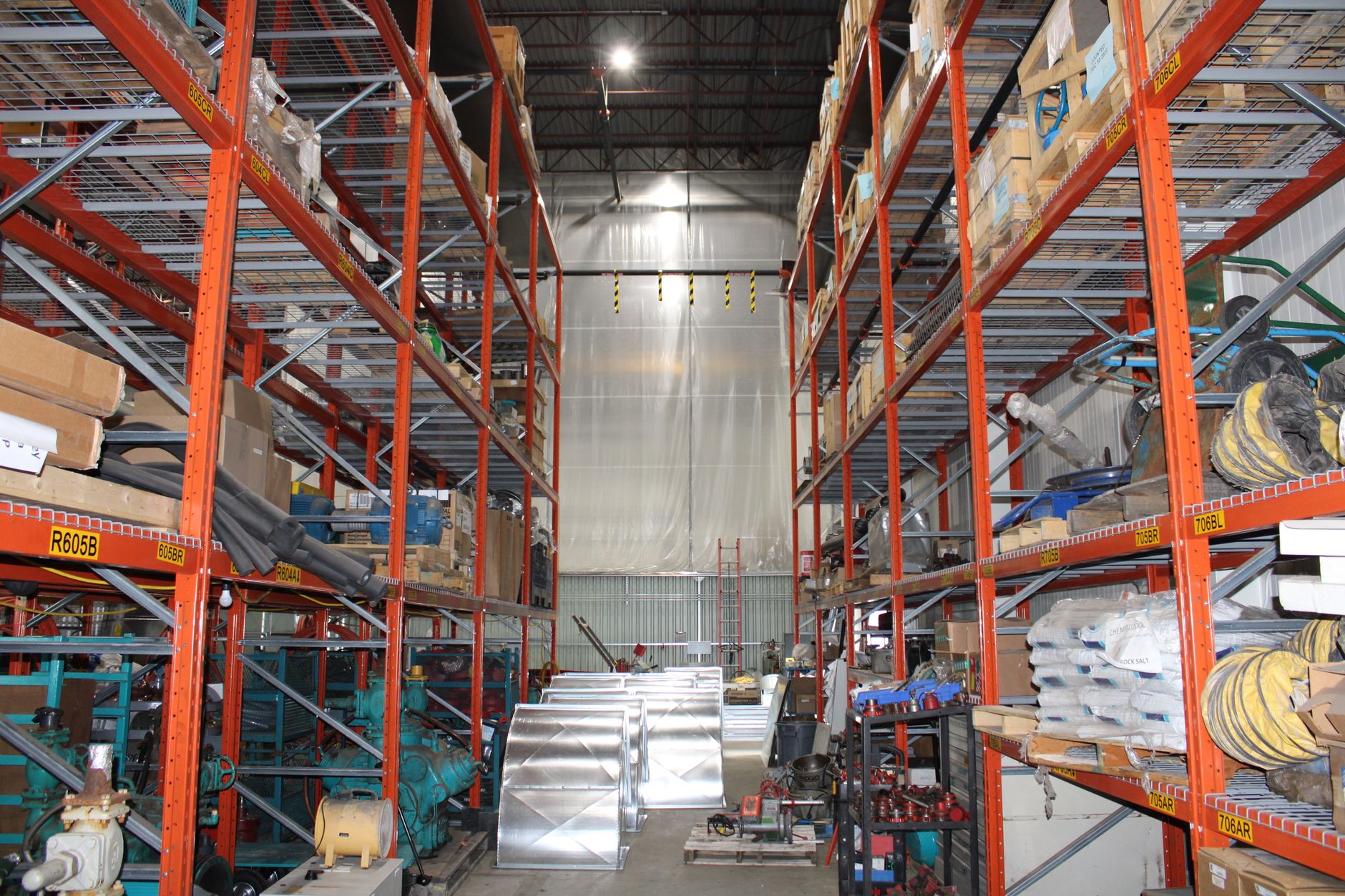
A cold storage warehouse earns its keep by moving product quickly and keeping it at temperature. Much of the crew's shift goes to walking, between freezer zones, out to staging lanes, and back to the dock doors, often in layered clothing that slows every step. An autonomous mobile robot takes over part of that repeat travel. The return shows up as staff hours that move to other work, which is different from a headcount cut that shows up overnight.
Realistic return depends on three inputs: how many hours of repeat travel the floor really produces, what share of that travel a robot can take on fixed routes, and the lease cost measured against those hours. We do not promise a payback period. The calculator on this page is pre-filled for this kind of building and produces a savings range, and your site assessment narrows that range to your floor.
We are a US commercial robot integrator. We pick the robot for the site, arrange the lease through financing, deploy and integrate it, train the crew, and service it nationwide. Most of the return questions in this guide can only be answered after we have walked your building, which is why the assessment comes first.
How many cold storage warehouses are there in the US?
The USDA's latest refrigerated warehouse survey, published in October 2025, counts 931 refrigerated warehouses in the United States, up from 900 in 2023. According to the same release, public refrigerated warehouses hold 2.46 billion gross cubic feet, which is 62 percent of total capacity. Those figures describe market size, and they explain why one operator's freezer routes can look very different from the next building's.
Usable space runs about 82 percent of gross space, so the storage area you can actually fill is smaller than the building volume suggests. The survey measures in cubic feet, not square feet, which matters when a floor area figure is quoted without its unit. Use usable area from your own drawings when you size a fleet, and convert any volume figure before comparing sites.
Adoption is still early in general warehousing. The Peerless Research Group 2025 Industry Outlook survey of 110 respondents, sent in December 2024, found that about 10 percent of companies use AGVs or AMRs, and 30 percent expect to evaluate them within one to two years. That survey covers warehouses broadly, not cold storage specifically, so read it as a sign of where the market is heading rather than a cold storage benchmark.
Median hourly wage, Laborers and Freight, Stock, and Material Movers, Hand
$4,380
Monthly cost of one full-time worker, at the median wage plus payroll costs (an estimate, not a quote).
Where does the return come from in a freezer operation?
Most of the return comes from laborers and freight, stock, and material movers, hand work: pulling totes from freezer aisles, staging pallets near the dock, and moving product between zones. The Bureau of Labor Statistics projects 4 percent growth for the hand laborers and material movers group from 2023 to 2033, about 283,200 new jobs, and most workers in that group are full time. That is the broader group rather than the occupation this page prices, but it shows how much of the workforce does this kind of travel.
Cold work carries real injury exposure. According to secondary summaries of Bureau of Labor Statistics survey data, warehousing and storage recorded a total recordable case rate of 4.8 per 100 full-time workers in 2024, against about 2.3 for all private industry. The same summaries report 32 fatal injuries in warehousing and storage in 2024, against 28 in 2023. These figures cover warehousing broadly, so they show the stakes rather than a freezer-specific rate.
A NIOSH health hazard evaluation of an airline catering cold room kept at 40 degrees Fahrenheit, reported in the Journal of Occupational and Environmental Hygiene, found drafts, poor glove use, and limited worker knowledge of cold stress. It recommended reducing drafts and condensation and training staff on cold stress symptoms. That study covered a cold room rather than a freezer, but the recommendations apply to any repeat trip through cold air.
How does the savings math work?
The model begins with hours. Take the weekly hours that laborers and freight, stock, and material movers, hand workers spend on repeat travel in cold zones, multiply by the share a robot can realistically take on fixed routes, and the result is the labor hours offset. The government wage data on this page prices those hours for this job. The savings range is that offset, less the lease payment, shown as a band rather than a single figure.
The share is the input most worth testing, because it moves the answer more than any other. A route that runs straight from the pick aisle to the dock is easy to model. Work that needs judgment, exception handling, or manual loading does not move to a robot at all, so it stays in the labor number. Realistic models assume the robot takes a portion of the travel, not all of it.
For the example on this page we assume 10 laborers at one site. We did not find a verified per-site headcount for this job, so treat that count as a planning assumption rather than a published figure. Change it to your actual count, and the offset and the savings range move with it.
What changes the number up or down?
Four things move the range most: the hours of repeat travel the route removes from the shift, how cold and wet the zones are, how many robots the route needs, and the length of the lease. A busier route with clear paths and few doors usually gives a larger offset than a split site with many doors and frequent exceptions.
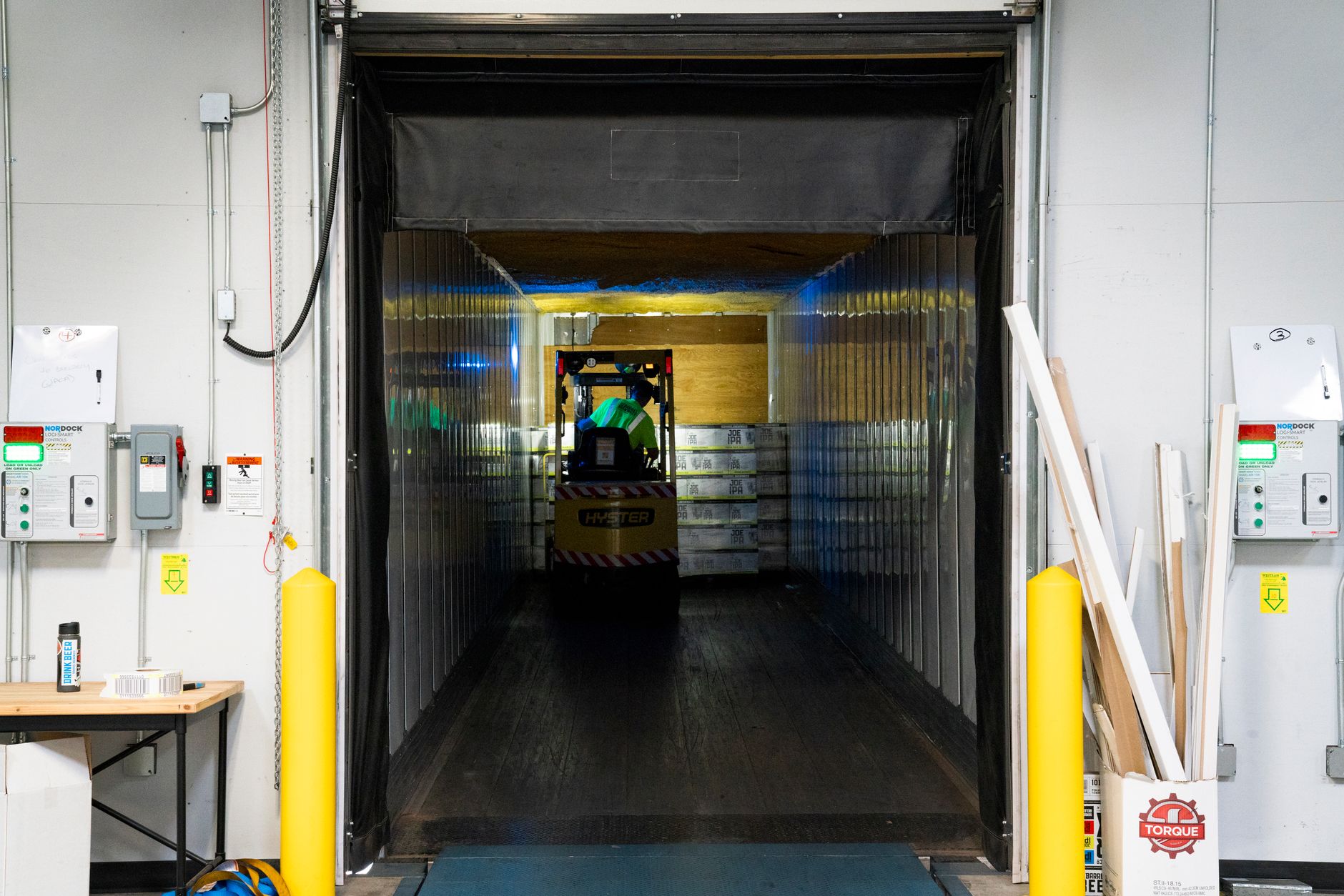
Floor layout sets route length. Long aisles with one dock create more travel for the robot to take, while a building with short runs between zones gives less. A spare unit for uptime lowers net savings because it adds lease cost. A single unit pilot gives a smaller offset but a faster read on the route before you commit to more units. A route with one freezer zone and one dock is simple to test with a single unit, while a site with several zones and more than one dock usually needs a fleet plan and a charging schedule set before go live.
Labor conditions matter too. If your crew already struggles to fill freezer shifts, hours taken off travel become more valuable, because those hours are harder to staff. The assessment records shift fill rates so the model reflects what you actually face.
What are the risks to the return and how do you avoid them?
The biggest risk is a robot that spends its shift idle or waiting. Idle time comes from routes built on an unmeasured floor, doors that do not open on schedule, and exceptions nobody planned for. Map the site, measure actual travel, and fix the route only after the first weeks confirm the path under real loads.
Cold is the second risk. Condensation can wet floors and sensors at the transition from freezer to staging, frost can reduce wheel grip, and batteries lose capacity at low temperatures. The NIOSH-linked evaluation recommended reducing drafts and condensation, which works as a planning principle for the robot's transition points as well as for people. Ask for the temperature rating in writing and confirm the battery plan for your coldest zone.
The third risk is connectivity. Freezer walls and metal racking can block wireless signal, which can stop a route mid-shift. Mapping should include signal checks in every zone, not only the open areas. Finally, budget for crew training. Workers who understand how the robot moves in a cold aisle are less likely to block its path or leave a pallet in its way.
How does a robot shift run alongside staff?
A freezer robot does not replace the crew. It takes the same repeat trip over and over, while people handle loading, exceptions, and inspections. The shift runs around two points of contact: the robot's fixed route, and the stop where product changes hands between the robot and staff.
Read the labor hours saved as hours moved, not hours removed. Staff time that used to go to walking freezer aisles can go to staging, quality checks, or the peak load. The government wage data on this page matters here, because it values those hours on the same basis as the work they replace.
What is a realistic timeline from assessment to payback?
A typical path starts with a free site assessment, then a mapping and layout review, a pilot on one route, and a go live period that adds routes one at a time. Each stage has a clear output: a measured hours baseline, a route plan, a tested pilot, and a trained crew.
Payback for autonomous mobile robot ROI for cold storage warehouses depends more on how quickly the pilot proves its hours than on any calendar date. Staff training, dock timing, and the first weeks of exception handling tend to decide whether the early estimate holds. A route that runs cleanly early can be expanded sooner than one that needs repeated changes. Ask for the pilot's measured hours in writing at each review, so the expansion decision rests on recorded travel and not on the first impression of the crew.
We do not set a payback date before the pilot shows the route in your building. Treat any timeline offered before measurement as an estimate, and ask what it assumes about the share of travel the robot takes.
How do you get a precise figure from a free site assessment?
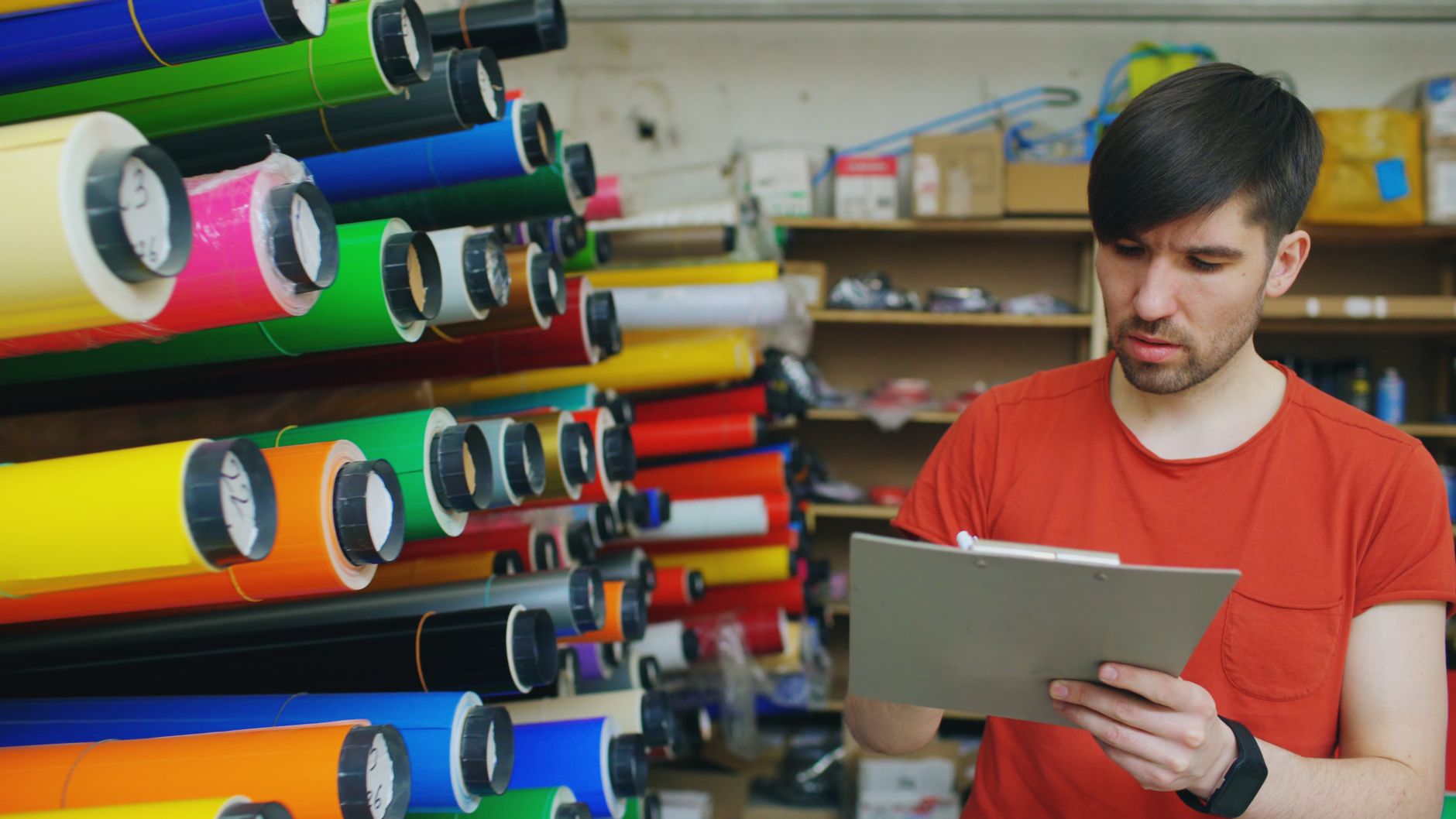
The assessment measures what this page can only estimate: actual travel distance per shift, time spent in each freezer zone, dock door timing, staffing by shift, and the temperature range in each zone. We map the site, test signal coverage in every area, and check the robot's rating against your coldest zone.
Bring the last several weeks of shift records, the floor plan with usable area, the list of zones and dock doors, and current staffing by shift. These inputs narrow the savings range from the estimate on this page to one tied to your building, and they let the calculator run on your numbers rather than ours.
After the assessment you receive a lease quote, a fixed robot lease payment with service included, and a go live plan. The quote follows the assessment, so the number reflects your floor, your zones, and your crew rather than a generic example.
Frequently asked questions
Want a warehouse robot at your cold storage warehouse?
Tell us about your site. We will recommend the robot, quote the lease, and keep it serviced.
Sources
- US Bureau of Labor Statistics, Occupational Employment and Wage Statistics (OEWS May 2024)
- USDA refrigerated warehouse survey (October 2025)
- Voxel AI distribution center safety statistics (secondary summaries of BLS SOII data)
- BLS Occupational Outlook Handbook, hand laborers and material movers
- BLS JOLTS layoffs and discharges series via FRED
- JOLTS hires rate via YCharts
- Peerless Research Group 2025 Industry Outlook via Supply Chain 247
- NIOSH case study on cold environments, Journal of Occupational and Environmental Hygiene