
The short answer
An autonomous mobile robot in a Baton Rouge facility returns money by taking over hours of repetitive transport and floor work that would otherwise be scheduled as labor, less the fixed cost of the lease. Savings are a range, not a promise, and the range moves with the share of that work the robot realistically takes and the number of shifts it covers. A free site assessment measures those hours on your floor and turns the range into a lease quote and a payback estimate.
Key takeaways
- The return comes from labor hours the robot takes over, not from a single headcount cut.
- Hours are priced at the local wage for laborers and freight, stock, and material movers, hand, shown on this page.
- The realistic share of the work sets the number more than any headline capability.
- Payback depends on shift coverage, route regularity, service response, and lease term.
- A free site assessment turns this range into a lease quote for your building.
Run the numbers for your site
Auto-detected from your location - we use the real BLS wage here. Not right? Pick your city or state above.
What do you want to automate?
The robot takes the repetitive cart and pallet moves off the heaviest motion.
How much return can a Baton Rouge business expect from an autonomous mobile robot?
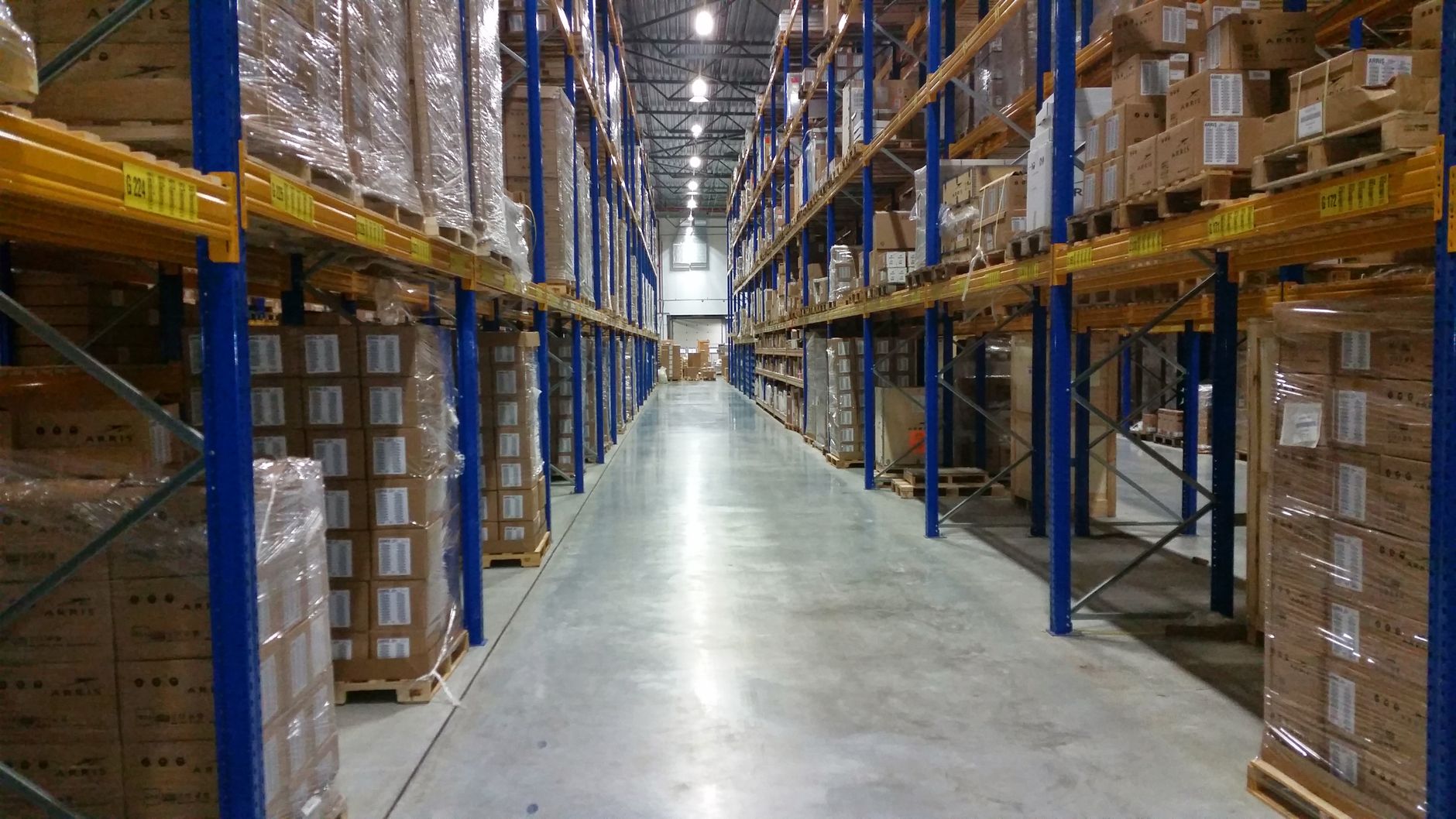
The honest answer is a range. Autonomous mobile robot ROI in Baton Rouge depends on your floor, your shift pattern, and the share of repetitive work you can hand to a machine. The same unit can return a lot in a warehouse running two or three shifts and very little in a building that needs floor care for only a few hours a day. This page explains where the return comes from, how the math works, what moves it, and how to get a figure you can sign off on.
The savings are priced on the wage for laborers and freight, stock, and material movers, hand, because that is the kind of work the robot takes off the floor. The government wage data for this job is shown in the panel beside this text, and the calculator on this page uses it with the hours you enter. Other roles on site are not priced here. The robot takes the laborer type of work off their plate, and it does not replace their judgment.
Where does the return come from in a Baton Rouge facility?
The return comes from labor hours: time spent moving pallets, carts, and totes along the same routes, or sweeping and scrubbing the same aisles on a fixed schedule. A robot rarely removes a job in one step. It takes a share of that scheduled time, and the saving shows up as hours removed from the schedule, hours that stop being used for overtime, or hours redirected to tasks that need a person.
Local employment context helps set expectations. According to the BLS release for the Baton Rouge metro, food preparation and serving made up 8.5 percent of employment, and office and administrative support was the largest group at 11.2 percent. A Baton Rouge business news report, citing Louisiana Workforce Commission figures, says the metro added 4,900 jobs over the year to June 2025. Job growth of that size means employers are recruiting, and every open shift carries a cost that is easy to miss on a spreadsheet.
We did not find a published count of the people who do this work at one typical site, so the crew size that matters is the one counted during your assessment.
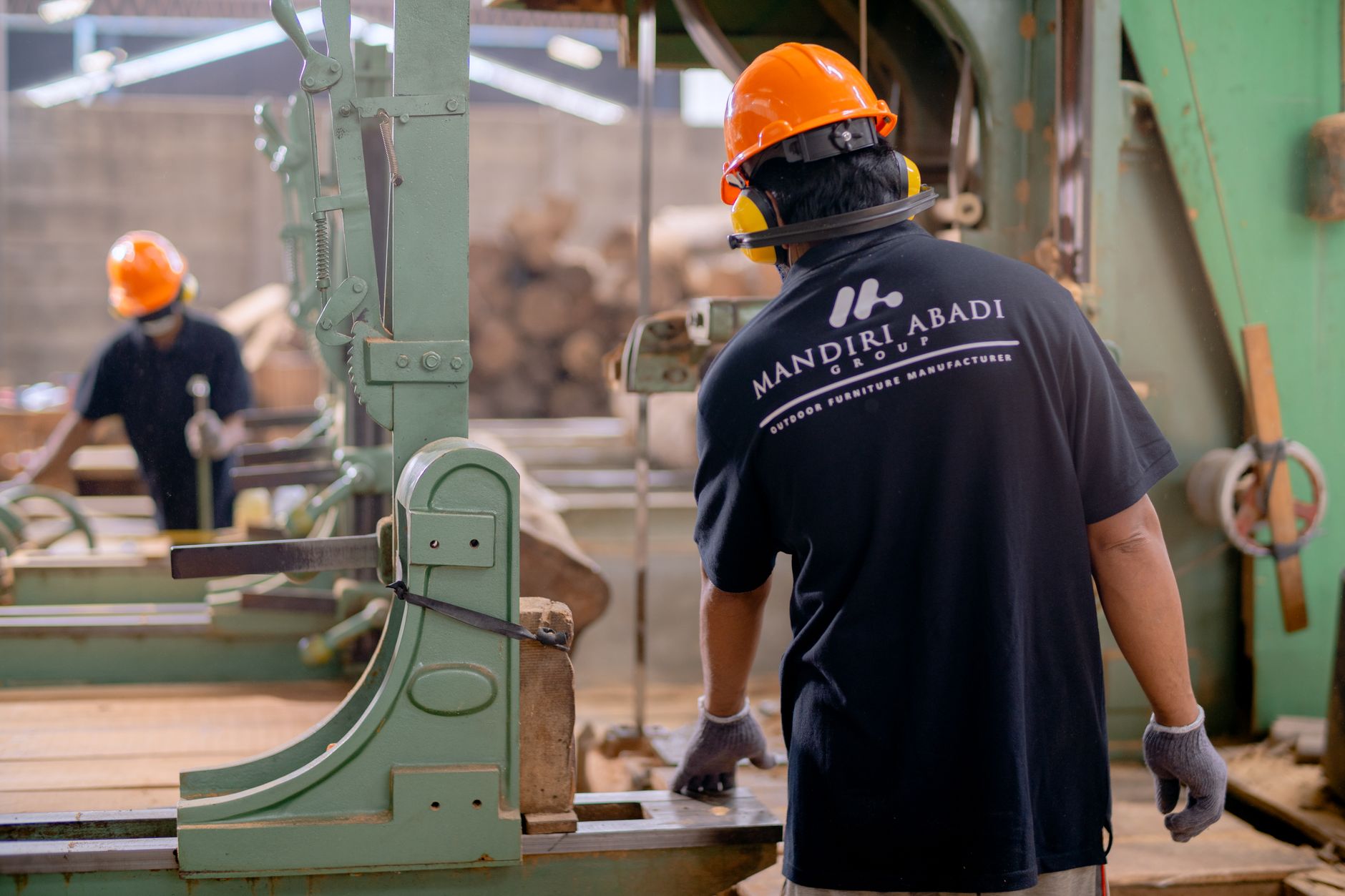
Median hourly wage, Laborers and Freight, Stock, and Material Movers, Hand
$3,997
Monthly cost of one full-time worker in Baton Rouge, LA, at the median wage plus payroll costs (an estimate, not a quote).
How does the savings math work?
Start with hours. Take the hours per week spent on one repetitive transport or floor task, multiply by the share a robot can realistically take, and then multiply by the local wage for laborers and freight, stock, and material movers, hand. The product is the gross labor value of the work the robot takes over, and it is the number most people ask about first.
Subtract the lease cost next. The lease is a fixed lease payment set through financing, and it is quoted after a site assessment rather than estimated from a list. Subtract any staff time for supervision, integration, and exception handling that the robot still needs. What remains for each period is the net return. Divide any upfront deployment cost by that net return to estimate payback in periods.
Count only the hours that match the robot's kind of work. A robot that takes half of a cleaning round saves half that round, not the whole round. The hours table below shows how to list each task and separate what is taken from what stays with people.
- Overnight coverage
Autonomous Mobile Robot
Runs scheduled routes without an operator on the floor
Staff
Needs a scheduled crew and supervision on site
- Pace over a long shift
Autonomous Mobile Robot
Holds a steady route pace with no fatigue
Staff
Pace drops over long shifts and breaks
- Unusual loads and spills
Autonomous Mobile Robot
Stops or waits for a person; limited judgment
Staff
Handles the exception and decides what to do
- Layout changes
Autonomous Mobile Robot
Needs remapping before a route changes
Staff
Adapts to a new route on the day
- Absence and turnover
Autonomous Mobile Robot
Not affected by staff turnover, but needs service visits
Staff
Turnover means finding, hiring, and training replacements
- Downtime
Autonomous Mobile Robot
Stops when blocked or when a unit needs service
Staff
Can keep working through a minor problem
What changes the number up or down?
Several inputs move the return more than the robot's specifications do. The largest are shift count, the share of regular work, and how cleanly the floor is kept between tasks. Turnover matters as well. A staffing research note, citing BLS JOLTS data, puts annual turnover in warehousing and fulfillment at 35 to 49 percent, though it is a staffing site rather than BLS, so treat it as indicative. The same note says quits in transportation, warehousing, and utilities averaged 2.2 percent a month in 2025, against 2.0 percent for total nonfarm.
Lease term, service response, and downtime also matter. A short stop is cheap, but long idle time erodes the return. A lease that runs well past the period when the route stays the same can end up paying for work the site no longer needs.
What are the risks to the return, and how do you avoid them?
The most common risk is overestimating the share of work the robot takes. A plan that assumes the robot takes the whole task and people are fully released inflates the return, and staff end up doing the leftover work without any schedule change. Build the estimate from timed routes, not from a general claim about capability.
The second risk is downtime. A robot that stops on the floor or waits for a service visit offsets no labor. Ask how dispatch works, how remote triage responds, and what happens when a unit needs parts. We service robots nationwide, including on-site dispatch and remote triage, so downtime is planned for rather than assumed away.
The third risk is a lease that does not match the work. Match the term to how long the route stays the same, and start with one unit before scaling, so the main assumption is tested on your floor before it is multiplied across a fleet.
Are robots safe around people, and what do injury rates show?
Warehousing and transport carry real injury risk, which is one reason sites look at robots. According to the BLS workplace injury document for 2023, total private industry recorded 4.5 cases per 100 full time workers. A vendor summary of 2024 figures puts warehousing at 4.8 total recordable cases per 100 full time workers, with a DART rate of 4.1, and reports 32 fatal injuries in warehousing and storage in 2024, up from 28 in 2023. The years differ and the source is not BLS, so use these as context, not as a precise comparison.
A robot reduces exposure only where it takes a task that people would otherwise do in traffic or under heavy loads. It does not remove the need for safety rules. Plan for marked routes, floor markings, emergency stops, and a short training step for staff who work near the route.
How long does it take from assessment to payback?
A typical path runs in phases: a site assessment with floor mapping and timed routes, a written lease quote, a phased deployment starting with one unit, integration and staff training, then a go live period in which hours are measured. Payback is counted from the point the robot works reliably, not from the signing date.
Timing depends on floor readiness, integration with doors, elevators or dock plates, and how quickly the site can release space for the robot. A single unit on a mapped route moves faster than a fleet across a multi building campus. Your assessment should return a timeline that names each phase and who owns it, so the schedule can be checked against what actually happens.
Once the robot runs, check payback against measured hours rather than the first estimate. Review after a stable period of operation and again after a full quarter. If the measured share is lower than assumed, adjust the routes or the shift plan before deciding the case is closed.
How do I get a precise figure from a free site assessment?
The free site assessment replaces the range on this page with a figure for your building. We map the floor, time the existing routes, count shifts and open hours, and check the doors, lifts, and dock plates the robot must pass. From that we recommend the robot that fits the site and quote the lease payment through financing.
We pick the right robot for the site, lease it through financing, deploy and integrate it, train the staff who work with it, and service it nationwide. The lease payment is quoted after the assessment, so the number reflects your floor rather than an average. Bring your shift schedule, your list of repetitive tasks, and any turnover or open shift records you already keep.
Use the calculator on this page with your own hours before the assessment to see where the range falls. Then compare the measured figure with that range, and ask us to explain any gap. A range that is honest about its assumptions is more useful than a single number that is not.
Frequently asked questions
Put a robot to work in Baton Rouge.
We walk your site, learn the job, and recommend the unit that fits. Then we quote the lease, deploy it, and keep it serviced.
Sources
- US Bureau of Labor Statistics, Occupational Employment and Wage Statistics (OEWS May 2024)
- BLS occupational employment and wages, Baton Rouge metro
- BLS Occupational Outlook Handbook, hand laborers and material movers
- BLS Occupational Outlook Handbook, janitors and building cleaners
- BLS workplace injury and illness document, 2023
- Distribution center safety statistics, industry insights page
- Warehouse robotics adoption survey, January 2025
- Warehouse and fulfillment staffing cost note, 2026
- Baton Rouge business news report on metro jobs