
The short answer
Cleaning robot ROI for veterinary clinics comes mainly from floor work that staff would otherwise do after closing, such as scrubbing exam rooms, kennel runs and waiting areas. The return is a savings range, set by how many of those labor hours the robot completes unattended, the fixed robot lease payment quoted after a site assessment, and the staff time still needed for setup and checks. A free site assessment turns that range into a precise figure for your floors.
Key takeaways
- Most of the return comes from floor hours moved to after closing, not from cutting staff.
- The labor side is priced on janitor and building cleaner work, using the government wage data on this page.
- Clinics run lean support teams, so every hour returned to the schedule carries more weight.
- Clutter and unready floors are the most common reason a return falls short, and both are fixable before go live.
- A free site assessment sets the range for your building. No savings figure is promised in advance.
Run the numbers for your site
Pick your city or state for a real regional number - we use the real BLS wage there. (On the live site this auto-detects from your location.)
What do you want to automate?
The robot runs the open floor overnight; your crew keeps detail and edges.
How much cleaning robot ROI can a veterinary clinic expect?
The honest answer is a savings range, and it is set by the floors of one clinic rather than by the category as a whole. Veterinary care in the United States runs on a large base of small sites. According to PupPilot, citing the US Census Bureau as reported in AVMA's 2025 economic report, there were about 34,000 US veterinary establishments in 2022, up roughly 18.5% since 2009.
Counts shift with method and year. According to pets.care, citing AVMA's 2017 market report, practices then numbered between 28,000 and 32,000. Commercial data vendors often count retail, mobile and urgent care sites as well, so their totals do not compare cleanly with AVMA's practice figures. For a buyer, the useful number is the one on your own floor plan.
Where does the return come from in a veterinary clinic?
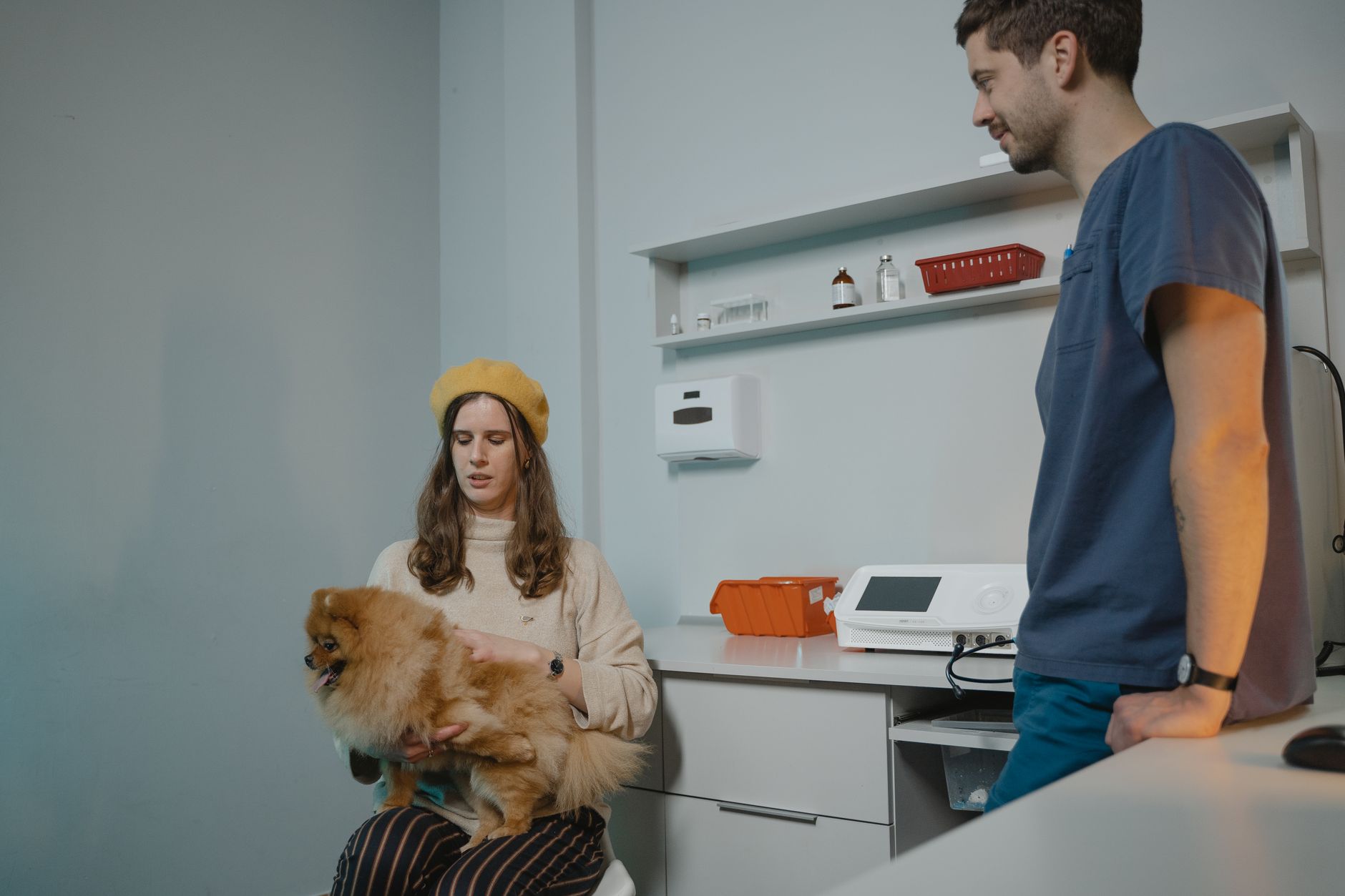
The return comes from floor work that happens when the building is quiet. Exam rooms, kennel runs, waiting areas and treatment corridors all need hard floors cleaned, and in most clinics that work lands at close, after the last appointment, or gets pushed into the early morning before doors open. Staff who are already tired carry it out with a mop, a bucket and wet floor signs.
Repetition is part of the cost. According to the U.S. Bureau of Labor Statistics, janitors and cleaners, except maids and housekeeping cleaners, had 191.6 cases with days away from work per 10,000 full-time equivalent workers in 2020, up from 157.4 in 2019. That figure covers the whole occupation rather than veterinary staff alone, but it shows why moving repetitive floor passes to an unattended machine reduces exposure as well as hours.
Two parts make up the return. One is labor hours moved off the staff schedule. The other is the floor condition the robot holds between shifts, which means the morning team starts with a cleaner room. Neither is a headcount cut. For most clinics the gain is staff time returned to appointments, sanitation checks and animal care.
Median hourly wage, Janitors and Building Cleaners
$4,041
Monthly cost of one full-time worker, at the median wage plus payroll costs (an estimate, not a quote).
Which clinics and floor plans fit this kind of robot?
Fit depends on open floor area, clear travel paths and how cluttered the floor is at close. A small lobby with a few benches produces far less floor work than a multi room hospital with a kennel ward. The ASNA building resource guide puts the lobby of a one veterinarian clinic with a transport program at 200 to 250 square feet, which gives a sense of how compact some public spaces are, though a lobby is only one zone of the floor.
Kennel wards and isolation rooms need a separate look. Floor drains, surface types and where animals are housed all affect where a machine can run and what staff must still do by hand. Our site assessment maps each room before any lease is discussed, so the robot is scheduled only in areas where the floor and the route allow it to run cleanly.
How does the lease math work for a clinic?
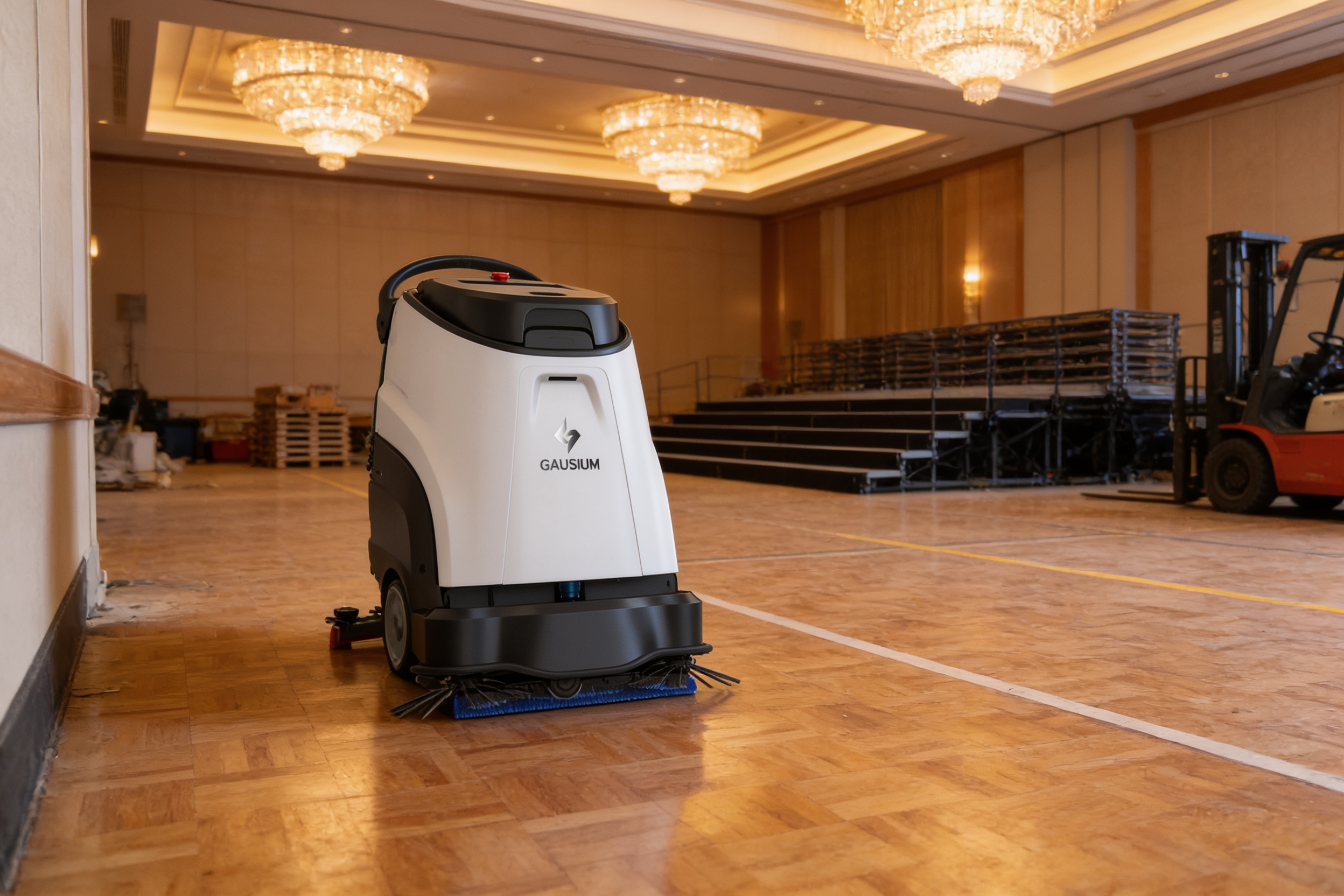
The math has four parts. The first is the hours of floor work the robot takes over, counted at the wage for janitors and building cleaners. The government wage data on this page gives that wage for the national occupation. The second is the share of that work the robot realistically completes without an operator. The third is the staff time still needed for setup, route checks and the tasks a machine cannot do. The fourth is the fixed robot lease payment, which is quoted after a site assessment.
The savings range is the gap between the first figure and the sum of the other three, calculated over the lease term. The parts interact. If the robot completes most of the unattended passes and staff setup is brief, the hours offset rises and the range widens. If it completes only part of the route, or staff must rerun the same zones by hand, the offset shrinks and the lease cost takes a larger share of the result. That is why two clinics of similar size can show very different ranges.
Because robots are only leased through financing, the model has no upfront capital line. Lease financing programs, lease terms and any service terms all sit in the quote, so read the quote against the same inputs you used for the range. Compare ranges across quotes only when the hours, shares and staff time were measured the same way.
How many labor hours does the robot actually take over?
Published hour counts for cleaning inside veterinary buildings are scarce in the sources reviewed for this page, so the hours at your clinic should come from a walk through, not from a national average. The public data does show the size of the labor pool. According to the Bureau of Labor Statistics, the janitors and building cleaners occupation had 2,447,700 jobs in 2024, with employment projected to grow 2% from 2024 to 2034, which is slower than average. About 351,300 openings a year on average come from turnover across the occupation, so this kind of work is hard to staff steadily.
Share matters more than headline hours. A machine can cover open floor between exam rooms and along hallways, but it does not wipe down a surgery table or handle a spill that needs a person. The model should count only the passes the robot completes without an operator, and it should count the staff time that stays on the schedule. No published source counts how many people clean floors at one clinic, so that count comes from the assessment as well.
What changes the number up or down?
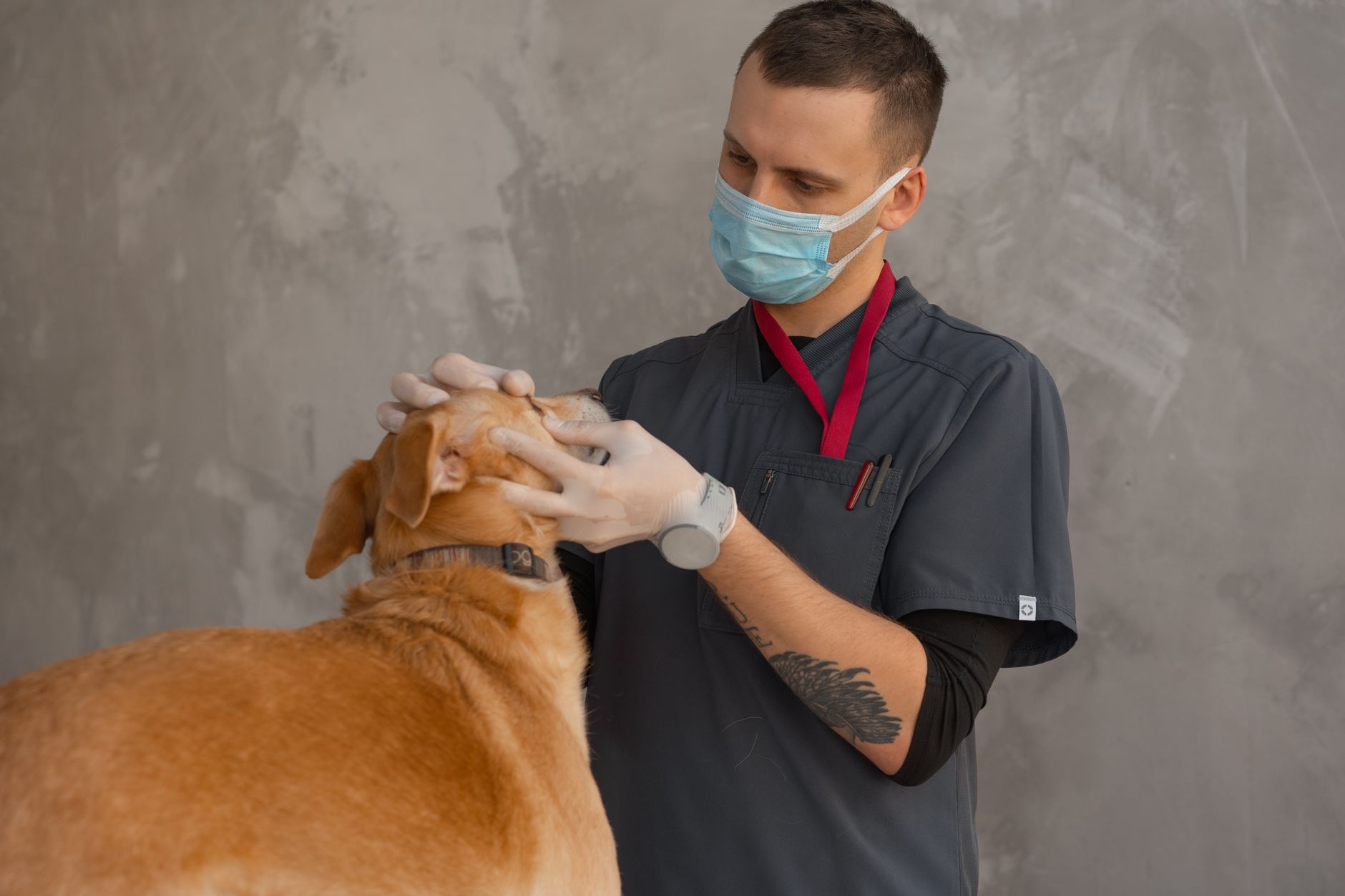
Staffing structure is the largest driver. According to AVMA's staff to veterinarian chart, companion animal practices average near 4 full time equivalent nonveterinarian staff per veterinarian, and 0.5 to 0.6 full time equivalent veterinary technicians per veterinarian. When a clinic runs a thin support team, floor work falls on the same few people, so each hour returned is worth more to the schedule.
Turnover pushes the number up. According to Instinct Science's 2024 report on ER and specialty medicine, 79% of practices reported turnover among technicians and nurses. In its 2026 general practice survey, Instinct Science described staff turnover as manageable, while noting that clinics are under pressure to retain staff and offer flexible schedules. A clinic losing people often runs the floor work with fewer hands, which raises the value of unattended passes but also raises the risk that the robot is not set up correctly.
Other levers include how many zones are in scope, how many passes run each night, whether kennel areas are included, and how cluttered the floor is at close. Each one moves the hours offset in a predictable direction, which is why the assessment measures them one at a time.
What are the risks to the return and how do you avoid them?
The biggest risk is a floor that is not ready. Loose cords, pet beds, cages and carts block routes and stop runs, which turns a scheduled cycle into a stopped machine and a call back to staff. Clear the route at close and make it a closing step on the checklist, not a suggestion. Mark spots the robot should not enter, and keep them clear in the same way.
The second risk is treating the robot as a sanitation system. It takes floor passes. Disinfection standards for animal areas, biological spills and the final check remain staff tasks under the clinic's own protocols. Count that staff time in the model from the start, so the range does not depend on work the machine cannot do.
The third risk is downtime. A unit out of service on a busy night means the work falls back to staff. Plan for on-site dispatch and remote triage, and ask before go live whether a backup unit or spare coverage is part of the lease. Also confirm who on your team is responsible for the unit between visits.
What is a realistic timeline from assessment to payback?
The timeline runs in stages. First comes a site assessment with mapping of each room and hallway. Second comes the lease quote and the financing decision. Third is deployment and integration, including training staff on the closing routine and on what to check at open. Fourth is go live support during the first nights, when the route and the schedule are tuned to the building.
Payback is the point where cumulative savings cover the lease cost. It depends on how quickly the robot reaches its normal schedule and how steady the closing routine becomes, so do not assume it arrives on the first night. A phased start helps. Many clinics begin with one leased unit covering the highest traffic zone, then widen coverage once the closing routine holds, which avoids a full changeover of the building at one time.
How do you get a precise figure from a free site assessment?
A free site assessment is the step that replaces a range with a figure built on your building. Our team walks the clinic, measures the open floor, notes the route and the clutter at close, and records which zones are in scope. We time the current floor work with your staff, so the hours come from your schedule rather than from a benchmark.
We pick the right robot for the site, arrange the lease through financing, deploy and integrate it, train the staff and service it nationwide. The lease payment comes in a quote after the assessment, not before it. You leave with a savings range built on your hours and your floor, along with the risks to plan for and the staff time that stays on the schedule.
To shorten the visit, bring your closing checklist, your staffing roster for the cleaning shift, and any floor plans you have. Those three items let the assessment move straight to measuring the work rather than describing it.
Frequently asked questions
Want a cleaning robot at your veterinary clinic?
Tell us about your site. We will recommend the robot, quote the lease, and keep it serviced.
Sources
- US Bureau of Labor Statistics, Occupational Employment and Wage Statistics (OEWS May 2024)
- PupPilot, verified veterinary statistics (citing US Census Bureau and AVMA 2025 economic report)
- pets.care (citing AVMA 2017 market report)
- U.S. Bureau of Labor Statistics, Occupational Outlook Handbook: Janitors and Building Cleaners
- U.S. Bureau of Labor Statistics, Occupational injury and illness snapshot: Janitors and Cleaners, 2016-20
- AVMA staff to veterinarian ratio chart
- Instinct Science, 2024 State of ER and Specialty Medicine report
- Instinct Science 2026 general practice survey (via MyChesCo)
- ASNA building resource guide