

The short answer
Cleaning robot ROI in Jacksonville comes from the floor hours a leased robot takes over from janitors and building cleaners, measured against the local wage for that work. The return is a range, set by floor area, how many shifts the robot can cover, how much of the work it realistically takes, and the lease cost. A precise payback comes from a free site assessment, which produces a lease quote for your specific floor.
Key takeaways
- Cleaning robot ROI in Jacksonville comes from floor hours taken over, not from headcount cuts alone.
- The share of floor work a robot realistically takes matters more than its rated speed.
- Lease terms, maintenance and spare unit coverage change the true cost over the term.
- Measure the hours in a one-unit pilot before deciding on more units.
- Savings are ranges, and the lease quote comes after a free site assessment.
Run the numbers for your site
Auto-detected from your location - we use the real BLS wage here. Not right? Pick your city or state above.
What do you want to automate?
The robot runs the open floor overnight; your crew keeps detail and edges.
What is the return on a cleaning robot in Jacksonville?
Cleaning robot ROI in Jacksonville comes from floor hours. A leased machine takes over the repeated scrubbing and sweeping that janitors and building cleaners do, and the labor side is valued at the local wage for that work, shown in the government wage data on this page. The result is a range rather than one number, because it depends on floor area, shift timing and how much of the work the robot can realistically do.
This page explains the cleaning robot ROI calculator that is pre-filled for Jacksonville. It covers where savings come from, how the math is built, what moves the number, the risks to the return, a realistic timeline and how to get a precise figure from a free site assessment. Every figure here is either a published source or a worked example, and none is a promise for your building.
How much cleaning work is there in the US?
According to the BLS Occupational Outlook Handbook, there were 2,447,700 janitor and building cleaner jobs in 2024. The same source projects about 351,300 openings a year, mostly from replacement, which means the labor pool turns over constantly. The work is common, and it is hard to keep fully staffed.
Most of the businesses that employ this work are small. According to Census County Business Patterns for janitorial services (NAICS 561720), there were 67,799 establishments and about 1.09 million employees in 2023, up from 62,592 establishments in 2019. Those Census figures are reported through a third-party aggregator of Census data.
The share matters more than the total. About 61% of those establishments employed fewer than 5 people, so a typical site crew is small. In a crew of two or three, each hour of floor work a robot absorbs is a large share of that person's week, and the return is easier to see.
Median hourly wage, Janitors and Building Cleaners
$3,667
Monthly cost of one full-time worker in Jacksonville, FL, at the median wage plus payroll costs (an estimate, not a quote).
Where does the return on cleaning robots come from?
The cost most owners underestimate is turnover, not the wage line. According to the Frontline Labor Report summary from building service contractor trade press, industry average turnover was 73% in the 2020 edition, which surveyed nearly 600 contractors. Turnover rates depend on how they are calculated and whether involuntary exits count, so treat the figure as a sign of pressure rather than a precise rate.
Three sources of return follow from that. The first is the floor hours the robot takes over, valued at the local wage for that work. The second is cover for unfilled shifts, which otherwise means overtime or temporary staff. The third is steadier floor condition, because the machine runs the same mapped route each night instead of depending on who is on shift.
Only the first belongs in the base case. The other two are real but harder to predict, so count them as upside. Pay attention to the hours window as well. A robot is most useful when the floor is empty, because it does not compete with people for space and does not slow down daytime work. A business with an overnight or early morning window has an easier case than one whose floors are only busy during the day.
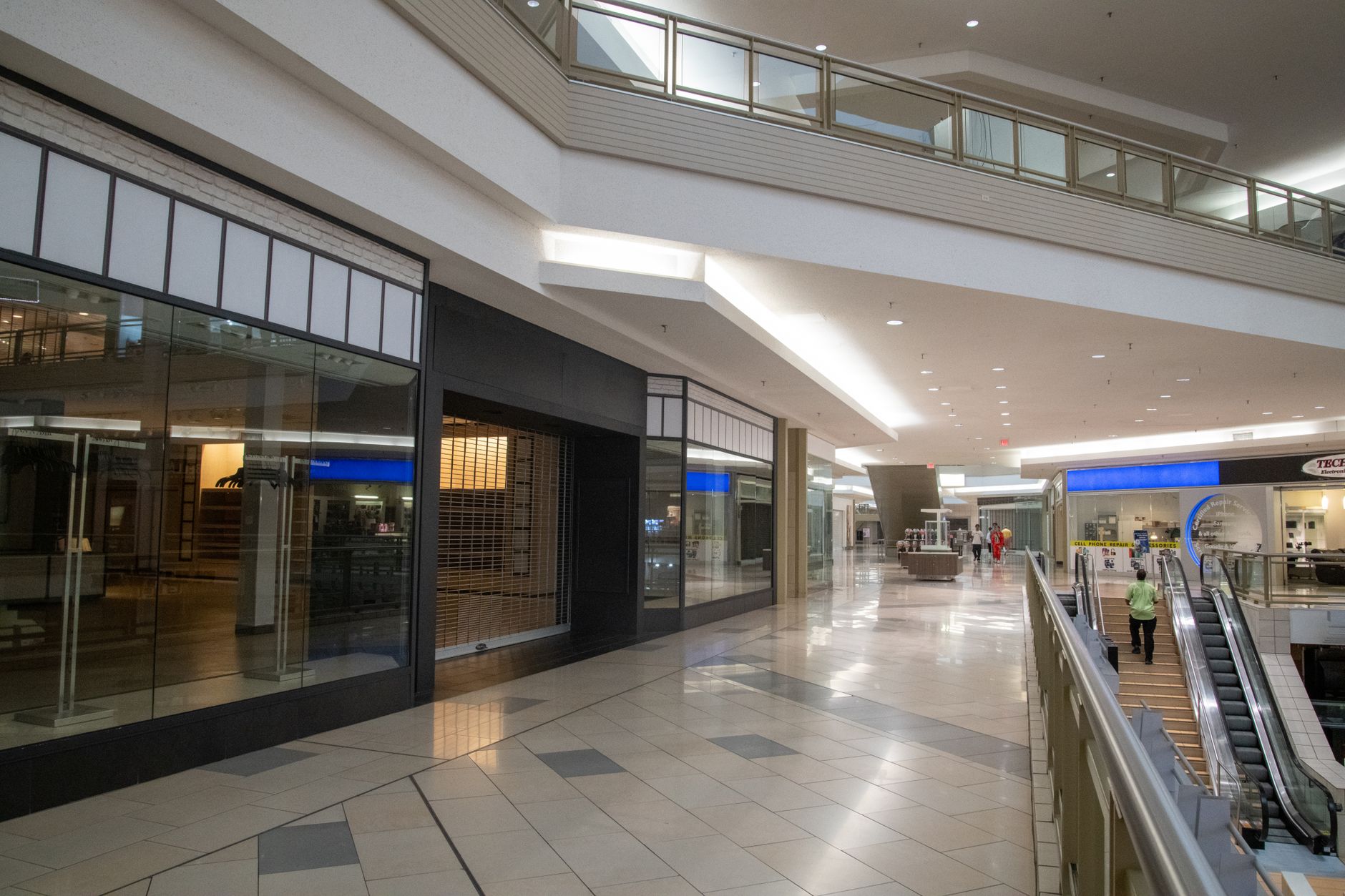
How is the cleaning robot ROI calculated?
The core formula has four parts. Hours taken over, multiplied by the local wage for that work, multiplied by the share of the work the robot realistically takes, gives the labor offset. Subtract the lease cost over the same period, and add any avoided overtime or cover for unfilled shifts. Each term has to come from your site, and each one is where estimates go wrong.
Hours start with floor area. Divide the square footage the robot must cover by its real coverage rate, then add time for turns, obstacles and charging. Multiply by the passes per shift and the nights per year the robot runs. The rated speed is a ceiling, so the realistic rate found in a pilot is the one to use.
The share is the number people get wrong most. A robot does not take everything a janitor does. It handles open floors and scheduled passes, but not restrooms, bins or detail work. The lease cost is a fixed robot lease payment, quoted after a site assessment, and this page does not state that figure.
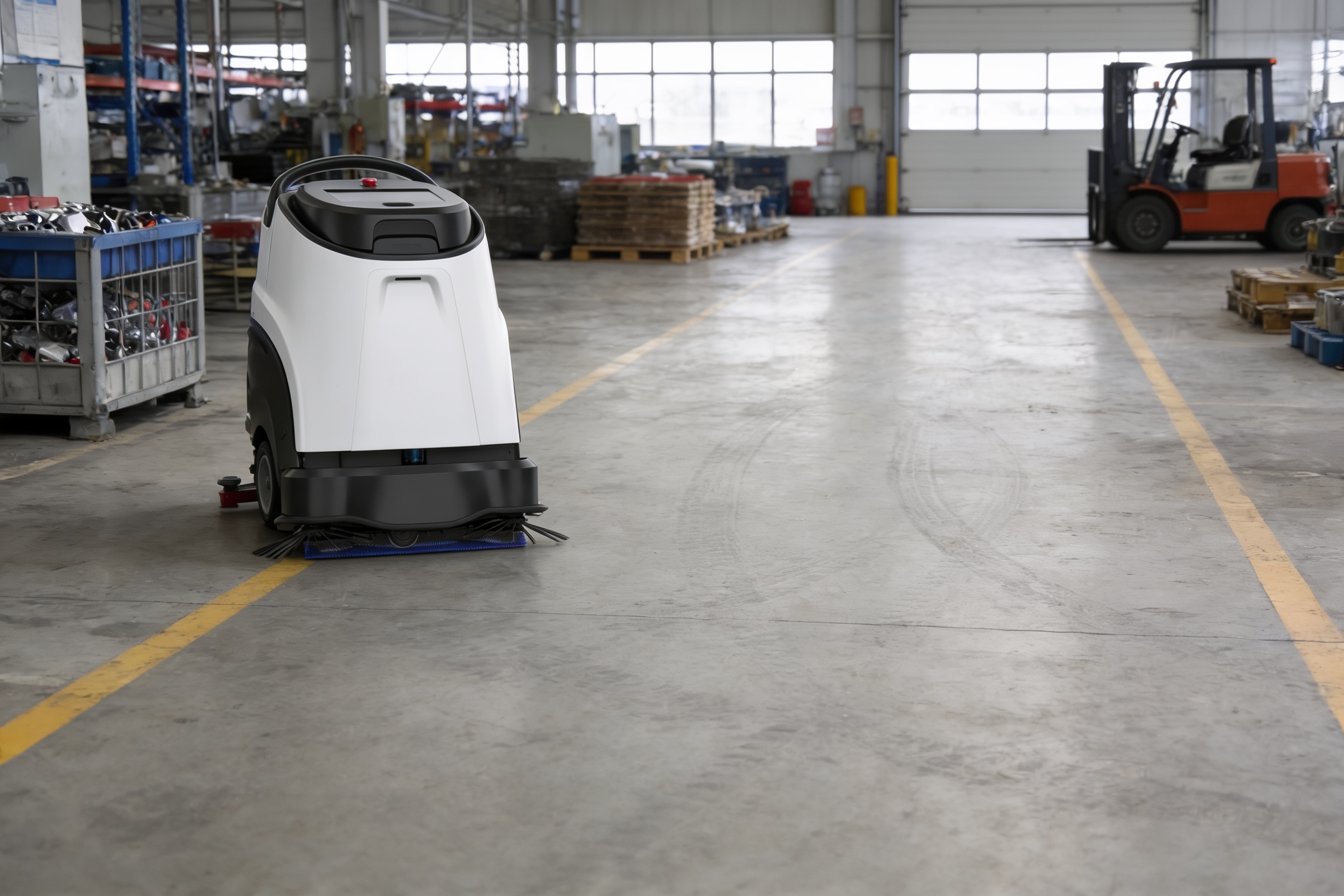
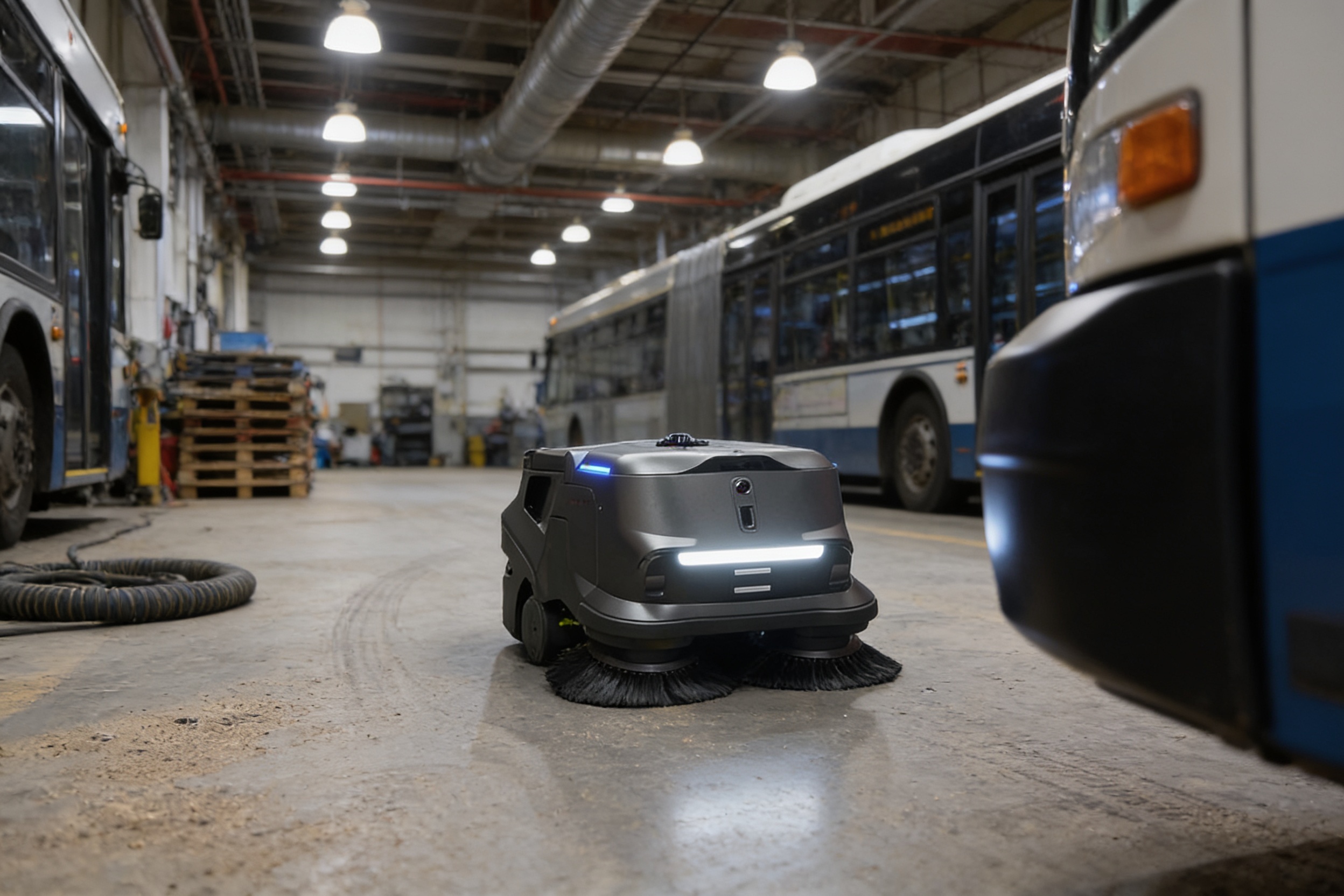
How fast does a cleaning robot cover floor space?
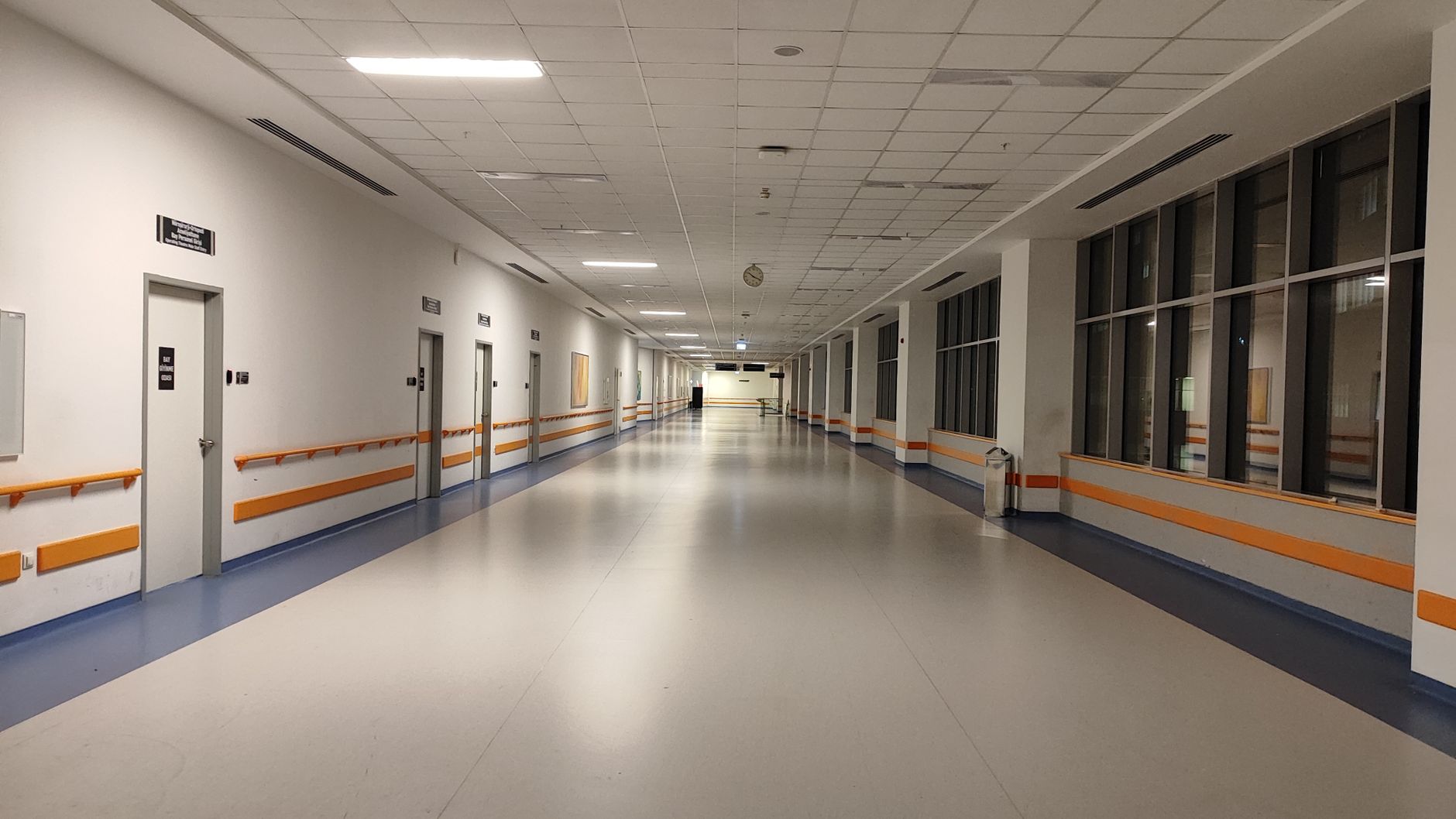
Coverage rates drive the hours math, and most published rates come from vendors. A cleaning equipment distributor estimates that compact walk-behind machines cover 8,000 to 12,000 square feet per hour, mid-size machines 12,000 to 20,000, large machines 20,000 to 35,000, and ride-on units 28 inches and wider 35,000 to 70,000 or more. A warehouse equipment productivity chart lists a 20-inch walk-behind at 9,740 square feet per hour, a 28-inch at 13,009, and a 48-inch ride-on at 44,669.
These are theoretical maximums on clean, open floors. Real output drops once you add turns, obstacles, charging, soil and operator pace. No independent study we reviewed sets a standard derate factor, so do not assume a rated speed is what you will get on your floor.
As a rough check, a 10,000 square foot open floor at the 20-inch chart rate takes about one hour of machine time per pass before turns are counted. Real layouts have more turns than that arithmetic allows, so the site assessment maps your actual route rather than trusting a rate on paper.
What changes the cleaning robot ROI up or down?
Four factors move cleaning robot ROI in Jacksonville most: floor area and layout, the share of work that is open floor, the shift window, and the lease terms with what they include. A large open floor with a clear overnight window gives a high share of work the robot takes. A floor split into many small rooms gives a low share, even when the square footage looks similar on paper.
The lease terms matter as much as the floor. A quote that includes maintenance, warranty and spare unit coverage carries a different real cost from a bare quote. Compare total cost of ownership over the term, using the same hours, so every option is measured on one basis.
Floor condition is the variable people overlook. Thresholds, cords, pallets and loose stock cut the realistic rate, and a route that stops at every obstacle takes far longer than the map suggests. Clearing the route before each run is one of the cheapest ways to protect the rate. The site assessment records these obstacles so the route matches the floor you actually have.
What are the risks to a cleaning robot return?
The biggest risk is overstating the share of work the robot takes. A model that assumes the machine replaces all floor work will look strong on paper and then disappoint. Pilot one leased unit, record the hours it actually completes, and build the base case from that record.
Safety is the second risk, and it cuts both ways. According to the BLS Survey of Occupational Injuries and Illnesses as summarized in a safety database, janitorial services recorded 2.5 recordable cases per 100 full-time workers in 2024, against 2.3 for all private industry. The gap is small, so the robot is not a safety case on its own. Use it for repetitive open floor passes, and keep trained staff on lifting, chemicals and ladder work.
Downtime is the third risk. A single machine that fails overnight leaves the floor uncleaned until someone fixes it. Our service plans cover nationwide service, but you should confirm spare unit coverage and on-site dispatch in the written terms before you sign, because those terms decide how much downtime you actually absorb.
Are other businesses adopting cleaning robots?
Adoption is early but growing. In an ISSA and AACEM survey from 2019, about 69% of facility and property managers had not used autonomous cleaning equipment, and 26% had. Among building service contractors, about 62% had not used it, against 31% who had. About one-third of non-adopters said they might adopt within a year.
More recent plans look stronger. A 2026 study of building service contractors, summarized in a trade press release, reports that about 32% plan to adopt robotic floor equipment within 12 months, roughly double the 2025 share. A plan is not a result, so treat it as direction rather than proof.
The practical point is that few peer sites will have published results you can compare against. The most reliable comparison for your building is a measured pilot on your own floor, set against the lease quote.
How long does it take from assessment to payback?
The process runs in phases, and timing depends on your site. It starts with a free site assessment that maps the floor, measures the coverage area and identifies the hours the robot can take. We then select the robot that fits the floor, quote the lease through financing, and give you a fixed robot lease payment in writing.
Most sites start with one leased unit in a phased deployment that does not shut the building down. Route setup and staff training happen before go live, with go live support following. Expect the first weeks to be about learning the floor, since early runs usually need route edits. Run the pilot across a full cycle of shifts, compare completed hours with the plan, and only then decide whether to add units.
Payback is calculated from measured hours, not from the rated speed. That is the only way the savings ranges on this page become a number you can sign off on. Ask for the written lease quote, the service terms and the pilot measurements before you commit.
- Free site assessment and floor mapping
- Robot selected for the floor and lease quoted through financing
- Deployment, route setup and staff training
- Go live with one leased unit and go live support
- Measure hours across a full shift cycle, then decide on more units
Frequently asked questions
Put a robot to work in Jacksonville.
We walk your site, learn the job, and recommend the unit that fits. Then we quote the lease, deploy it, and keep it serviced.
Sources
- US Bureau of Labor Statistics, Occupational Employment and Wage Statistics (OEWS May 2024)
- BLS Occupational Outlook Handbook: Janitors and Building Cleaners
- Census County Business Patterns, NAICS 561720, 2023 (via third-party aggregator)
- Netchex: How attrition varies in building services and janitorial companies
- SafetyRecord: BLS injury and illness data for janitorial services
- ISSA/AACEM autonomous cleaning equipment survey (2019)
- Building service contractor robotic floor equipment study (2026), press release
- Monster Janitorial: how many square feet a floor scrubber can clean per hour
- Morrison Industrial: industrial cleaning equipment productivity chart