
The short answer
Drone ROI for ski resorts comes from fewer hours spent walking lift towers, cable lines and trail surfaces in cold, exposed weather before a crew is sent out. The return depends on how much of that inspection work a drone realistically takes over at your site, the observation hours it displaces, and the lease cost quoted after a free site assessment, so the result is a savings range, not a fixed figure.
Key takeaways
- A drone return comes from a faster look at towers, cables and trails before crews climb or walk out.
- The savings range moves with how much inspection work the drone realistically takes over.
- Drones do not replace hands-on repair, so the crew stays in the math.
- The lease payment is quoted after a free site assessment, not before.
- Confirm flight permission for your site before you count on any hours saved.
Run the numbers for your site
Pick your city or state for a real regional number - we use the real BLS wage there. (On the live site this auto-detects from your location.)
What do you want to automate?
The unit runs the repetitive patrol and watch; guards handle the judgment calls.
What return can a ski resort expect from a drone?
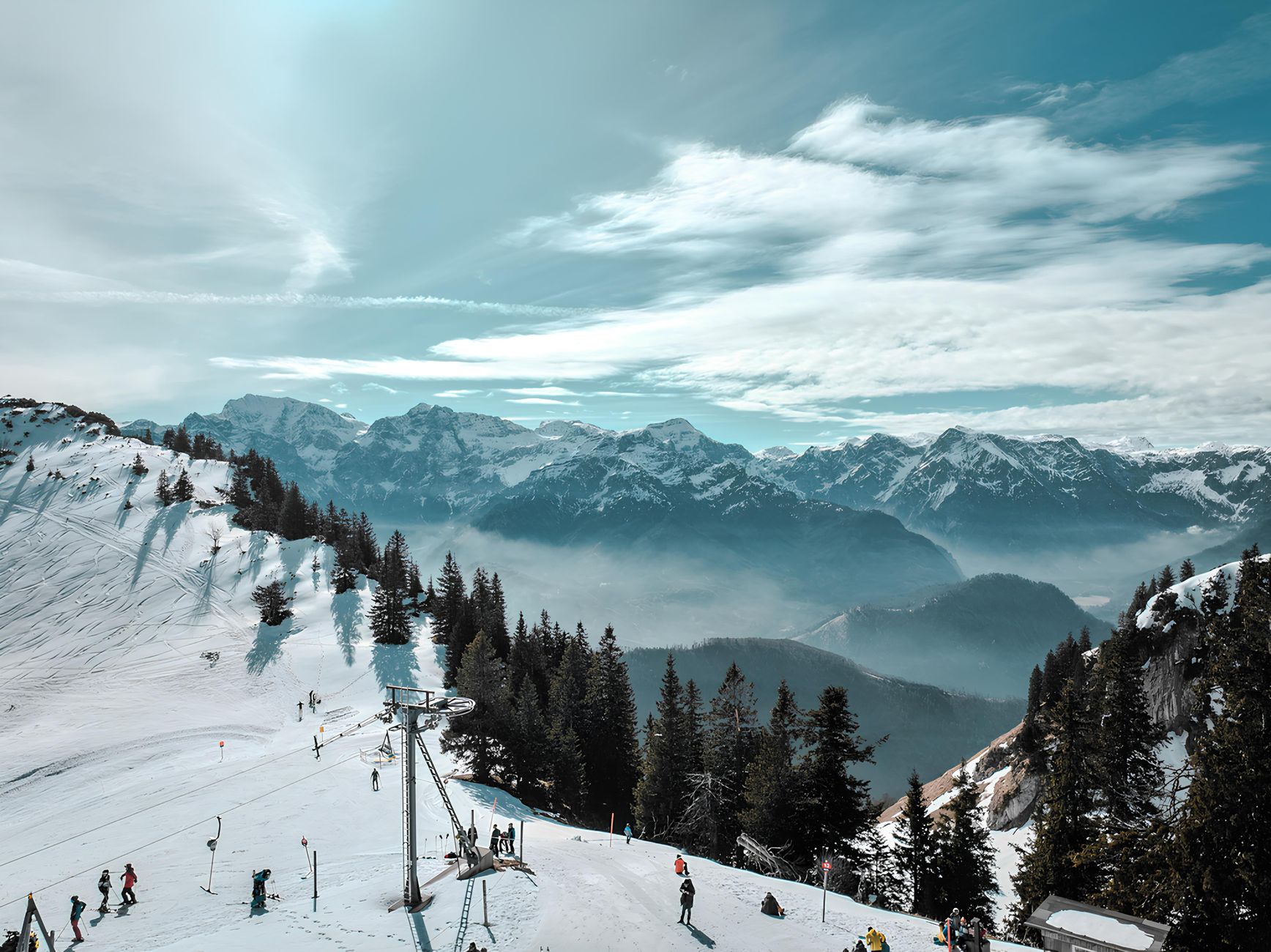
Drone ROI for ski resorts starts with one question: how many hours does the maintenance team spend walking, climbing and visually checking assets before it knows what needs fixing? At a resort, much of that work sits on lift towers, cable lines and trail surfaces, often in cold wind, snow and low light. A drone can fly those assets and give the team a faster first look before anyone is sent out.
The return is not a promise of fewer people. It is an earlier look, fewer trips that end with a crew finding nothing to fix, and a cleaner record of what each asset looked like. The page shows a savings range built from those three effects, and the free site assessment turns the range into a figure for your resort.
Drone work on mountains is still early. A Swiss resort ran a project in which autonomous drone missions inspected cable car towers and trail areas, and the operator could pause the flight to look at a specific spot. That is a project description, not independent performance data, and our research did not find independent measurements of drone lift inspection.
How much inspection work is there across U.S. ski areas?
According to NSAA's preliminary 2025-26 season report, released May 5, 2026, U.S. ski areas recorded an estimated 52.6 million snowsports visits. That is about 9% below the 10-year average and roughly 9 million fewer than the 2024-25 season. NSAA says the figures are preliminary and will be updated.
The same report says ski areas added 45 new lifts and upgraded 52 lifts during 2025-26. Each new or upgraded lift adds towers, cable runs and drive equipment to check, so the inspection workload grows with the fleet. A soft visit count does not reduce the number of towers and cables that need checking.
For the 2024-25 season, NSAA reported 61.5 million skier visits. Visit counts swing from year to year, but the lift and trail assets stay the same size, so the inspection routine is set by the asset list, not by the crowd.
Median hourly wage, Security Guards
$4,317
Monthly cost of one full-time worker, at the median wage plus payroll costs (an estimate, not a quote).
Where does the drone return actually come from?
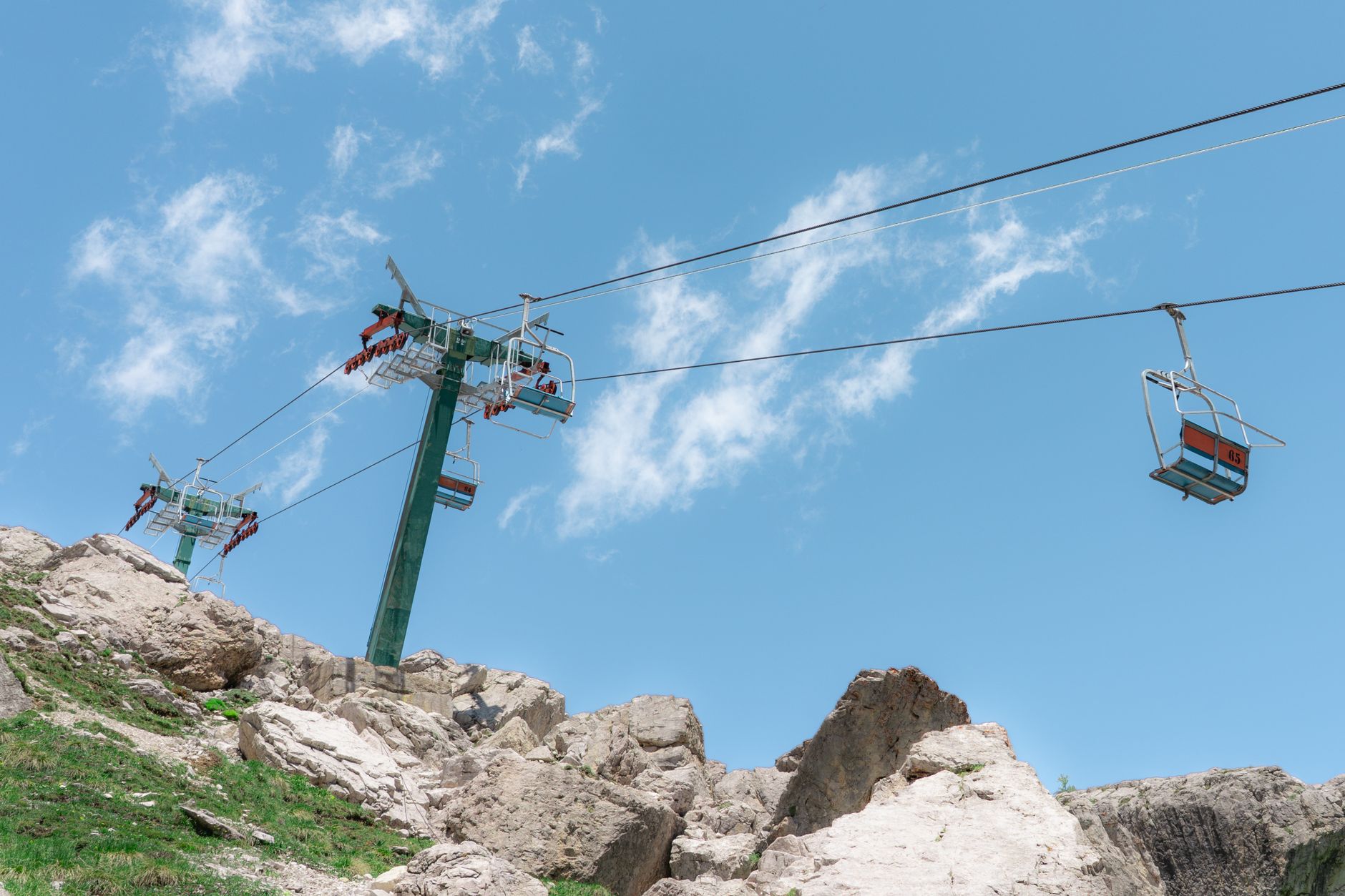
The return comes from three places. The first is fewer walking and climbing hours before a crew knows what to fix. A drone can fly the length of a cable line or the face of a trail and show the maintenance lead which towers, sheaves or surface sections need a closer look.
The second is weather. In cold, exposed terrain, a crew that climbs a tower and finds nothing wrong has spent its time in the harshest part of the day. A look from the base or a staging point lets the lead decide whether a climb is needed now or can wait for a clear window.
The third is the record. A set of images taken along the same flight path each season gives the team something to compare. Crew notes and memory rarely support that kind of comparison, and the images help when a tower or trail section looks worse than it did last year.
Does safety belong in the drone case?
NSAA's injury data frames the stakes, with a clear limit. The 2024-25 season recorded 63 catastrophic injuries, against a 10-year average of 44 per season, and a rate of 1.02 per million skier visits, the highest in NSAA's 10-year window. Catastrophic means life-altering injuries, not common fractures or ligament tears, and the count covers skiers, not maintenance crews.
A drone does not prevent a skier injury, and a national injury count does not measure crew risk on a lift line. What a drone can do is shorten the time a crew spends on exposed terrain before the work is decided. The honest claim is narrower: fewer unnecessary climbs and walks in bad weather, with a crew sent out only when the images show a reason.
Ask the resort's safety lead how maintenance staff incidents are logged before you set a target. A resort with its own records can measure the change directly, which a published national figure cannot do.
How does the drone ROI math work?
The return is the labor hours a drone takes over, multiplied by the share of that work it realistically handles, then set against the lease cost over the lease term. Each part depends on your site. The hours come from how your crew works today, the share comes from a flight test on your towers and trails, and the lease cost comes in a quote after a free site assessment. The result is always a savings range, never a promise.
The labor side is priced on the hours of security guard type work the drone takes over: observing, patrolling and checking assets from a fixed vantage point. The government wage data on this page shows the local wage for that job, and the calculator applies it to those hours. Lift crews do mostly mechanical work, and that time is not priced here. The drone takes the observation and patrol work off their plate, not their skilled repair work.
Realistic share matters more than the headline. A drone that handles most of the look-over on a long cable line may take only a small part of the repair work, and a return built on the full crew day overstates the offset. Use the share your flight test shows, and keep the crew hours that still apply in the math.
Who does this work today, and how hard is it to staff?
Lift and trail maintenance is usually done by a small crew of lift mechanics, often promoted from lift operators and trained mostly on the job. In some Canadian provinces, licensing is a barrier to entry. Our research did not find a published count of lift maintenance staff per U.S. resort site, so the headcount in this page's data is a planning figure for you to confirm.
Supply is tight. A 2023 Quebec survey, as reported in trade press, found that 40% of certified lift mechanics planned to retire within five years, and the province counted 60 open positions for lift maintenance technicians and operators that year. These are Canadian numbers. The source we could check covers the labor shortage broadly, so treat the Quebec figures as context, not as a U.S. benchmark.
A drone does not close a staffing gap. It can reduce the number of trips a short-handed crew makes into exposed terrain, which matters most when the crew is thin. Our planning figure for the number of people doing this inspection work at one site is four, and the free assessment replaces it with your resort's own count.
How does a drone compare with a crew walk?
A drone and a crew do separate jobs, so the comparison works only point by point. The table below sets out how each handles the work. Where the crew wins, keep the crew on the job.
The drone is strongest at fast coverage of long assets and at repeat views from the same path. A crew is strongest at touching the work, judging a part by hand and sound, and deciding on the spot what needs repair. The two work best in sequence: the drone shows where to look, and the crew does what only hands can do.
Weather and airspace limit both. Our research did not find the up-to-date FAA rules for beyond-visual-line-of-sight or night operations near lifts, so confirm operating permission for your site before you plan around any flight window.
- Coverage of a long cable line
Drone
Fast, along one planned flight path
Staff
Slower, walked or ridden in segments
- Time on exposed terrain
Drone
Crew stays at the base for the look-over
Staff
Crew is out in the cold for the full check
- Detail on one component
Drone
Images only, so close detail is limited
Staff
Hands on, judges by touch and sound
- Repair decisions
Drone
Shows where to look but cannot repair
Staff
Makes the repair and the call on site
- Limits from weather
Drone
Grounded in high wind, snow and poor light
Staff
Works through more conditions, with cold-weather risk
- Comparison across seasons
Drone
Same flight path gives comparable images
Staff
Depends on the person and their notes
What are the risks to the return, and how do you avoid them?
The biggest risk is counting hours that never leave the schedule. If the crew still walks every tower after the drone look, the return is close to zero. Write the rule down: the drone look decides which assets get a crew, and log how many crew trips it prevented each season.
The second is airspace and permission. Some resorts sit on federal land where drone use is restricted, and we did not verify the rules as they stand today. Get an operating plan reviewed by the resort and the operator before the first flight, not after.
The third is image quality. A look that cannot resolve a worn sheave or a cracked surface section sends the crew up anyway, and the hours come back. Test the flight on a known tower and trail section with your team, and agree on the detail the team needs.
The fourth is weather. Days when the drone cannot fly keep the crew on the old routine. Plan that routine for storm days, and keep a spare unit and a service plan in the budget so the program does not stop when a unit is out of service.
How long until payback, and how do I get an exact figure?
A realistic timeline runs in four stages: a site assessment with mapping of towers, cables and trails, a flight test with your crew, a pilot season on one lift or trail area, and then the full program. Payback depends on how fast the pilot shows the hours and crew trips it removes. Treat the first season as a measurement season, not a savings season.
The free site assessment is where the figure becomes exact. We walk the resort, time the inspection routine with your crew, check flight permission and airspace, and run a flight test on a representative tower and trail section. You get a savings range built from your numbers, and a lease payment quote, after the assessment.
We are a US commercial robot integrator, so we also choose the right drone for the site, lease it through financing, deploy and integrate it, train the staff and service it nationwide. That keeps the assessment, the flight program and the service with one team, from first survey through go live support.
Frequently asked questions
Want a drone at your ski resort?
Tell us about your site. We will recommend the robot, quote the lease, and keep it serviced.