
Key takeaways
- Apparel peaks can outrun staffed shifts, while pallet flow between receiving and shipping stays steady enough for set routes.
- An autonomous forklift takes the repeat pallet moves so your people can cover picking, checks and returns.
- Published savings figures come from vendors and consultants, so measure your own lanes before you commit.
- Start with a free site assessment, then decide on a lease quote built from your own floor.
How can autonomous forklifts for apparel distributors help?
Autonomous forklifts for apparel distributors help most where the work is steady but the staffing is not. A distributor receives goods, puts them away, pulls them for orders and ships them out, and many of those moves are pallet trips that follow the same paths hour after hour. An autonomous forklift runs those trips on set routes, so the staffed team can focus on picking accuracy, quality checks and returns.
The main benefit is coverage. Peak season tends to arrive exactly when the team is short, and the pallet count is highest at the same time. A robot that keeps pallets moving between receiving and storage, and between storage and shipping, means fewer moves wait for a person to free up. Its value is steady output through the peak, not a replacement for the people who run the floor.
We are a US commercial robot integrator. We pick the right robot for your building, lease it through financing, deploy and integrate it, train your staff and service it nationwide. The payment comes in a quote after a free site assessment, so you see the numbers for your own floor before you decide.
What problem do apparel distributors face today?
Apparel distribution runs on a calendar. According to an apparel fulfillment guide, peak staffing usually expands pick, pack, quality control and returns headcount to 2x to 4x baseline, and the build runs from mid-October through late January. That is the stretch when pallet volume climbs fastest and the floor needs the most people at once.
Hiring for that window is hard. Retail trade coverage of the holiday season reports a tight temporary market, with reduced availability and more competition for temporary help. Temps who arrive late, leave early or need a long time to learn the racks can leave the shift short just when the pallets pile up.
The problem is not only the headcount line. Pallet moves queue behind each other at the dock and in the aisles, and people who should be picking or checking get pulled into driving. Every short shift makes the backlog worse the next day, which is why the peak often spills into the weeks after it.
Why does steady pallet flow suit an autonomous forklift?
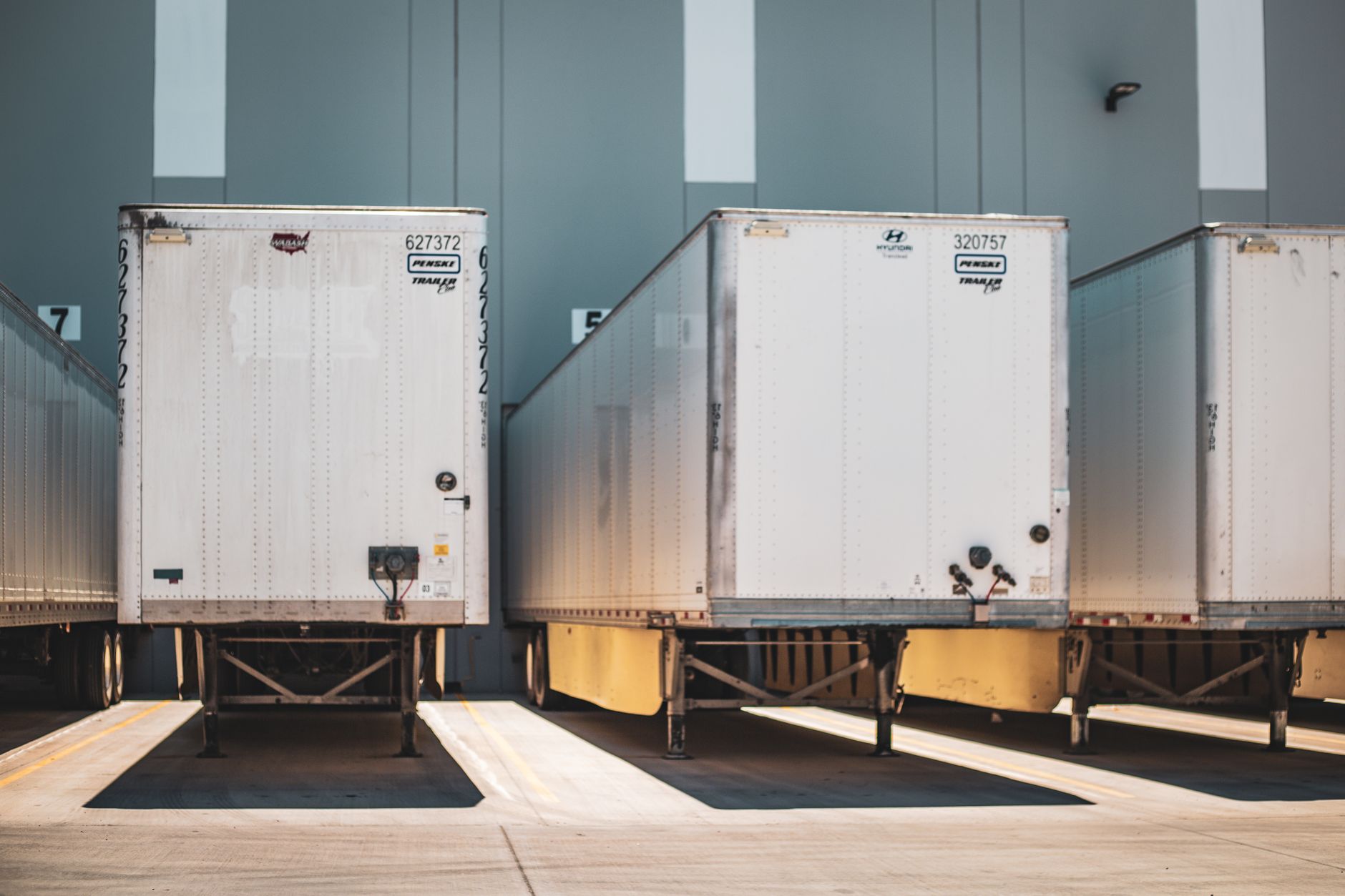
Apparel distributors move pallets along a predictable path. Inbound trailers are unloaded at the dock, pallets go to reserve storage or forward picking, and outbound pallets move to staging and the shipping lanes. These moves repeat on the same routes all day, which is the kind of work an autonomous forklift can run on set routes.
Travel time is the part of the shift that adds the least value. According to a logistics operator's infographic, one robot can save 3 to 4 hours of traveling time per 8-hour shift. That figure is the operator's own, covers travel time only and was not measured on an apparel floor, so use it as a question for your walk-through, not as a promise.
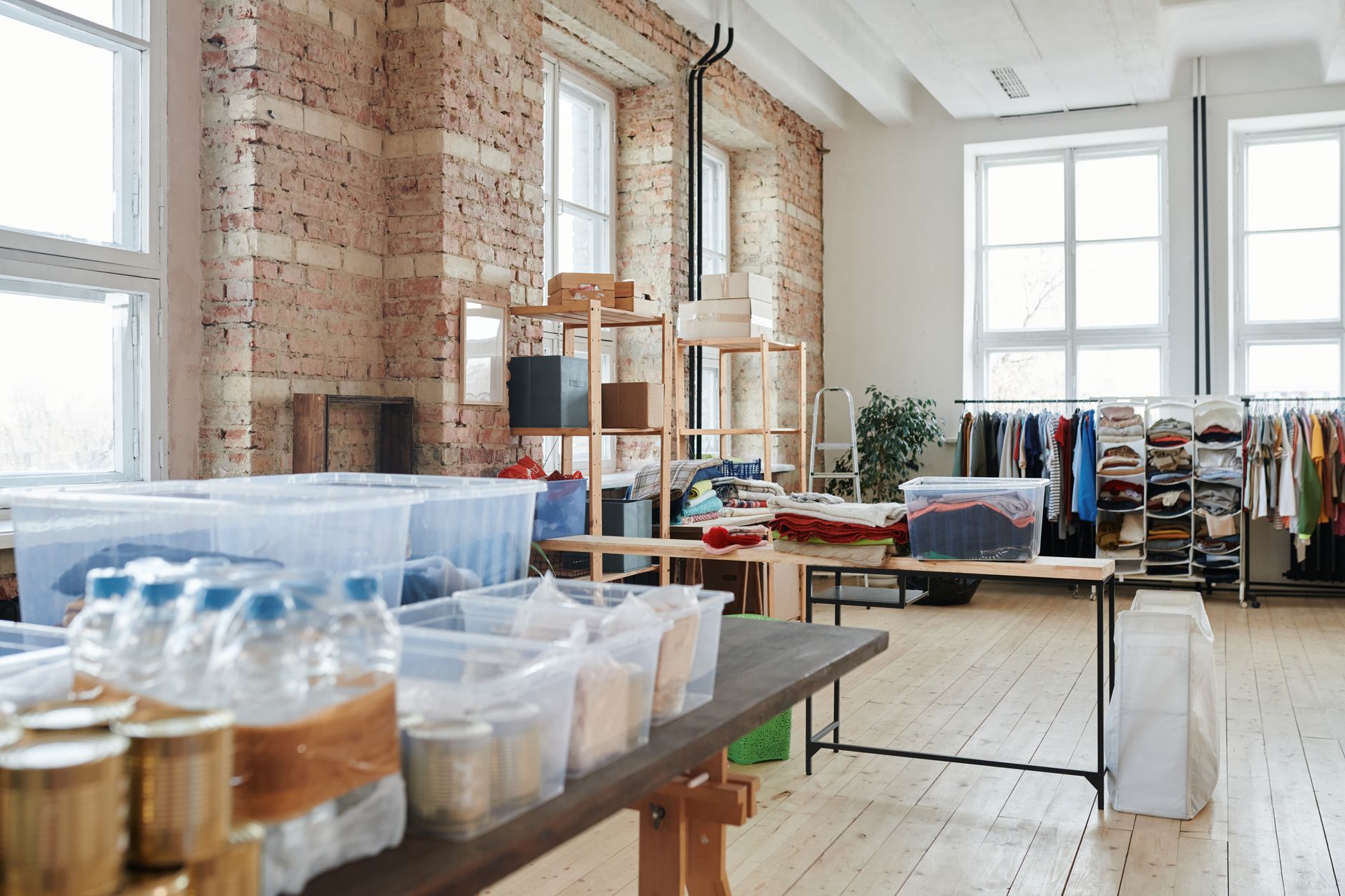
Apparel also brings variety. Many styles, sizes and colors mean more storage locations than the pallet count alone suggests, so the robot's job is to keep pallets moving to the right lane. The team handles the picks and the exceptions inside the building, and that split keeps the robot on the work it does well.
How does an autonomous forklift work day to day?
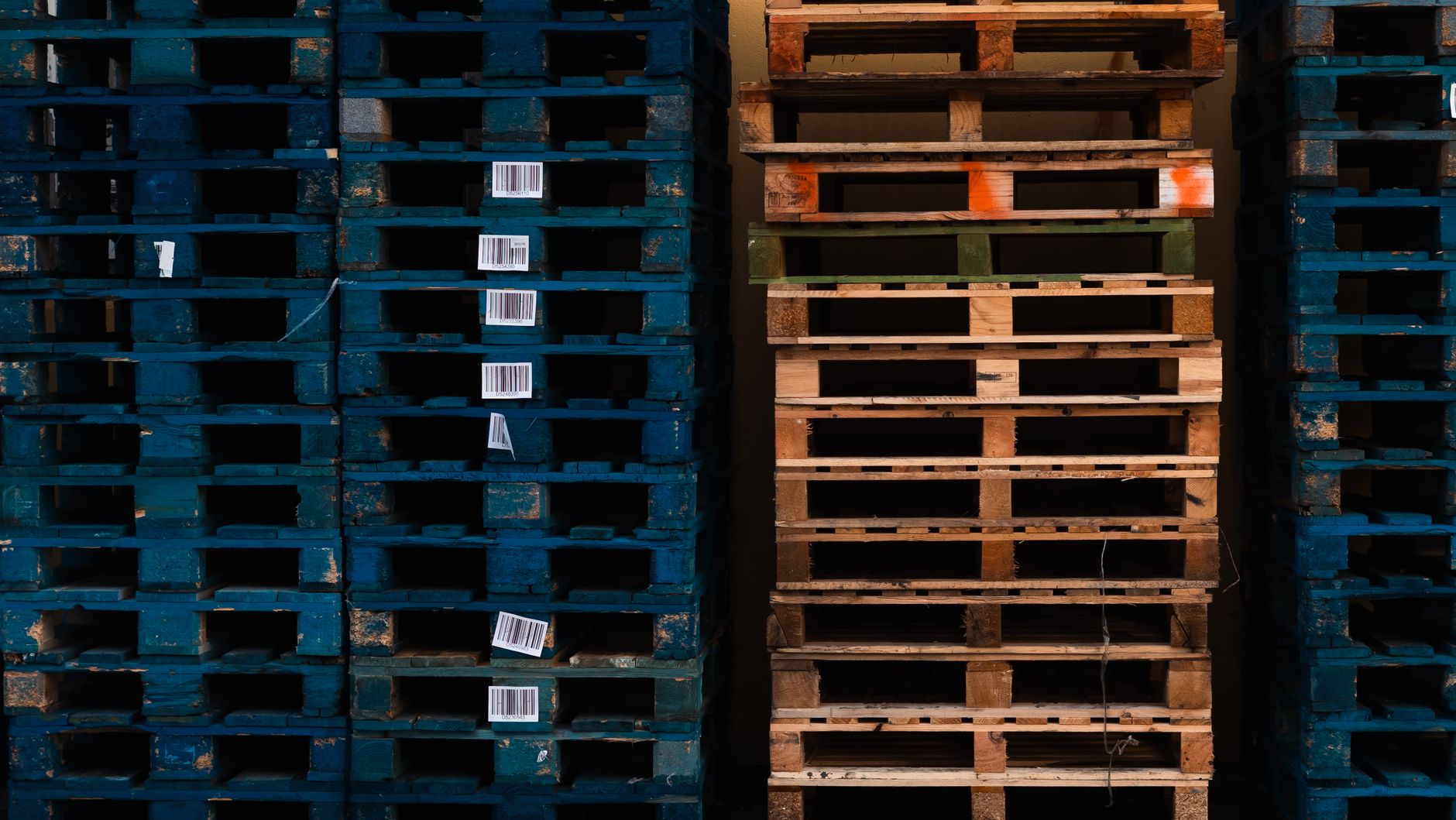
An autonomous forklift is given a task and a route, assigned by the warehouse software your team already uses or by a dispatch layer we integrate. It drives to the pickup point, lifts the pallet, moves it along a mapped path and sets it down at the assigned location. Between jobs it returns to a charging point or a staging spot, ready for the next call.
Before go-live, we map the building. The routes are set with your operations team, staff walk the paths with us, and the robot runs test loops with people nearby before it carries live freight. A change to the layout, such as a moved staging lane, is scheduled and tested rather than improvised on the floor.
Day to day, the robot shares space with your staff, so the rules of the floor matter. Marked lanes, clear aisles and a consistent pickup point at each dock cut stops. When something blocks a route, the job waits or moves to another path under the rules we set, and your team clears the obstacle.
Which areas of the building does it work in?
Most of the value comes from the lanes where pallets change hands. The robot works best on high-traffic routes that repeat through the shift, and the six areas below are the ones that usually carry that pattern in an apparel building.
Fixed routes that stay in place for a season or a year return the most. We start by finding which lanes carry the most pallet moves before any robot is assigned, and a site with a narrow aisle or a tight turn gets its routes planned around it rather than forced into the plan.
Each of these areas has its own rhythm. The dock is busy in bursts, the reserve racks are quiet between waves, and the staging lanes follow the carrier schedule, so route timing varies by area and is set area by area.
How do staff and robots work together?
A robot does not run the building alone. Your team still receives, checks counts, picks, packs, handles returns and deals with the problems a robot cannot solve. What changes is that the people who spent their shift driving pallets can spend it on those tasks.
On the busiest lanes, the robot can take the repeat moves that once needed a full driver crew, so the team on those lanes can be smaller. The building still runs with people on every shift. Leads watch the dispatch screens and the exceptions, and a named person is on call when a route stops.
Training is part of the work. Our integrators train the people who will run the robot and stay through go-live so the first peak weeks are supported. The aim is a team that understands the robot's routes well enough to handle a stop without losing the shift.
What drives the savings?
Savings come from hours that go back to the floor. Track three things in your own building: travel time on repeat pallet moves, labor hours on the lanes a robot takes over, and output that holds up through a short shift. Each one is a range you measure on your floor, not a result we promise.
Published figures point in the right direction, but they come from vendors and consultants, and they measure varied work. A vendor case study on a tugger deployment reports 60 labor hours saved each week. A vendor-reported third-party logistics study reports a 33% productivity increase. Neither is an apparel forklift measurement, and we did not find an independent study that reports forklift hours saved per shift.
A consultancy's account of a larger site is closer to the staffing question. It describes a facility that had 36 forklift operators across three shifts, and after adding 50 AMRs it redeployed 32 of those 36 operators to higher-value roles. That was an AMR site rather than an autonomous forklift site, so read it as a staffing lesson, not a forecast for your building.
What can an autonomous forklift not do?
It does not handle every load. Damaged pallets, unusual loads, loose cartons and anything that needs a judgment call still go to a person. The robot is built for repeat moves on set routes, and it is weakest where the work changes shape from hour to hour.
It needs a prepared floor. Clear lanes, marked routes and a steady dock layout make it dependable. A cluttered aisle or an unannounced layout change will stop jobs until the route is fixed. Power and charging needs are part of the site assessment, so they are planned before the robot arrives.
It does not run the warehouse on its own. Picking, quality checks, returns and exception handling stay with the team. It is also not the right answer for every apparel building, and some sites have layouts or volumes that suit other equipment better. We say so after the assessment rather than after the lease.
How do you get started?
Start with a free site assessment. We walk the building, look at the lanes that carry the most pallet moves, check the floor, power and dock layout, and map the routes that make sense. The lease is quoted after that visit, and the payment comes in the quote, with the lease handled through our lease financing programs.
A practical first step is one leased unit on the busiest route. Run it through a peak or a slow stretch, measure what changed, and then decide whether to add more. A phased deployment keeps the building running during setup, and go-live support stays with your team until they are comfortable with the routes.
After go-live we service the robot nationwide. Autonomous forklifts for apparel distributors need one partner for the deployment, the training and the upkeep, and our role is the integration: we pick the robot for the building, deploy it, train the staff and keep it serviced. You stay in charge of the floor.
Frequently asked questions
Want an autonomous forklift at your apparel distributor?
Tell us about your site. We will recommend the robot, quote the lease, and keep it serviced.