
Key takeaways
- Long pallet moves between receiving, racks and dock doors are repetitive work that suits fixed autonomous routes.
- Empty return trips are the main hours question to measure on your own floor before any decision.
- The national pool of forklift operators grows slowly, so the value is in helping the drivers you have cover more ground.
- A free site assessment comes first, then a lease quote, and staff stay on breakdown, checks and loading.
How can autonomous forklifts for plumbing supply distributors help?
Autonomous forklifts for plumbing supply distributors mainly take long pallet moves off the people who drive your forklifts. A branch receives freight at the dock, puts pallets into racks, pulls them back out for orders and stages outbound loads at the doors. Much of that is the same few routes repeated all day, and every trip between receiving and the racks is time an experienced driver spends away from the work only a person can do.
The benefit comes from that repetition. An autonomous forklift runs a set route between points you define, such as the receiving dock, the reserve racks and the staging lanes, and makes the long hauls the same way every time. Your drivers keep the tasks that need judgment, like breaking down a mixed trailer, checking damaged cartons and building a customer order.
Fit is a site question. A free site assessment shows how fixed the routes are, how much driver time goes to long moves and where a robot would sit in the day. The rest of this page covers what the work looks like today, what changes, what drives the hours and what a robot cannot do.
What does pallet work look like at a plumbing supply distributor today?
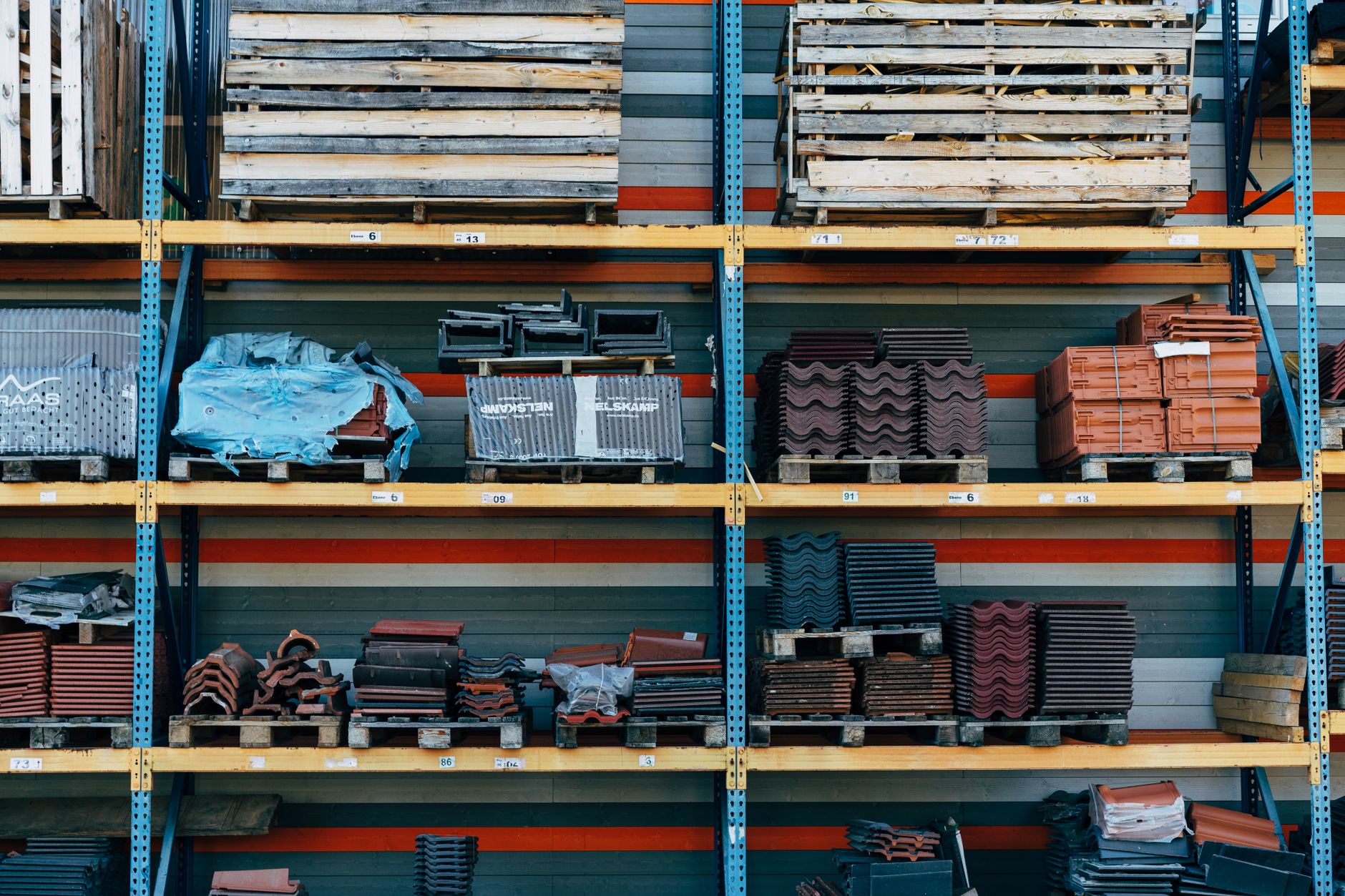
A plumbing supply branch moves a wide mix of freight. Pipe and fittings arrive in bundles, valves and water heaters are heavy and awkward, boxed fixtures need careful handling, and fasteners sit on small pallets. The work spreads across receiving, the reserve racks, the back room behind the counter and the outbound doors, so one driver often covers the same corridors many times in a shift.
The segment is large enough that many branches share this pattern. According to an industry data summary for the plumbing and heating equipment and supplies wholesale group, there were 6,747 establishments, 2,554 firms and 87,630 employees, though the page does not state the data year. IBISWorld counts 2,475 plumbing and heating supplies wholesaling businesses in the United States in 2026. That counts businesses rather than establishments, so the two figures do not compare directly.
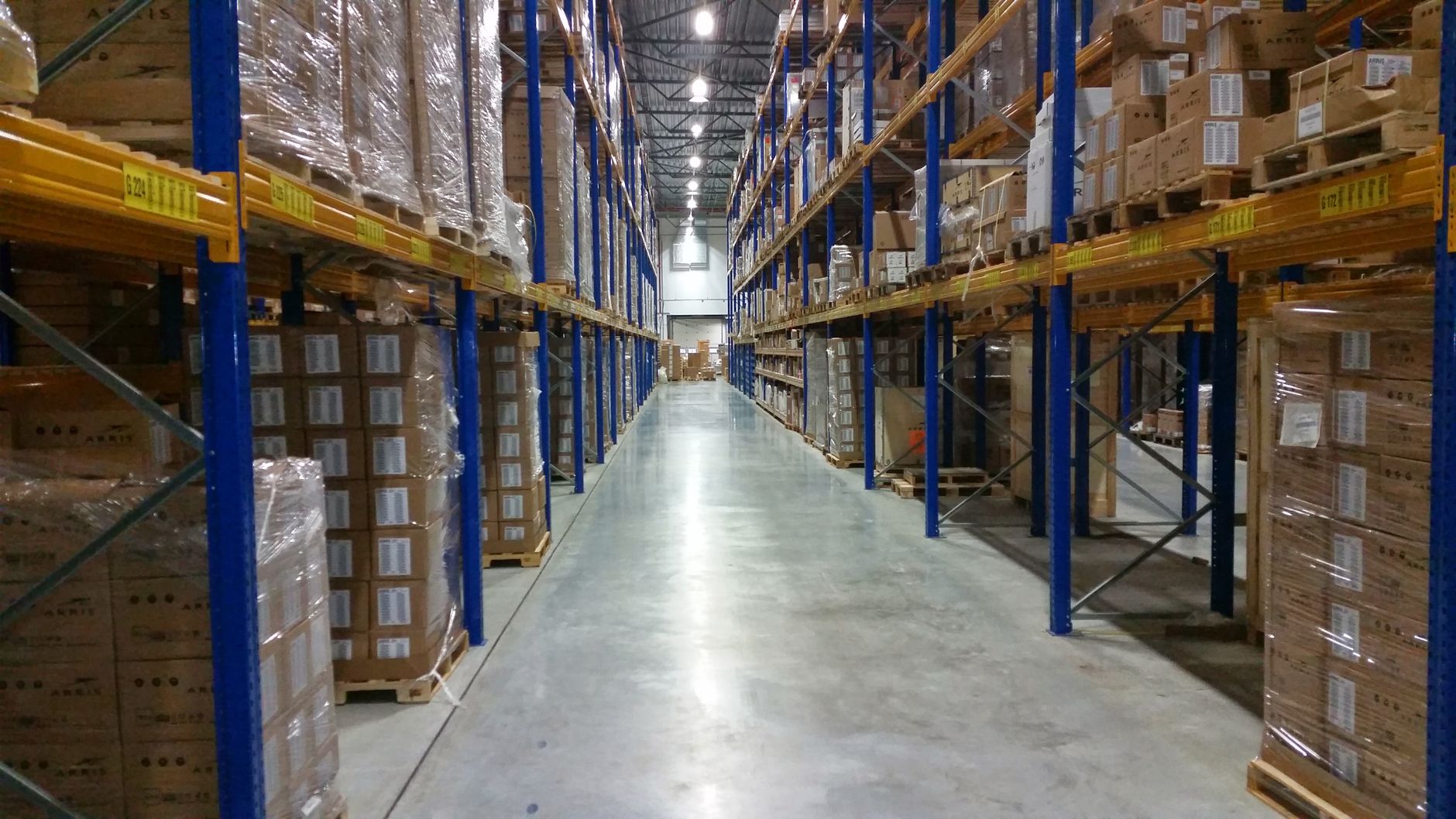
For the operator, the headcount is less useful than the shape of the day. A single branch's pallet movement is a predictable loop that a driver runs by hand, again and again, from the first truck to the last outbound load.
Why do long pallet moves tie up driver time?
A forklift that carries a pallet one way and drives back empty spends much of its shift on travel that adds no value. A vendor guide on forklift travel estimates that empty trips, called deadhead travel, take 35 to 50 percent of total travel time. The guide names no underlying study, so treat the range as a question to test on your own floor, not a benchmark.
Utilization tells a similar story. The same vendor says most manufacturing forklifts run at 30 to 55 percent utilization during shifts. A plumbing branch is not a factory, but the pattern carries over: the truck waits, repositions or travels empty, and the driver is on the clock the whole time.
A trade news report on warehouse work cites an estimate that order pickers spend about 65 percent of their time in transit and about 20 percent actually picking. That figure is for pickers, not forklift drivers, so it shows the pattern of travel in warehouses rather than a number for your branch.
What are the main benefits for a plumbing supply distributor?
The first benefit is driver time. Experienced drivers spend more of the shift at the dock and the counter, where judgment matters, and less on the same long corridor. The second is fewer empty returns on a fixed route, because the robot runs the path it was given rather than choosing a new one each trip.
A vendor case study from a large logistics operator reports that its system was programmed in under a day and moved up to eight pallets per trip, reducing travel waste and congestion. It is a vendor report from a different kind of building, so it shows what a fixed-route system can do, not what your branch will see. It gives no travel-time percentage, so measure your own routes before you plan around it.
- Driver hours move from long corridor runs to dock, counter and checking work.
- Repeated routes cut the empty return trips a driver makes by hand.
- Pallets are moved on a schedule, not when a driver happens to be free.
How does the robot work there day to day?
The day starts with a route map. During site assessment mapping, the robot's operating area and its fixed stops are defined: the receiving dock, the reserve racks, the replenishment lanes and the outbound staging. Once the site is live, a pallet move arrives as a task from your inventory system or from a staff member, the robot travels its path, places the load and returns to wait.
Drivers still do what only people do. They check paperwork, verify counts, break down mixed loads, handle damage and load outbound trucks. When the robot meets a blocked aisle or an unexpected person, it stops and waits, and staff clear the path. The day runs as a rhythm of short human tasks and steady robot moves, not as one machine working alone.
Go-live support keeps the first weeks close. We watch the routes, adjust stops that do not match how the floor is really used and train the team on the handoffs, so the first real move is not the first time anyone has seen the route.
Which areas of the branch does the robot work in?
A plumbing supply branch has several separate work areas, and the robot earns its place in the ones with long, repeated pallet moves. The zones below show the usual areas and what the robot does in each. Your layout decides which ones apply, and the site assessment settles it.
Keep the robot out of areas where the work is mostly picking by hand, where customer traffic is heavy or where floors and aisles change often. Those areas are better served by staff or by other equipment, and the assessment says so plainly.
How does it work alongside existing staff?
The robot does not replace the team. It takes the long moves, and people shift to the work around them. A branch keeps its drivers, its counter staff and its dock crew, while the robot handles the repeated corridor runs. The model is always a robot plus a smaller team, never zero staff, because someone still loads, unloads, checks freight and handles exceptions.
The labor pool matters here. According to Wagedex, citing BLS OEWS May 2025 data, there were 774,420 industrial truck and tractor operator jobs nationally. Its summary of BLS projections puts the occupation at about 792,500 jobs in 2024 rising to about 801,600 in 2034, about 1.1 percent growth, which it describes as slower than most occupations in its group. The practical lever is helping the drivers you already have cover more ground.
What drives the savings, measured in hours?
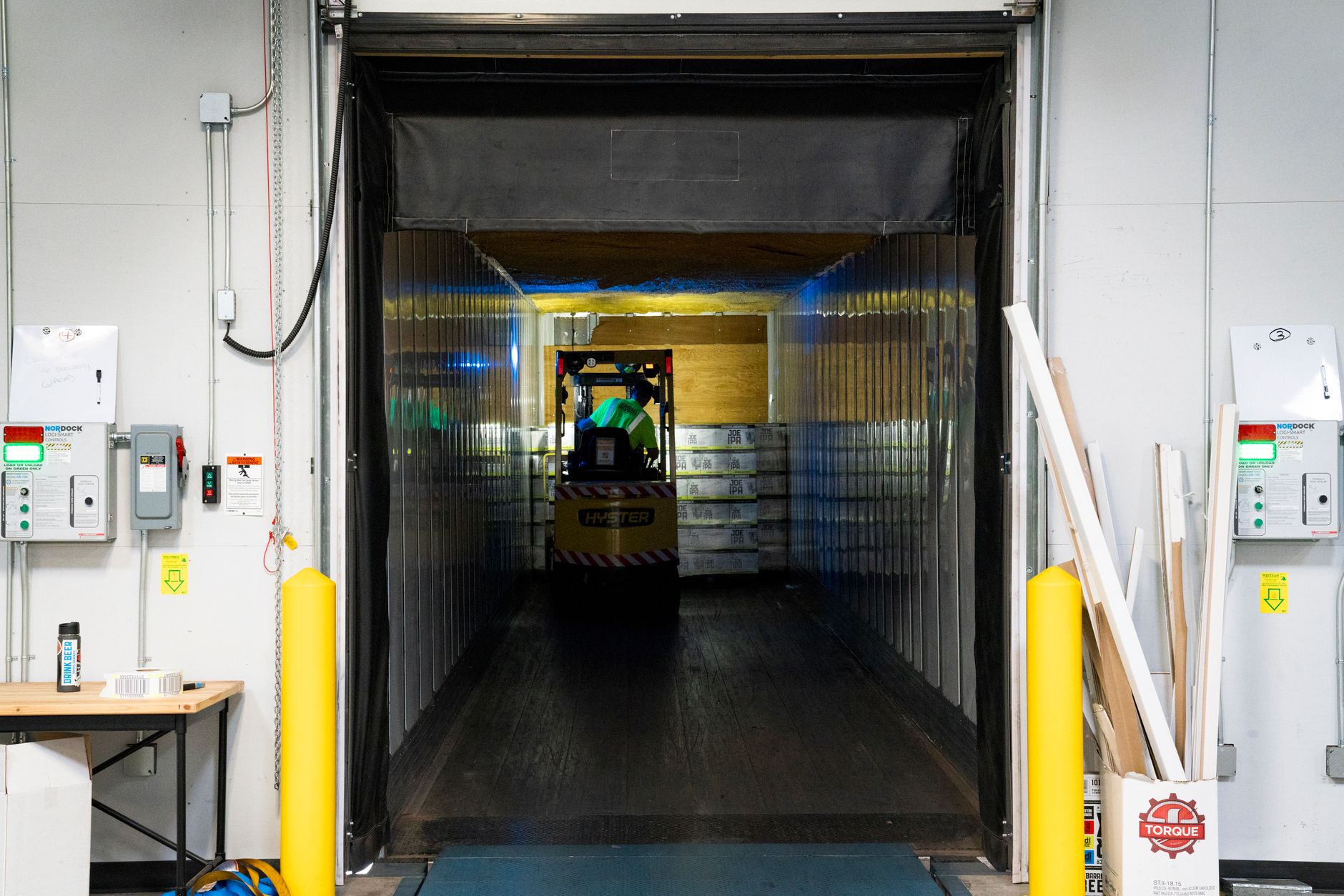
Savings come from hours, and hours come from your own log. Measure one week on your branch: count the long pallet moves, time a sample of representative runs and note how often a driver returns empty. Those numbers, not a national average, are the basis for any estimate of hours that could move to other work.
The published ranges give a starting frame. The 35 to 50 percent deadhead range and the 30 to 55 percent utilization range both come from vendor guidance, and the 65 and 20 percent figures describe order pickers. We found no named labor-hour study for plumbing supply distributors, so this page does not give one.
Once you have your own hours, the question is how many of them move from long corridor runs to work that needs a person. That is where a site assessment starts, and it produces the estimate to plan around.
What can an autonomous forklift not do?
It does not unload a mixed trailer by hand, decide that a carton is damaged or pick individual items off a shelf for a customer order. It cannot handle a situation it was not set up for, so a blocked aisle, a spilled load or an unplanned pallet sends the task to a person.
It works best on fixed, repeated routes with reasonably level floors. Yards, weather exposure, aisles that are rearranged often and loads that do not fit the forks or weight limits call for a different approach. The site assessment tests these limits before anyone signs a lease.
It also does not remove the need for trained people. Someone still owns the schedule, the exceptions and the safety of the floor, and the robot is a tool in their hands.
How do you get started with a leased robot?
Start with a free site assessment. We map the branch, identify the fixed routes and the long moves, and pick the right robot for the site. The assessment covers layout, floor condition, volume and where staff time goes, so the recommendation fits your building rather than a catalog.
The robot is leased through financing. The payment comes in the quote, which we prepare after the site assessment, so you see the lease terms before any decision. We then deploy and integrate the unit, train your staff on the handoffs and service it nationwide, with remote triage first and on-site dispatch when a person is needed.
One practical start is a single unit on one route, with the hours measured before and after. That lets you test the fit on your floor before adding more routes. As a vendor neutral robot integrator, we aim for the fit for your branch rather than a single brand.
Frequently asked questions
Want an autonomous forklift at your plumbing supply distributor?
Tell us about your site. We will recommend the robot, quote the lease, and keep it serviced.
Sources
- Wagedex, industrial truck and tractor operators (citing BLS OEWS and projections)
- Industry data summary, NAICS 42372 plumbing and heating equipment wholesalers
- IBISWorld, plumbing and heating supplies wholesaling business count
- Vendor guide, reducing forklift empty travel
- Vendor guide, measuring material handling utilization
- Trade news report, order picker time
- Vendor case study, pallet trips in a logistics operation