
Key takeaways
- Autonomous forklifts for flooring distributors fit best on repeatable pallet moves between racking, staging and loading bays.
- The main gain comes from fewer waits and empty trips, not from faster lifting.
- Safety planning, exception handling and oversight stay with your team.
- Measure your own moves first, then lease a unit through financing after a free site assessment.
Can autonomous forklifts for flooring distributors speed up pallet flow?
Autonomous forklifts for flooring distributors help most with the repeatable pallet moves that tie up crew time: carrying bulky pallets from racking to staging and from staging to loading bays. A unit runs the same route as often as the work requires, so experienced operators can spend more of their shift on work that needs judgment.
The gain is not that the machine lifts faster than a person. It is that pallets stop waiting. In most flooring warehouses the delay comes from travel, queueing and handoffs: a forklift is pulled to a dock, waits for a free lane, drives back empty, and then sits behind a truck being unloaded. A unit on a set route keeps those lanes moving between truck arrivals.
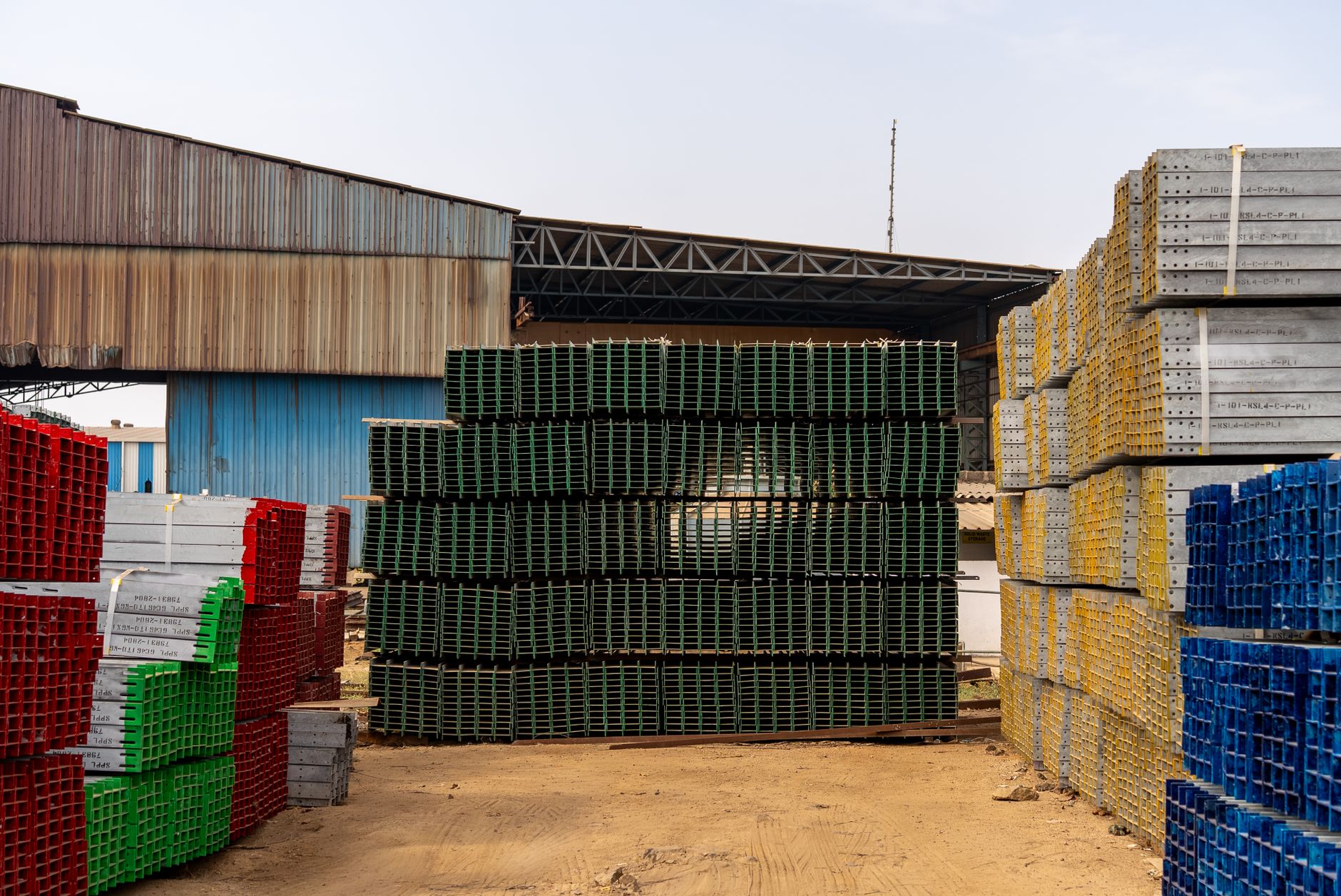
The fit is strongest where loads are heavy and bulky and the same few routes repeat through the day. Tile, laminate, vinyl, carpet and underlayment arrive in large cartons that are awkward to stack and move between a small set of places. We lease and deploy these units through lease financing programs, and the payment comes in the quote after a free site assessment.
What slows forklift crews down at a flooring distributor today?
Bulky pallets are the main drag. Floor coverings are dense and awkward. A pallet of tile is heavy but stable, while a stack of carpet rolls or wide boxes can block sight lines and force slow, careful driving. A crew that handles dozens of these moves a shift feels every extra trip back to the dock.
The bigger losses sit in the gaps between moves. Operators wait for a clear lane, drive empty back to the dock, check lot numbers against paperwork, and stop when a truck is unloading at the same door. Each wait is small. Across a full shift, and especially through delivery peaks, these waits decide whether the dock stays clear.
Public counts for this trade are thin, and most describe a wider group than the distributors you compete with. According to IBISWorld, there were 17,834 floor covering stores in the US in its 2025 count, though that is a retail measure. According to an industry database built on NAICS data, floor covering stores number 7,846 firms and 9,880 establishments. A NAFCD and NWFA white paper reports that the number of US flooring wholesalers has increased since 1992, with business concentrated among a small number of distributors.
Which benefits matter most for pallet flow?
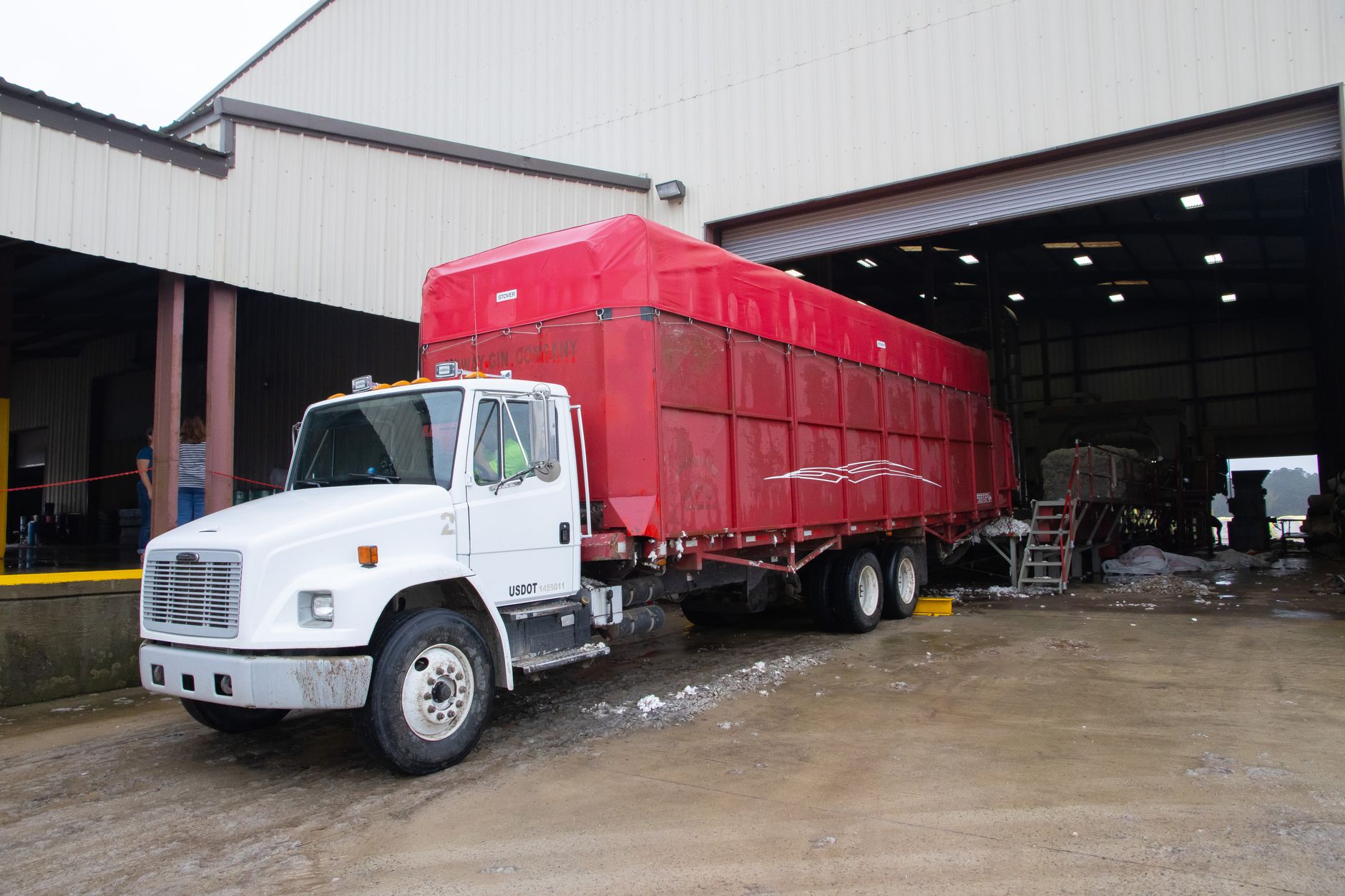
The first benefit is steadier throughput. When each pallet move follows the same route, the time from rack to staging becomes predictable, and dock schedules become easier to plan. Supervisors can see a lane slipping before it turns into a backlog.
The second is fewer idle forklift trips. Each unit trip replaces a trip a person would otherwise drive empty, and crew time moves to tasks that need people, such as building mixed loads, sorting damaged cartons and answering questions from the dock.
The third is lane discipline. Predictable paths make it easier to keep aisles clear, which matters in buildings where aisles double as staging space. Fewer people driving through the busiest lanes also lowers the chance of close calls there, though a site still needs its own safety plan for those lanes.
The fourth is less handling of fragile stock. Repeatable movement can reduce the number of times a carton is set down, lifted and reset. How much this helps depends on the floor, the racking and how your stock is packed, which is why the site assessment looks at those first.
How does the robot work there day to day?
Before the first move, the site assessment builds a map of the building: aisles, docks, rack positions, staging lanes and charging points. Staff confirm clearances and routes. When the layout changes, the map is updated, so a new staging lane or a moved rack is handled before it causes a problem.
Tasks come from the warehouse system or a dispatcher queue. The unit travels its mapped route to the pick position, lifts the pallet, carries it to the assigned staging lane or loading bay, sets it down and returns to charging. Routine checks happen at set points through the day, usually at shift start and during breaks.
Anything off the normal pattern goes to a person. A leaning pallet, a load that will not seat properly, a blocked lane or a pallet the unit cannot read gets flagged. Staff clear the problem and confirm it, and the move then resumes or is reassigned. This exception path is where your team's attention goes once the unit is running.
Which areas of the building does it cover?
Most of the value sits in a handful of areas, each with a different job. The zones shown after this section set out where a flooring distributor usually sees the most repeat moves.
The unit does not replace every part of the building. Exterior yards with uneven surfaces, outdoor staging, very tight spaces and any area the site assessment finds too congested are usually handled by staff or by other equipment. We say so during the assessment rather than after installation.
The useful question is which routes repeat most often. Those are the areas to map first, and they are often the same places where the crew feels the bottleneck most.
Why does safety matter in this work?
Forklift risk is serious and well documented. According to an OSHA Region I directive, OSHA statistics show roughly 85 forklift fatalities, 34,900 serious injuries and 97,185 accidents each year. The same directive states that 42 percent of forklift fatalities involve the operator being crushed by a tipping vehicle.
A Johns Hopkins publication summary attributes approximately 100 worker fatalities per year in forklift and powered industrial vehicle incidents to BLS. It gives BLS forklift-specific counts of 75 to 94 per year for 2011 to 2017. The two sets of counts are drawn differently, so read them as a range of exposure, not a single number.
Automation does not remove that risk on its own. Fewer manual trips through the busiest lanes can lower exposure, but the site still needs pedestrian separation, marked lanes, operator training for any trucks still in use, and a written plan for exceptions. Plan safety before you plan the unit's routes.
How do existing staff and the robot share the work?
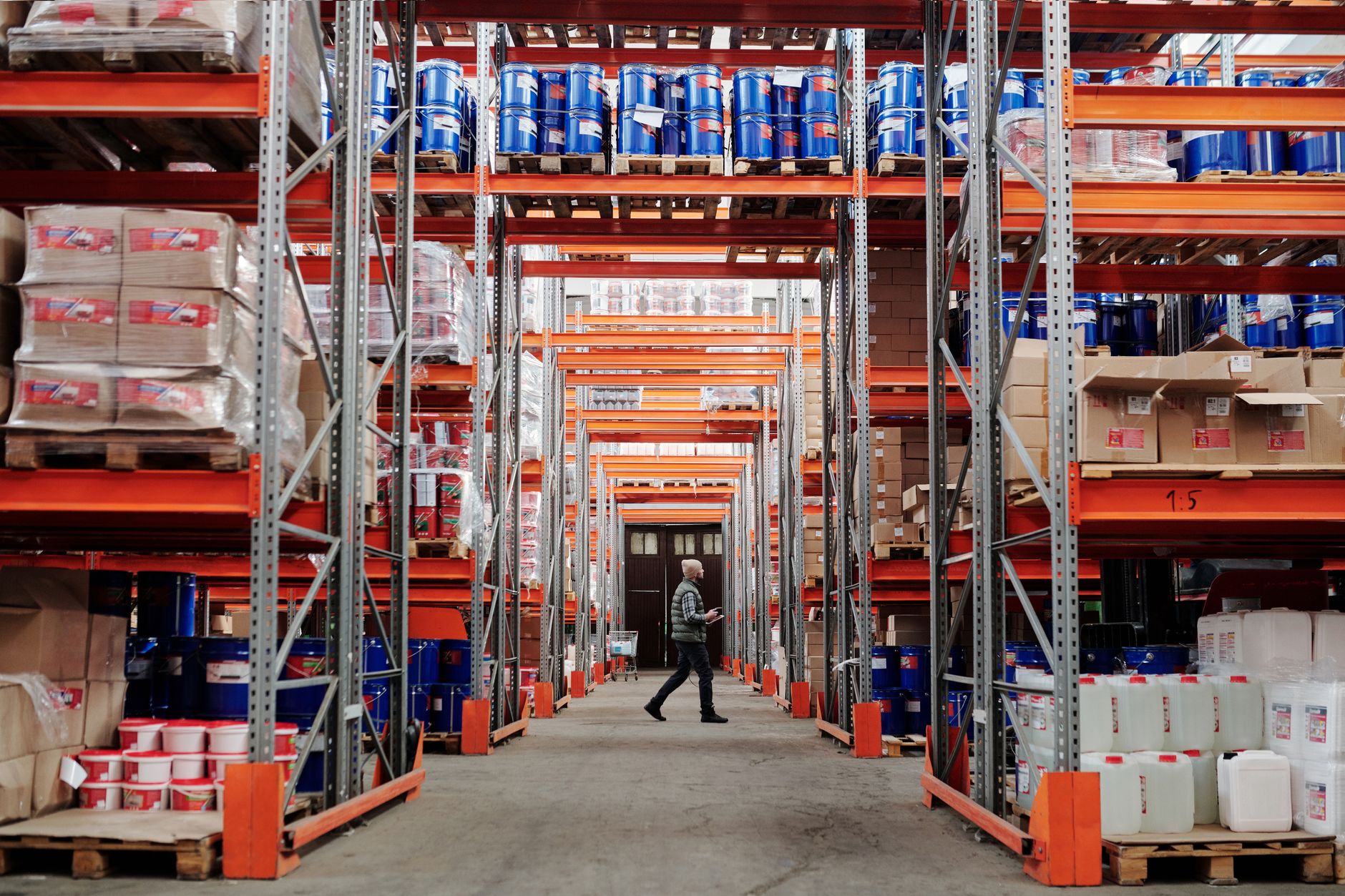
The unit takes the repeatable pallet moves. Your people keep the work around them: loading and checking outbound orders, sorting damaged or nonstandard stock, resolving exceptions, supervising the unit, and handling trucks and customers at the dock. The model is a robot plus a smaller team, not a building with no one on the floor.
Turnover shapes how you plan that team. The IARW 2019 Warehouse Facility Labor Turnover Survey, covering 2018, reports an average labor turnover rate of 32.5%. That survey is dated and covers warehouses broadly rather than flooring distributors, but it is a sound reason to give a stable group of operators the job of supervising the units.
A vendor-published 2025 State of Warehouse Labor Report found that most of its respondents reported turnover below 10%, and a notable share cited 20% or higher. Read that as a directional signal from a vendor, not a benchmark for your site. The gap between those two groups is wide, which is itself a reason to measure your own numbers.
The practical step is to train the people who will work with the unit before go-live, not after. Operators need to know how the unit signals, where it stops, and how to clear an exception safely.
What drives the savings, and what can't it do?
Savings come from a few places: fewer idle trips, steadier dock turns, less overtime at peak delivery times, and crew hours moved from repeat pallet moves to tasks that need people. We do not have a verified range for pallet handling hours at flooring distributors, and we would rather measure your own moves than quote one. The site assessment counts trips, distances, waits and dock schedules, so any estimate starts from your numbers.
The savings depend on how many moves run each shift, how far they travel, how often the dock schedule creates waits, and how the unit is used across the day. A route that repeats often and runs long shows more benefit than a short, occasional move.
The unit cannot take every load. Very heavy or irregular loads beyond its rating, damaged or nonstandard pallets, and loads that need a person to inspect them stay with staff. It also cannot fix clutter. Blocked lanes and loose staging slow any machine, so the assessment will ask you to clear routes first.
Units need charging, scheduled checks and repair when something fails. Service is part of the arrangement for that reason, and a backup plan matters for any route that runs all day.
How do you get started with autonomous forklifts for flooring distributors?
Start with a free site assessment. We map the building, measure aisles and docks, check floors and lighting, identify the highest-volume route, and recommend the unit that fits the site. You leave with a clear view of which moves the unit would take, which stay with staff, and what needs to change before go-live.
Next comes the lease. Units are leased through financing programs, and the payment comes in the quote after the assessment, so you see the full picture before you decide.
We are a US commercial robot integrator. We pick the right robot for the site, lease it through financing, deploy and integrate it, train your staff and service it nationwide. Many operators start with one unit on one route, measure the results for a period, and then decide whether to add more.
If your flooring warehouse has pallet routes you suspect are slowing the crew, the assessment is the place to start. It is free, and it gives you numbers from your own building.
Frequently asked questions
Want an autonomous forklift at your flooring distributor?
Tell us about your site. We will recommend the robot, quote the lease, and keep it serviced.
Sources
- OSHA Region I directive (CPL 04-00-023D)
- Johns Hopkins publication summary: injuries related to forklifts and other powered industrial vehicles
- IARW 2019 Warehouse Facility Labor Turnover Survey Report
- 2025 State of Warehouse Labor Report (vendor-published)
- IBISWorld: Number of Businesses, Floor Covering Stores
- NAICS 442210 floor covering stores industry data
- NAFCD and NWFA industry white paper (Floor Trends)