
Key takeaways
- Night pallet moves are the work most exposed to unfilled shifts at food distribution centers.
- Repeat moves between receiving, storage and dock doors suit a fixed route.
- One 2025 academic study reported about 4 hours of total working time per day for an autonomous forklift, versus about 5 hours for a manual one.
- A robot plus a smaller team is the model, never a building with zero staff.
- Start with a free site assessment, then receive a lease quote through financing.
How Can Autonomous Forklifts for Food Distribution Centers Help?
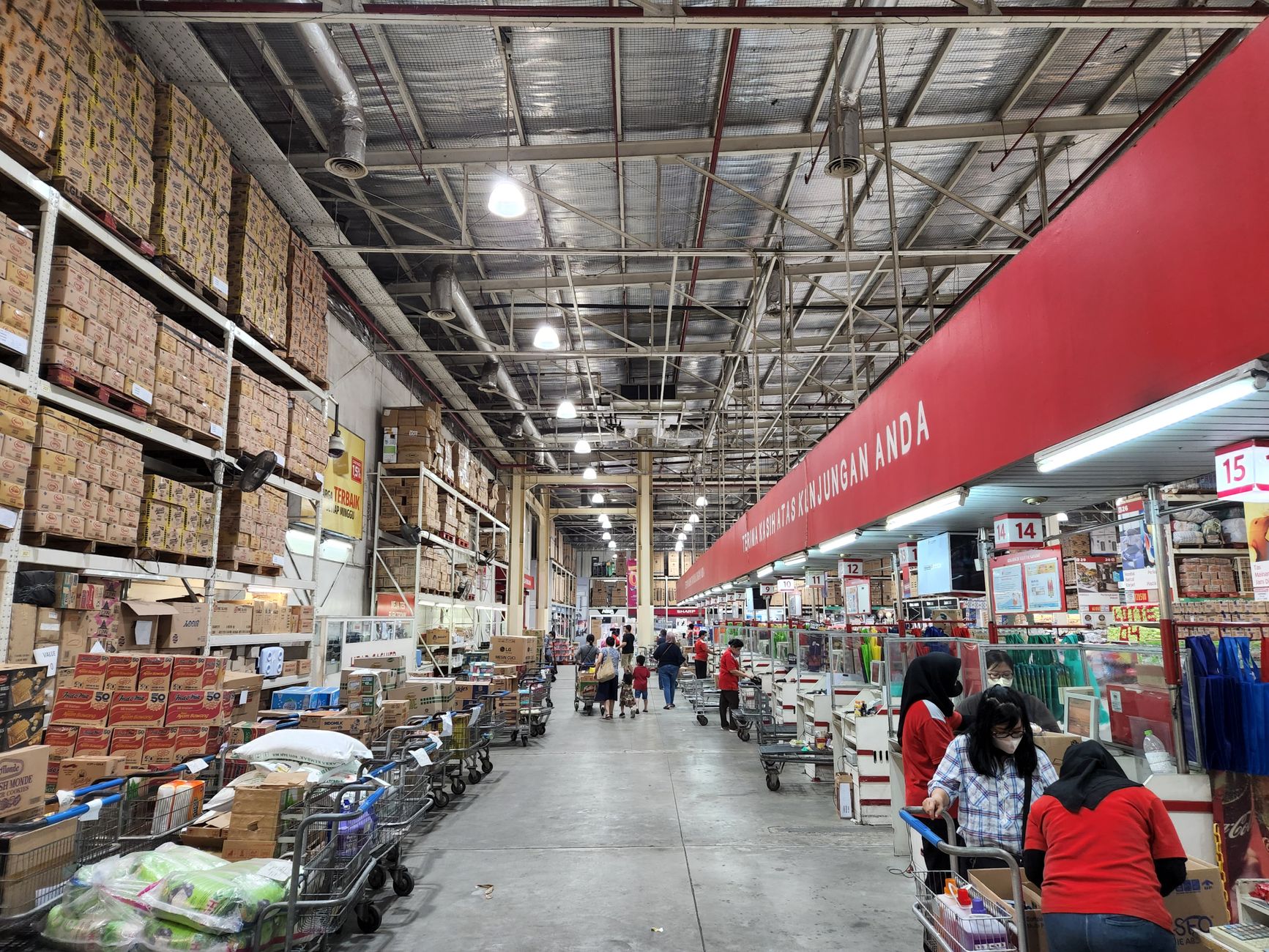
Autonomous forklifts for food distribution centers take over the repeat pallet moves that keep a building running between receiving, storage and dock doors. The best candidates are routes your crew drives the same way every shift, especially overnight, when the work piles up and the people to do it are hardest to find.
The main benefit is steady coverage. A forklift that follows set routes keeps pallets moving when a shift runs short, so outbound loads are staged for early trucks instead of waiting for a full crew. It does not replace experienced drivers on complex jobs. It takes the predictable moves off their list so they can focus on exceptions, damage and loading accuracy.
The fit depends on your floor, your traffic and how steady your routes are. A free site assessment shows whether your moves are repeatable enough to start with one unit.
What Problem Does This Create at Food Distribution Centers Today?
Night pallet moves are the part of the operation most exposed to staffing gaps. Many food distribution centers run heavy receiving and replenishment after dark, so a short crew means trailers wait at the dock and product sits in staging when it should be on the outbound line.
The labor pool is large but hard to hold. According to the U.S. Bureau of Labor Statistics, hand laborers and material movers held about 7.0 million jobs in 2024, and the detailed hand freight, stock, and material movers occupation accounted for 2,988,900 of those jobs. The pool is big, yet night shifts still have to compete for the same people.
Openings are one measure of that competition. According to the BLS job openings release, total nonfarm job openings were 6.5 million in December 2025, and the 2025 annual average was 7.1 million, a decrease of 571,000 from 2024. A smaller openings count does not mean a full night roster, and the crew you can keep sets your throughput.
Turnover makes it harder to hold a steady night routine. A 2025 warehouse labor survey from a staffing marketplace found that most respondents said their facility's average worker turnover rate was below 10%, while a notable share cited rates of 20% or more. The survey is vendor-reported, so treat it as a signal, not a benchmark.
What Are the Main Benefits for a Food Distribution Center?
The first benefit is consistency. An autonomous forklift runs the same route the same way on every shift, which matters when a building needs replenishment finished before the morning receiving window opens.
The second is schedule protection. A night run can start on time with a smaller crew on hand, rather than waiting for a full team to clock in. Moves that were skipped because nobody was free get done, and the day crew starts with stock where it belongs.
The third is less wasted travel. A vendor case study of a large logistics operator reported a system that began moving up to eight pallets per trip, reducing travel waste and congestion. Vendor figures should be checked against your own routes, but the direction matches what a repeat-route system is built to do.
The fourth is better use of experienced people. Drivers spend less time on predictable runs and more time on exceptions, quality holds and loading accuracy, which are the jobs that protect product and customers.
How Does the Robot Work There Day to Day?
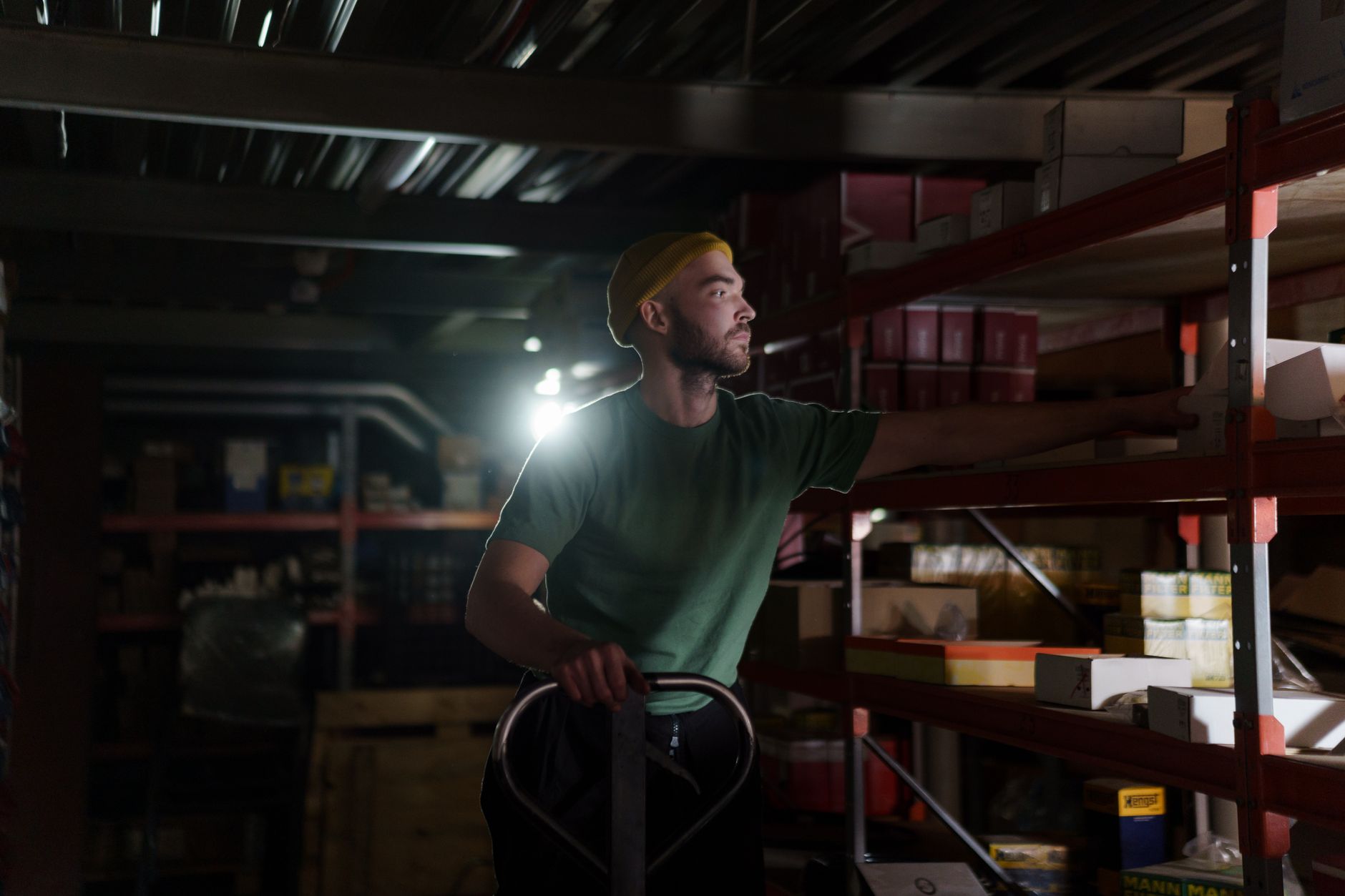
Day to day, the forklift works from a mapped route and a list of stops. Your team defines the lanes, the pick and drop points, and the rules for yielding to people and other vehicles. It then runs those moves through the shift without a driver in the seat.
Setup is quicker on a well-defined floor. A vendor case study of a large logistics operator reported a system programmed in less than a day. Real timelines depend on how many routes you start with and how clear your aisles and racking are on the day you go live.
Supervisors watch the queue, not every move. Exceptions, such as a pallet out of spec or a blocked aisle, come to a person. Charging, pre-shift checks and the shift log are part of the routine, and our service team handles faults and repairs.
Which Areas of the Building Does It Work In?
Autonomous forklifts for food distribution centers work best where moves repeat. The zones below are the areas we see most often, though the exact layout depends on your building.
Routes are set per site. A site assessment maps where the unit can run without crossing unplanned traffic, and where a person should stay in the loop.
How Does It Work Alongside Existing Staff?
A robot plus a smaller team is the normal model, never a building with no staff. The forklift takes the repeat moves, while people handle the parts that need judgment, such as damaged product, mislabeled loads, temperature checks and the exceptions that stop a route.
A night crew of reduced size can oversee the queue and cover exceptions the robot passes back. The right crew size depends on your volume, your building and your rules, and the site assessment helps set it.
Training matters on both sides. Staff learn the queue, the stop controls and the rules for working near the unit. We train the people who run it, so the change does not depend on one lead.
What Drives the Savings?
The savings come from hours, not guesswork. The main lever is the repeat move time that a forklift can take off a night shift. A 2025 academic study listed in a university repository reported that the autonomous forklift averaged about 4 hours of total working time per day, versus about 5 hours for the manually operated forklift.
Vendor figures point the same way. One vendor case study reported a 33% efficiency gain for its autonomous stock chaser compared with an electric pallet jack. Vendor reports are written by the people selling the system, so use them as a starting point for measurement rather than a promise.
Your own numbers decide the result. Track moves per hour, crew hours spent on repeat runs and the time trucks wait at the dock, then compare against a pilot period on your floor. The range for your site belongs in the quote after a site assessment, not in a headline.
What Can an Autonomous Forklift Not Do?
It does not handle every job. Autonomous forklifts suit predictable routes. Unusual loads, damaged pallets, non-standard racking and anything that needs a human eye still need a person.
Floor conditions matter. Blocked aisles, uneven surfaces, spills and poor lighting can stop a route until someone clears them. Plan for those exceptions in your staffing rather than treating them as surprises.
It cannot fill a shortage on its own. The design is a robot plus a smaller team. Someone still clears faults, handles exceptions and makes decisions about product, and those roles stay in the building.
How Do You Get Started?
Our company is a US commercial robot integrator. We pick the right robot for the site, lease it through financing, deploy and integrate it, train your staff and service it nationwide. Robots are leased only, through financing.
The first step is a free site assessment. We map your routes, review your night volume and dock layout, and agree on a starting scope. Many operators begin with one leased unit and a clear measurement plan, then expand once the numbers are in.
After the assessment, you receive a quote built from your site, with the payment, the lease financing terms and the service plan spelled out. Go-live support covers the first shifts, and one partner handles dispatch and repairs across the fleet.
Frequently asked questions
Want an autonomous forklift at your food distribution center?
Tell us about your site. We will recommend the robot, quote the lease, and keep it serviced.