
Key takeaways
- Fixed pallet routes can move to a robot so order pickers spend more of the shift in the pick aisles.
- Travel is a large share of picking time, which makes pallet and aisle travel the first place to look.
- Turnover runs high in retail and wholesale, so a steady pallet route keeps flow moving while staff change.
- Vendor and simulation figures for hours saved are a starting point, so measure your own lanes first.
- Start with one leased unit, a free site assessment and a lease quote before committing to more.
How can autonomous forklifts for sporting goods distributors help?
Sporting goods distributors move a great many pallets. Cases of bats, bikes, team apparel and boxed fitness gear arrive on inbound trailers, go into reserve racking, and come back down to the pick faces before they leave on outbound trucks. Much of that pallet work is steady and repeats on the same lanes every day, which is the kind of work an autonomous forklift handles well.
The main benefit is not that a robot replaces every forklift task. It is that pallet moves stop crowding out order picking. When the fixed routes between dock, racking and staging run on a robot, pickers spend more of their shift in the pick aisles. Autonomous forklifts for sporting goods distributors pay off most where pallet flow is predictable and the routes repeat.
Naicslist, a NAICS code directory that cites 2020 Census data, lists 4,611 businesses and 5,377 establishments nationally for the sporting and recreational goods merchant wholesale group, so there are many operations like yours across the country. The rest of this page covers the problem, the benefits, a typical day, the work areas, how staff share the floor, what drives the savings, what the robot cannot do, and how to start with a robot pilot program.
What is pallet work crowding out today at a sporting goods distributor?
Order picking is usually the most labor heavy part of a distribution day, and pallet moves are the work that competes with it. A driver busy putting away a trailer is not in the pick aisle, and a picker waiting on a replenished pallet loses minutes. According to an abstract in a Lithuanian university repository, picking takes almost 50% of all warehouse labour activities. That is an academic figure rather than an industry survey, so use it as a planning range.
Travel is a large part of the picking clock too. A 2017 simulation conference paper puts travel between storage locations at about 50% of overall picking time. In a building with long racked aisles of team gear and fitness equipment, a large share of a picker's time goes to walking rather than selecting.
Pallet work pulls people off those aisles because inbound pallets need to reach racking and replenishment pallets need to reach pick faces at set times. When those moves are done by hand or by a driver answering a radio call, they break up the order flow in ways that are hard to plan around.
What are the main benefits?
The first benefit is steadier pallet flow. An autonomous forklift runs the same route to the same lane each time, so replenishment arrives when the pick faces need it rather than when a driver frees up. That consistency matters most in the afternoon, when outbound orders stack up and the staging lanes have to be full before the trucks arrive.
The second is more of the shift spent on picking. When pallet moves go to a robot, staff who used to bounce between tasks can stay on orders. The gain shows up as fewer idle minutes in the pick aisles and fewer interruptions for the lead, not as a single headcount number, so track it lane by lane.
The third is coverage when staffing is tight. Turnover runs high in this part of the economy, as the figures later on this page show, and every open shift lands on people already doing the work. A robot on a fixed pallet route does not call in sick, and it keeps the flow moving while you hire and train the people you need.
Which areas of the building does the robot work in?
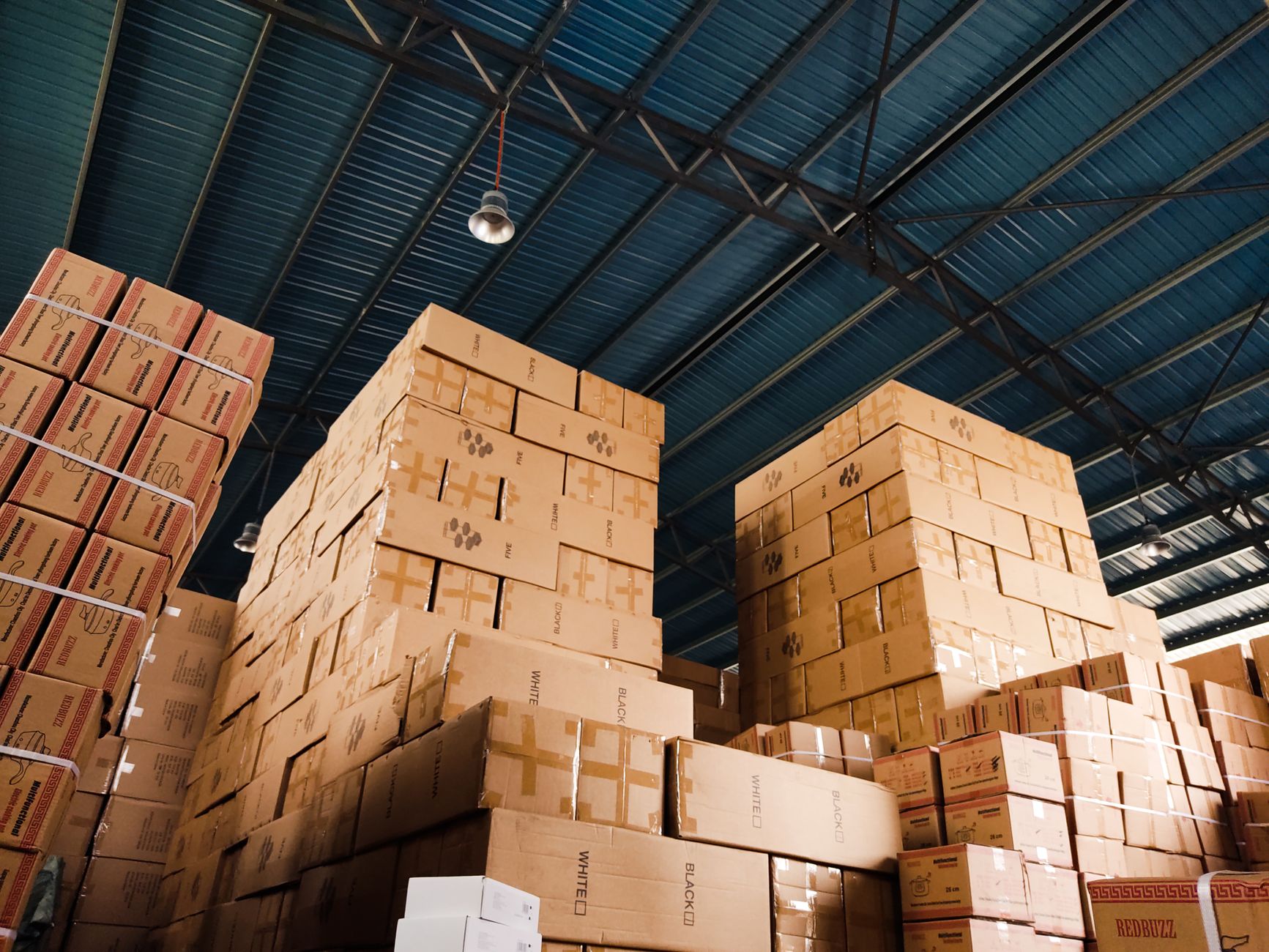
Autonomous forklifts for sporting goods distributors work in the lanes between fixed points. A typical building has a receiving dock, reserve racking, pick aisles and a staging area near the truck doors. The robot needs clear, mapped routes through those areas, and the map is built during the site assessment rather than guessed at.
Six areas usually matter most. The list below names what the robot does in each and the kind of space a photo would show.
Some areas stay under staff control, at least at first. Locked cages for high value items and any area with unusual loads or unstable pallets usually need a person. A route that covers the dock and two pick aisles often teaches more in its first weeks than a plan for the whole building on paper, so starting small is easier to measure and easier to trust.
How does the robot work through a typical day?
A day starts with a route list, not a dispatch call. The shift check confirms the map, the battery charge and the pallet queue at the dock, and a lead clears any blocked route. The robot then runs its scheduled moves, and staff set the day's priorities through the control system.
During the day the robot slows or pauses when a person or cart enters its path, and it resumes when the route is clear. Exceptions, such as a pallet that will not fit a lane or a torn wrap, go to a lead who can resolve them. Staff do not need to walk the robot's path to check it. They read the route log at the end of each shift, which lists the moves completed and any stops, and they note what needs fixing for the next day. The sequence below shows a typical day.
The schedule follows the trailers and the order waves. Afternoon peaks need staging lanes filled early, so the late morning moves tend to matter more than the first ones.
What really drives the savings?
Savings come from hours, and the hours are the part to measure carefully. An automated forklift maker's infographic says one indoor robot can save about 3 to 4 hours of traveling time in an 8-hour shift. That is a vendor figure, not a measured study, so use it as a figure to test on your own lanes rather than a result.
A vendor case study of one customer reports 60 labor hours saved each week, with return on investment reached within two years. The method behind that figure was not visible in the material, so ask for the baseline before you rely on it.
Simulation studies point the same way. A 2007 study reports possible travel reductions of up to 80% for picking, and the 2017 simulation paper puts travel at about 50% of picking time. Simulated results set a ceiling for the travel share, not a forecast for your building.
The labor side also depends on turnover. A 2025 US turnover survey put average voluntary turnover at 13.0% and found retail and wholesale had the highest rate at 26.7%. A supply chain trade publication cites an average of 11.6% across warehouse and distribution operations. Fewer open pallet shifts means fewer gaps to cover.
What can the robot not do?
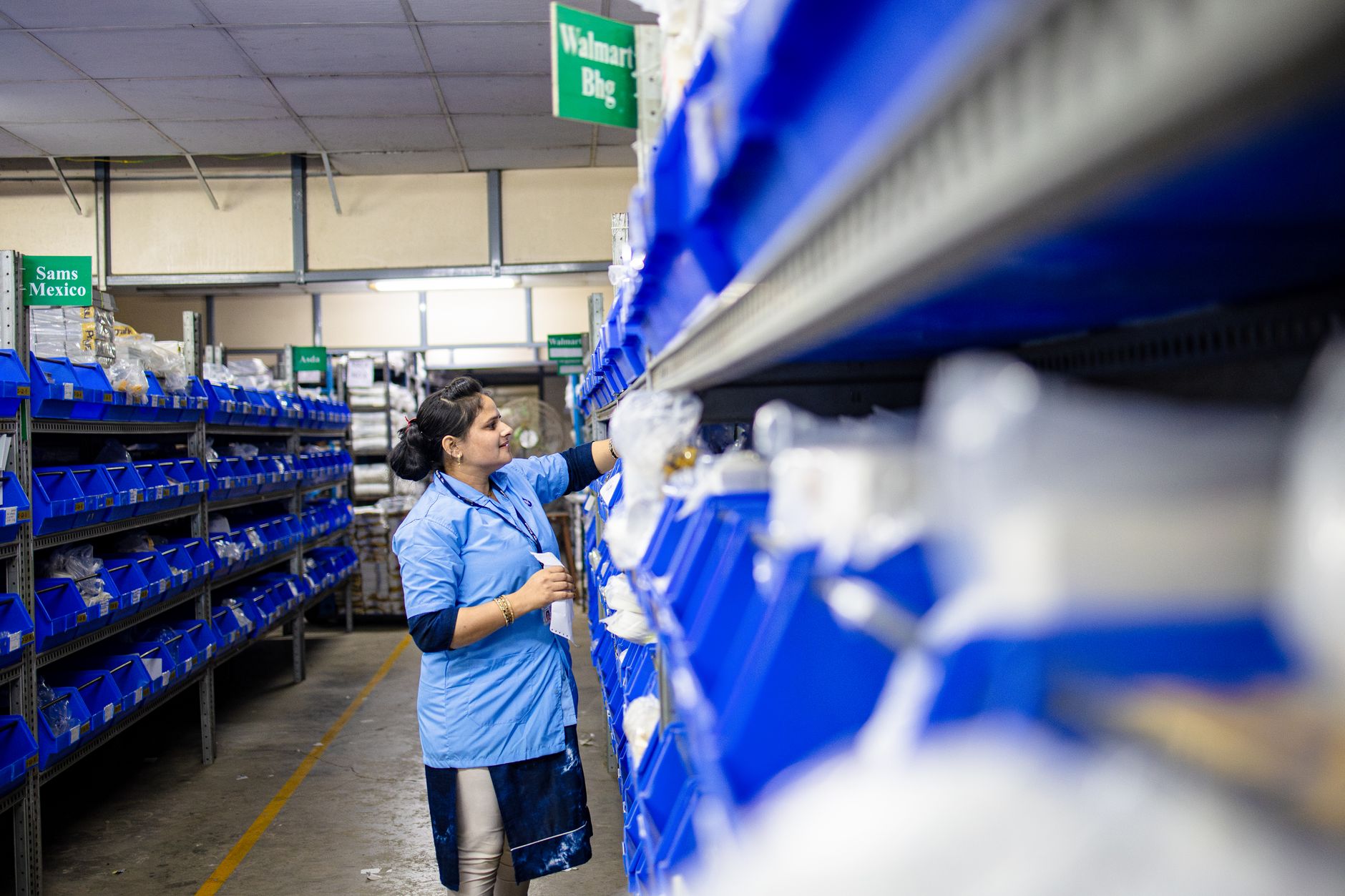
It does not pick orders. Cases, single items and loose pieces still need people, and a pallet mover is not a picking tool. It also cannot judge a load the way a person can, so oversized, unstable or damaged pallets should go to staff.
The floor and the layout set limits. Uneven concrete, tight corners, blocked routes and aisles that change often make the robot slower or stop it from running. Racking and pick faces may need adjusting before a route works well, and that adds time at the start.
Results depend on how well the route is designed and how well the team keeps it clear. The first months should be measured against your own lanes, with the baseline written down before go live, so the numbers can be compared fairly.
Turnover and training also limit what the robot can do early on. A new lead needs time to learn the exception steps, and a route that runs well with trained staff can stall when the people who know it leave. Keep at least two people trained on the controls for every shift.
How do you get started?
Start with a free site assessment. We look at the dock, racking, pick aisles and pallet flow, and map the routes a robot would run. The payment comes in the quote after that assessment, so you see a number for your own building rather than a general estimate.
Robots are leased through financing, and the lease options cover the robot, robot deployment and integration, staff training and service. We service the units nationwide and can arrange on-site dispatch when a unit needs attention, so ask what each quote includes and compare terms line by line.
A sensible path is a robot pilot program with one leased unit on your highest volume pallet route. Measure the hours on that lane for several weeks, compare them with your baseline, and decide whether to add units. Bring your pallet counts and shift schedule to the assessment.

Frequently asked questions
Want an autonomous forklift at your sporting goods distributor?
Tell us about your site. We will recommend the robot, quote the lease, and keep it serviced.
Sources
- Order picking labour share abstract, Lithuanian university repository
- 2017 simulation conference paper on picking travel
- 2007 study on picking travel reduction, simulated
- Automated forklift travel time infographic, vendor
- Vendor case study, 60 labor hours saved each week
- 2025 US turnover survey statistics
- Supply chain trade publication, warehouse turnover
- NAICS directory with 2020 Census data