
Key takeaways
- Heavy tile pallets tie up dock and floor staff on every truck, and an autonomous forklift can take the repeat moves.
- Hiring pressure is real, with about 384,300 projected annual openings for freight, stock and material movers from 2024 to 2034, according to O*NET.
- Forklift work carries serious injury risk, so route design and staff training matter from the first day.
- Savings should come from hours measured on your own dock, not from a promise.
- Start with a free site assessment, then receive a lease quote through financing.
Can autonomous forklifts for tile distributors ease the dock bottleneck?
Yes, in the places where the work repeats. At a tile distributor, pallets are heavy, trucks arrive in bursts, and the same moves run all day: trailer to dock, dock to rack, rack to loading door. Autonomous forklifts for tile distributors take over those repeat routes so people can stay on the work that needs judgment.
The benefit is not that a machine replaces your team. It is that your team stops being the only way a pallet moves. When a truck arrives, dock staff can check paperwork, look for damaged cartons and keep receiving moving instead of waiting for a forklift to free up.
The fit depends on your floor, your aisles and your volume. That is why the first step is a free site assessment, not a commitment to anything.
What does pallet handling look like at a tile distributor today?
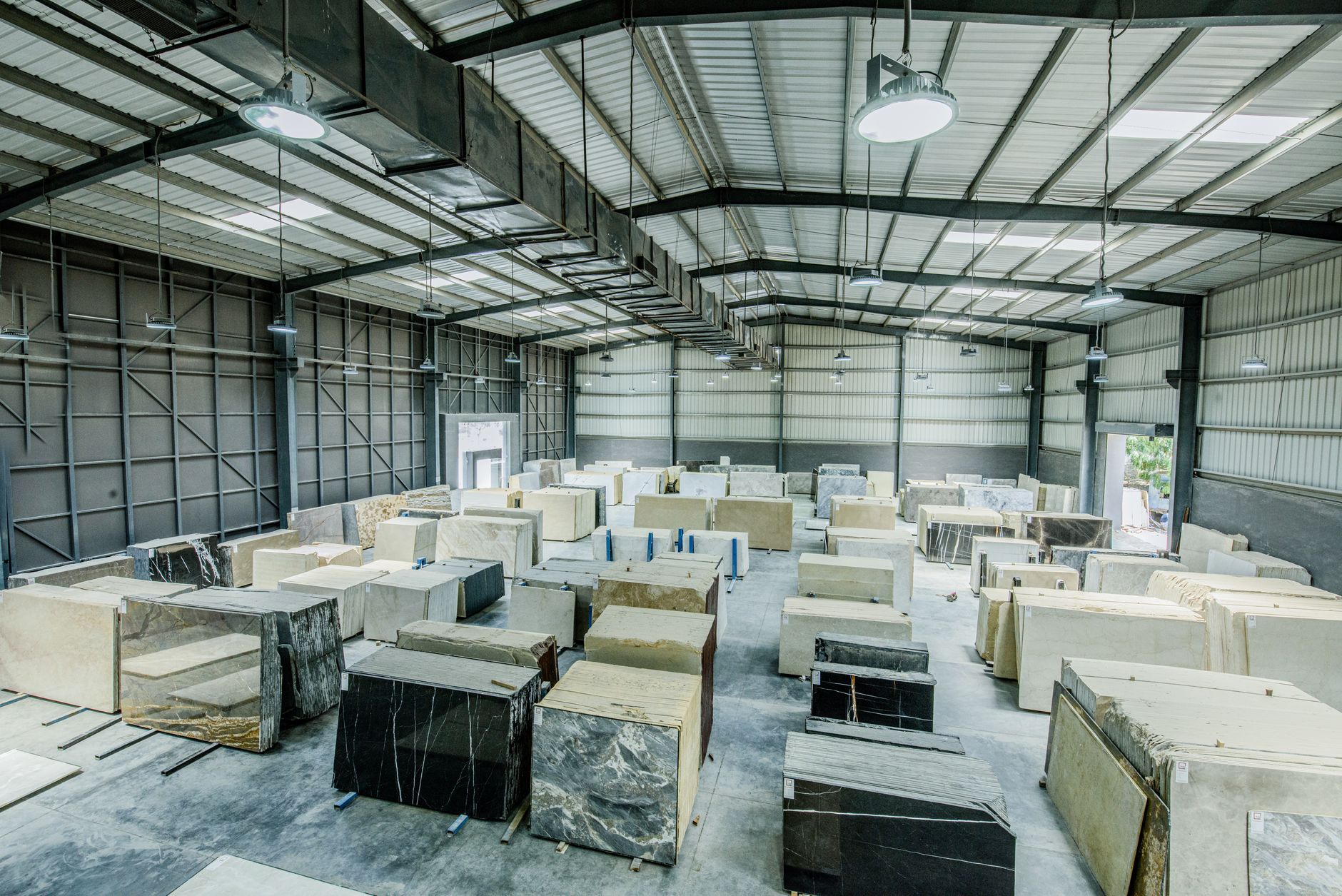
Tile is dense and unforgiving. A single pallet carries a lot of weight in a small footprint, and the handling is rarely one move. A load comes off the truck, gets checked, moves into reserve racking, and later comes back down to a loading door when an order calls for it. Every one of those steps ties up a person or a forklift that could be doing something else.
Staffing is the strain point. According to the Bureau of Labor Statistics, there were 6,950,000 hand laborers and material movers in 2024, and the projected change from 2024 to 2034 is 258,400 jobs, or about 4%. Those are steady numbers, not a surge, so the people who do this work are not easy to replace quickly.
O*NET puts the freight, stock and material mover group at about 2.99 million jobs in 2024, with 384,300 projected annual openings from 2024 to 2034. Every opening is a person your team has to recruit, train and keep on the dock, and that hiring load is what a fixed pallet route can ease.
Why does forklift work carry so much risk?
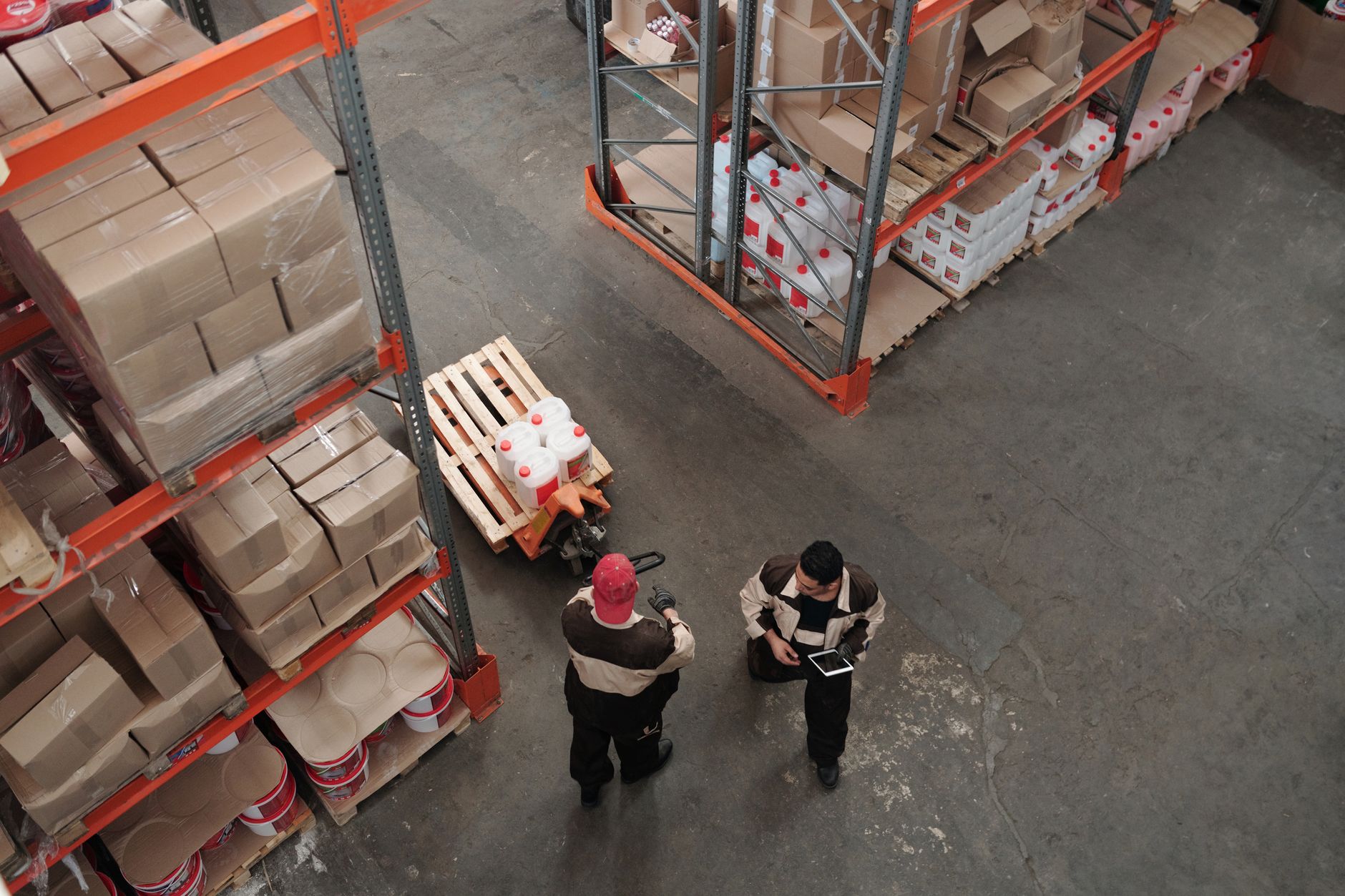
Forklift work is among the more dangerous jobs in a warehouse, and the numbers are worth knowing before you plan any change. According to a loss control summary that cites OSHA, the commonly cited estimate is about 35,000 serious and 62,000 non-serious forklift injuries a year.
A secondary summary of OSHA data reports 78 work-related deaths and 7,290 nonfatal injuries involving days away from work in 2020. A law firm summary of Bureau of Labor Statistics counts puts forklift deaths at 75 to 94 a year from 2011 to 2017.
Sources do not agree on the leading cause. OSHA Region I names pedestrians being struck as the leading cause, drawing on BLS 2012 data, while other sources point to tip-overs. For a tile operator the practical lesson is the same either way: people walking near pallet moves are exposed, so route design and separated walkways matter.
How many trucks and operators are in US workplaces?
OSHA's background for its powered industrial truck training rule puts the workforce at about 1.5 million workers operating about 855,900 powered industrial trucks. That is a large population of people sharing aisles with machines, and it explains why training and traffic rules sit at the center of every forklift operation.
Enforcement is active as well. According to a secondary report on OSHA enforcement, the powered industrial truck standard, 29 CFR 1910.178, had 3,340 offenses in fiscal 2013. Training records and traffic rules get checked, not only the moves on the floor, so any change to your fleet has to keep the paperwork in order.
How does an autonomous forklift work on a tile floor day to day?
The unit runs fixed routes between the points you define: receiving staging, reserve racking, pick aisles and outbound doors. Before go-live, the building is mapped so the unit knows where aisles, racks, doors and charging areas sit, and its paths are set around the traffic you already have.
A typical shift starts with a load arriving at staging. A staff member confirms the pallet and its destination, the unit moves it, and it returns for the next task. People keep the exception work: damaged cartons, mixed loads and pallets that do not match the paperwork.
Route design keeps the job steady. Routes that cross heavy foot traffic are the ones to rework first, because that is where the pedestrian exposure from the injury figures shows up in practice.
Which areas of a tile distributor does it work in?
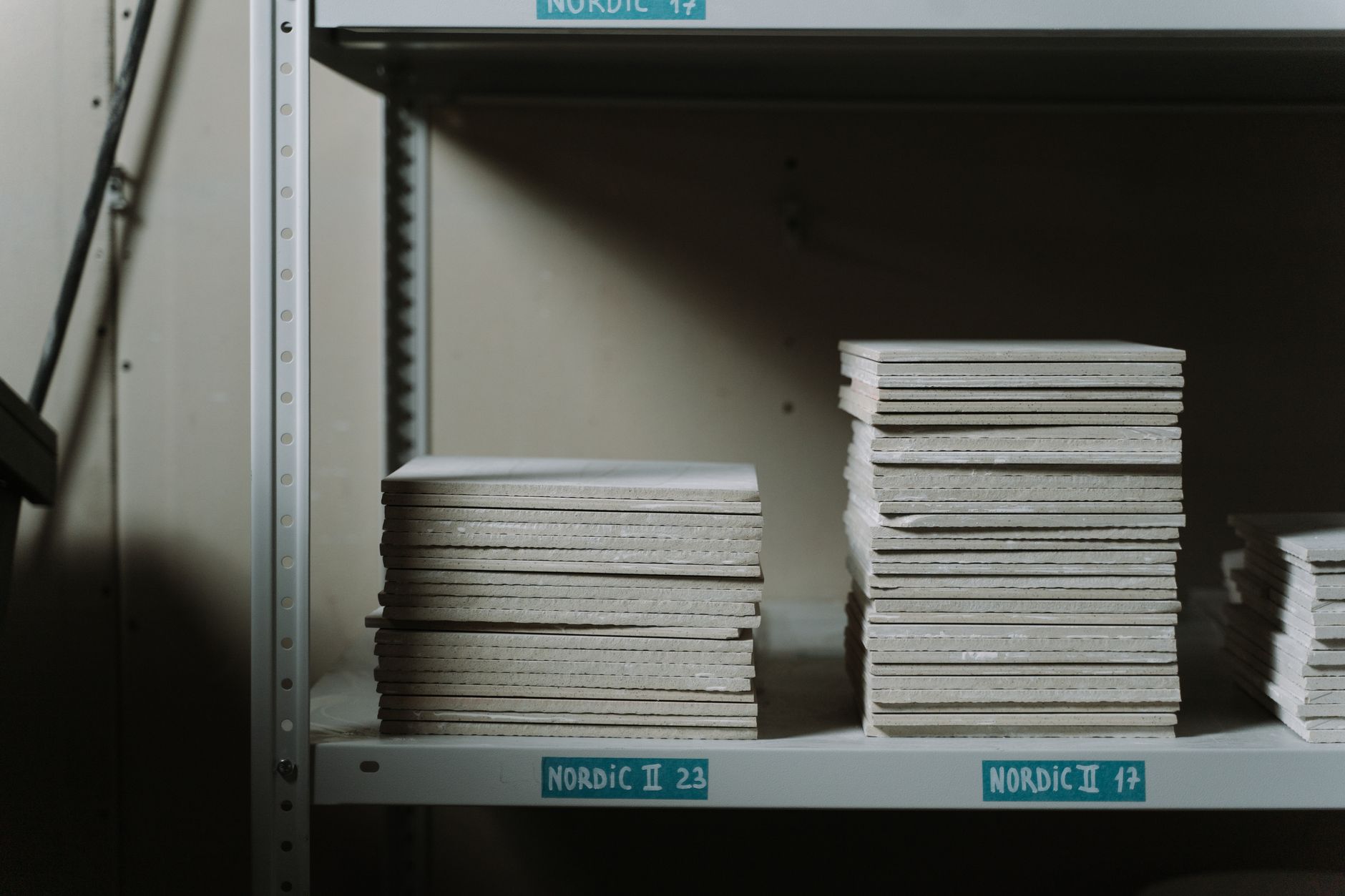
Autonomous forklifts fit repeat moves, and in a tile distributor those moves cluster in a few zones. The list below shows where the work usually sits. The exact zones are set during the site assessment, and not every building uses all six.
Outdoor yards and open weather exposure are outside this plan unless a site is set up for them. Areas with mixed foot traffic usually need separated routes and a separate review before they are included.
How does it work alongside existing staff?
The unit never works alone. A forklift on a route still needs people who load trucks, check labels, handle exceptions and keep the aisles clear. We plan the team first: which tasks move to the unit, which stay with staff, and who covers the dock when a unit is charging or off its route.
We train the staff who work beside the unit, and we service it nationwide after go-live, so your team is not left to troubleshoot alone. The goal is a robot plus a smaller, steadier team, with people on the floor on every shift.
What drives the savings, and how do you measure them?
Savings come from three places: fewer hours spent by people on repeat pallet moves, fewer dock delays while the team waits on a free forklift, and less exposure to the injury patterns described earlier. We are not giving a number for your building here, because we have not verified a tile-specific hours figure for this kind of distributor.
The better measure is your own data. Log how many pallet moves each shift makes, how long each move takes and how often a truck waits at the door. The site assessment turns those logs into an hours range for your building, and the lease quote follows from that assessment.
Labor supply is the backdrop. With about 384,300 projected annual openings in the freight and material mover group, according to O*NET, filling every shift by hand becomes a steady recruiting task, and that is where the labor side of the case tends to be strongest.
What can an autonomous forklift not do?
It does not replace judgment. It cannot look at a damaged carton and decide what to do with it, build a mixed tile load in a sequence only an experienced person knows, or handle an unplanned obstacle outside its mapped route without staff stepping in.
It works within the floor it was mapped for. Major layout changes, new racking or a moved dock mean a remapping before the unit runs the new routes well. Outdoor yards and mixed traffic areas need their own review before they are added.
Expect a ramp-up period. The first weeks show where routes need tuning, which is normal planning and not a sign the job is failing.
How do you get started?
Start with a free site assessment. We look at your floor, aisles, dock layout, pallet flow and traffic, and we map the site so the unit knows where it works. From there we recommend the right unit for the site and the number that fits the work.
The lease runs through financing, and the payment comes in the quote after a free site assessment, not before. We deploy and integrate the unit, train your staff and service it nationwide. Bring your dock logs and your truck schedule to the assessment, and let the numbers from your own building set the plan.
Frequently asked questions
Want an autonomous forklift at your tile distributor?
Tell us about your site. We will recommend the robot, quote the lease, and keep it serviced.
Sources
- OSHA powered industrial truck training directive
- Loss control resource library summary citing OSHA
- Powered industrial trucks stats summary of OSHA data
- Forklift accidents summary citing BLS counts
- OSHA Region I powered industrial truck directive
- ISHN powered industrial truck violations report
- Bureau of Labor Statistics Occupational Outlook Handbook, hand laborers and material movers
- O*NET OnLine local trends for 53-7062