
Key takeaways
- Autonomous forklifts suit the repeat bale and pallet moves that tie up experienced operators.
- Set aisles and fixed routes are where these machines do the most work.
- Annual turnover of 35 to 49% in warehousing makes training a constant task.
- Vendor hours figures are claims, so measure your own lanes before relying on any number.
- A robot plus a smaller team is the plan, and the lease quote follows a free site assessment.
How can autonomous forklifts for tobacco warehouses help?
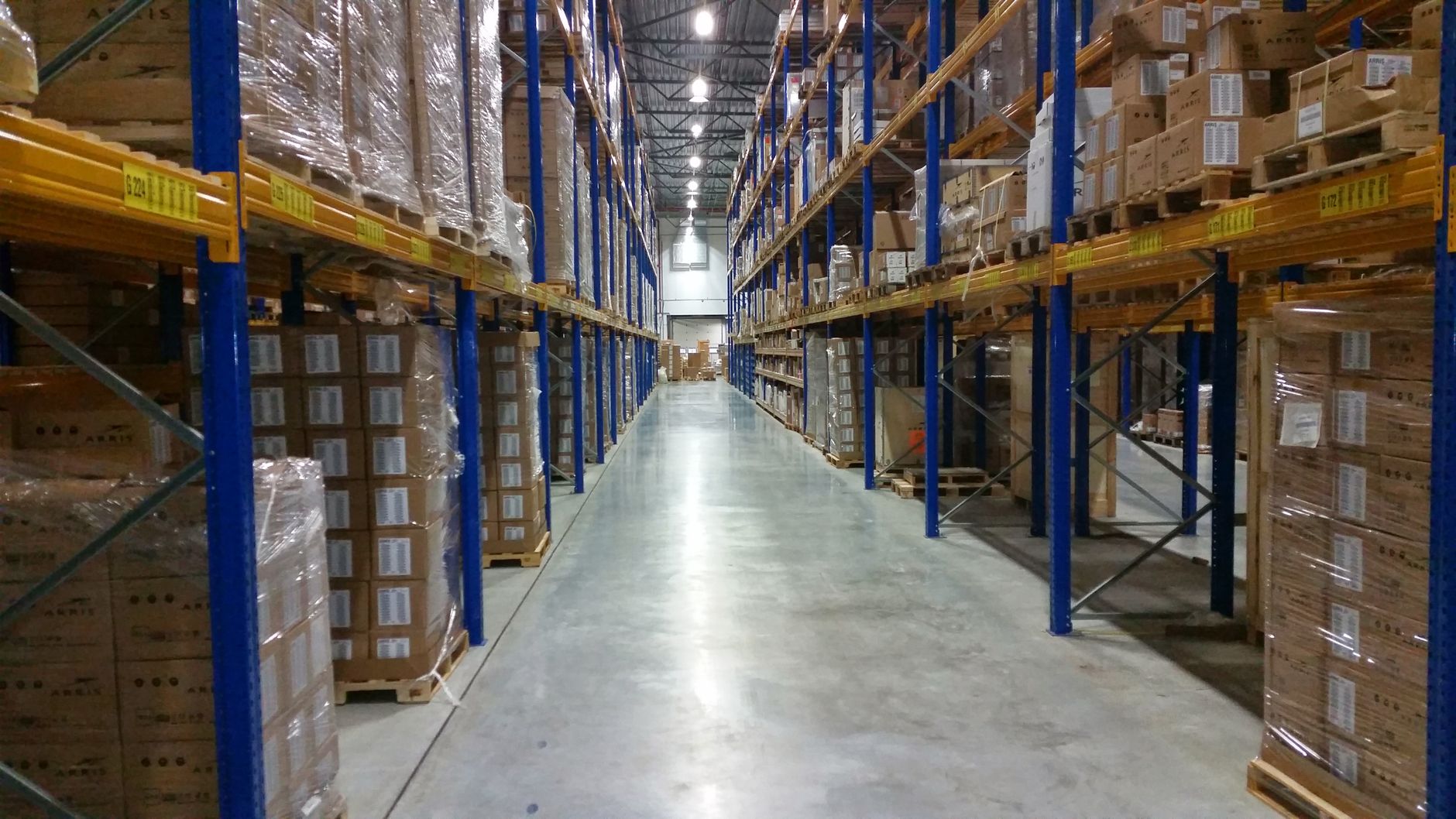
Autonomous forklifts for tobacco warehouses help most with one kind of work: long, repeated moves of heavy bales and pallets along the same aisles. A tobacco facility moves dense, heavy product from receiving to storage, from storage to staging, and from staging to the outbound dock. Each of those moves ties up an experienced operator who is also needed for work that calls for judgment.
An autonomous forklift takes over the repeat part of that job. It carries a load along a planned route, stops for people in its path, and returns for the next pallet. Your experienced operators stay on irregular loads, damaged bales, and the staging calls that need a human eye, while the routine trips run on schedule.
We are a US commercial robot integrator. We pick the right robot for the site, lease it through financing, deploy and integrate it, train staff, and service it nationwide. The sections below cover the problem, the benefits, the lanes, the daily work, the team, the savings and their limits, and how to start.
What does heavy bale and pallet work look like at a tobacco warehouse?
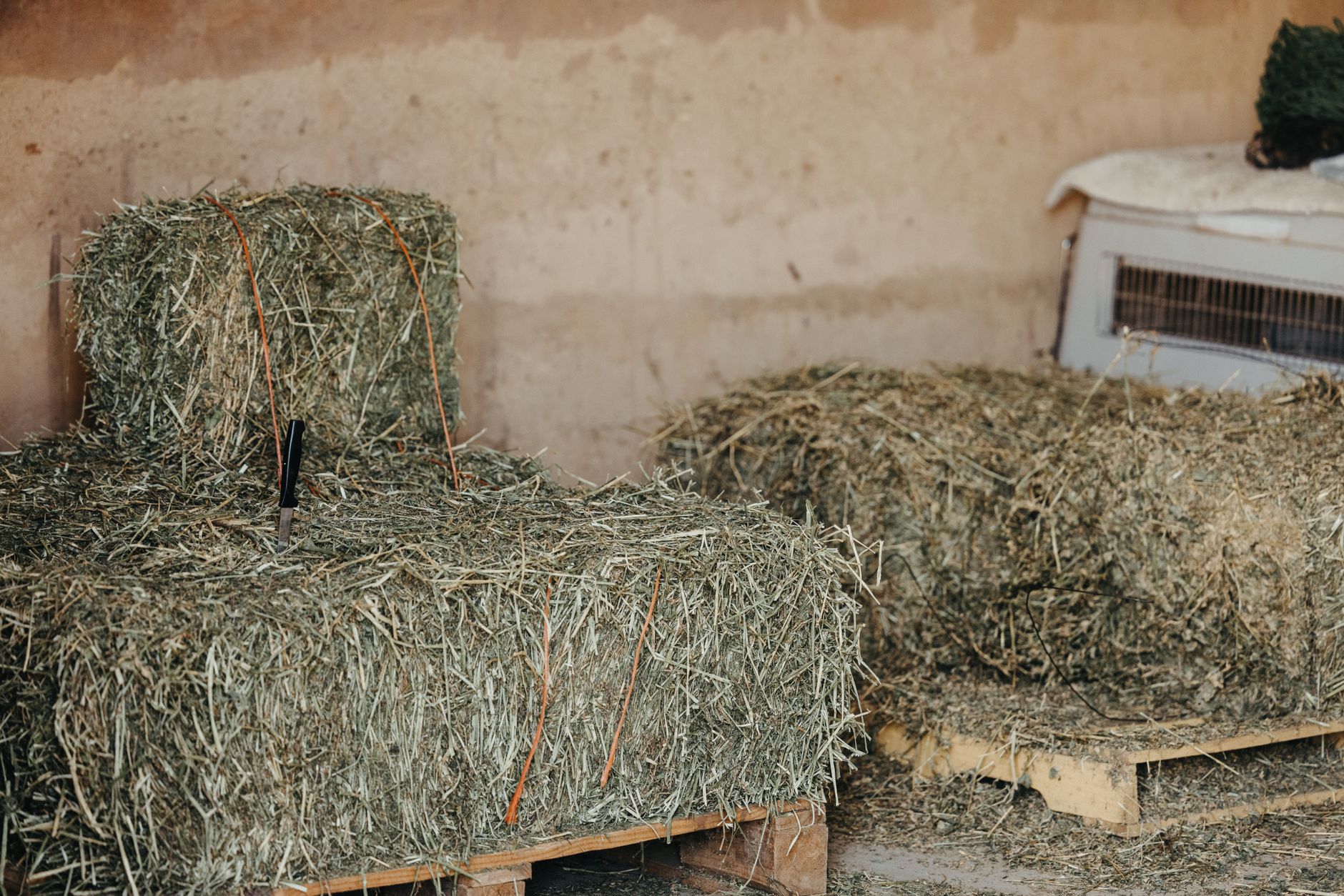
Leaf and finished product arrive heavy and stay heavy. Bales and pallets get moved several times between receiving, storage, staging and loading, and most of those moves follow the same few routes every shift. Experienced operators are often the people trusted to run them, so on a busy day a few skilled hands can set the pace for the whole building.
The Bureau of Labor Statistics reports 2025 employment of 28,080 separating and filtering machine operators and 9,440 laborers and material movers in the combined beverage and tobacco subsector. The same BLS page counts about 16,880 private industry establishments in the second quarter of 2025 across that subsector. Those figures cover more than tobacco, so read them as context for the labor market, not as a count of your site.
Heavy moves also carry injury risk. A forklift safety summary attributes about 35,000 serious forklift injuries and about 62,000 non serious ones per year to OSHA data, and it reports 75 to 94 forklift fatalities a year from 2011 to 2017. These are secondhand figures, but they explain why every move that keeps people out of a heavy lift path is worth planning for.
How does turnover make the operator problem worse?
Turnover turns a training problem into a permanent one. A staffing summary that cites Bureau of Labor Statistics JOLTS data puts annual turnover in warehousing and fulfillment at 35 to 49%. A new operator needs time to learn the aisles, the load rules and the dock calls before they can run heavy moves alone.
Those numbers describe warehousing in general, not tobacco. For a broader comparison, a 2025 workforce survey, as cited by a workforce statistics summary, found average US voluntary turnover of 13.0% across all industries and 26.7% for retail and wholesale. Use these as context, then check your own exit records, which will tell you more.
An autonomous forklift does not fix turnover, and it does not remove training. What it changes is how much of the routine flow depends on a few experienced hands. The machine follows the same routes every shift, so the repeat moves stop depending on one person's memory of the building.
Where does an autonomous forklift work in a tobacco warehouse?
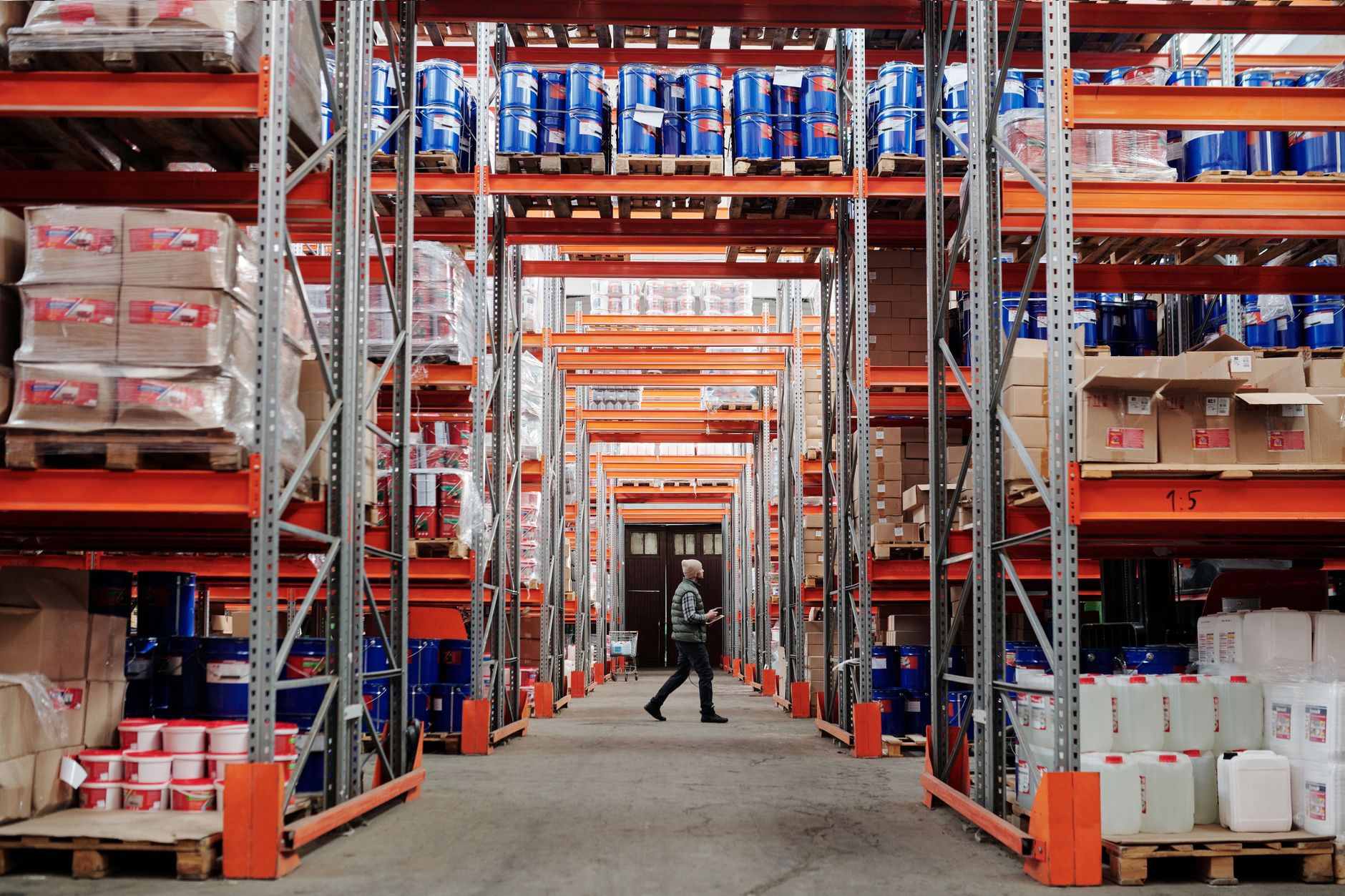
The best fit is any zone with set aisles, predictable loads and a steady flow of pallets between fixed points. That usually means the parts of the building where the same moves repeat hour after hour. The open floor, where the layout changes every day, is a poor match for this kind of machine.
Start with the lanes that carry the most heavy moves. These are often the receiving dock to storage run, the storage to staging run and the staging to outbound run. We map them with you during the site assessment, then decide which lanes should earn a machine first.
Plan the people side as carefully as the route. Marked walkways, clear sight lines at intersections and set places where staff wait during moves keep the lane predictable for everyone, the machine included.
How does the autonomous forklift work day to day?
Each shift starts with the work queue. A supervisor or the warehouse system sends bale and pallet moves to the forklift, which takes the next open task on its mapped route. It travels the aisles, reads its surroundings with sensors, and stops for people in its path.
Staff still stage loads at fixed pickup points and clear exceptions. The forklift does the carrying and the repeat trips. Operators handle the calls that need a person, such as a torn wrap, a load that does not match its label, or a bale that has shifted on the pallet.
Checks and charging happen between runs. A walk around the vehicle, a look at the forks and tires, and a note of any alarms keep it on route. A supervisor can watch route status on a screen while the crew works the dock.
How does a smaller team work alongside the forklifts?
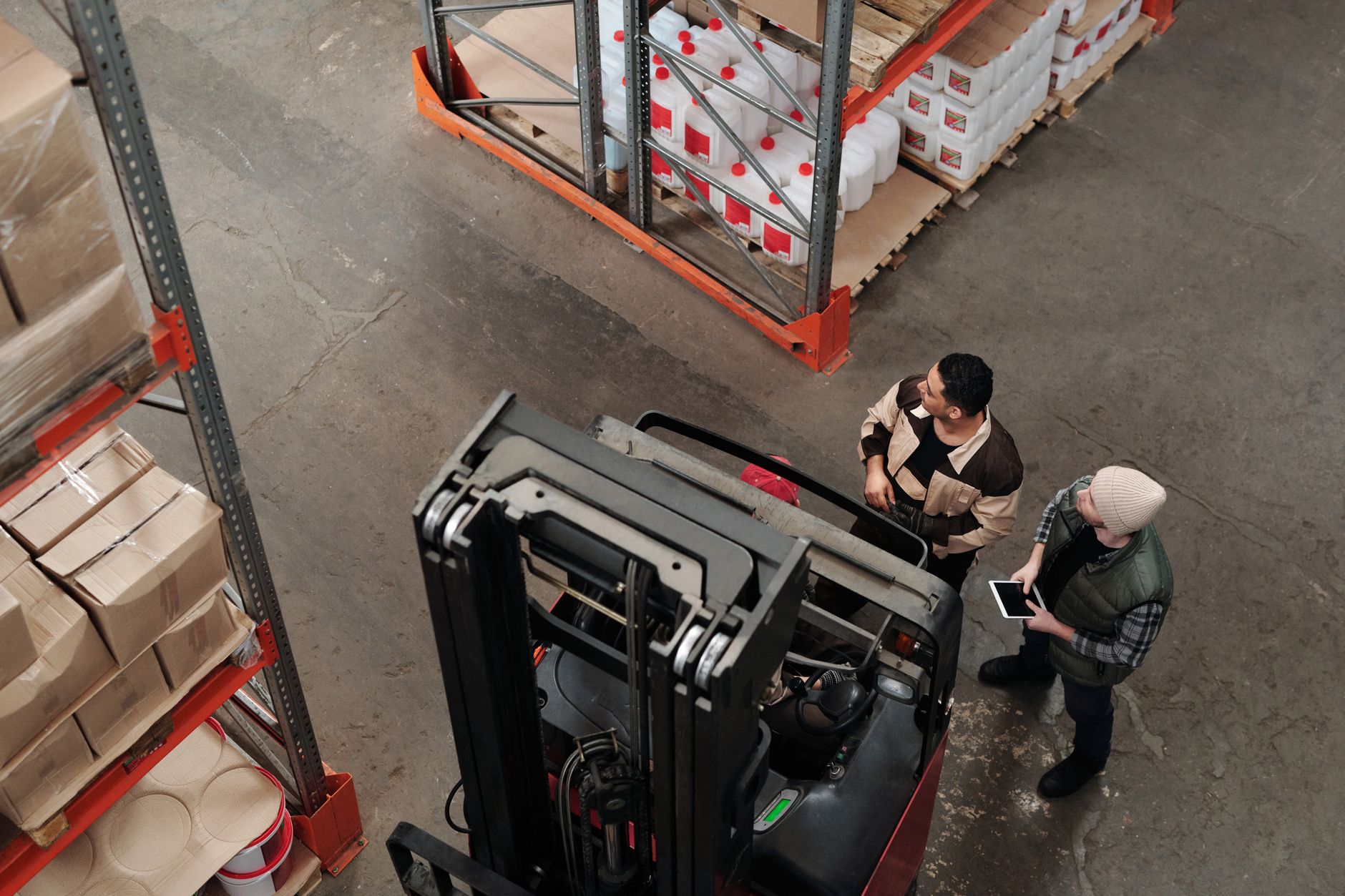
The forklift does not replace your crew. It changes what the crew spends its time on. A smaller team still loads, supervises, handles exceptions and keeps the vehicles in good order, while the repeat carrying moves to the machine.
One trade report says a forklift vendor claims that one associate can supervise up to six autonomous forklifts. That is a vendor claim, not a rule for your site. Plan the team around the runs and exceptions you actually see, and test the ratio during a robot pilot program.
We plan the team with you during the site assessment. Staff train on the route system, the stop and resume steps, and what to do when something looks wrong. Our service includes on-site dispatch and remote triage, so a fault gets a diagnosis before a technician makes the trip.
Where do the savings come from?
The savings come from hours, and the research turned up only a few hours figures, none of them for tobacco warehouses. The clearest comes from a robot vendor infographic for an indoor pallet transport robot, not a forklift. It says one robot saves 3 to 4 hours of travel time per eight hour shift.
A broader warehouse figure points the same way. A supply chain trade article reports that three mobile robots saved nearly 100 labor hours per day. Those units were AMRs, not forklifts, and the site count matters, but the scale shows how repeat moves add up across a building.
Forklift vendor case studies report larger gains, and they are claims rather than verified results. A case study of an autonomous stock chaser at a third party logistics warehouse reports a 33% productivity increase and a 64% reduction in human labor costs compared with a forklift. A forklift vendor also claims up to 60% labor cost savings, with no hours given.
Measure your own hours before you rely on any of these. Count the hours each shift spends on repeat bale and pallet moves, note which lanes carry them, and track how often a senior operator is pulled off other work. That count is what a site assessment can test.
What can an autonomous forklift not do?
An autonomous forklift runs the routes it has been set up for. It does not invent a new route when a pallet is left in the wrong aisle, and it does not judge the condition of a bale the way an experienced operator can. Those calls stay with people.
The building also sets the limits. Rough floors, poor lighting and racking that changes often will slow setup and reduce the work the machine can take on. Those findings come out of the site assessment, and we would rather raise them early than after the install.
Speed and load limits depend on the machine and the site, so fit has to be checked against your pallets and your aisles. A forklift does not replace a trained operator on hazardous or unusual loads, and it does not run without someone responsible for the queue and the alarms.
How do you get started?
Start with a free site assessment. We walk the building with you, map the candidate lanes, measure loads and aisles, and check the floor and traffic. You leave with a plan for which lanes to start with and what the team needs to change.
Autonomous forklifts for tobacco warehouses are leased through financing, and the payment comes in the quote that follows the site assessment. Robot lease options and lease financing programs differ by term and scope, so the quote reflects your lanes and your service plan. A common way to begin is one leased unit on one lane, so you can measure the hours before you add more.
We handle robot deployment and integration, staff training, and go live support. After that, our robot maintenance service plan covers on-site dispatch and remote triage, and we service nationwide. Once the first lane's numbers are in, we can work out the next lanes together.
Frequently asked questions
Want an autonomous forklift at your tobacco warehouse?
Tell us about your site. We will recommend the robot, quote the lease, and keep it serviced.
Sources
- Bureau of Labor Statistics beverage and tobacco subsector data
- Forklift safety news summary of OSHA and BLS data
- Warehouse staffing summary citing BLS JOLTS data
- Workforce statistics summary of 2025 turnover survey
- Robot vendor infographic on indoor pallet transport
- Robotics trade news on forklift vendor deployments
- Vendor case study on a third party logistics warehouse
- Supply chain trade article on mobile robot labor hours