
Key takeaways
- Pickers lose paid time to walking, and a robot that carries totes returns that time to picking.
- Autonomous mobile robots for warehouses run fixed routes through mapped aisles while staff keep leading the shift.
- Surveys from 2025 found 39% of respondents already use mobile robots.
- Leasing starts with a free site assessment, and the fixed robot lease payment is set in the quote.
How can autonomous mobile robots for warehouses help?
Autonomous mobile robots for warehouses help by taking over the walking that happens between picks. A picker who used to walk to a rack, a pallet, or a packing bench can stay in the aisle while a robot brings the tote to them or carries it on to the next station. The result is more of each paid hour spent picking and less spent in transit.
The benefits show up most in order picking, replenishment, and the moving of totes and goods between zones. Those tasks repeat, follow predictable paths, and suit fixed routes through mapped aisles. The robot does not replace the picker. It changes where the picker's time goes.
For a warehouse manager, the questions are where the robot fits, how many units the building needs, and what it takes to keep the route running. Service Robot Co. is a US commercial robot integrator. We choose the right robot for the site, lease it through financing, deploy and integrate it, train staff, and service it nationwide. The rest of this page covers each step in order.
Where does picker time go today?
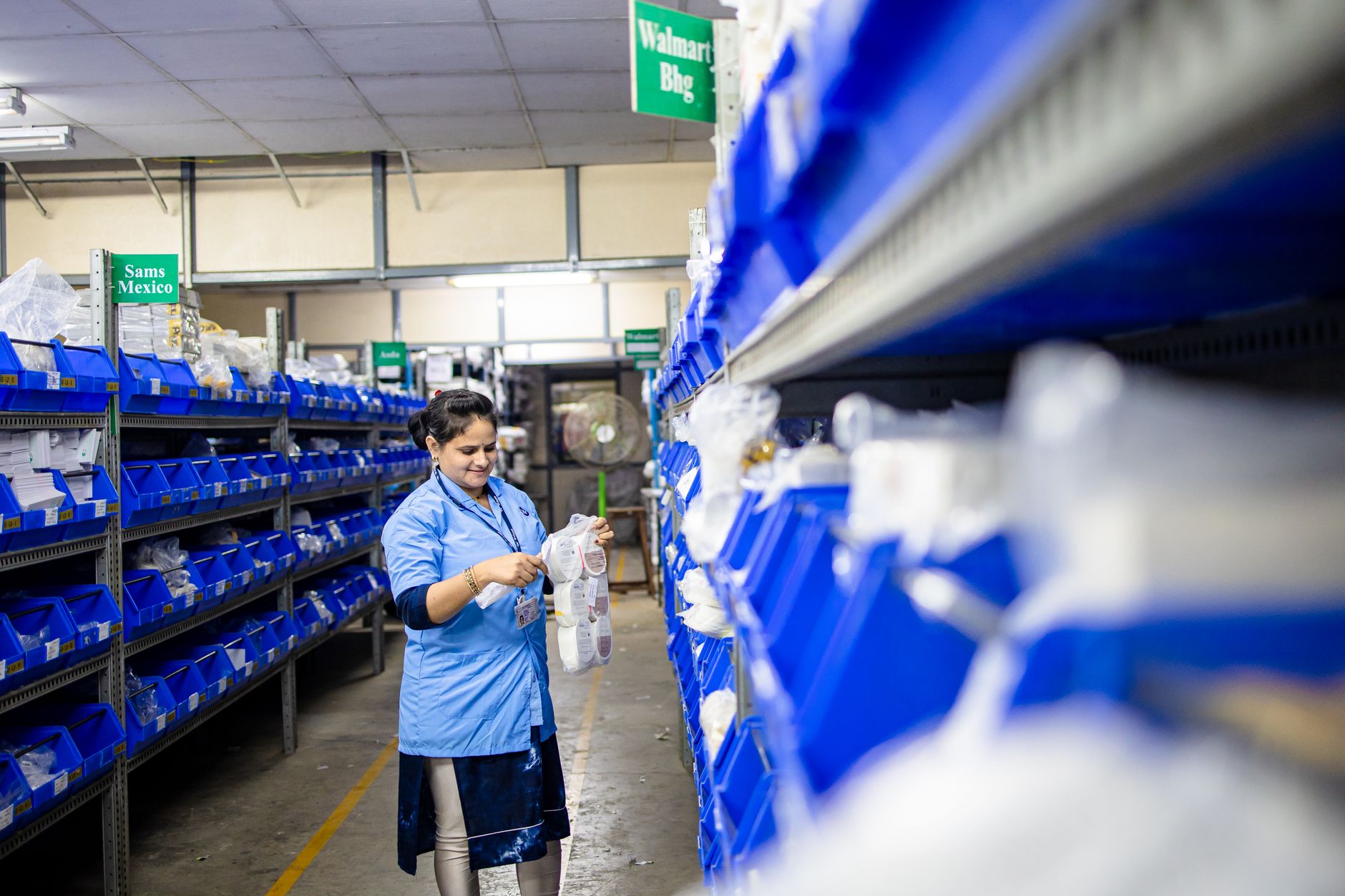
In a typical order picking operation, the shift is split between picking and everything else. Walking to a pick face, back to a packing station, and out to a staging lane or a return bay all count as time with no picks. Pickers often spend a large part of each shift on foot, and most of that walking produces nothing the customer receives.
The problem grows with building size. Long aisles and many zones add distance to every trip, so a picker covering a large floor walks farther for the same number of lines. Each extra trip also adds chances for a missed tote, a wrong location, or a cart that arrives late.
Staffing makes it harder. When new pickers learn the layout, they walk the same aisles more than once, and experienced staff spend time guiding them instead of picking. Those hours are paid, and they do not show up as picks.
What are the main benefits?
The first benefit is more picking time. When a robot brings totes to the picker or takes completed orders away, the walk is shorter and the picker stays at the pick face for more of the shift. Over a full shift, that shift in where time goes is the gain operators measure.
The second benefit is consistency. A robot follows its route the same way at the start of a shift as at the end, so pace depends less on how far a person has walked by mid-afternoon. Routes also stay the same when a picker is out sick or a new hire joins the floor.
The third is flexibility during peaks. Operators can add or move robots for a seasonal surge without hiring and training a large group for a few weeks. Operators can judge all of these gains in their own pick data, which is the best test before any lease is signed.
How does the robot work day to day?
A typical day starts before the first wave. The robot is charged, its map is checked, and its route is loaded from the warehouse system. Staff confirm that the aisles on the route are clear of pallets and carts.
During the shift, the robot moves between a pick zone, a staging lane, and a packing station. It carries totes, cartons, or a cart, and it stops for people and obstacles. Staff load and unload it at marked points, so every handoff happens in the same place.
At the end of the shift, the robot returns to its charging point and reports any exceptions it logged. Charging and service visits are scheduled outside peak picking hours, so the route is not pulled from the floor in the middle of a wave.
Which areas of the warehouse does the robot work in?
Most warehouses start in the zones where walking is heaviest. Pick aisles, replenishment routes, and the path from the packing bench to the shipping lane are the usual first choices. These areas have steady traffic, which makes the first routes easier to map and test.
Dock and returns work can also suit a robot, especially when the trips are short and repeated. The aim is not to cover every corner on day one. The site assessment shows which routes carry the most walking, and the first deployment is built around those routes.
How does the robot work alongside existing staff?
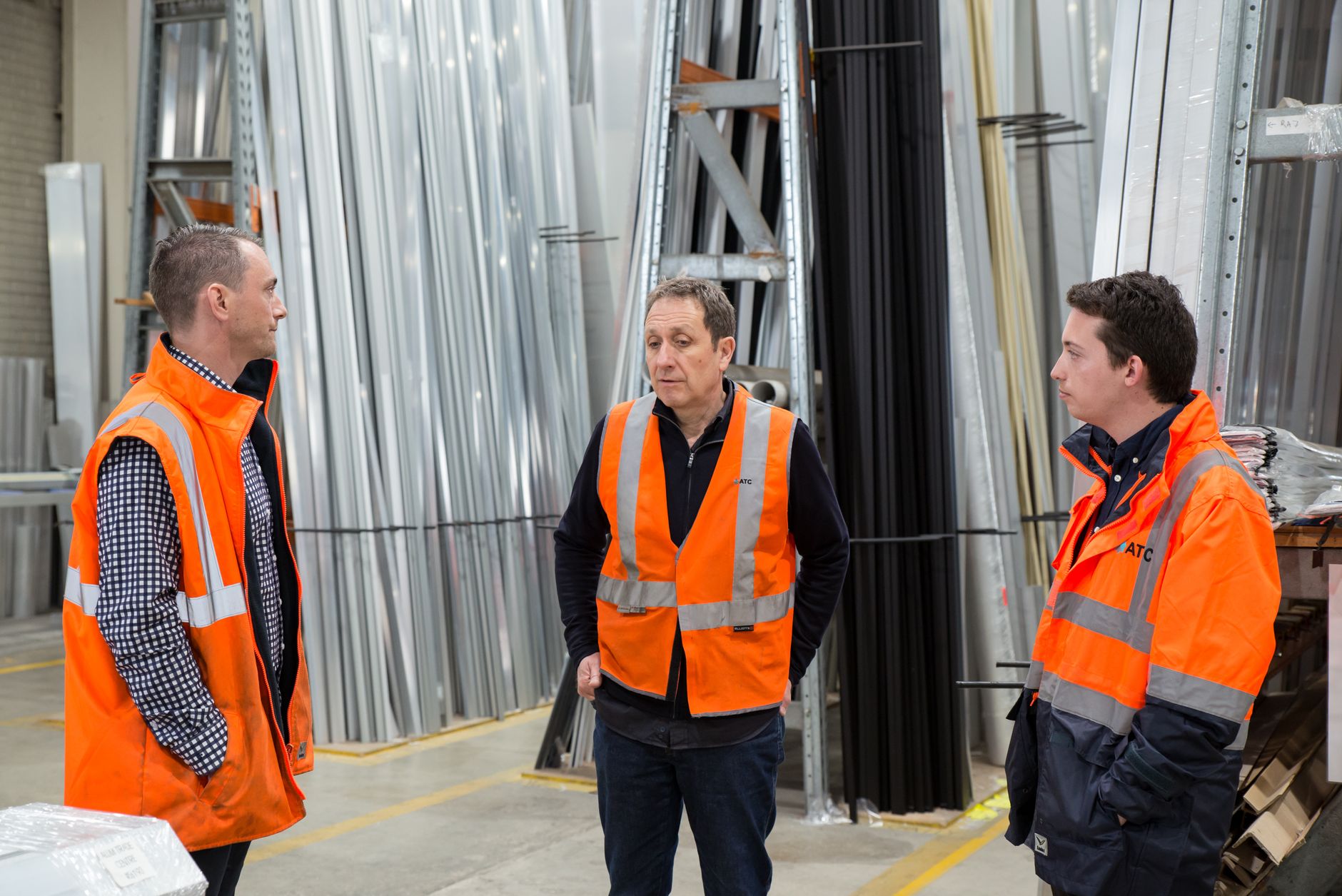
The robot does not run the warehouse alone, and it does not replace the team. Pickers, packers, and a shift lead keep their roles, and the robot handles the moves between them. The pattern that works is a robot plus a smaller team on the walking, with people still leading the shift.
Staff need training on the handoff points, the procedure for a paused or blocked robot, and the routine for reporting an exception. Service Robot Co. trains staff on site during go-live, so the first shifts run with the integration team nearby. Training covers everyone who works beside the route, not only the people who manage the system.
Some roles change. Someone must watch exception reports, clear blocked aisles, and handle damaged loads. That work is real and should be scheduled, because the robot removes walking hours but not the need for people.
What drives the savings in hours and labor?
The savings come from hours, and the size of the gain depends on the site. Each hour a picker spends walking is an hour not spent picking, so the result depends on how much walking the building has and how much of it the robot takes over. Measure walk time and pick rate before asking for a lease quote, so the comparison uses your own numbers.
Turnover adds to the picture. According to a staffing industry article citing recent industry surveys, average warehouse and distribution turnover is 11.6%. Each departure sends a new hire into unfamiliar aisles, so fewer walking hours also give supervisors more time to train the people who stay.
Adoption is growing. According to a 2025 study reported by Material Handling 247, 41% use shuttle systems and/or mobile robotic storage and retrieval systems, and 59% plan to upgrade or implement these in the next two years, from a sample of 139 individuals. A separate 2025 UBS Evidence Lab survey, summarized online, found that 39% of respondents already use mobile robots and 52% are planning implementation.
What can the robot not do?
A robot does not pick items off shelves. It moves the tote, cart, or pallet to a place where a person can pick. Heavy bulk stock, irregular loads, and items that need hands-on inspection still rely on people or other equipment.
It cannot fix a poor layout. Blocked aisles, rough floors, narrow doors, or weak wireless coverage slow the robot or stop it until the site is corrected. A site assessment checks these conditions before any route is set.
It cannot run a building without people. Exceptions, jams, damaged loads, and service visits still need trained staff and scheduled time. A robot also needs a backup plan for the days a unit goes offline, which is why spare coverage belongs in the quote from the start.
How do you get started?
Start with a free site assessment. Service Robot Co. maps the building, measures walking routes and traffic, and identifies the zones where a robot saves the most hours. The assessment shows what fits your floor before any lease is discussed.
Next comes the lease quote. Robots are leased only, through financing, and the fixed robot lease payment is set in the quote after the site assessment. The quote reflects the number of units, the routes, and the service plan, and many sites begin with one leased unit on one route before they add more.
Deployment and integration follow. The team installs the robot, connects it to your warehouse system, provides go-live support, and trains staff on site. Service runs nationwide, with on-site dispatch and remote triage, so a fault does not wait for a single local technician.
Frequently asked questions
Want a warehouse robot at your warehouse?
Tell us about your site. We will recommend the robot, quote the lease, and keep it serviced.