
Key takeaways
- A floor cleaning robot takes over the routine lobby passes that pull tellers and platform staff away from customers.
- Bank branch lobbies are large, open, mostly flat floors with steady traffic, which suits scheduled robotic passes.
- Staff still handle spills, glass, restrooms and anything that needs judgment, so the robot works alongside a smaller team.
- Savings come from staff time moved from floor passes to customer work, and the payment is set in a quote after a free site assessment.
- The robot cannot clean glass, counters, ATMs or restrooms, and it needs clear lanes to run its route.
How can cleaning robots for bank branches help a small branch team?
A floor cleaning robot can take over the routine floor passes that pull branch staff away from customers. A bank branch lobby is a large, open, mostly flat space with steady foot traffic from opening to close. That combination suits a floor cleaning robot well, because it can run its passes during business hours in quiet lanes or after the doors lock, without someone walking it through each run.
For the operator, the practical gain is simple. Lobby floors need care every day, but the people who would do that work are the same people who greet customers, count cash, and handle transactions. When cleaning robots for bank branches run on a set schedule, the floor gets consistent passes and staff keep their attention on the counter. People still own spills, glass, restrooms and anything that needs a judgment call.
The robot does not remove the need for people. It works best in a branch that still has a manager and tellers on the floor during open hours. Leasing it through financing, after a free site assessment, lets you test the fit on your own floor before the branch commits to a plan.
What does lobby floor care look like at a branch today?
A branch lobby takes a lot of traffic for its size. Customers track in water and grit on rainy days, and a floor can look tired by midmorning even when it was done well at opening. Most branches handle this by sending whoever is free to dust-mop or mop between transactions, or by saving the full clean for the end of the day, when everyone is tired and the floor has already taken a full day of wear.
The staffing context matters here. According to the Bureau of Labor Statistics, tellers usually work in branches of banks or credit unions, and about 339,200 tellers held jobs in 2025. The same source projects employment of tellers to decline 13 percent from 2025 to 2035, and says automation is expected to lead to fewer tellers per bank branch. The people on the floor are fewer, and each one is more valuable at the counter.
Janitorial help is also thin. According to the Bureau of Labor Statistics, about 2,432,600 janitors and building cleaners held jobs in 2025, with job growth projected at 2 percent from 2025 to 2035, which the agency describes as slower than average. A branch often cannot count on a cleaning contractor for daily lobby passes, so the floor depends on whoever is on shift.

What are the main benefits for a branch?
The first benefit is consistent floor care. A floor cleaning robot runs the same route at the same frequency every day, so the lobby does not depend on how busy the morning was or who called in sick. The floor looks the same at the first customer of the day as it does before the afternoon rush, which is when customers notice wear the most.
The second benefit is staff time. Tellers and platform staff keep their hands free for the customers in front of them, and the manager spends less time assigning floor duty. The third benefit is safer routine. Scheduled passes happen whether or not the branch is short-handed that week, which removes one of the more common reasons floors go uncleaned on a busy day.
There is also a reliability gain for the manager. A scheduled robot gives a repeatable baseline, and a short look at the floor at close shows whether the route was completed. That check takes a few minutes, and it replaces the usual question of whether someone got to the lobby at all.
How does the robot work in a branch day to day?
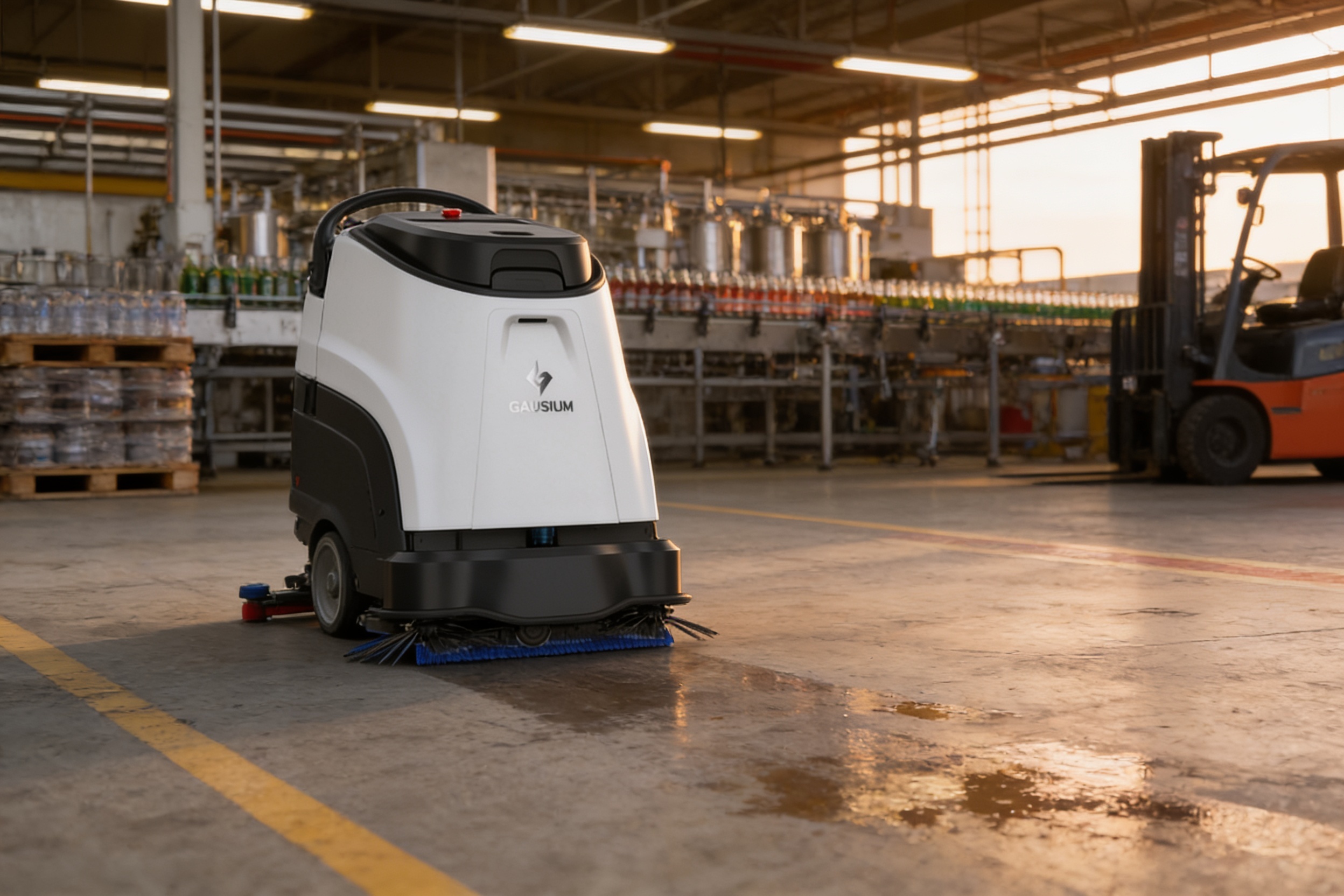
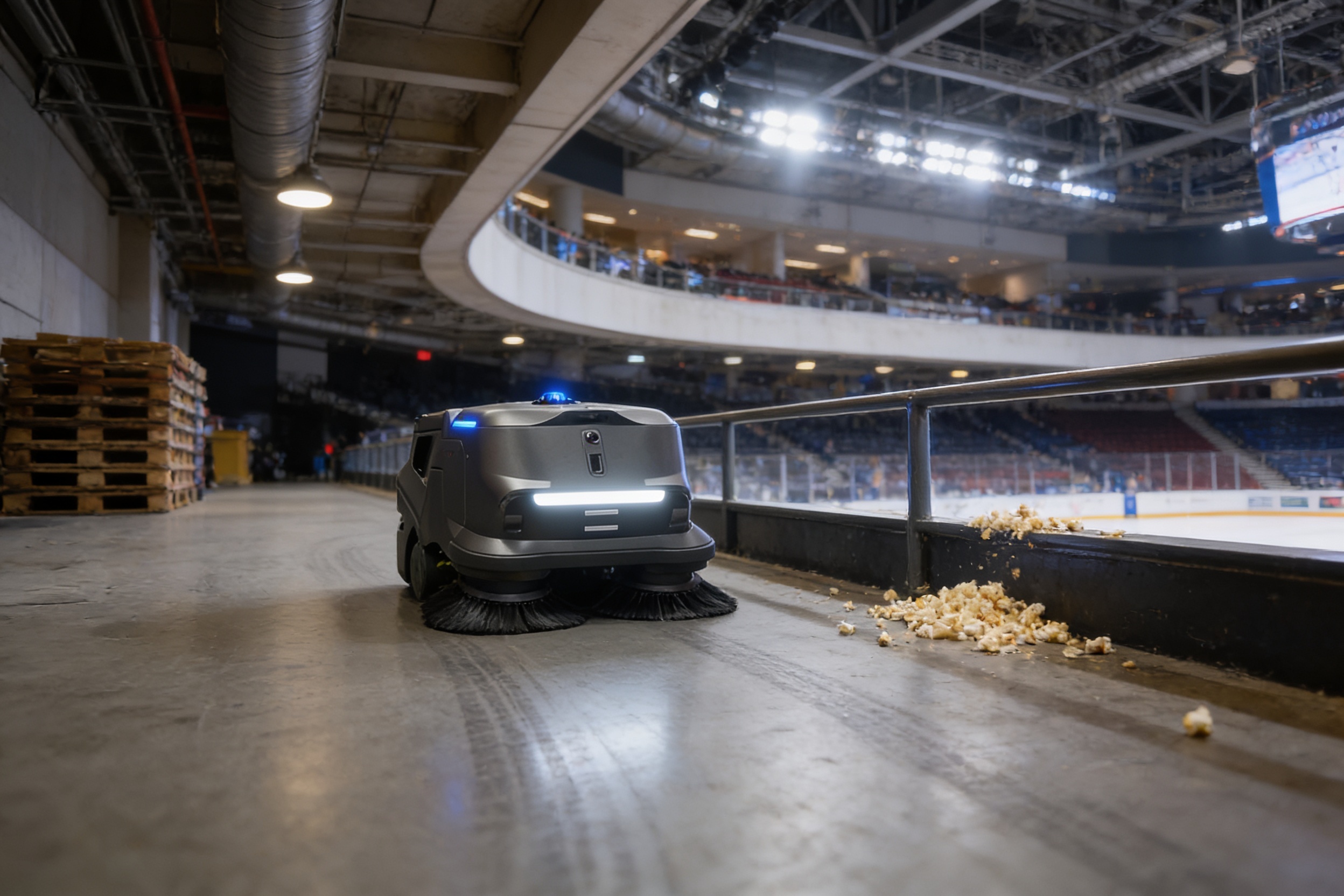
Setup starts with a site assessment and mapping of the lobby, the hallways and any areas to exclude. Furniture is set so the route is clear, and the planned lanes are confirmed with the branch manager before anything runs. Go-live support covers the first few days, so staff learn how the robot pauses when a person is close, how it resumes, and how to clear it from a blocked lane.
Once running, the robot follows its scheduled passes. In many branches the most useful pattern is a short pass before opening, a midday pass during a slow window, and a full pass after close. Staff keep the spill kit and the glass cleaner at the counter, so anything the robot cannot handle gets dealt with at once. The sample schedule below shows one way a day can be laid out.
Which areas of the branch does the robot cover?
Lobby floors are the core job. The robot works best where the floor is open and mostly flat, and where furniture and counters are fixed enough to hold a stable route. Narrow spaces, raised thresholds and areas with loose cables need a closer look during the assessment, and some may be left to staff. The zones below show where branches usually set the route, though every site differs in layout and finish.
How does it work alongside the existing staff?
A robot plus a smaller team is the right way to think about it. The robot covers the scheduled floor passes, and staff keep the work that needs a person: responding to spills, wiping glass and fingerprints, checking restrooms, and talking with a customer who notices a wet patch. A branch with one manager and two tellers is still a branch with people in it, and the robot is one more member of the routine.
Our role as an integrator is to pick the right robot for the site, lease it through financing, deploy and integrate it with the branch routine, train the staff, and service it nationwide. Training covers the daily schedule, the pause and resume routine, and the short checks the manager makes at close. The comparison below shows how a typical floor shift changes.
What drives the savings, and how much labor is involved?
The savings come from labor time that moves from floor passes to customer work, and from fewer after-hours cleaning visits when the robot covers the evening pass. We have not verified a figure for hours saved per shift at bank branches, so this page does not put a number on it. The site assessment measures the floor, the route and the current pattern of cleaning, and the quote sets the payment against the labor the branch actually spends.
The workforce picture points the same way. The Bureau of Labor Statistics projects about 26,800 teller openings a year, and a decline of 13 percent in teller employment from 2025 to 2035. A branch that already runs lean cannot afford to spend its best people on floor passes, and the openings figure is a reminder that filling those seats takes time.
What can a floor cleaning robot not do?
It does not clean everything. It will not handle glass, counters, ATMs, restrooms, deep carpet soil, or spills that need wiping and drying by hand. It cannot climb stairs or enter a vault, and it will not fix a floor with worn tile or a sticky finish. Furniture moved into its route, or a cord left on the floor, will stop it until someone clears the way.
It also depends on the branch keeping a routine. Scheduled passes only help if the lanes stay clear, and a branch that rearranges its lobby often will need a route review after each change. Treat it as dependable floor care that runs on a schedule, not as a full janitorial program.
How do you get started?
Start with a free site assessment. We walk the branch, map the lobby and back hallways, note the floor types and thresholds, and agree on the pass schedule with the manager. The robot is leased through financing, and the payment comes in the quote after the assessment. Nothing is committed before you see the route and the staffing plan on paper.
After the quote, deployment and integration happen in a planned window, usually outside peak customer hours. Staff training is part of the install, and our technicians service the robot nationwide, so the branch works with one partner for questions and repairs.
Frequently asked questions
Want a cleaning robot at your bank branch?
Tell us about your site. We will recommend the robot, quote the lease, and keep it serviced.
Sources
- Statista, FDIC-insured commercial bank branches
- FDIC press release, June 30, 2023 survey
- farmdoc daily, changes in the number of commercial banks and branches
- U.S. Bureau of Labor Statistics, Occupational Outlook Handbook, Tellers
- U.S. Bureau of Labor Statistics, Occupational Outlook Handbook, Janitors and Building Cleaners