
Key takeaways
- A floor cleaning robot can take the repeat route through a large lobby or sorting floor while staff handle counters and high-touch surfaces.
- Vendor case studies from other large buildings report labor savings in hours, so measure your own floors before counting on any gain.
- The model is a robot plus a smaller team, not a robot in place of people.
- A free site assessment comes first, and the lease quote follows through financing.
- A floor cleaning robot does not dust, wipe stanchions, clean restrooms or handle spills.
Can cleaning robots for post offices really help?
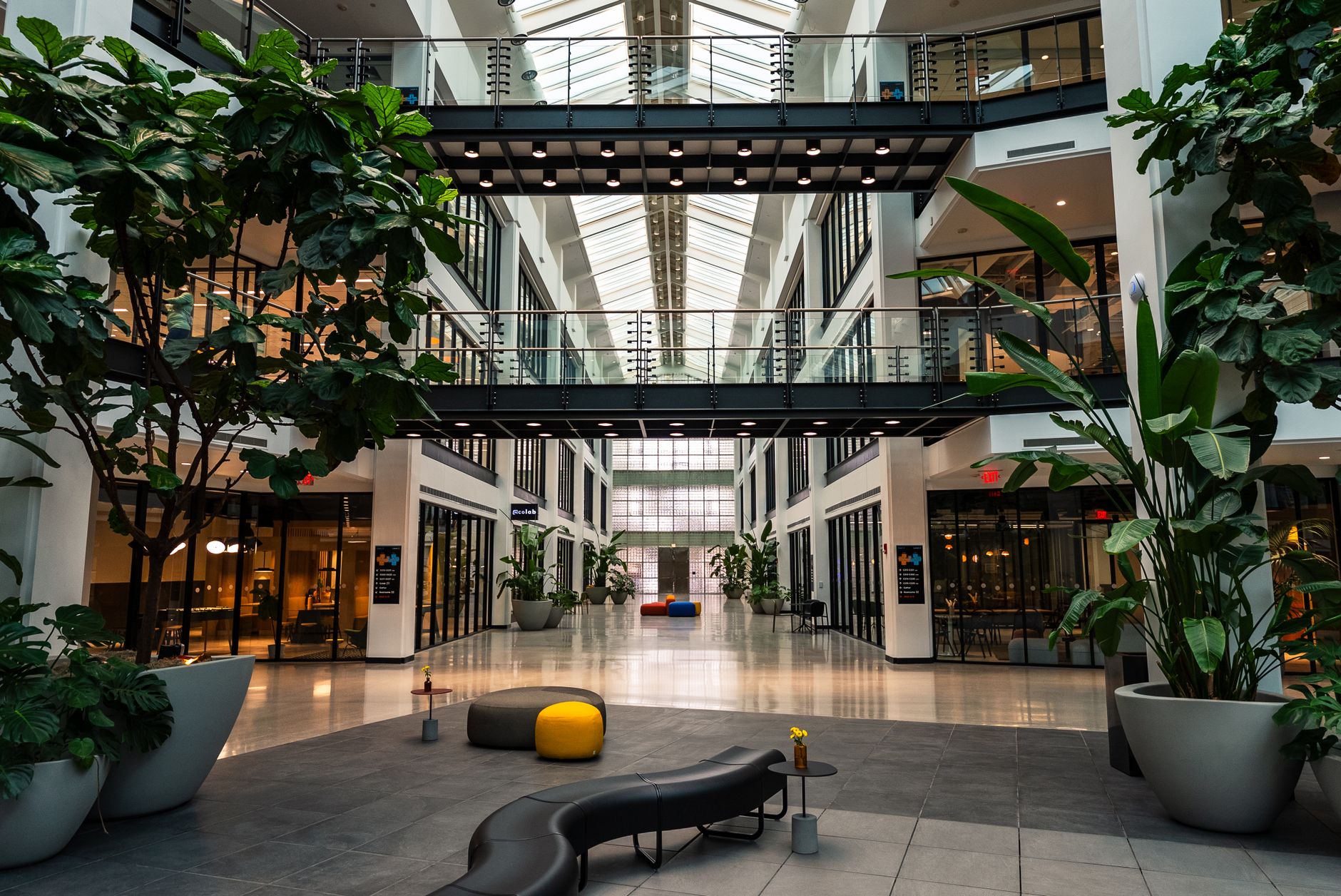
Yes, for one clearly defined part of the job. Cleaning robots for post offices work best on the large, open hard floors that get walked the same way every day: the public lobby, the wide aisles of a sorting floor, and the corridors that link them. A floor cleaning robot takes that repeat route on a schedule, so the people on your crew can spend their time on the counter, the entry, the restrooms and the high-touch surfaces where a machine cannot help.
The case rests on scale. According to USPS, the agency reported 30,972 retail offices nationwide for fiscal year 2025. That USPS figure counts retail offices specifically, while other totals found online run higher because they include contract units and other access points. Whatever the exact count, the pattern repeats across the country: a lot of open floor, a small crew, and a daily cleaning need.
The robot does not replace the people. It takes over a repeatable floor route, and the staff stay on the work that needs hands and judgment. That split is what makes the idea practical for a site that has to run the same way every morning.
What problem does a post office face with floor care today?
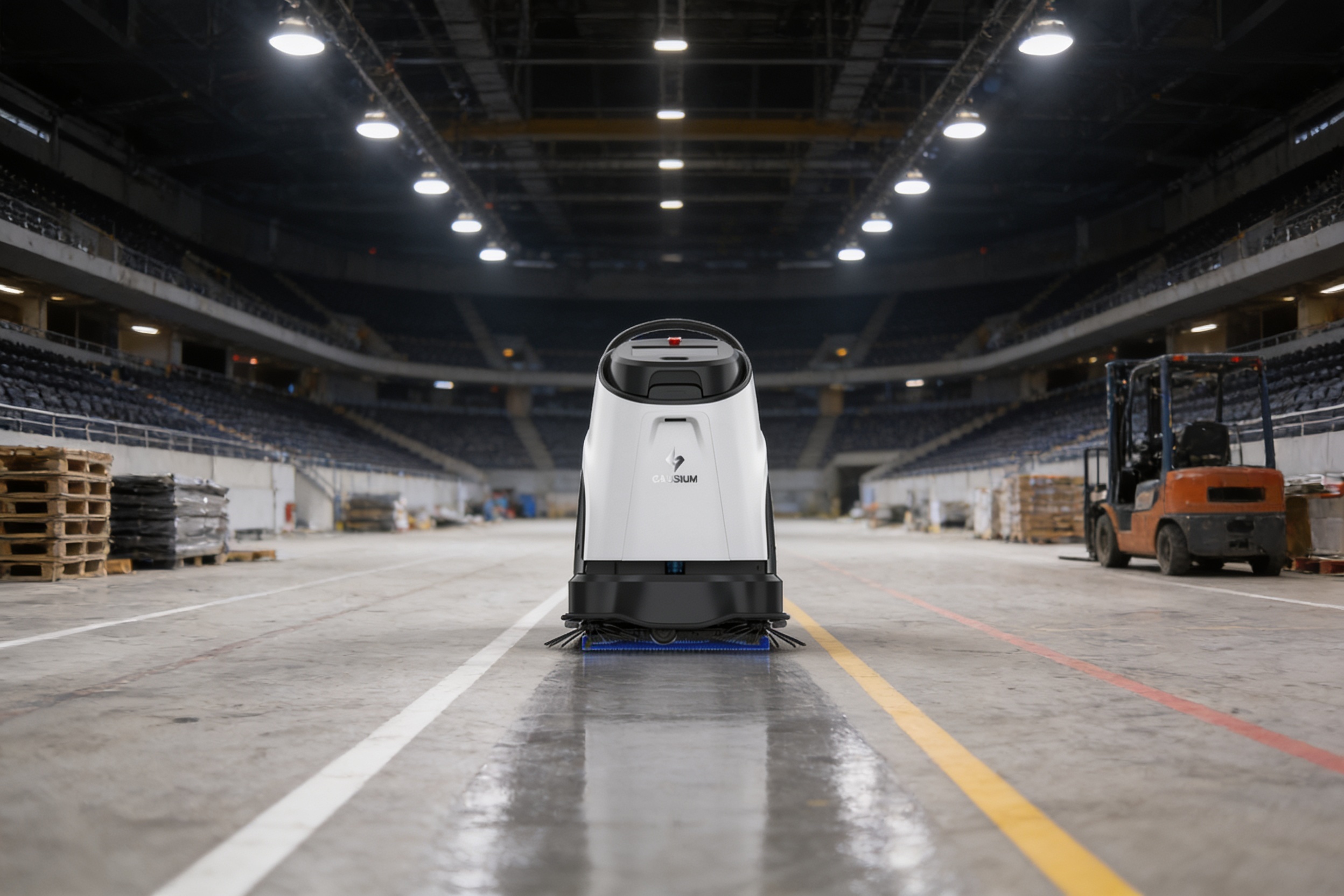
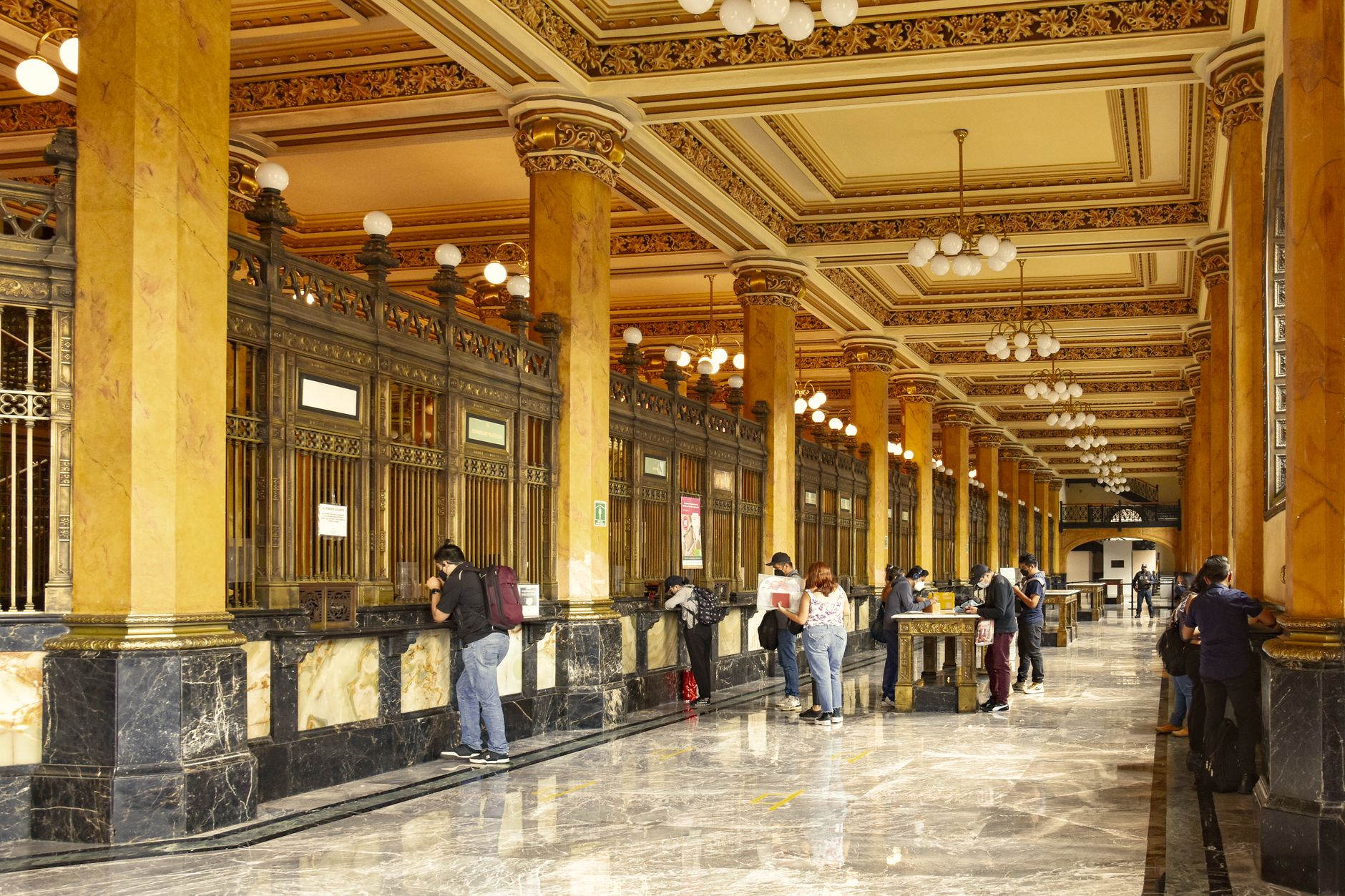
A post office lobby is a large, open room with steady foot traffic and a short window for cleaning, usually early or late in the day. The sorting floor is bigger still, with long aisles, carts moving through and grit that settles back onto the floor after every run. Both areas need daily attention, and both compete with everything else the crew has to finish before the doors open.
The staffing picture makes that harder. According to USPS's workforce plan report, as summarized by Fedweek, total agency employment fell from 653,000 in FY2021 to 624,000 in FY2025, while career employees rose from 516,500 to 531,000. These are agency totals rather than custodial counts, but they describe the staffing environment a building manager is working in.
Turnover adds pressure. According to the Postmaster General, as summarized by Fedweek, pre-career turnover would still hover around 20 percent even in a best-case scenario. On the labor market side, BLS projects employment of janitors and building cleaners to grow 2 percent from 2024 to 2034, which is slower than average. A slower-growing pool of cleaners and steady churn at the entry level is exactly why a repeatable floor task is worth handing to a machine.
What are the main benefits of cleaning robots here?
The first benefit is consistency. A floor cleaning robot runs the same route at the same pace on a quiet weekday and before a holiday rush. Crew members who used to push a machine across the lobby every morning can give the counter line, the entry mats and the restrooms the attention they need.
The second benefit is time, and time is what the savings are made of. Vendor case studies from other large buildings report the labor shift in hours, as covered in the savings section below. Treat those numbers as a starting point for your own floor plan, not a promise for your building.
The third benefit is coverage on the big open floors that tend to get the least attention when a crew is short. A sorting floor is a long, uninterrupted run, and a robot makes that route happen on schedule instead of whenever someone finds a gap. Over a month, that means fewer neglected aisles and a crew that does not carry the backlog into the next shift.
How does the robot work there day to day?
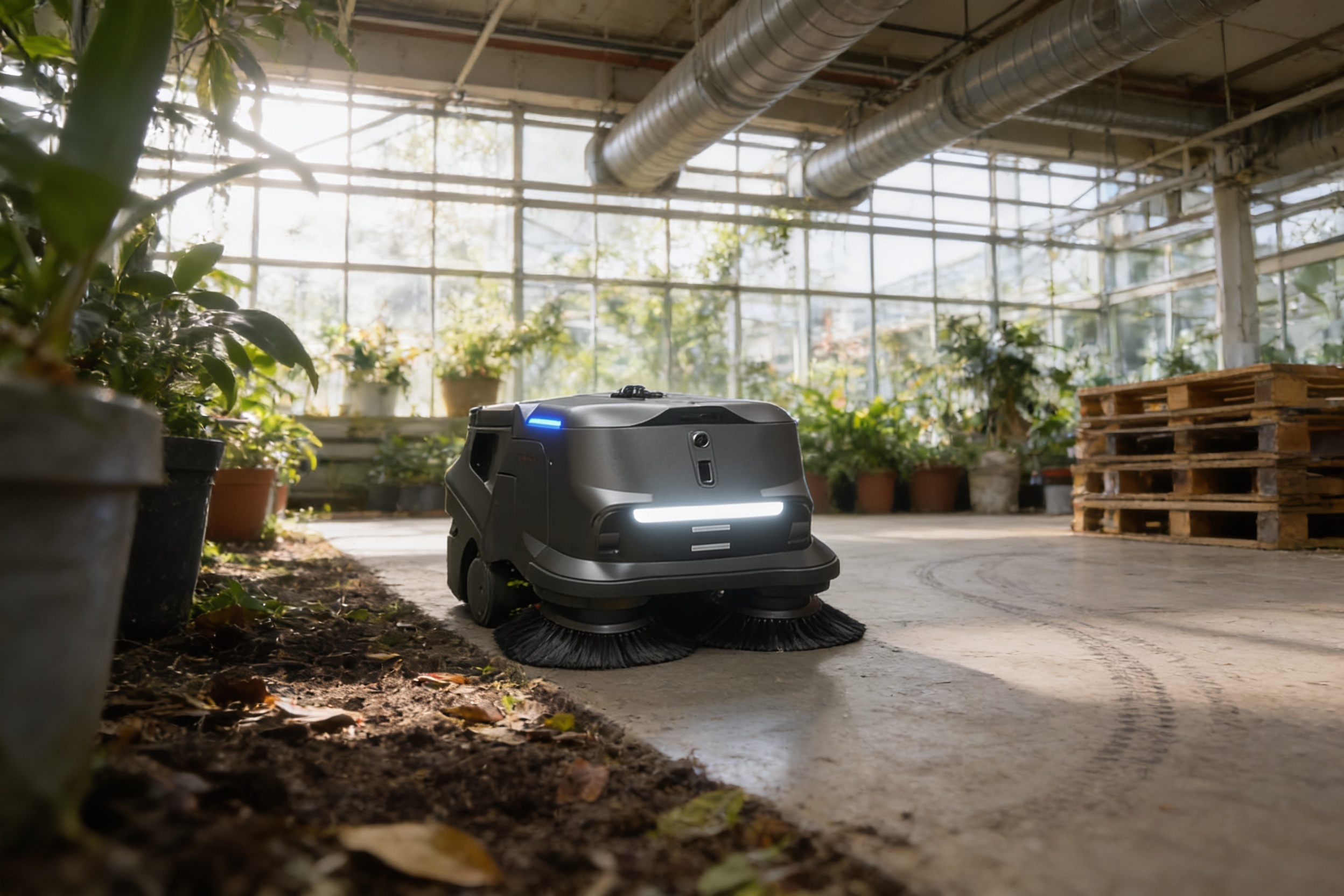
Before anything runs, the site is mapped. A site assessment walks the lobby, the sorting floor and the connecting corridors, marks the open routes, and notes where carts, stanchions or equipment regularly block a path. The robot learns its route from that map, not from guesswork, and the map is what keeps the first week from being a surprise.
On a normal day, the robot runs its scheduled passes in quiet windows and slows or stops when it senses a person or an object in its path. Staff set the route and the start times and check the floor after each run. A well-set deployment stops and flags a problem instead of quietly skipping the area.
Charging and basic checks happen between runs. A team member starts the shift by checking the machine, the wiper pads and the route, then empties what needs emptying. The robot handles the repeat pass, and the people handle everything that needs a decision.
Which areas does it cover?
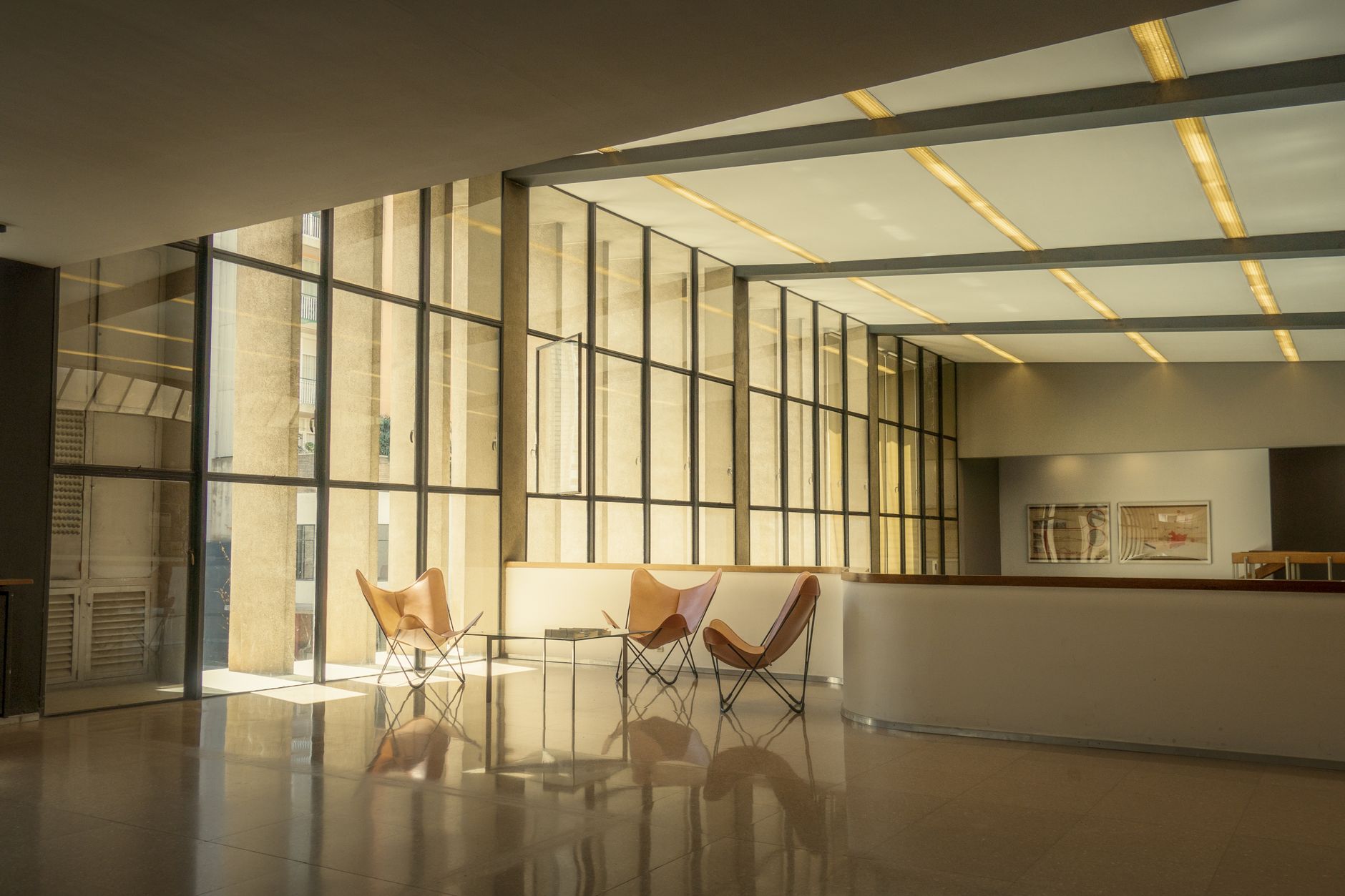
The robot earns its place on hard, open floors with a repeatable path. It does not need to cover every square foot of the building to help. Start with the zones where the route is simple, the traffic is predictable, and the floor is the same surface from one end to the other.
Carpet, thresholds, stairs and areas full of loose equipment usually stay with staff. The six zones below are the ones that most often fit a floor cleaning robot in a building of this type, and the site assessment confirms which of them suit your layout.
How does it work alongside existing staff?
The robot is never the whole crew. A post office still needs people at the counter, handling mail, watching the entry and cleaning the spots a machine cannot reach. The robot takes the repeat floor pass, and the team gets back the time that repeat pass used to crowd out.
Training matters more than most operators expect. Staff need to know how to start a route, clear a blocked path, read the status alerts and call for service. Good training is short and practical, it happens on your floor with your schedule, and it is finished before the robot runs without someone nearby.
This is where a robot integrator earns its place. We pick the right robot for the site, lease it through financing, deploy and integrate it, train the staff and service it nationwide. Cleaning robots for post offices run best when one partner handles setup and support, so the team is not learning the system alone.
What drives the savings, in hours?
Savings come from hours, and the clearest figures come from vendor case studies. In one hospital study, two floor scrubbers cut nightly floor-care labor from 16 hours to 5 hours, and the team shrank from 3 people to 2. The case study says one lead could reallocate 8 hours to other tasks. These are vendor-reported results, so they show the shape of the gain rather than a guarantee for your building.
A retail floor cleaning case, also vendor-reported, put typical autonomous cleaning at 20 hours per week, with some weeks over 30 hours, and more than 2.5 hours per day of autonomous cleaning on average. That gives a sense of how much repeat floor work a large open area can hold, and it is a useful reference when you sketch your own route.
Larger totals appear in trade press and grocery chain studies. A trade press report on a logistics deployment described more than 3.5 million square feet cleaned and more than 300 labor hours saved compared with conventional cleaning over roughly a year, a cumulative total and not a weekly one. A grocery chain's vendor study reported a cumulative saving of 33,649 hours across its stores in 2024.
The fair way to read these figures is to measure your own floor. Use the mapped square footage and route length from the site assessment, and build your hours estimate from your own schedule instead of anyone else's case study. The savings sit in the hours that move, and those hours are the ones you will count.
What can a cleaning robot not do?
A floor cleaning robot cleans floors. It does not dust counters, wipe stanchions or handrails, empty trash, clean restrooms or deal with spills and debris that need a person and the right supplies. It also does not handle stairs or thresholds, and it will not perform well on surfaces it was not mapped for.
Expect a stop now and then. A blocked aisle, a loose cord or a cart left across the route will pause a pass. A good deployment treats those stops as normal, designs the route to avoid them where possible, and includes a quick check at the start and end of each shift.
- Restrooms, trash and spills that need hands and supplies
- Counters, handrails and other high-touch surfaces
- Stairs, thresholds and carpeted areas
- Blocked aisles and loose cords that stop a pass
How do you get started?
Start with a free site assessment. We walk the building, map the lobby and sorting floor, measure the open routes, and review the staffing and hours you have today. From that, we recommend the right robot for the site and the floors it has to work on.
Our commercial robot leasing runs through financing programs, and the lease quoted after a site assessment shows the full payment picture before you commit. Many operators start with one leased unit on the lobby or the sorting floor, see how it fits the day, and expand only if the hours hold up.
After signing, deployment and integration follow, with staff training and go-live support. Service runs nationwide, and the quote spells out what service is included, so you know who to call and what happens if the unit needs attention. Ask for those terms in writing before you agree to anything.

Frequently asked questions
Want a cleaning robot at your post office?
Tell us about your site. We will recommend the robot, quote the lease, and keep it serviced.
Sources
- USPS, Size and Scope
- BLS, Occupational Outlook Handbook: Janitors and Building Cleaners
- Fedweek, report on USPS workforce under the Delivering for America plan
- Federal News Network, summary of USPS Inspector General review
- Vendor case study, hospital floor scrubbing, 2023
- Vendor case study, retail floor cleaning with a cleaning contractor
- Modern Materials Handling, trade press on a logistics floor scrubbing deployment
- Vendor case study, grocery chain floor cleaning, 2024