

Key takeaways
- Scheduled floor passes can run between therapy sessions, so aides are not pulled off patients to mop.
- The strongest hours evidence we found comes from a hospital, not a rehabilitation center, so measure your own baseline first.
- A floor cleaning robot works alongside aides and staff and does not replace them.
- Spills that need protocol cleanup, equipment handling and patient care stay with your team.
- Start with a free site assessment, then receive a lease quote through financing.
Can cleaning robots for rehabilitation centers take floor work off the care team?
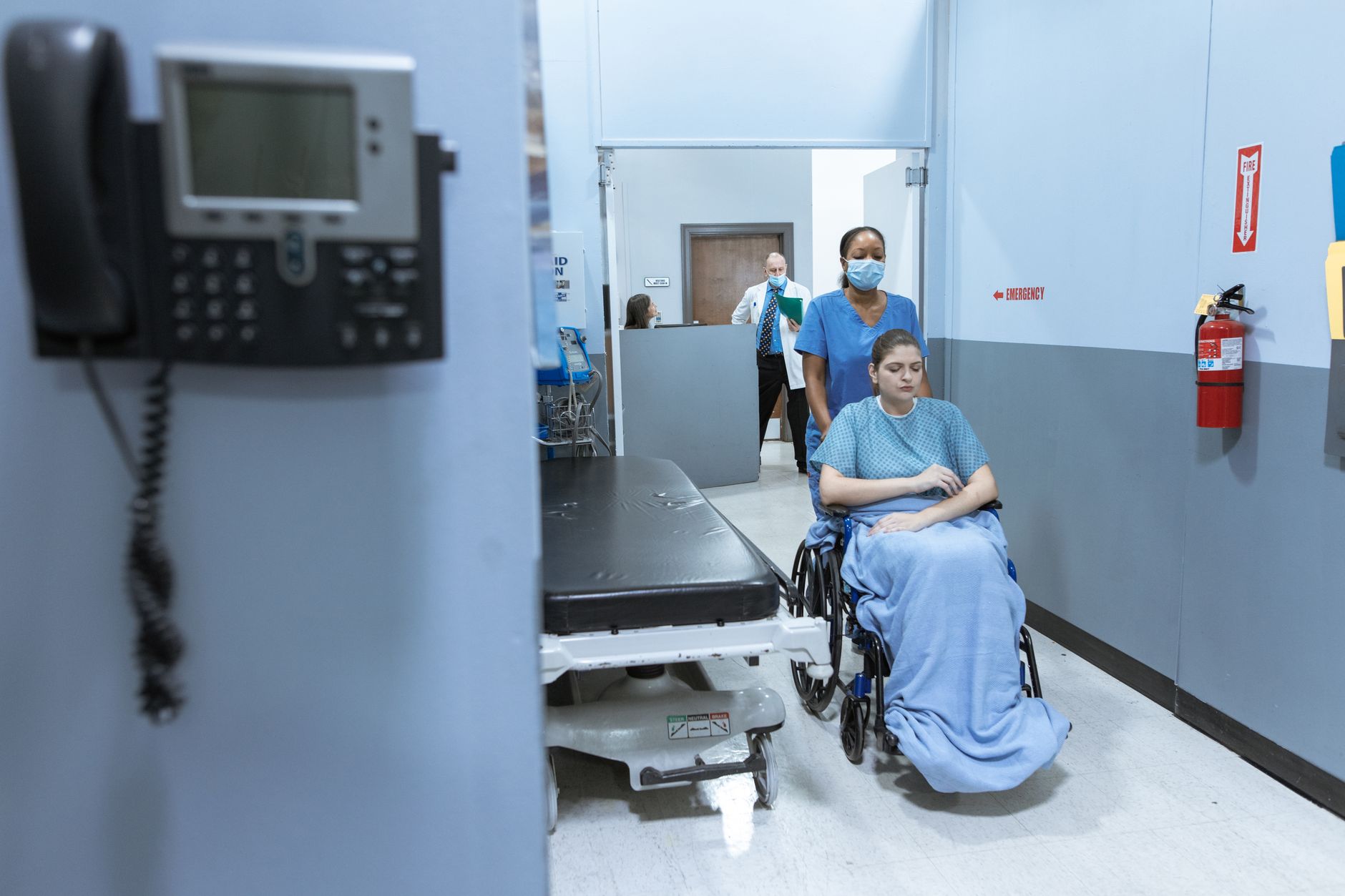
Yes, for most rehabilitation centers. The floor work that pulls care staff away from patients is predictable enough to schedule. A floor cleaning robot can run passes through therapy gyms and corridors in the gaps between sessions, so an aide does not have to stop a gait training session to mop a wet patch near the parallel bars.
The main benefit is that patient time stays with patients. Cleaning robots for rehabilitation centers handle the repeated, low-skill floor passes, while your team keeps the work that needs clinical judgment, including spills that require protocol cleanup and any direct patient care. Staff still run the floor. The robot takes a steady share of it off their list.
Expect hours returned to care, not a smaller team. The evidence we found is limited and mostly comes from hospitals, so the right first step is a site assessment that measures how much time your staff spends on floor care today.
What does floor care take from your team today?
Rehabilitation staffing runs thin. According to the Bureau of Labor Statistics, 42,390 physical therapist aides were employed in May 2023, and the top industry for that group was offices of other health practitioners, with 28,920 workers. Aides often move between several therapists and rooms in a shift, so each minute spent on a mop is a minute not spent with a patient.
Turnover adds pressure. According to NSI's retention report, as covered by Becker's Hospital Review, RN turnover in acute care hospitals reached 17.6% in 2025, up from 16.4% in 2024, with behavioral health at 22.5% and emergency at 20.7%. We did not find an aide-specific turnover figure, so treat these numbers as a sign of the wider staffing climate rather than a measure of your aides.
The industry is also growing. According to IBISWorld, an estimated 7,399 physical therapy and rehabilitation centers operated in 2025, with growth of 1.4% that year. That is an industry estimate, but it shows that floor care pressure is common, not a quirk of one building.
What are the main benefits for therapy gyms and corridors?
The first benefit is consistency. A scheduled pass runs on its timetable, so the gym floor and the corridor outside the therapy rooms are cleaned on a plan rather than when someone happens to notice dirt or a wet patch.
The second is safety on the floor. Rehabilitation spaces carry walkers, wheelchairs, gait belts and people learning to balance again. A slick or dusty patch matters more here than in an office lobby, and a floor that is dry and clear on schedule gives patients fewer surprises underfoot.
The third is timing. A pass can be set for the gap between sessions, so cleaning activity falls outside active therapy time. Staff do not have to stop treatment to clear a floor, and the work happens when the schedule allows it.
The fourth is a record. Route logs can show when each area was covered, which lets a site manager check coverage without a paper checklist and gives a clear answer when someone asks if a corridor was done that morning.
How does the robot work there day to day?
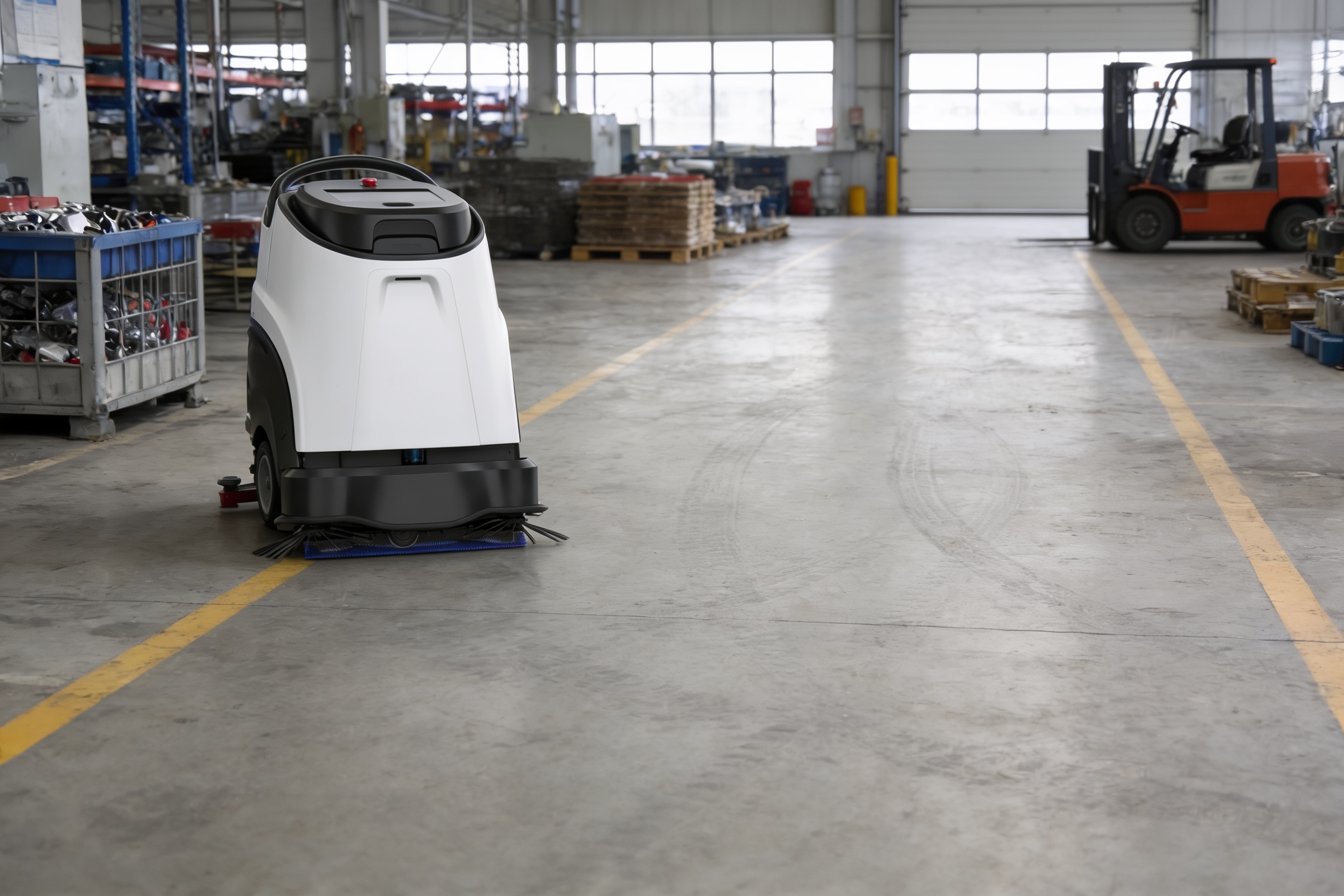
Setup starts with a site walk. The robot is mapped to the floor plan, and the route is drawn to avoid therapy stations, parallel bars, treatment tables and any area that must stay closed during procedures. Pass times are set to the gaps in the therapy schedule, not to a fixed clock.
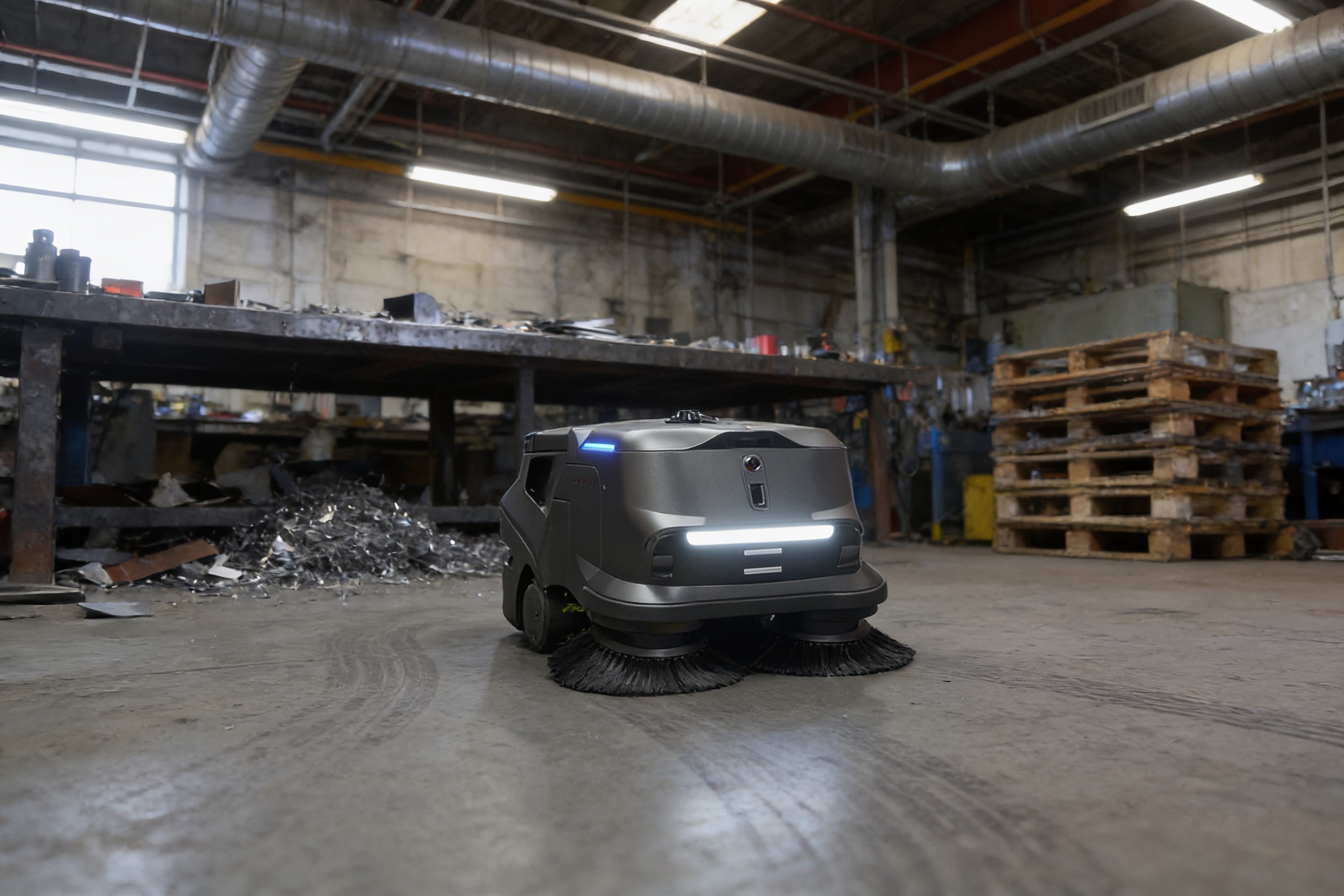
On a normal day the robot leaves its dock, runs its set pass, and returns to charge. If a person, cart or chair blocks the path, it slows or stops and waits. Staff can pause a run and resume it once the path is clear, and they clear loose items and small equipment before each run. That short check replaces the longer job of mopping the same floor by hand.
Your team shapes the schedule more than anything else. Morning passes can run before the first session, midday passes fit into the lunch break, and evening passes follow the last appointment. The sample day below shows one pattern.
Which areas of the building does it cover?
Not every room is a good fit. The strongest coverage is on open, hard floors with steady traffic and a clear path: the gym floor, main corridors, and entry areas. Carpeted rooms, rooms full of loose cables, and wet pool decks need a separate plan.
The zones below are common in rehabilitation centers. The layout of your site decides which ones the robot can cover and how often each one is scheduled.
How does it work alongside your existing staff?
The robot does the scheduled floor passes. Your team does everything else. Aides stay with patients during sessions and handle spills that need protocol cleanup, while the robot covers the open floor between sessions. Staffing does not fall to zero. The team is smaller on floor care, not absent from the building.
Plan for one staff member to own the robot. This person checks the route log, clears blocked areas before each pass, handles a paused run, and reports any fault to the service team. Deployment includes training your staff on site, so the people who use the robot learn its routine before it runs unattended.
The savings show up as aide hours returned to patients and to other tasks, not as fewer people on shift.
What drives the savings, and what does the evidence show?
The savings from cleaning robots for rehabilitation centers come from hours. Every hour a team member does not spend mopping becomes time for patient care or the next task on the list. The main driver is how many hours your team spends on floor work each week, and a site assessment is the place to measure that number.
The best hard figure we found comes from a 2021 conference abstract about a hospital in Hong Kong. After a floor cleaning robot took over corridor mopping, the hospital redeployed 189 man-hours each month. That time went to public toilet cleaning, and cleaning frequency on two floors rose from 6 to 8 times per day. It describes a hospital rather than a rehabilitation center, so use it as a direction, not a forecast.
Vendor case studies report bigger hour reductions, but we left them out because they are not independent measurements. Measure your own baseline before you decide how many hours to plan around.
What can the robot not do?
It does not replace clinical staff, and it does not take on tasks that need hands and judgment. Plan around these limits from the start.
- Clean up body fluids or spills that need protocol cleanup and disinfection.
- Clear clutter, dropped equipment or loose items from its path.
- Usually reach under treatment tables, into corners or along stairs.
- Clean high-touch surfaces such as handrails, door handles and equipment controls.
- Handle carpet, wet pool decks or stairs without a separate plan.
- Assist with patient transfers or any task involving direct contact with a patient.
How do you get started?
Start with a free site assessment. We map the floor plan, review traffic, identify the zones that suit the robot, and note where staff will need to clear space before each pass. You get a recommendation for the right floor cleaning robot for your site, not a generic pitch.
We are a US commercial robot integrator. We pick the right robot for the site, lease it through financing, deploy and integrate it, train your staff and service it nationwide. Lease financing programs and robot lease options vary by site, and the payment comes in the quote after the assessment, so you can compare it with your present floor care hours.
Deployment includes setting the route on site and walking your staff through the daily routine, so the first full schedule starts with a team that knows the robot. Ask for the quote and the service terms in writing before you commit.
Frequently asked questions
Want a cleaning robot at your rehabilitation center?
Tell us about your site. We will recommend the robot, quote the lease, and keep it serviced.
Sources
- U.S. Bureau of Labor Statistics, OEWS May 2023, physical therapist aides
- Becker's Hospital Review, coverage of NSI nurse turnover report
- IBISWorld, physical therapy and rehabilitation centers number of businesses
- Revista, rehabilitation hospital construction in 2025
- 2021 conference abstract, Tin Shui Wai Hospital, application of cleansing robot