
Key takeaways
- Indoor delivery robots haul loaded carts between kitchens and inpatient towers on fixed meal windows.
- Elevator and door integrations let carts cross floors without an escort walking every trip.
- Dietary staff keep loading trays while robots handle the long hallway miles.
- Leasing through financing bundles mapping, training, and nationwide service from one integrator.
How do delivery robots help hospitals?
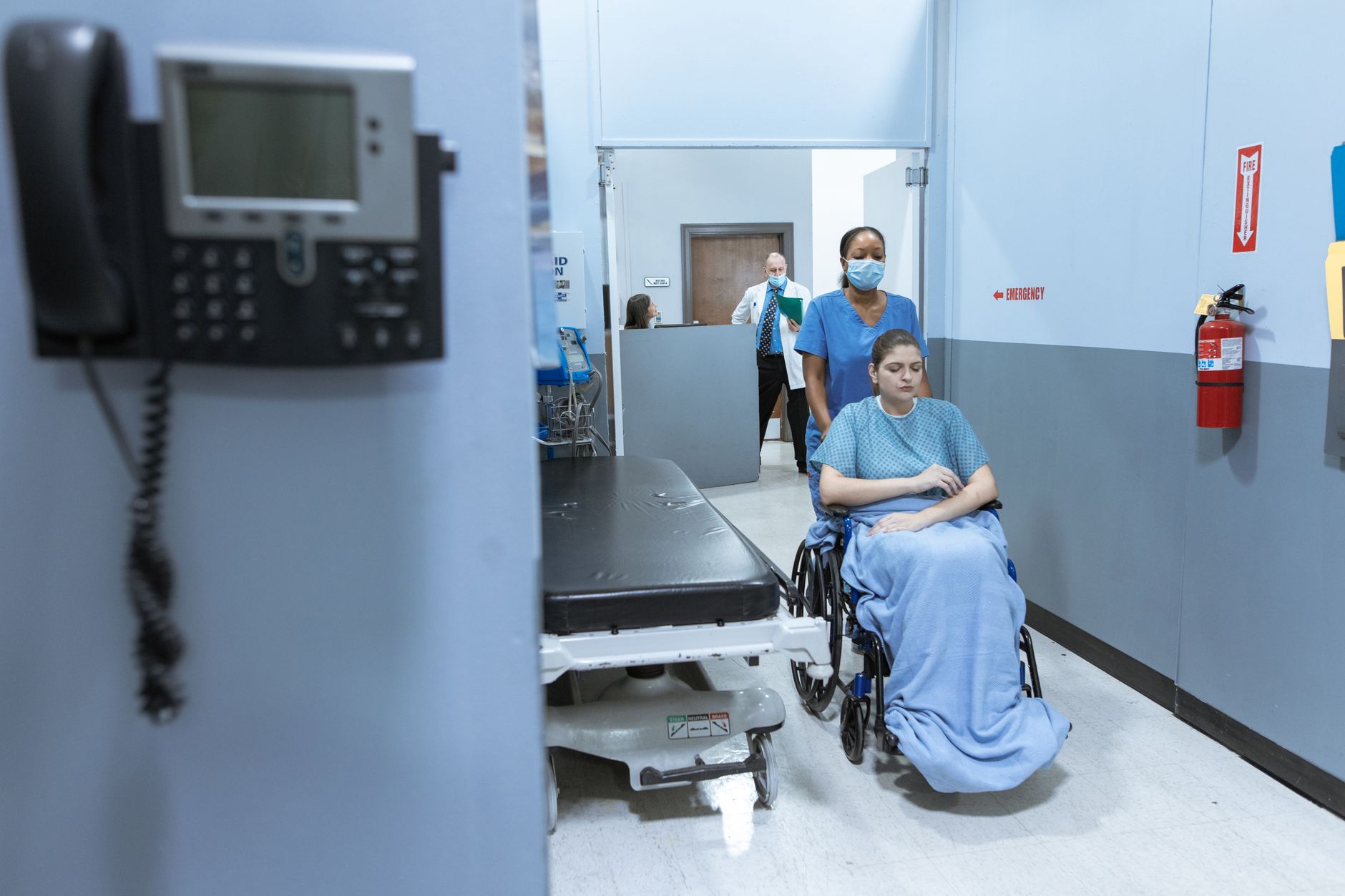
Delivery robots for hospitals automate the long indoor runs that meal carts and supply cages already make every day. A mobile base drives under a loaded cart, lifts it, and follows mapped corridors to nursing units while staff stay at the kitchen line or the tray line.
Acute campuses stretch across multiple buildings connected by sky bridges, so a single lunch wave can mean thousands of steps for porters. Robots keep those steps off human legs when timing matters for diet orders and temperature checks.
They do not replace nurses or diet techs. They move the cart so those teams can plate, verify allergies, and answer patient questions instead of pacing hallways.
Hospital delivery robot programs usually start with predictable routes such as breakfast and dinner trays, then expand to soiled tray return or linen cages once elevator workflows are proven.
Facilities leaders like the predictable footprint because robots use the same charging bays every night instead of scattered manual carts blocking doorways.
Why are meal cart runs so demanding?
Tray lines run on tight clocks tied to medication passes and physician rounds. When a cart arrives late, nurses reheat meals or reorder items, which adds stress on already full units.
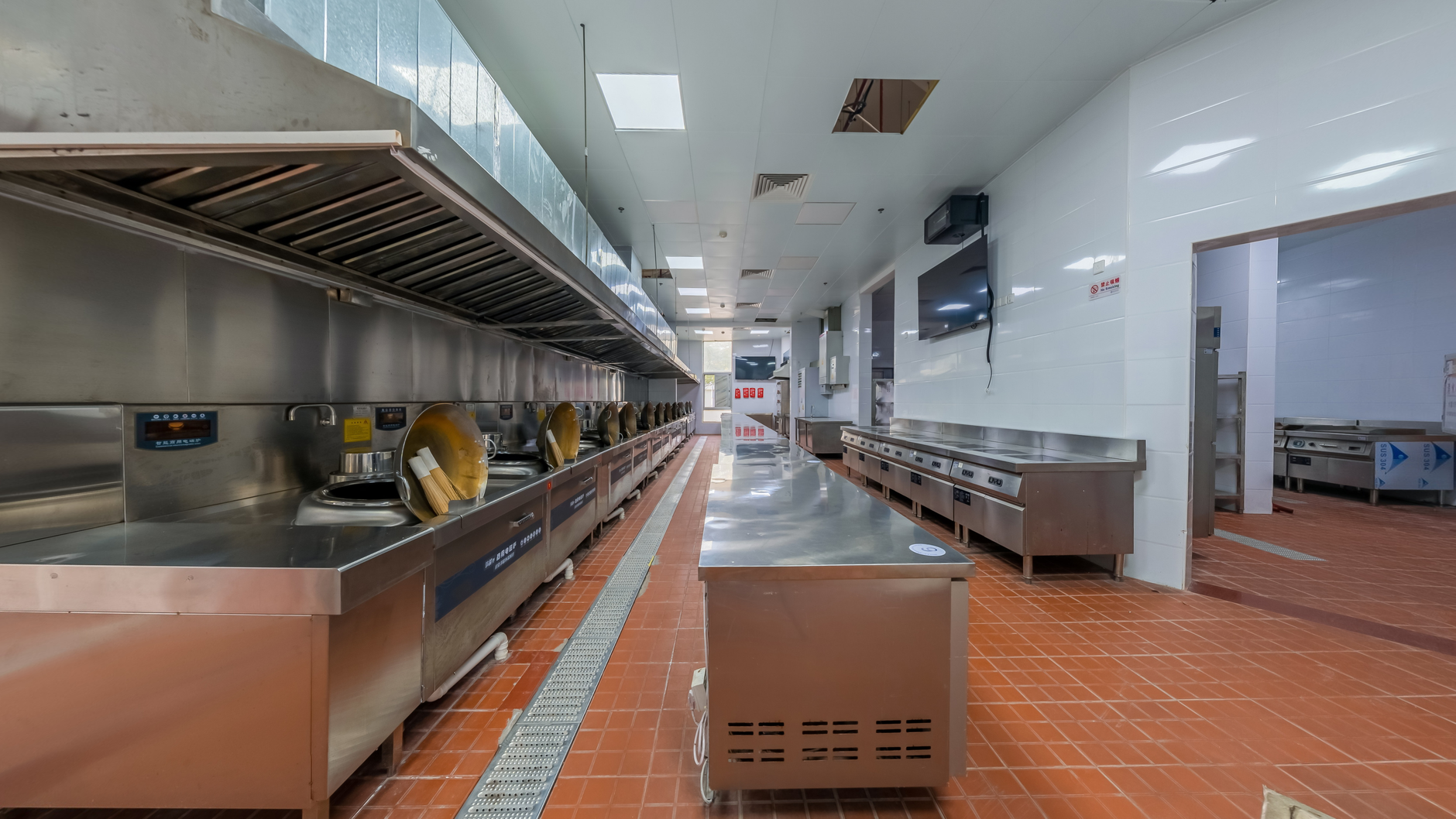
Kitchens are often distant from newer patient towers built on another block. According to FoodService Director, one campus reported robot trips of about eleven minutes each way between a production kitchen and a patient tower, with full load and return cycles averaging about twenty seven minutes once trays are exchanged.
The same article noted robots logging about twenty two point eight miles per day when serving several floors, which shows how quickly hallway miles add up even before counting weekend coverage.
Staff turnover in dietary and environmental services makes it harder to keep experienced porters who know every shortcut. Robots hold the route knowledge in software instead of muscle memory.
Patient satisfaction scores for food service often dip when trays arrive cold. Shorter hallway time is one lever dietary directors control even when menus stay the same.
Which hospital zones use delivery robots first?
Most programs map the path from central production kitchen to inpatient unit pantries. That includes loading docks, main corridors, staff elevators, and unit entry airlocks where carts pause for badge access.
Secondary routes may cover bulk nourishment between kitchen and cafeteria satellites, or clean supply cages to sterile core hallways when infection control approves the workflow.
Robots generally avoid active operating room corridors and isolation rooms unless a dedicated infection control plan exists. Those spaces stay on human porters with appropriate personal protective equipment.
Parking bays near chargers live in back of house areas so guests never trip over machines in main lobbies.
Wayfinding signage for staff should mark robot waiting zones so new travelers do not block doors while texting.
What does a typical meal day look like?
Early morning starts with robots staging at the kitchen dock while hot and cold carts are loaded. When the line lead releases a route, the robot lifts the cart and departs for the first nursing unit pantry.
At the pantry, staff unload trays while the robot waits in a marked zone or returns empty to pick up the next cart. Some sites run continuous loops; others batch by floor to match nurse staffing.
Between lunch and dinner, robots may carry soiled cages back to dish wash or stay parked on chargers until the next wave. Overnight routes are less common for meals but appear for bulk supplies on night shift.
Weekend and holiday schedules mirror weekday maps so relief staff do not relearn paths.
If a unit goes on outbreak precautions, routes can skip that pantry until infection control clears the wing.
How do robots share work with dietary teams?
Kitchen staff still cook, portion, and check diet cards. Nurses still screen patients and record intake. The robot only owns horizontal transport between those handoff points.
Leads assign a human coordinator during the first month to watch elevator handoffs and update maps when construction closes a wing. After trust builds, coordination moves to a tablet dashboard.
When census spikes, robots add trips rather than asking porters to skip breaks. Extra cycles are scheduled in software instead of emergency overtime for hallway walking.
Environmental services may share the fleet for linen cages if infection control signs off on cleaning procedures between food and textile loads.
Pharmacy leaders sometimes observe pilots to see if secured cages could ride the same elevators during quiet hours, though most sites finish meals first.
Where do labor hours usually shift?
Savings show up as fewer porter hours per hundred trays, not as eliminated jobs. Managers redeploy people to tray accuracy, call center diet edits, and room service style menus.
According to reporting on hospital meal robots, dietary leaders described staff spending less time walking carts and more time on floors when robots covered long spans between kitchen and tower.
Because robots can run on holidays without fatigue, sites keep meal timing steadier when temporary staff fill weekend shifts.
Track minutes from kitchen release to pantry arrival before and after go live. That metric speaks clearly to nursing partners who feel late trays first.
Union and HR partners should hear that robots target walking miles, not clinical roles, before rumors spread on night shift.
What should you not expect?
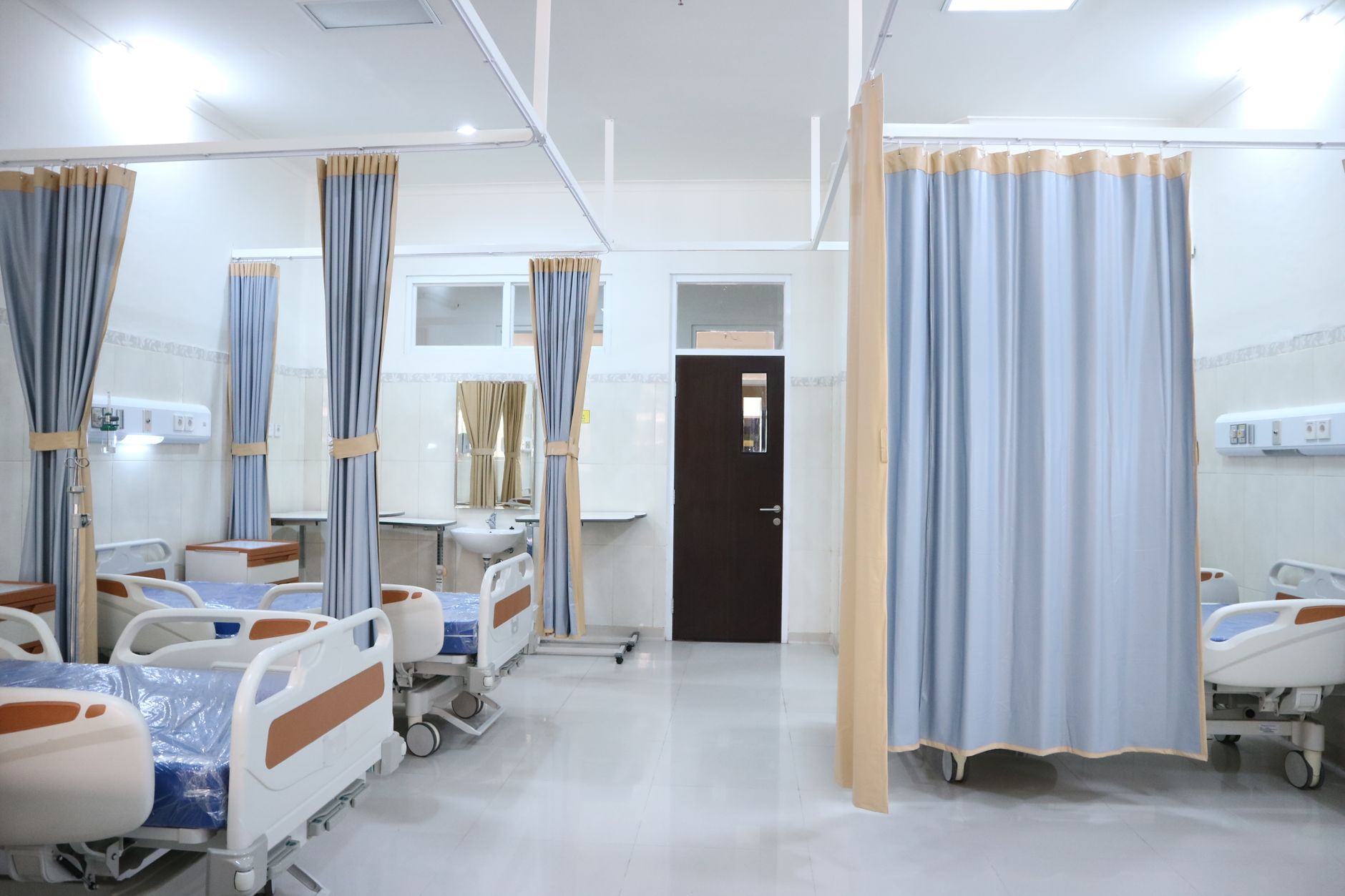
Robots do not enter patient rooms, pass medications, or override clinical judgments. Nurses or aides still carry trays the last few feet when units require it.
They will not navigate cluttered construction zones without a remap. They also pause for wet floors, fire drills, or code events until paths are cleared.
Cold chain responsibility stays with humans who load carts and verify temperatures at pantries. The robot is transport, not a refrigerator.
During network outages, sites keep a manual cart procedure ready. Robots resume when connectivity and elevators return to normal.
Snow and construction reroutes still need human judgment when automatic doors are propped or floors are uneven.
How does deployment and financing work?
Service Robot Co. is a United States commercial robot integrator. We select cart compatible bases, lease them through financing, integrate elevators and doors, train dietary and facilities leads, and service units nationwide.
A free site assessment captures corridor widths, ramp slopes, elevator brands, and infection control rules before anyone commits to a route list.
Quotes follow the assessment and reflect fleet size, integration depth, and support tier. There is no universal public price because every campus layout differs.
Go live support includes shadow runs beside porters until nursing units sign off on timing for each meal wave.
How do you get started on campus?
Bring floor plans, meal times, and elevator restrictions to the first walkthrough. Note which towers lack pantries and where trays are staged today.
Pilot one kitchen to one tower loop before spanning a sky bridge. Success there builds confidence for environmental services or pharmacy cage pilots later.
Request a free site assessment to see if delivery robots for hospitals match your corridor layout and dietary schedule this year.
Invite nursing and infection control early so handoff rules are written before the first live tray run.
Document badge access rules for each elevator so night shift knows who can release a stuck cart.

What should leaders measure after go live?
Compare tray delivery timestamps at pantries for two weeks before automation and two weeks after. Nursing feedback should join the data, not replace it.
Log elevator wait anomalies separately from robot faults. Many early delays are building issues rather than navigation errors.
Monitor employee satisfaction in dietary services. Reduced walking often shows up in surveys before financial reports move.
Review infection control audits to confirm carts still meet surface cleaning rules when robots attach and detach.
Share results with nurse managers quarterly so they see tray timing trends alongside patient comments on meal temperature.