a nonprofit hospital system serving central Florida
Hospital Delivery Robots Return 600+ Clinical Hours Each Month
A nonprofit hospital system serving central Florida used four delivery robots to save 600+ hours monthly with 99.8% reliability.
- 600+
- hours saved monthly
- 99.8%
- reliability rate
- 150+
- daily deliveries
- 4
- robots deployed
Based on a documented real-world deployment. Figures are from public reporting; the organization is not named.
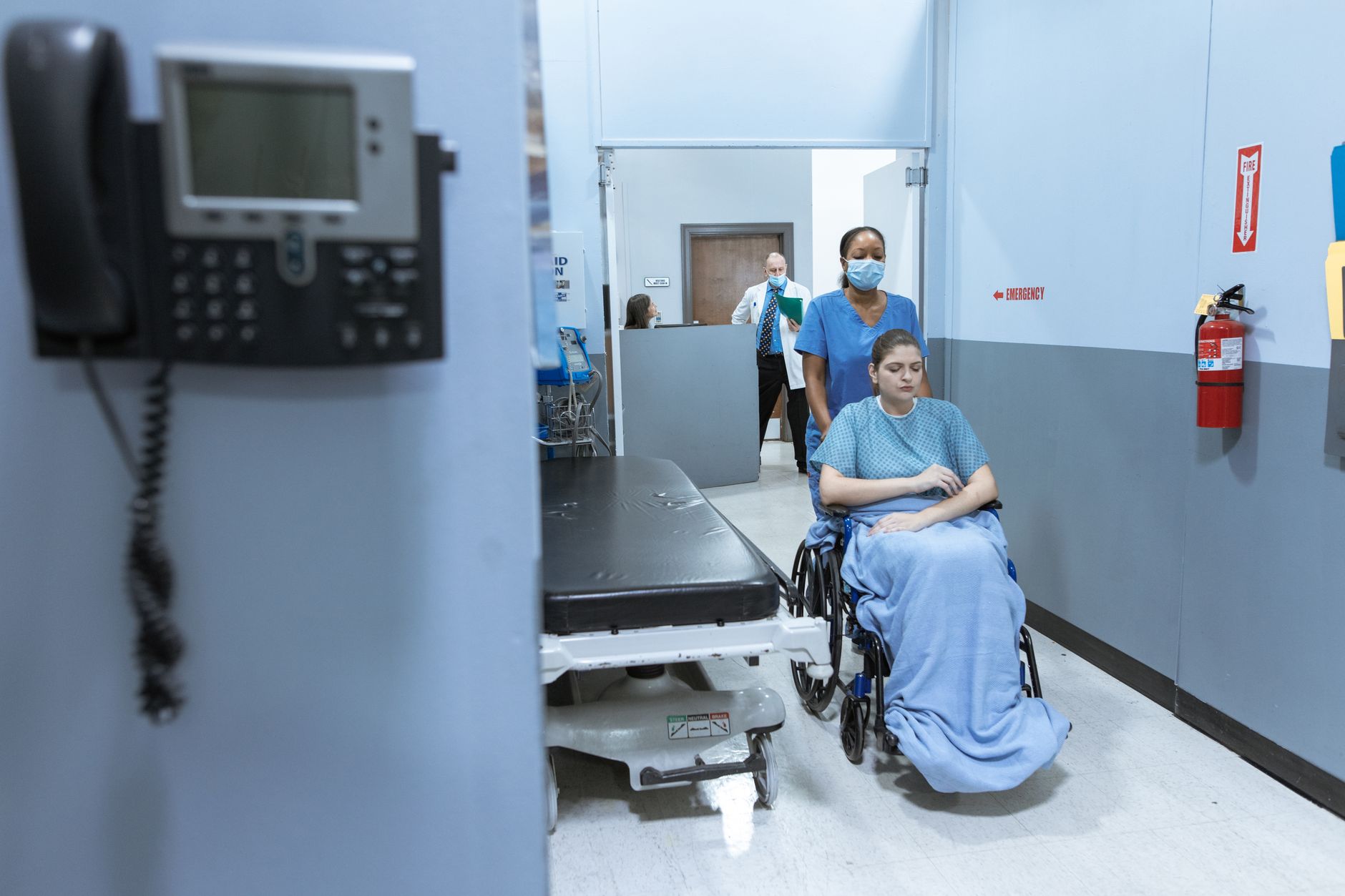
Clinical time was being spent in the corridors
At a nonprofit hospital system serving central Florida, pneumatic tubes were unavailable in key departments. That left nurses and technicians carrying lab specimens, medications, and supplies between units and floors by hand.
Those trips mattered, but they pulled clinical staff away from bedside work in already fast-moving, short-staffed settings. The issue was not a single late run. It was the steady accumulation of necessary transport work across the day.
- Lab specimens required manual transport
- Medications and supplies moved between units and floors
- Clinical teams lost time that could otherwise support bedside care
A phased delivery fleet took on recurring runs
The documented deployment began with two autonomous delivery robots at one hospital, serving the ICU, CVICU, and dialysis units. They navigated corridors and used elevators independently, operating around the clock.
The fleet later expanded to two more hospitals, for four robots across three locations. This phased deployment focused the first use case on recurring clinical deliveries, then extended the same operating model to additional sites.
- Start with high-frequency specimen delivery routes
- Operate across units, floors, hallways, and elevators
- Expand from the first hospital to three hospital locations

Measured capacity returned to clinical teams
Collectively, the four robots completed more than 150 deliveries per day and saved more than 600 hours per month. The reported reliability rate was 99.8%.
The most meaningful result is where those hours returned. Repetitive transport automation gave nurses and technicians more time for patient-facing clinical work while routine movement continued across the hospital network.
What this means for hospital delivery automation

This example shows why a hospital delivery robot rental program should begin with the routes that repeatedly draw clinical staff away from care. Specimen, medication transport robot, and supply runs are operationally modest tasks with an outsized effect when they recur all day.
Service Robot Co. is a full-service, OEM-neutral commercial robot integrator for US businesses. For a hospital delivery robot rental or robot leasing for business program, we help select the robot that fits the facility, then handle financing, robot deployment and integration, training, and ongoing service through a nationwide US engineer network. One partner and one number for the lifecycle.
That model also supports phased deployment without treating the first site as a permanent guess. A site assessment mapping process can define viable routes, elevator behavior, handoff points, and operating responsibilities before the fleet grows across a larger campus or system.