
Key takeaways
- Fixed aisles and repeated case moves make wine warehouses a practical match for autonomous forklifts.
- Cool storage and a small floor team make steady, predictable moves worth automating.
- Vendor-reported pilots show large labor gains, so test those numbers on your own lanes.
- Drivers move into supervision and exception work, so the robot works beside a smaller team.
- We lease the robot through financing, and the payment comes in the quote after a free site assessment.
How can autonomous forklifts for wine warehouses help?
Autonomous forklifts for wine warehouses take over the repeated pallet and case moves that keep a driver busy for much of every shift. A wine warehouse runs fixed storage aisles, a stable set of racks, and a steady flow of cased stock between receiving, cool storage, and the shipping dock. That mix is what makes the work a good match for an autonomous vehicle, because the route is known and the moves repeat.
The benefit is not that a machine replaces the team. It takes the long, repetitive legs of each move, so the people who remain spend their time on loading, exceptions, and judgment calls. Early results from vendors and consultants point to large gains in labor and throughput, but those figures come from sellers and their clients, so they should be tested against your own floor before anyone plans around them.
We are a US commercial robot integrator. We choose the right robot for the site, lease it through financing, deploy and integrate it, train the staff, and service it nationwide. The sections below cover the problem at wine sites today, the main benefits, how the vehicle works day to day, the areas it covers, how it fits with your people, and how to start.
What does moving cased wine look like today?
In many wine warehouses, a small crew handles a large volume of cased goods across racking that may stay cold for most of the day. Drivers make the same trips between the same lanes many times a shift, and the work follows a schedule set by inbound trucks and outbound orders. Each trip is short, but together they absorb a lot of the crew's time.
Staffing is the pressure point. According to trade coverage of the UK's largest independent wine bottling and storage site, the operation automated partly because qualified forklift operators are hard to retain. That retention problem is not unique to wine. According to a UK warehouse news publication, warehouse staff turnover is 37% in one year, so the crew you train this spring may look quite unlike the crew on the floor next year.
Cold rooms also add friction. Door cycling, condensation, and the need to keep product temperature stable all shape how fast a trip can happen, and a thin crew has few people to cover the trips that pile up. When the same aisles are served less often, stock waits at the dock and the day slips behind.
What are the main benefits?
The gains show up in four places. Each one matters more when the floor team is short.
- Fewer driver hours spent on repeat moves between the dock, cold storage, and staging.
- Steadier throughput on every shift, including nights and short weeks, since the route does not depend on who is on the floor.
- Consistent handling of cased goods, with the same path and the same stopping points each time.
- Less dependence on hard-to-fill driver roles, so a vacancy does not stop the whole flow.
How does the robot work there day to day?
A typical shift starts with the route plan for the day's pallets. The vehicle picks up a load at a staging point, follows a mapped path through the fixed aisles, and places the pallet in the assigned lane or on the dock. Because aisles and rack positions change slowly, the map stays stable and the routes stay predictable from one week to the next.
Wine adds a temperature concern to every step. A pallet trade report on an Australian wine distributor describes carts that run automatically on rails inside the storage system, with a forklift operator loading pallets into the lanes, and it stresses temperature control for wine. That split is one layout to compare during a site assessment: a person handles the load step at the controlled interface, and the automated equipment carries the stock through the storage area.
People stay in the loop for the routine work too. They confirm pallet labels, clear exceptions when a load is out of pattern, and handle the loading and unloading tasks that need judgment. The vehicle runs the long legs, and the crew handles what changes from one shift to the next.
Which areas of the warehouse does it work in?
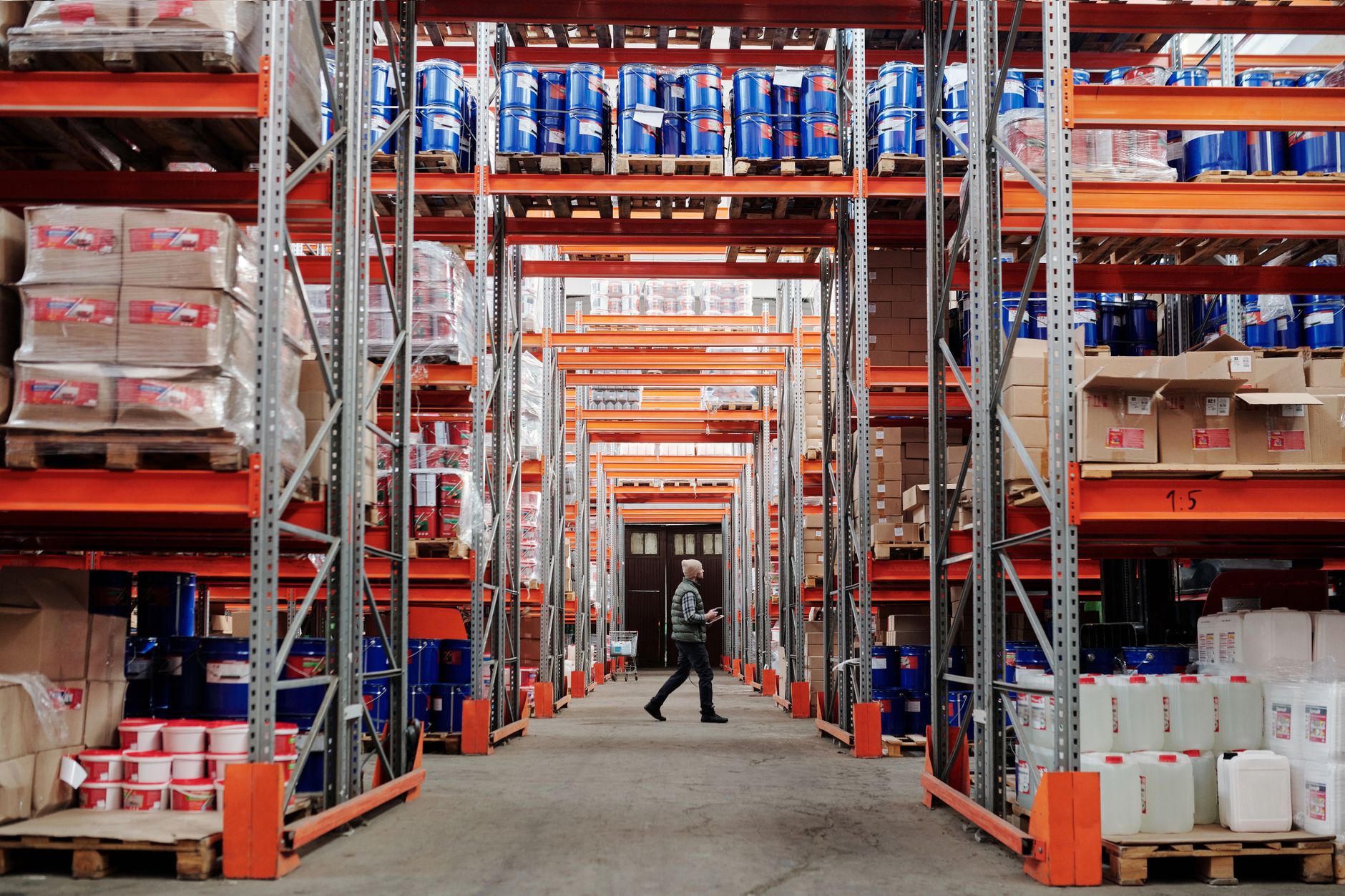
Most of the value sits in the moves between the dock, cold storage, and outbound staging. These are the areas we check first during a site assessment, because the route is known and the same moves repeat.
Each zone below is a separate job with its own traffic pattern, so the fleet plan changes from one to the next. Lanes that carry the most volume get the most attention in the layout.
How does it work alongside your existing staff?
The vehicle is a team member for repetitive moves, not a replacement for the whole crew. A realistic plan keeps a smaller team on site, with someone to supervise the fleet, someone to handle loading and exceptions, and experienced drivers who can take over when a route is blocked or a load needs correction.
One factory case study covering 50 mobile robots, a consultant report from March 2026, shows the same shift in roles. Its labor table moves forklift operators from 36 to 4 fleet supervisors, and it reports a 91% reduction in manual material handling. That deployment used mobile robots rather than forklifts alone, so read it as a sign of direction, not a forecast for your floor.
A vendor case study of one autonomous tugger reported 60 labor hours saved each week, which the vendor said redeployed 1.5 full-time roles. In practice, that time is best put back on the dock, cycle counts, and loading, where a short crew feels the pressure most.
What drives the savings?
The savings come from hours. Each move the vehicle takes over removes a set of labor hours that the crew no longer spends walking or driving the same route. Hours saved only count when they are reassigned or avoided, so plan where the time goes before the first day of operation.
Vendor-reported results point to a 64% reduction in human labor costs and a 33% productivity increase. According to a vendor-reported four-week pilot at a Las Vegas logistics warehouse, the labor cost reduction was measured against a forklift, and the productivity gain was measured against an electric pallet jack. Both are short trials run by the seller, so treat them as a range of what is possible, not a promise.
A practical test is to log driver hours on a few lanes for several weeks before you decide on fleet size. Compare the hours per pallet move, the time pallets wait at the dock, and the number of exceptions the crew clears each shift. Those three measures tell you more than a headline percentage.
What can the robot not do?
The robot does not replace every task on the floor. It works best on fixed routes between defined points, and it needs a mapped, clear path. Pallets that are damaged, badly wrapped, or stacked off pattern need a person to correct them before a vehicle moves them.
Unusual loads, heights that do not match the route plan, and blocked aisles from a spill or a stalled truck still need a driver or a manual override. Cold rooms with frost, condensation on floors, or heavy door cycling may change how the vehicle travels, so the site assessment checks those conditions before anything is set.
It also does not run the building without people. It needs someone to supervise, load, and resolve exceptions, and it needs a plan for the days when the route map changes. Setting that expectation early keeps the rollout honest.
How do you get started?
Start with a free site assessment. We map the aisles, the cold storage rooms, the dock, and the pallet flow, then recommend the vehicle type and fleet size that fit the floor. Many operations begin with one leased unit as a robot pilot program before they add more.
We lease robots through lease financing programs, and the payment comes in the quote after the site assessment, so the figure reflects your layout, your volume, and the service you need. Deployment and integration include go live support and staff training. The robot maintenance service plan covers on-site dispatch and remote triage when something needs attention, and a spare unit can cover downtime while a repair is made.
Bring the cased goods volume, the number of lanes, your dock schedule, and the number of people on each shift. That is enough to begin a useful conversation about where autonomous forklifts for wine warehouses would earn their place.
Frequently asked questions
Want an autonomous forklift at your wine warehouse?
Tell us about your site. We will recommend the robot, quote the lease, and keep it serviced.