
Key takeaways
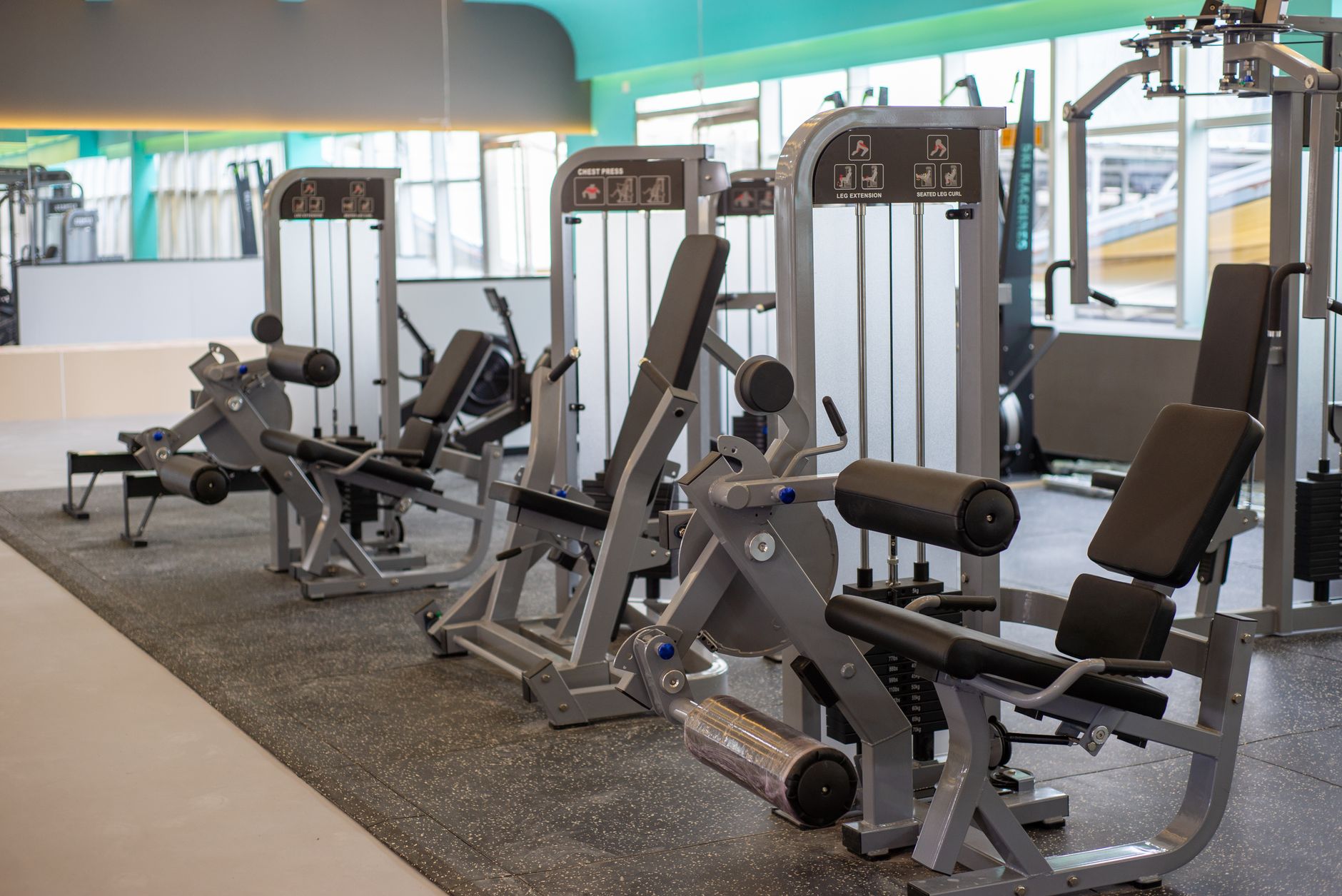
- Cleaning robots for gyms take the repetitive hard floor passes that consume the most staff hours, while people keep locker rooms, restrooms and equipment.
- Job postings for gym cleaning often list 15 to 40 hours per week, so floor coverage is a real scheduling problem.
- Large gyms can need a 4 to 5 hour robot run, which fits the window between closing and opening.
- Staff roles shift toward supervision, restocking and spill response, and a robot plus a smaller team outperforms a robot alone.
- Every robot is leased through financing, and the payment comes in a quote after a free site assessment.
How can cleaning robots for gyms help a busy fitness center?
Cleaning robots for gyms are floor cleaning robots that run scheduled passes across hard floors, rubber flooring and open training areas while members keep working out. A gym is open long hours, and its floors take constant foot traffic, sweat, chalk and dust. The main benefit is that floors get cleaned often, in the gaps between peak hours, instead of once at closing.
The robot does not replace your cleaning team. It takes the repetitive floor passes that eat up the most hours, so your staff can handle locker rooms, restrooms, equipment wipe-downs and spills. Those are the tasks that shape how a member feels when they walk in.
Service Robot Co. is a US commercial robot integrator. We pick the robot that fits your floor plan, arrange a lease through financing, deploy and integrate it, train your staff and service it nationwide. The rest of this page explains what that looks like in a real fitness center.
What problem does frequent floor cleaning create at gyms today?
Floor cleaning in a gym is an hours problem more than a skill problem. Job postings show how thin the coverage can be. A daytime housekeeping posting for one club in Massachusetts lists 20 hours per week and includes gym floors and restrooms. A cleaner posting for a Texas club lists 15 to 20 hours per week. A custodial role at a federal fitness center lists 35 to 40 hours per week, according to the USAJOBS listing reviewed for this page.
The wider labor market is tight for this work too. According to the Bureau of Labor Statistics Occupational Outlook Handbook, there were 2,447,700 janitor and building cleaner jobs in 2024, with projected growth of 2% for 2024 to 2034, which is slower than average. The same source projects about 788,700 openings each year for building and grounds cleaning occupations, mostly from workers who must be replaced. The BLS May 2024 wage release counts 2.2 million janitors and cleaners, except maids, with traveler accommodation and elementary and secondary schools among the largest employers. For an operator, hiring and keeping cleaners is a recurring task.
Gyms are also multiplying. According to an analysis of BLS QCEW data, the number of gyms rose about 56% since 2012, compared with a 38% increase in total private establishments. Census County Business Patterns, as summarized by an industry analysis, counted 41,556 fitness and recreational sports centers with paid employees and 708,273 employees in 2023. That category also includes rinks, pools and racquet clubs, so it is not a gym-only count. More gyms means more competition on cleanliness, and members judge a gym by its floors first.
How does the robot work in a gym day to day?
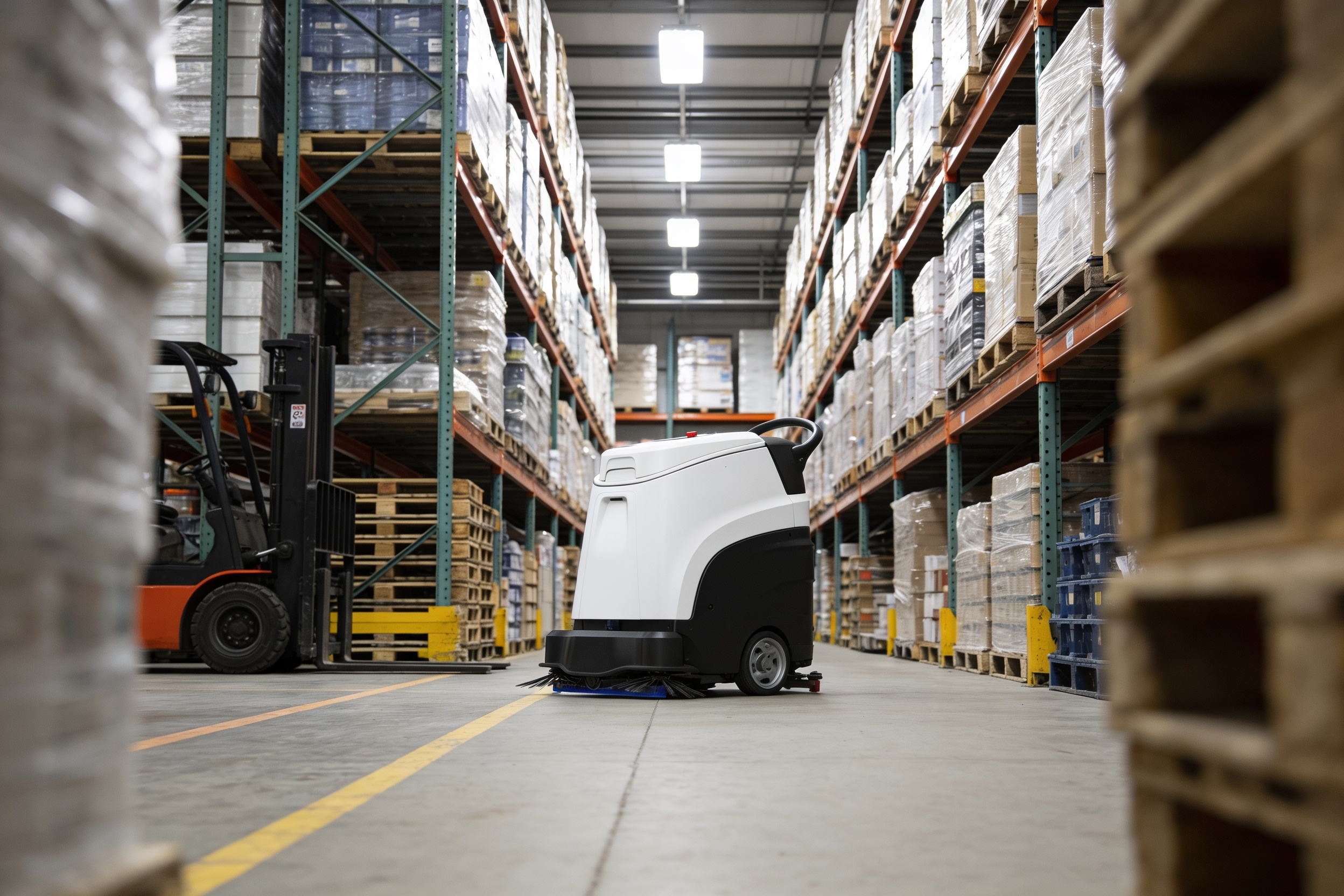
A floor cleaning robot is mapped to the building first. During the site assessment we walk the floor plan, mark the hard floor zones, keep the robot off surfaces it cannot handle, and set safe paths around equipment. Once it runs, it follows a schedule, usually overnight, early in the morning, or in quiet windows between classes.
Between classes, a quick-clean cycle can take 15 to 30 minutes depending on studio size, according to a vendor's gym guide. Full nightly passes take longer. The same guidance puts run times at 2 to 3 hours for the smallest studios and 4 to 5 hours for large gyms.
Sizing matters. The same vendor guidance matches the robot to the hard floor area it will cover:
Boutique studios: up to 5,000 sq ft of hard floor
Mid-size clubs: 5,000 to 20,000 sq ft of hard floor
Large gyms: 20,000 to 60,000 sq ft of hard floor
Multi-court centers: 60,000 sq ft and up
- Boutique studios: up to 5,000 sq ft of hard floor
- Mid-size clubs: 5,000 to 20,000 sq ft of hard floor
- Large gyms: 20,000 to 60,000 sq ft of hard floor
- Multi-court centers: 60,000 sq ft and up
How much staff time can the robot take over?
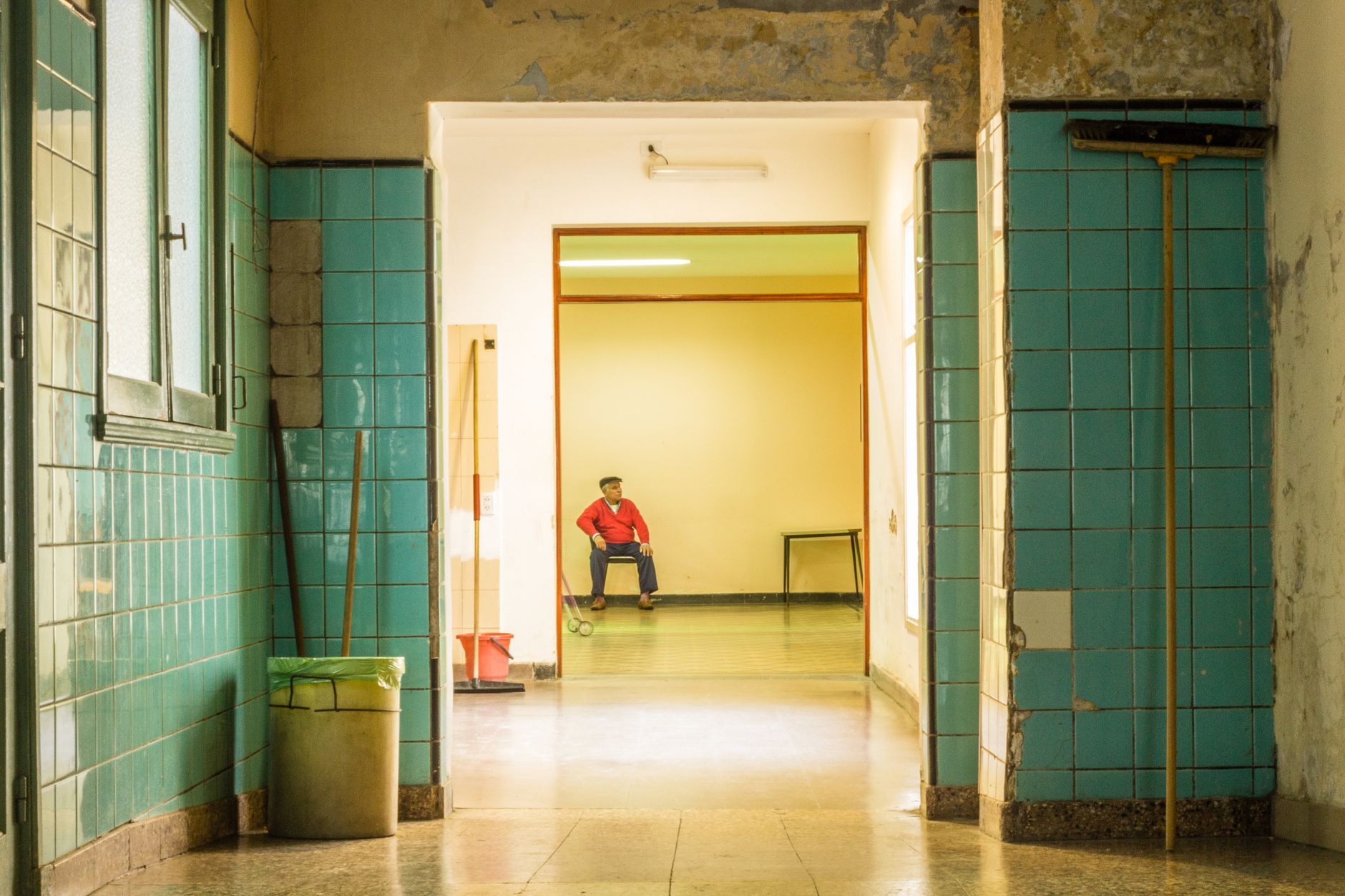
Manual floor work is slower than most managers expect. The equipment seller's 2026 guide uses a 12,000 sq ft nightly clean as its example and puts the average person's mopping pace at about 5,000 sq ft per hour. A vendor's March 2026 guide says a skilled operator on a walk-behind scrubber covers about 6,000 to 9,000 sq ft per hour in real facilities, which it turns into 48,000 to 72,000 sq ft over an 8-hour shift.
A fitness chain case study from Romania, published by a robot vendor, describes manual overnight cleaning between 10:00 PM and 6:00 AM across about 4,000 sqm per location, on parquet, thin carpet and tile. After the robot took over the floor passes, staff time moved to supervision, restocking and member-facing tasks. The useful pattern is that hours return to the team rather than disappearing.
Your own numbers will differ. Count the hours your team spends on floor passes each week, then compare that with the 15 to 40 hours per week that job postings already show for this work.
Which areas of a gym does the robot cover?
The robot earns its place on large, open hard floors where traffic is heavy and the surface is smooth. Those zones are described below, and they are the ones the site assessment checks first.
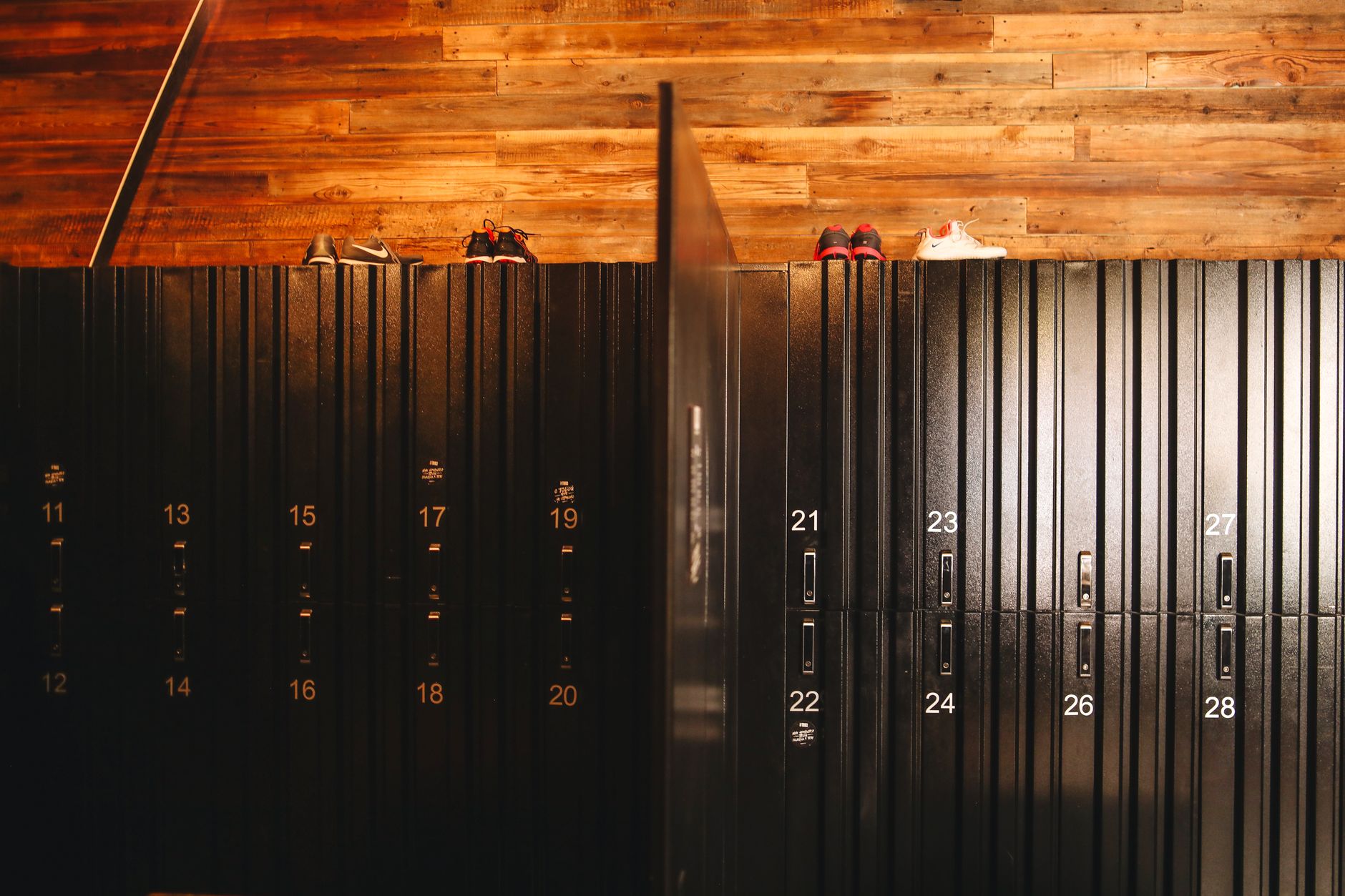
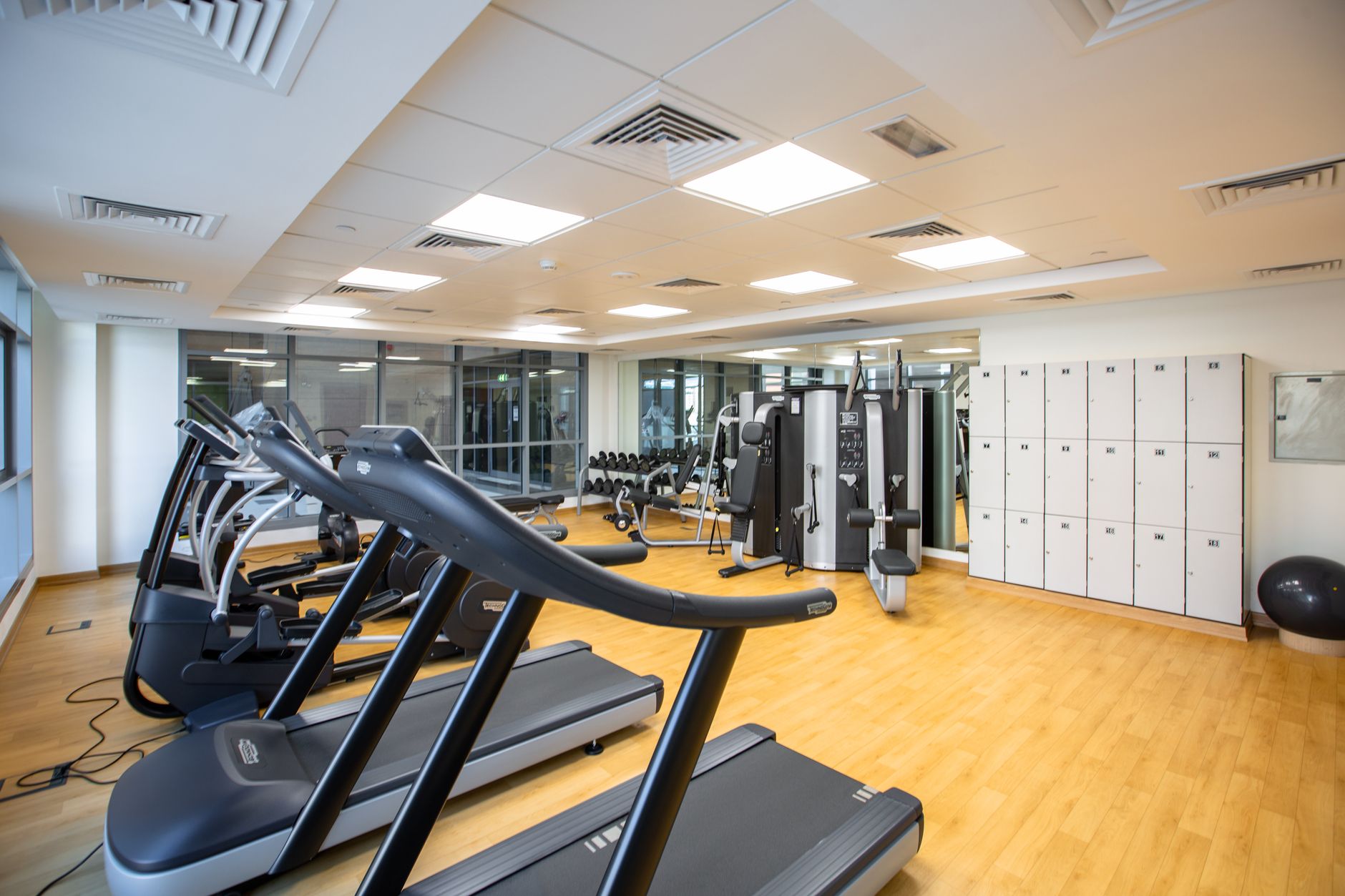
Locker rooms, showers and restrooms stay with staff. So do equipment wipe-downs on touchpads, barbells, cable handles and cardio screens, since those touch surfaces call for hand cleaning and a checklist. Rubber gym flooring needs a compatibility check, because support varies by model.
How does the robot work alongside your existing staff?
The best setup is a robot plus a smaller team, not a robot in place of the team. The robot handles repetitive floor passes on a schedule, and staff take the work that needs judgment. A club that cut its cleaning team to zero would lose the people who spot a spill, reset a station or handle a member complaint at 7 PM.
Staff roles shift toward supervision, restocking, locker room care and spill response. In a New Zealand gym trial described by its vendor, the robot handled high-traffic zones while cleaners focused on member areas and fine detail.
Service Robot Co. trains the staff who run the robot and its daily checks, so the team knows what to do when the robot pauses or a spill blocks its path.
What can a cleaning robot not do in a gym?
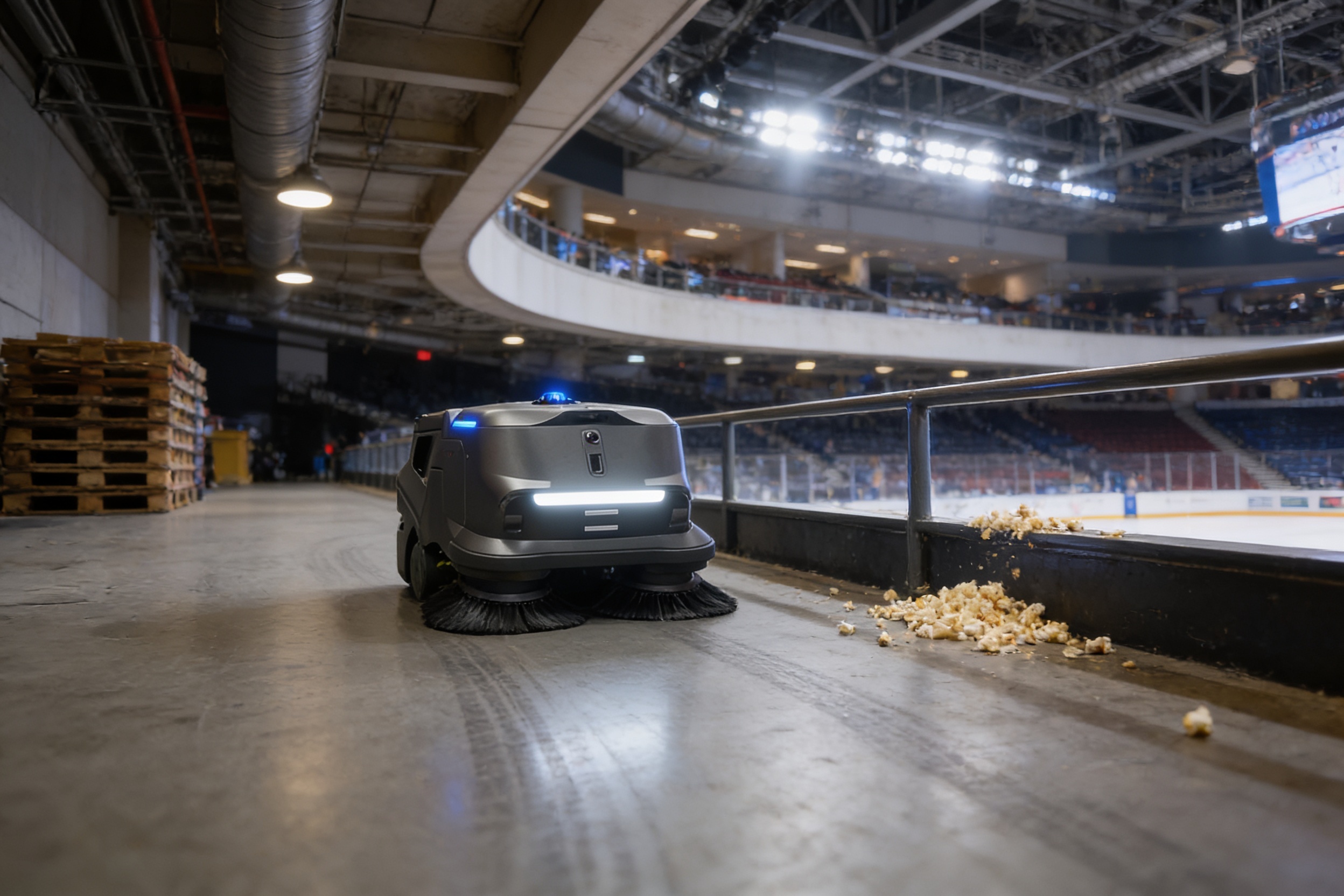
A floor cleaning robot does not do everything a gym needs cleaned. Locker rooms and showers are manual tasks. Equipment wipe-downs need a person. Major spills, such as chalk, protein shake or a fountain overflow, need staff to clear them before the robot can resume its route.
Logs are a useful side benefit. Timestamped robot logs can document nightly cleaning for inspectors, instead of relying on an operator's memory. That helps answer inspection questions, though it does not replace your own cleaning records.
What drives the savings in a gym?
Savings come from hours, not from a promise. The main drivers are how many hours your team spends on floor work now, how large the hard floor area is, and whether the robot can run in quiet windows. Job postings show the range: 15 to 20 hours per week for one cleaner role, 30 to 35 hours per week for a club role covering floors, locker rooms, weight areas, cardio and hallways, and 35 to 40 hours per week for a federal fitness center custodial role.
Other drivers are the tasks the robot does not remove. A team still needs hours for locker rooms, restrooms and equipment. How that split falls depends on your building, and a site assessment makes it concrete rather than theoretical.
Turnover matters too. The BLS projects about 788,700 openings a year across building and grounds cleaning, so a robot that reduces reliance on hard-to-fill floor shifts can ease a recurring hiring load. Plan around that benefit, but do not expect it to be guaranteed.
How do you get started with cleaning robots for gyms?
Start with a free site assessment. We walk the building, measure the hard floor areas, check the flooring types, note your peak hours and identify where staff must keep working. From that we recommend a robot that suits the floor plan and outline the deployment.
Robots are leased through financing, and the payment comes in the quote after the site assessment, so you see the full picture before you commit. Service Robot Co. then handles deployment and integration, including mapping and go-live support, trains your staff and provides service across the US.
Keep the first run small. Begin with the main floor and one schedule, check the results against your own hours and member feedback, then extend to other zones once the team is comfortable.
Frequently asked questions
Sources
- BLS Occupational Outlook Handbook: Janitors and Building Cleaners
- BLS Occupational Outlook Handbook: Building and Grounds Cleaning
- BLS May 2024 OEWS release
- Vanta Insights: How many gyms in the US
- Cinch: Cities with the most gyms per capita
- Sproutmation: Cleaning robot for gyms and fitness centers
- Sproutmation: Autonomous floor scrubber ROI
- USAJOBS custodial worker posting