
Key takeaways
- Scheduled overnight floor cleaning keeps lobbies and corridors ready for guests without pulling staff away from guest rooms.
- In a survey covering December 2024 to January 2025, 65% of hotels reported staffing shortages, so staff hours are the scarce resource.
- Labor savings are reported in hours, and breakeven depends on your labor costs and how many hours the robot runs each day.
- Plan for a robot plus a smaller team, and confirm carpet, elevator and network needs before deployment.
- Start with a free site assessment and a pilot zone, then review the quote.
How can cleaning robots benefit hotels?
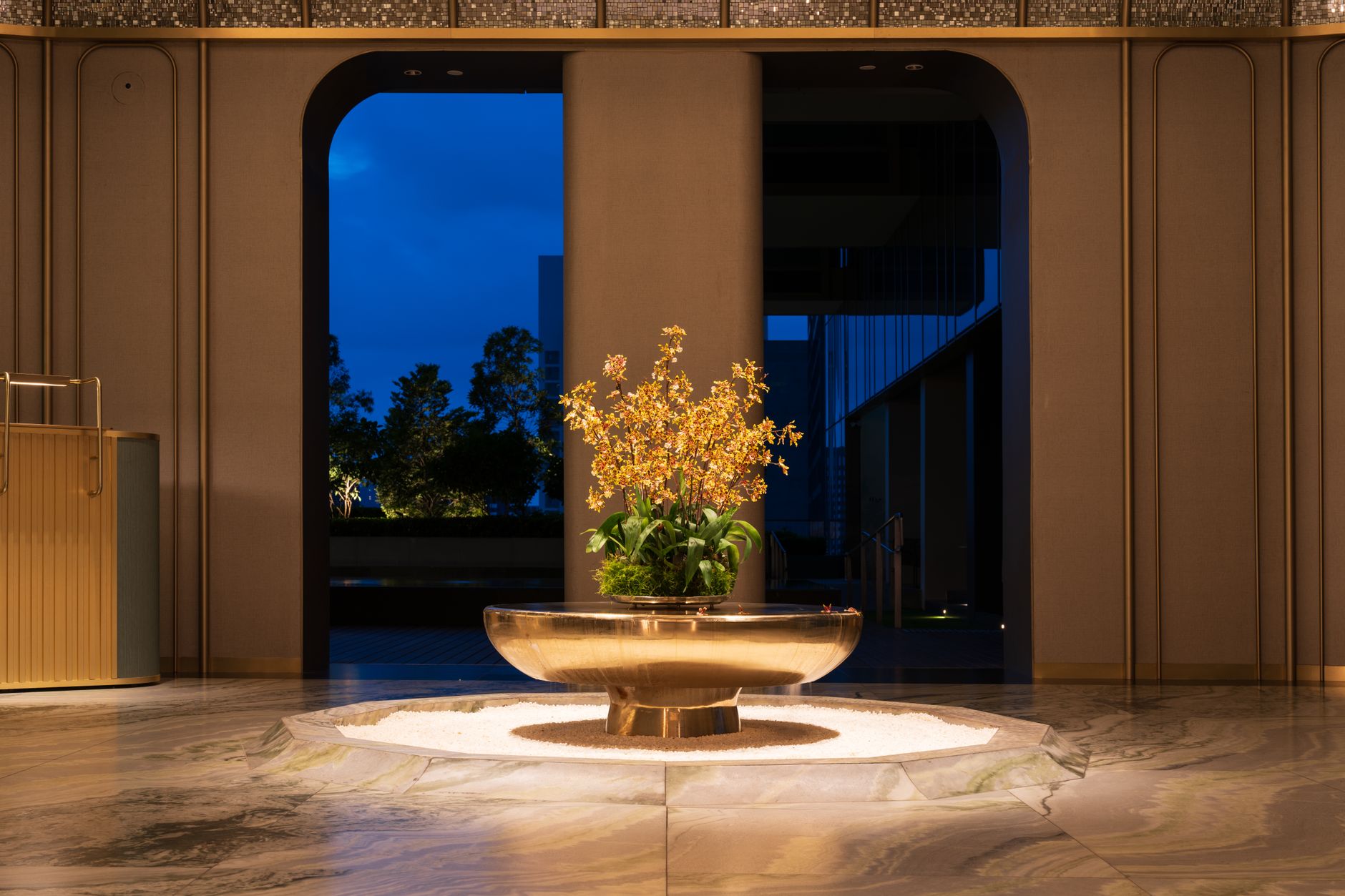
Cleaning robots for hotels take over the scheduled floor work that eats up much of a housekeeping shift without going near guest rooms. Think of the wide lobby, the long corridors and the ballroom that must be ready before a morning event. A floor cleaning robot runs a set route on a set schedule, usually overnight or in low occupancy hours, so those floors are ready when guests walk in.
The benefit is not simply a smaller team. It is that the people you have spend their hours on work only people can do well, such as rooms, restrooms and detail cleaning. Public floors also get cleaned on a steady rhythm rather than whenever someone finds a gap in the day. For a hotel short on housekeepers, that keeps common areas looking right without asking the remaining team to stretch further.
Service Robot Co. is a US commercial robot integrator. We pick the robot that fits your floors, lease it through financing, deploy and integrate it, train your staff and service it nationwide. The starting point is a free site assessment, and the payment comes in the quote that follows.
What problem do hotel floors create today?
The American Hotel and Lodging Association surveyed 282 hoteliers between December 2024 and January 2025, and 65% of hotels reported staffing shortages. Housekeeping was the most affected department at 38%, ahead of front desk at 26%. Shortages hit the floor work first because it is the work most often left until the team has time.
Open roles pile up. The same survey found that 71% of hotels had positions they could not fill, with an average of six to seven open positions per property. A floor pass that used to take two people now takes one, or it slides to the end of the shift and the lobby looks tired at check-in.
Turnover makes the gap harder to close. According to the same association, as reported in a hospitality labor article, annual turnover in hospitality runs 70% to 80%, about five times the 12% to 15% seen across other industries. The Bureau of Labor Statistics found that 37% of leisure and hospitality workers work non-daytime schedules, against 16% nationally, which is why overnight floor work is hard to staff.
What are the main benefits?
The gains fall into a few clear groups. Each one is tied to a specific deployment figure, and none of them is a promise that your numbers will match.
- Steady floor condition: the same route runs on the same schedule, so lobbies and corridors are reset before check-in traffic instead of whenever a gap appears.
- Hours returned to the team: one robot at a 5-star hotel in Adelaide, Australia, with over 300 rooms across 15 floors saved about 3 hours of labor per day, according to a hospitality trade article.
- Coverage per shift: one robot at a New Zealand 4-star hotel with 192 rooms over 9 floors covered more than 1,100 square metres of floor per day, according to the same trade article.
- Staff focus: housekeepers spend the shift on rooms, restrooms and detail work that a floor cleaning robot cannot do.
How does the robot work day to day?
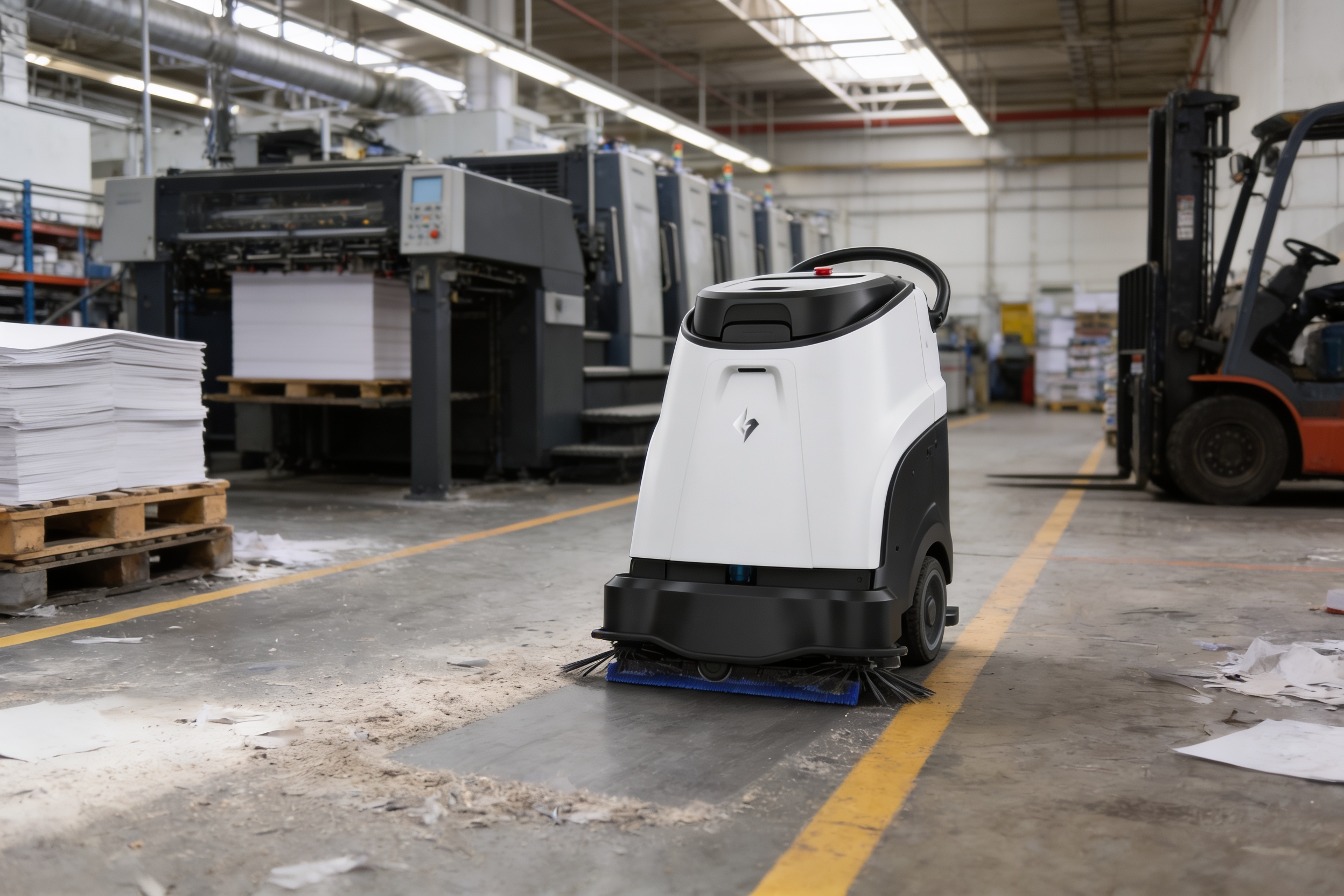
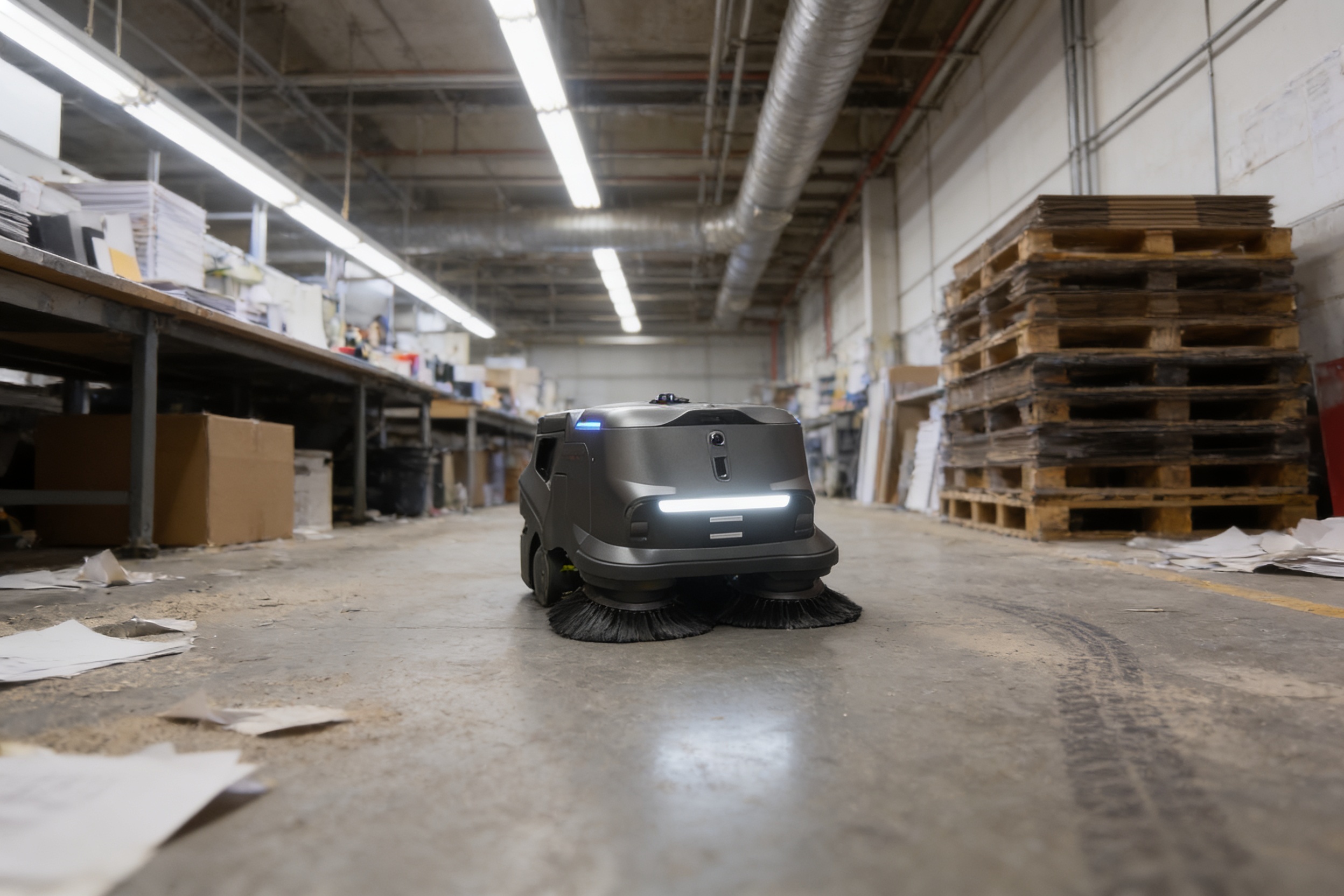
The robot is mapped during setup. According to a trade article, that mapping step takes longer at first and then becomes a one-time task. After that, the robot runs the route your team sets, usually overnight or in low occupancy hours. Many hotels split public floors into zones with a window for each, so the robot is never working the ballroom while the breakfast room is being set.
Battery runtime sets the rhythm of the night. A vendor deployment write-up covering Las Vegas casino-resort properties notes that a unit rated for four hours may deliver 2.5 to 3 hours under real load. Plan charging and route length around the real figure, not the spec sheet, and leave a margin for a long night.
Before each run, someone on your team clears what the robot should not meet, such as stacked chairs, luggage carts and loose mats. The first runs in any zone should be watched closely, and the route should be adjusted after the first week based on what the logs show.
Which areas of the hotel does the robot cover?
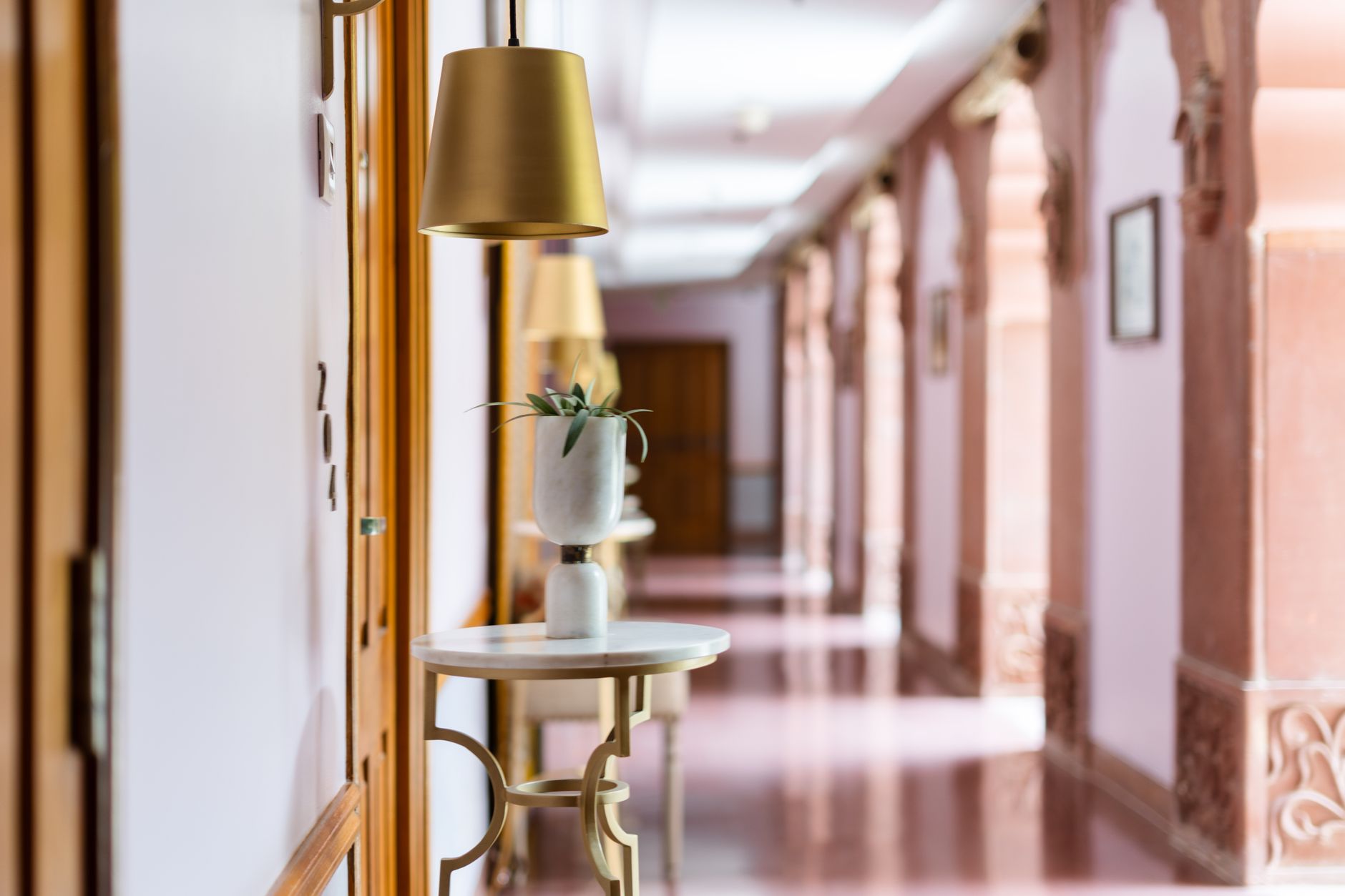
Lobbies, corridors and ballrooms are the usual deployment zones for autonomous scrubbers and sweepers. The best candidates are large hard-surface areas with regular traffic and clear paths, because those give the robot the longest productive runs. Areas with carpet, heavy furniture or many tight corners need a closer look at the site assessment before they go on a route.
The six zones below are the ones hotel operators most often ask about. Each one is a different kind of floor with different traffic, so each needs its own window and its own route check.
How does the robot work alongside your existing staff?
The robot takes the open-floor passes while your people move to guest rooms, restrooms and detail work. A supervisor sets the zone windows, an attendant or night staff member clears the route, and housekeepers keep the work that depends on judgment and guest contact. This is the cleaning robots for hotels model that works in practice: a robot plus a smaller team, never a robot alone.
A mid-market hotel in Perth, Australia, moved its floor cleaning team from two staff to one, and the second person was redeployed rather than removed, according to a trade article. That is the pattern to plan for. The robot absorbs the repeated floor work, and the team is reassigned to the tasks that keep rooms and public spaces in good order.
What drives the savings, and what do the numbers show?
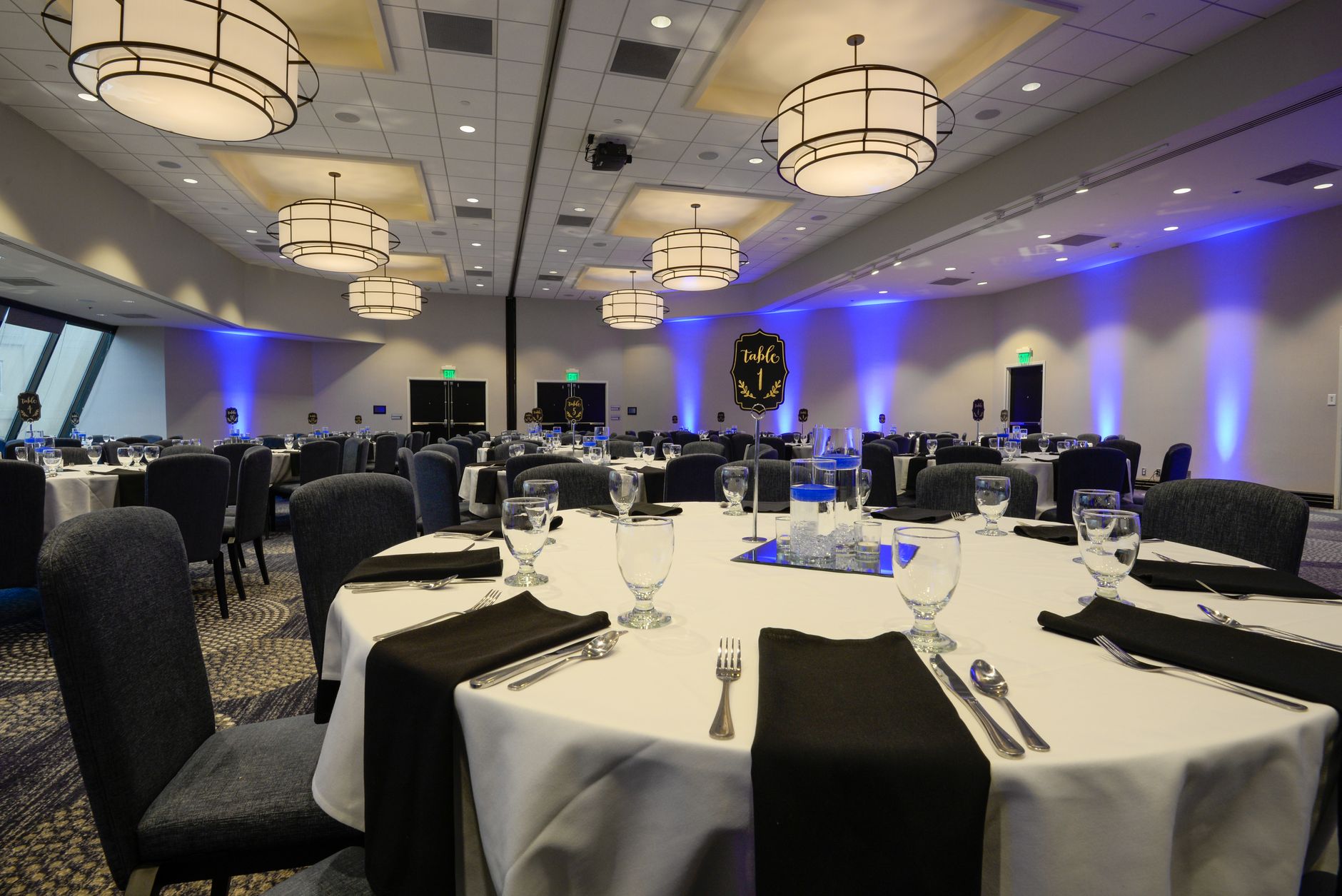
The savings come from hours, and the best evidence is the hours measured on real floors. A ballroom of about 9,000 square feet took about 6 hours to clean by hand and about 75 minutes in a robot demonstration, according to a hotel cleaning robot case study from a robot vendor. A demonstration is not a full shift, so treat it as a starting point for your own measurement.
The same trade article that reported the Adelaide hours also cited a breakeven of 7 to 10 months, depending on labor costs and daily run hours. Those two inputs are yours to measure, so the breakeven for your property is the one you calculate from your own schedule and open roles. An industry payback model assumes 60,000 square feet of hard-surface public area and 30 labor hours a week spent on scrubbing, and it is a model, not a measured result.
Three levers decide your number. The first is how many hours your team spends on hard-surface passes each week. The second is how many hours the robot can run each day, given its real runtime. The third is what open roles already cost you in overtime, missed coverage and rushed floors at check-in.
What can the robot not do?
Scrubber-only models do not clean carpet, so confirm carpet capability before you plan a route through a carpeted ballroom or corridor. A robot that can scrub tile can still leave a carpeted hallway untouched. Ask for that answer in writing during the site assessment.
Elevator access and Wi-Fi integration should be confirmed in writing before deployment. A robot that cannot call a lift or reach the network cannot finish a multi-floor route, and that gap only shows up on the first night unless you check it first.
It does not clean guest rooms, restrooms or detail areas, and it does not wipe tables or handle spills it cannot detect. It can also be stopped by obstacles left in its route, so the floor check before each run still matters. Expect a team member on the floor during the first runs in every zone.
How do you get started?
Start with a free site assessment. We map the floors, measure the hard-surface area, note carpets, elevators and network coverage, and identify which zones and hours make sense for your property. You leave with a plan you can check against your own schedule, not a sales pitch.
We pick the right robot for the site, lease it through financing, deploy and integrate it, train your staff and service it nationwide. The payment comes in the quote that follows the assessment, so you can compare the hours it returns against your current schedule before you commit.
Consider a pilot on one zone first, such as the main lobby or the longest corridor. Run it for a set period, review the logs and the hours your team actually saved, and then decide whether to expand the route.
Frequently asked questions
Sources
- American Hotel and Lodging Association, 65% of surveyed hotels report staffing shortages
- Technology4Hotels, When does a hotel robot actually pay for itself
- Sproutmation, Cleaning robot deployment lessons from Las Vegas resorts
- Sproutmation, Hotel cleaning robots
- Corbett Restaurant Group, Hotel labor and the 2026 AHLA State of the Industry
- Tumi Hospitality, Signs your hotel needs a staffing agency
- MoBotics USA, Hotel cleaning robot case studies
- HospitalityOS, Hotel service robots ROI